Here's another dangerous Democrat socialist who succeeded in defeating a 30-year incumbent in Colorado. I have a feeling the moronic voters who cast ballots for these people are young; brainless Gen Z types who join the latest fad; those who get their news on social media; and old hippies and fools who like Bernie Sanders.
Who is funding all this? And when will it stop? The Democratic party is now the party of hate: hate America, hate Trump, hate Jews, hate Israel, hate ICE, hate crime & punishment, and hate personal responsibility. How is that a good thing for the country?
I just hope the new socialists in Congress are not given any important committee assignments, and definitely not with Foreign Relations, Intelligence or Appropriations.
---------------------------------------------
This is from an article at the 7-1-26 PBS website:
"Taking to a stage under a sign that read "Power to the People," Kiros
told her supporters that her win belonged to every one of them.
"This is a movement," Kiros said. "We are just getting started."
"To an excited crowd, which had been singing and dancing moments
before she got on stage, she laid out her plans: taking the fight to
"Donald Trump and the oligarchy," abolishing U.S. Immigration and
Customs Enforcement, passing "Medicare for all" and ending the "genocide
in Palestine."
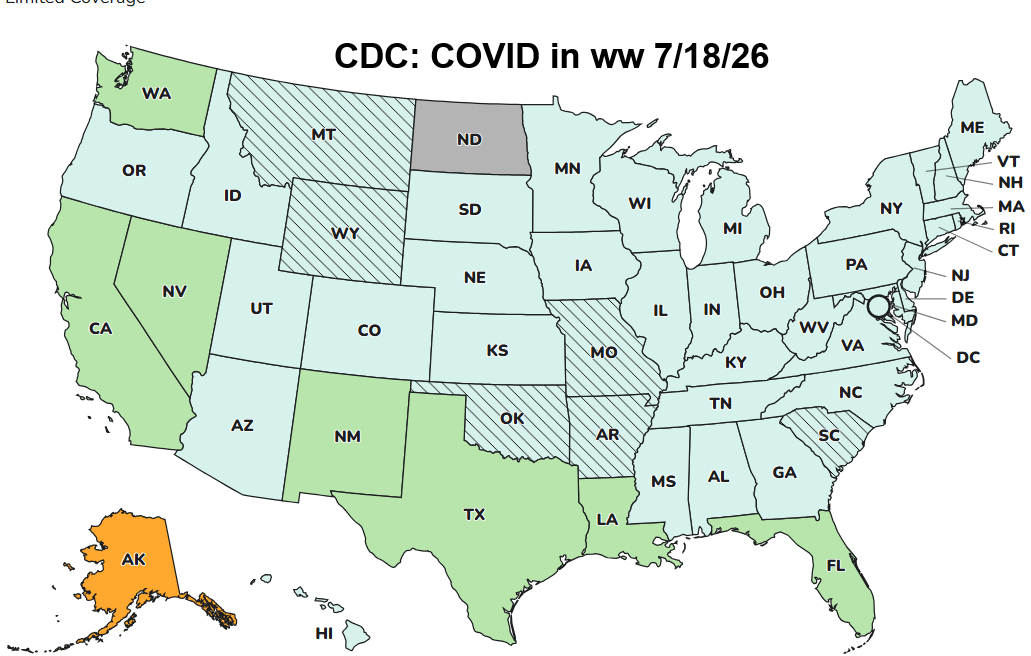
Here's more medical useful information by Dr Ruth Ann Crystal. The news about the lowest levels of COVID is very interesting. I will still keep my guard up anyway.
A
proposed OMB rule (2 CFR Part 200) would extend Trump administration
grant cuts beyond scientific research to all federal grants to states,
cities, and nonprofits nationwide. Political appointees would replace
peer review panels, DEI research would be effectively banned, agencies
could terminate grants at any time for any reason, and all grant
programs would have to “align with the President’s policy priorities” or
be denied if an organization’s affiliations or views are deemed
“un-American”.
COVID
levels are very low across most of the United States now. Even the
hotspots are not anywhere as high as they were in the past. For example,
the highest level on WastewaterSCAN is in Pascagoula Moss Point, Mississippi at 160 PMMoV. While this is high, it is nowhere near what past COVID levels have been.
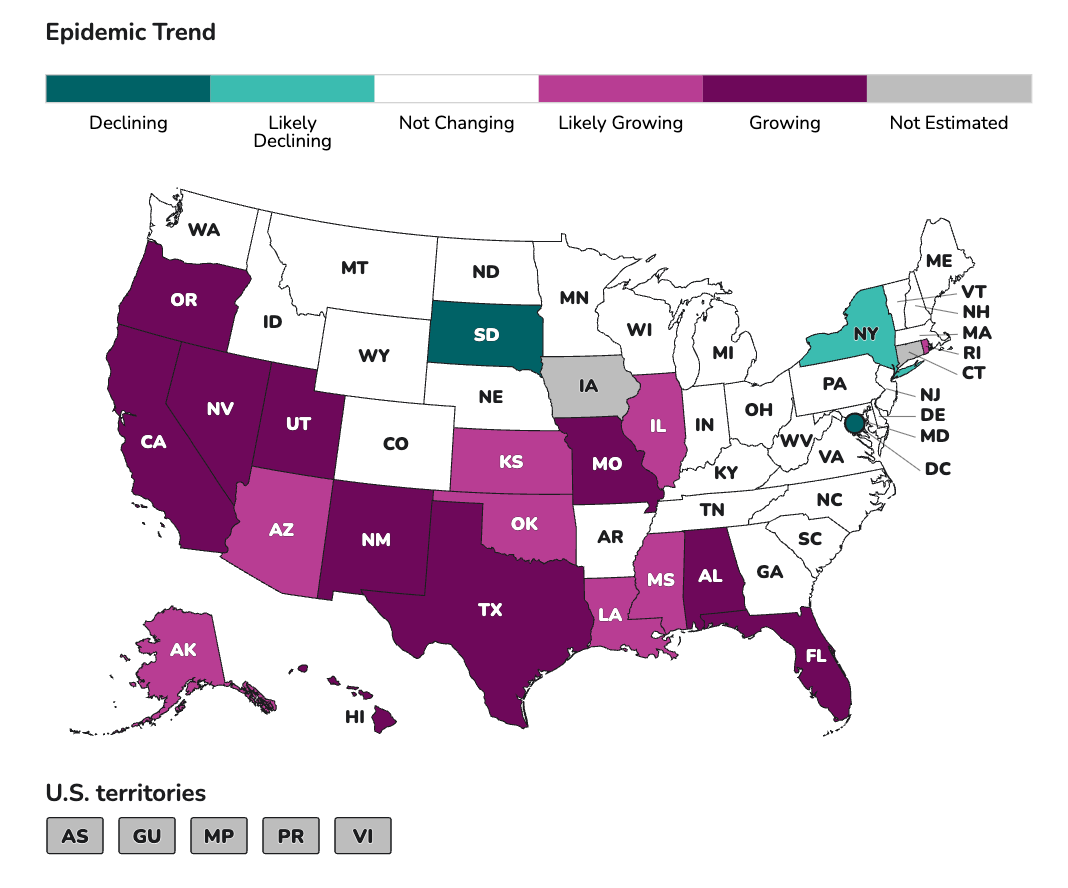
On June 23, 2026, the CDC estimated that COVID infections were growing in Louisiana, Mississippi, and parts of Texas. COVID infections were declining in 34 states, and were unchanged in 12 states according to the CDC.
According to JP Weiland,
COVID wastewater levels are 5 to 8x lower than prior lulls, with
roughly 40,000 new U.S. infections daily, though a small late summer
wave is possible in the West and South. Mike Hoerger
estimates are somewhat higher, putting active infections at about 1 in
310 Americans, with hot spots like Mississippi closer to 1 in every 40
people currently infected.
University
of Copenhagen researchers screened 738,944 SARS-CoV-2 genomes from
Denmark’s national surveillance system and identified 303 cases of
persistent infection. Immunosuppressed patients faced nearly 6x the odds
of prolonged COVID infection compared to others. These persistent
infections also accumulated more nonsynonymous mutations, including
variants associated with antiviral drug resistance, underscoring
immunocompromised populations as a critical site of viral evolution.
Researchers analyzed 3,332 SARS-CoV-2 sequences from chronic COVID infections and identified 14 recurring mutation patterns,
including signatures associated with deep lung tissue and evasion of T
cell immunity. These co-evolving mutations may help explain how
prolonged viral persistence inside individual hosts shapes the evolution
of the virus and potentially contributes to Long COVID pathology.
Chinese
scientists found that plasma levels of proteins SERPINA1 and CD59
increased with acute COVID severity, reflecting disruptions in both
complement activation and coagulation pathways. When evaluated together,
the two proteins outperformed D-dimer in predicting mortality at 12
months, though the findings require validation in larger cohorts.
A
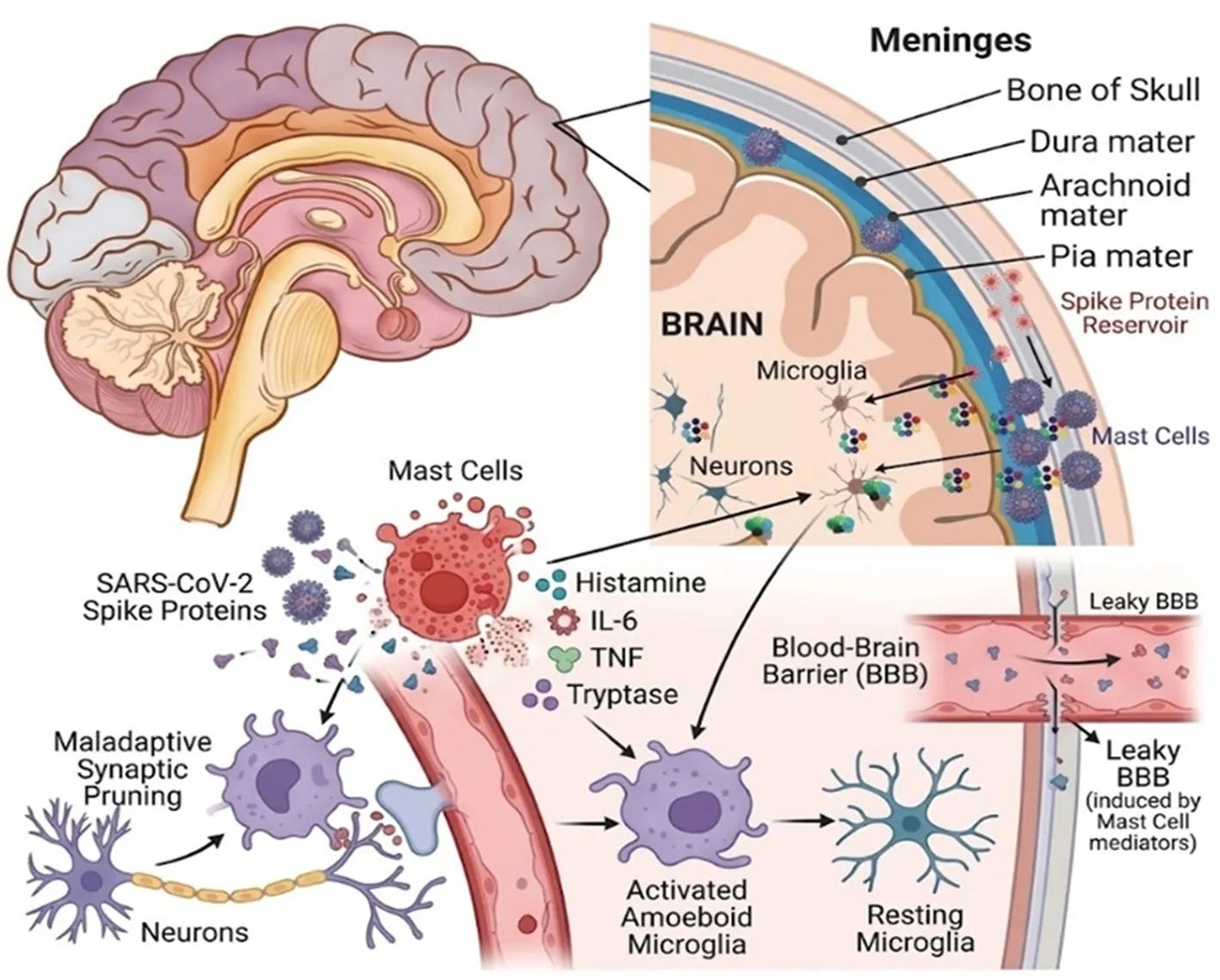
new study shows that the SARS-CoV-2 nucleocapsid protein (NP) can exit
infected cells independently through an unconventional secretion
pathway, releasing NP into the bloodstream, even in the absence of
detectable viral RNA. The secreted NP was found to activate granulocytes
which make inflammatory cytokines IL-6 and TNF-α.
Researchers from the Oklahoma Medical Research Foundation studied 17 COVID patients and found that 5 individuals with prolonged symptoms showed CD4 T cells that responded weakly to stimulation, producing more than 50% fewer gene activations and reduced interferon
signaling compared to normal immune responses. Encouragingly, 4 of
those 5 patients eventually showed improvement over time, suggesting the
immune dysfunction was not necessarily permanent.
This is similar to the Columbia University preprint
from last week that showed that dysfunctional T cells paradoxically
suppressed antiviral interferon responses, permitting chronic viral
persistence and recapitulating features of Long COVID.
University
of Pennsylvania scientists examined data from 110,955 children and
adolescents with neuropsychiatric conditions to evaluate whether
antidepressant use affected Long COVID outcomes. SSRI and SNRI
use showed no association with reduced Long COVID risk overall, but was
linked to elevated rates of POTS, brain fog, and fatigue in this
population.
Annexin
A5 (or annexin V) is a cellular protein that can bind to
phosphatidylserine, a marker of apoptosis. The function of the protein
is unknown, but it has been shown to inhibit blood coagulation in vitro.
Antibodies to annexin A5 are found in patients with antiphospholipid
syndrome (APS), which is a thrombophilic disease.
A new preprint shows that Annexin A5 (Anx5)
can simultaneously bind both the SARS-CoV-2 Spike protein and the ACE2
receptor. This dual binding action reduced SARS-CoV-2 viral burden and
increased survival rates of infected cells, suggesting that annexin A5
may work as a COVID antiviral.
Long
COVID physician Dr. Zeest Khan, herself disabled by the condition,
breaks down the SSDI application process with disability attorney
Barbara Comerford. Only 32% of initial claims are approved, and Long
COVID rarely qualifies for fast-track approval, but expert documentation
of PEM, dysautonomia, and cognitive dysfunction can make the
difference.
Spanish
researchers studied 425 adults (167 with Long COVID, 148 COVID
recovered, and 110 uninfected controls) and found that 31% of Long COVID
patients, 20% of recovered individuals, and 5% of never infected
controls had detectable SARS-CoV-2 antigens in the blood using the
ultra-sensitive Simoa® assay at 6-12 months post infection. COVID antigen levels had largely disappeared by the two year mark. They concluded “SARS-CoV-2 antigens circulate in plasma up to one year after infection in a minority of individuals, regardless
of whether they develop Long COVID or not, and become rarely detectable
later on. Therefore, current evidence does not support its use to guide
clinical monitoring or treatment decisions in Long COVID.”
A) Proportion of participants with detectable antigenemia on Simoa assay
Researchers from UCSF and Aethlon Medical analyzed plasma samples from 45 individuals and found that Long COVID patients had 2x higher levels of extracellular vesicles coated with mannose,
a sugar molecule that tags these microscopic cargo carriers. This
pattern of mannose enrichment on the surface of extracellular vesicles
may help explain aberrant immune signaling in Long COVID.
Mannose positive extracellular vesicles can be removed from the blood using GNA resin in the Hemopurifier from Aethlon. These vesicles may act as a measurable biomarker for Long COVID and are a potential therapeutic target for filtration based treatments like the Hemopurifier.
MicroRNAs (miRNAs) can also be removed with the GNA resin Hemopurifier.
MicroRNAs (miRNAs)
are tiny RNA molecules that regulate gene activity by binding to
messenger RNAs (mRNAs), preventing those mRNAs from being translated
into proteins. Spanish researchers studied 64 long COVID patients and
identified a specific blood microRNA signature associated with
measurable cognitive deficits. Reduced levels of miR-448 and miR-450a in the blood were linked to worse performance across memory, processing speed, and executive function assessments.
University of Helsinki scientists analyzed blood microRNA and messenger RNA (miRNA and mRNA) from 107 adults (50 Long COVID, 57 recovered controls) following COVID infection and identified two distinct Long COVID subgroups. Subgroup LC1 was distinguishable by 9 miRNAs and LRRFIP2
with an AUROC of 0.91 and showed elevated D-dimer levels, activated
platelet pathways, and immune and blood cell signaling patterns which
was linked to worse symptoms, disability and reduced quality of life.
Researchers
from Madrid compared 104 post-COVID syndrome (PCS or Long COVID)
patients to 34 COVID-recovered controls and found significantly elevated
salivary anti-nucleocapsid secretory IgA and reduced serum C3 levels in
Long COVID patients, with 17.3% of Long COVID samples falling below the
normal C3 range compared to none among controls. A combined biomarker model using salivary anti-nucleocapsid IgA and C3 achieved an AUC of 0.93, suggesting these paired mucosal and systemic immune markers may offer clinically useful discrimination of Long COVID.
Clemson
University researchers generated Lymphoblastoid cell lines (LCLs) from
10 Long COVID patients, 10 COVID-recovered controls, and 50 pre-pandemic
healthy controls, finding distinct metabolic signatures
in each group. Long COVID cells showed depleted energy production
across glycolytic, TCA cycle, and mitochondrial pathways. They also
responded poorly to hormones and cellular signaling molecules, with greater metabolic dysfunction seen in those Long COVID patients with higher symptom burden, providing a potential biological explanation for hallmark Long COVID symptoms including fatigue and muscle weakness.
Donepezil (Aricept)
treats memory loss and confusion in people with Alzheimer’s disease. It
works by boosting acetylcholine in the brain to help improve attention,
memory, and daily functioning. Japanese researchers found that nearly
63% of 156 Long COVID patients carried antibodies to the HHV-6B protein SITH-1,
which animal models suggest suppresses acetylcholine production in the
brain. Among 73 trial participants, the Alzheimer’s drug donepezil (Aricept) reduced fatigue and depression exclusively in those Long COVID patients who tested positive for the antibody.
In
30 adults with persistent COVID related smell loss, researchers from
the University of São Paulo used 7 Tesla MRI brain scans and found
thinning of the orbitofrontal cortex, and disrupted activity in the
insula, thalamus, and memory-linked smell circuits of the brain. These
findings show a distinct brain signature for long-term impaired smell function (dysosmia) after COVID infection.
A Czech study of transcranial direct current stimulation (tDCS) in 35 people with Long COVID showed that this tDCS protocol did not improve neurocognitive symptoms nor EEG measures of brain network activity.
The
Patient-Led Research Collaborative analyzed 162 self-reported symptoms
from 6,031 Long COVID adults and found that subgroup clusters shifted
substantially depending on the algorithm used, with no clear natural
boundaries in the symptoms. All methods used identified a high-burden
group enriched for post-exertional malaise. Patient “types” may be
gradients, and not fixed categories.
In
a small study, University of British Columbia scientists studied
transcriptomics and metabolomics in 47 healthcare workers (12 with Long
COVID and 35 recovered controls) and found that Long COVID was
associated with neutrophil driven inflammation alongside elevated levels of oxoglutarate,
an energy related metabolite that signals metabolic disruption. The
authors postulate that there may be “potential links between persistent
innate immune activation, metabolic reprogramming, and neurocognitive or
systemic symptoms in Long COVID.”
Researchers from Einstein Med and Montefiore analyzed more than 910,000 adults and found that COVID infection was associated with a significantly elevated risk of developing obstructive sleep apnea for up to 4.5 years
afterward, even after mild infection. The authors caution that this
large observational study establishes a statistical association rather
than a confirmed cause.
A
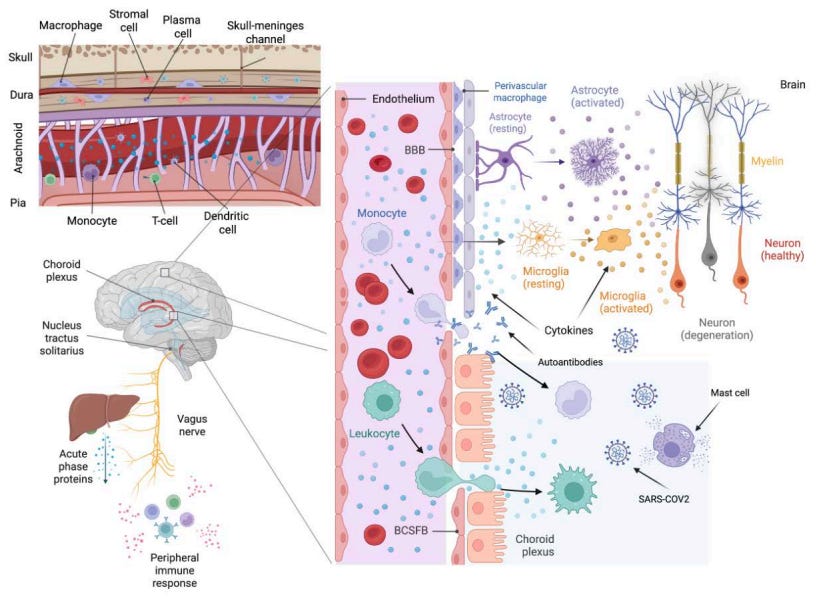
review from Golestan University, Iran shows that viral infections can
accelerate neurodegenerative diseases through at least four overlapping
biological mechanisms: persistent brain inflammation, abnormal protein
folding, mitochondrial dysfunction, and breakdown of the blood brain
barrier. Engineered viruses may paradoxically be used as targeted
therapeutic delivery systems.
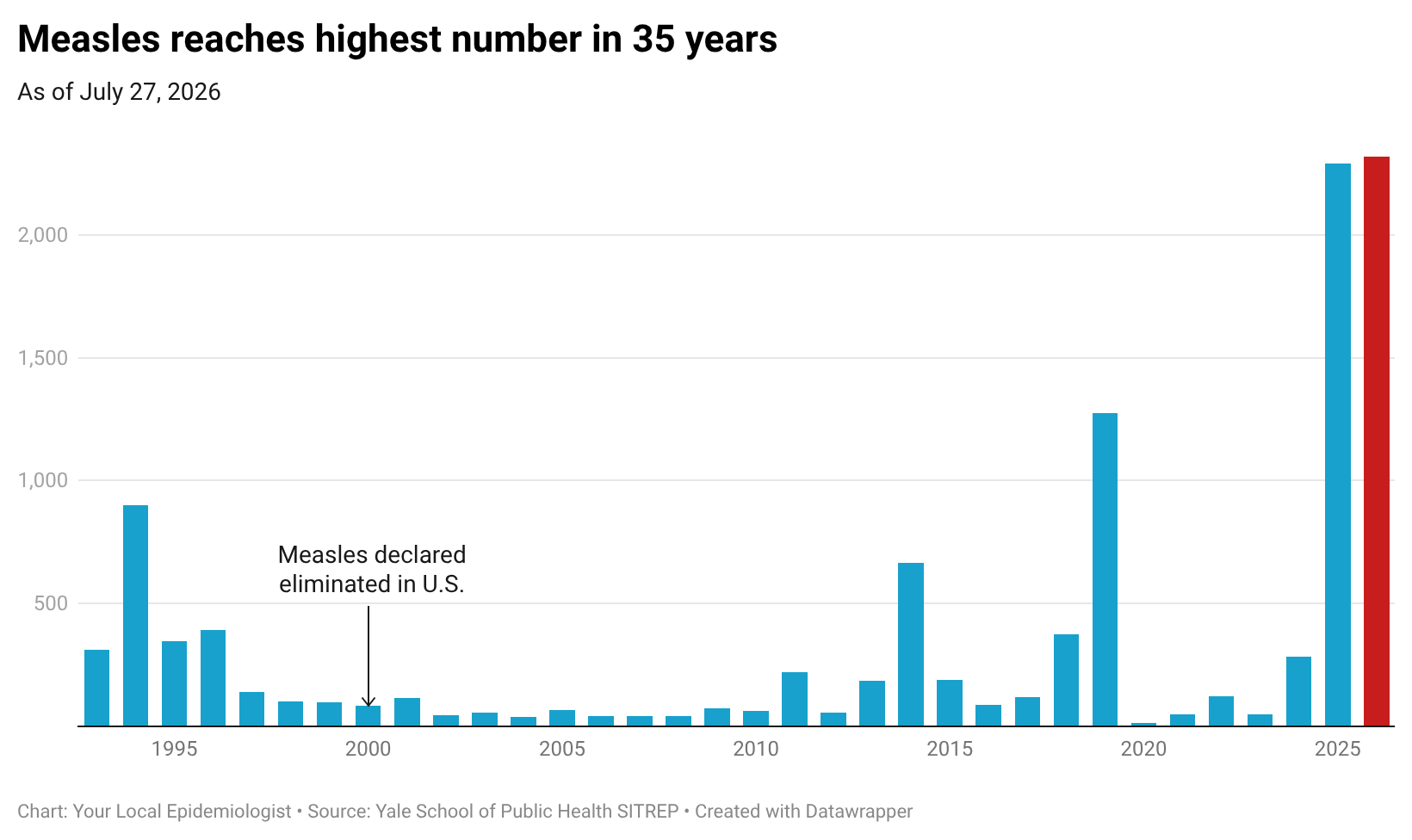
Public
health scientist Jess Steier, DrPH (Unbiased Science) states that the
US has already lost measles elimination status by any objective measure.
With 2,104 cases by June 18, 2026, 48 outbreaks in 2025, and genomic
sequencing tracing continuous transmission across multiple states since
January 2025, only 6% of current cases are imported. PAHO’s review is
now delayed until November after the midterm elections.
Active measles outbreaks now in Utah (507 for the year, 9 new cases this week), Virginia (129 cases), Pennsylvania (83 measles cases). South Carolina’s measles outbreak was 670 cases. Texas has had 182 measles cases, and Florida 155 measles cases through June 20.
“The Ebola outbreak, which is now the second largest in DRC [history], shows no signs of slowing and currently stands at 1,155 confirmed cases and 304 deaths. Neighboring Uganda has 20 confirmed cases and two deaths.
In a press conference yesterday, Africa CDC Director-General Jean
Kaseya, MD, MPH, warned that if contact tracing efforts don’t pick up,
“for sure it will be the largest Ebola outbreak ever.”
At least 275
military training recruits at Lackland Air Force Base in Texas have
contracted the flu, up from 160 last week. Four trainees have been hospitalized with influenza, and one recruit’s death
is under investigation. Defense Secretary Hegseth’s April 2026 decision
to make flu vaccination optional for all U.S. troops led to 60% of
trainees being unvaccinated. The Army, Navy and Air Force are reportedly
now requiring flu shots once again for basic trainees.
The
Trump administration has dismissed hundreds of scientific advisory
committee members since taking office, including a dedicated Long COVID
panel. Clinicians managing Long COVID patients are now without formal
federal guidance on the underlying mechanisms, diagnostic criteria, and
treatments for Long COVID.
Former Transportation Secretary Pete Buttigieg
revealed that his 4-year-old twins were temporarily removed from their
home after an anonymous caller made a false CPS report accusing him of
violent crimes. Michigan State Police confirmed the report was
fabricated. Buttigieg called it a politically motivated hoax and said he
is exploring civil and criminal legal options.
Wow!Researchers
from the University of Gothenburg applied deep learning to a dataset
linking all ECGs recorded in Sweden, identifying a new biomarker on ECG for sudden cardiac death risk. The marker in lead aVL was validated in 3 different cohorts and was linked to the benefit of using a defibrillator.
France reported an extra 1,000 deaths in 3 days from a severe heat wave this week. WHO Director Dr. Tedros warns
that Europe is the world’s fastest warming continent now and European
workplaces, hospitals, and homes were not built for these high temps.
At least three NHS England hospital trusts declared critical incidents as record June heat exceeding 36°C
(96.8°F) knocked out chiller units, MRI scanners, operating theatres,
cancer radiotherapy machines, and IT servers. Norfolk and Norwich
University Hospitals had no working MRI scanners; Portsmouth and
Southampton also suspended planned surgeries and appointments. A prior
report found 90% of NHS buildings ill-equipped for prolonged extreme
heat.
“For months, Sebastian Rucci said his massive data center project would not take water from the drought-stricken Colorado River.”
He is now suing for 260 million gallons of Colorado River water
annually to cool a proposed AI data center. The Colorado River supplies
water to roughly 40 million people across seven states, and Imperial
Valley farmers hold some of the river’s oldest and largest water rights.
Achondroplasia
is a genetic disorder that is the most common cause of dwarfism. A new
study shows that “In children with achondroplasia, treatment with
once-daily oral infigratinib for 52 weeks resulted in a significantly
greater increase from baseline in the annualized height velocity than
placebo.”
Students
and young professionals ages 18 to 35 are invited by the WHO to submit
short videos (90 seconds maximum) addressing Influenza and COVID
prevention, myths, and protection strategies. Submissions open August 3
and close September 13, 2026.
Intercept is a new $500 million philanthropic initiative
aimed at catalyzing the development and deployment of technologies to
drastically reduce the burden of respiratory infections, with an
eventual goal of eliminating them altogether.
“
Catherine, Princess of Wales, completed Britain’s arduous Three Peaks
Challenge over the weekend to support the hospital where she underwent
cancer treatment two years ago.”
Using
AI trained to detect ink from X-ray scans, researchers virtually
unwrapped a carbonized scroll charred in the 79 AD Vesuvius volcano
eruption, revealing 20 columns of previously hidden text. The content,
discussing stoic ethics and impulse regulation, may be an unpublished
work by Greek philosopher Chrysippus.
I will be taking off next week for the holiday. Have a wonderful 4th of July!
Somehow
it’s already July. And with it comes the heat, along with the health
consequences that follow. We’re also seeing a rise in the virus behind
many sore throats, plus some possible early Covid-19 signals in the
South.
A military flu outbreak continues to increase after the
removal of a vaccine requirement. A summer flu outbreak? Yes, it’s
possible, and yes, it sure feels like we’re spending an awful lot of
energy undoing lessons earlier generations learned the hard way, only to
reinstate them once we've relearned why they existed.
We’ll close with some good news and a question from the YLE community: Does DEET attract mosquitoes?
Here’s what’s going on, and, most importantly, what it means for you.
Disease weather report
Heat risk rises
Large swaths of the U.S. will be dangerously hot this week, on the heels of an extreme heat wave in France that led to 1,000 excess deaths across
5 days. The risk in the U.S. peaks Thursday, when more than 170 million
people will be in areas at “high” or “extreme” health risk from heat.
Highlighting Impactful Heat in the Seven Day Forecast. Source: NOAA
What this means for you:If you live in the red or purple patches above, everyone needs to take action, not just those who are high-risk. Enter your zip code for guidance. YLE will be back tomorrow with more tips and tricks.
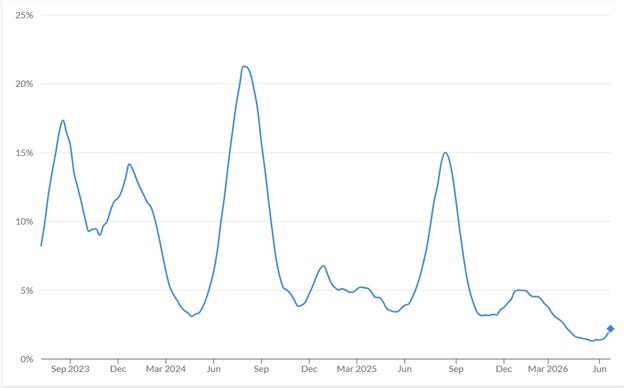
Very small signs of Covid-19?
Every
summer, the U.S. sees a Covid-19 wave, and this year should be no
different, though the big question is how large it will get. Each year’s
summer wave has been smaller than the last, and I hope it eventually becomes a blip.
Nationally,
wastewater levels are extremely low, among the lowest we’ve seen in a
very long time. But movement is starting in Southern states, and
emergency department visits there, while still low, are beginning to
climb. This is typically where the summer waves begin.
We’re in week 3 of the World Cup, and no major outbreaks are tied to the games other than heat-related illnesses.
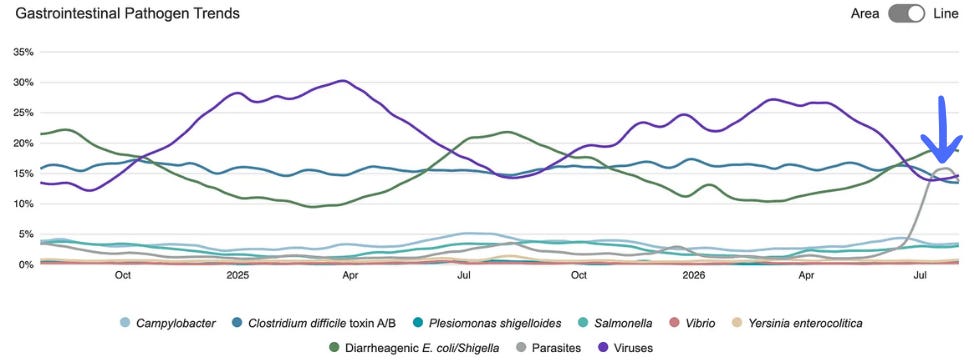
The
YLE team detected increased chatter on social media about unidentified
cold-like illnesses, including reports of a sharp sore throat, body
aches, cough, headache, and fever. Some viruses do peak at this time of year, such as parainfluenza. (See the yellow line below.)
Source: CDC; Annotated by Hannah at Your Local Epidemiologist
When the Health Security Operations Center looked into it using a more advanced wastewater technique, another virus—called parechovirus—also showed a rapid increase.
This doesn’t have a common test in clinical or wastewater settings, so
it usually flies under the radar. Most people catch this virus in
childhood, and it is spread through close contact. It’s often mild, with
few or no symptoms, though it can cause cold-like symptoms. It’s most
severe for infants, where it can rarely cause meningitis.
What this means for you: If
you’re feeling crappy, it may be one of these viruses, and the normal
tests at a doctor’s office will come up negative. For most healthy
people, both are mild and clear up on their own. Rest and drink plenty
of fluids. And, as always, call your physician with questions.
—Julia Tellerman, YLE epidemiologist at the Health Security Operations Center.
Spotlight: Military flu outbreak follows a vaccine requirement policy change
You’ll
notice the flu didn’t appear in the disease weather report above. Yet a
flu outbreak has hit the military just weeks after a policy change made
vaccination optional for active-duty service members. Nearly 300 at a boot camp are now sick.
How is a flu outbreak during summer possible? And is it truly because of the policy change?
What is unfolding at these training camps is essentially a combination of bad luck after a risky policy:
Flu never disappears.
A big June outbreak is unusual, but flu doesn't vanish in summer; it
just drops to very low levels. Wastewater for Flu A is essentially zero
right now, with only sporadic Flu B. But a spark is possible.
Once it sparks, the environment plays a big role. And this is a unique environment.
Spread comes down to a few things: environment (human behavior),
weather (cold, dry air), and the usual unknowns. Recruits live, eat,
sleep, and train in tight quarters around the clock, so even with summer
weather working against it, the virus has room to move. Epidemiologists
have watched flu burn through summer-camp dorms for exactly this
reason. Wider community spread is unlikely, though: the weather is
wrong, school is out (students are a major driver of transmission), and
recruits confined to base have little outside contact.
Policy impacts behavior. The
general public doesn’t get vaccinated this time of year, since there’s
generally not much flu to vaccinate against. But basic training is the
exception: according to veterans, recruits are vaccinated on arrival,
regardless of the month. After the requirement was dropped,
only about 40% of new recruits chose the shot, down from near-universal
coverage before (roughly 99% in the Navy, Air Force, and Marines, and
about 98% in the Army). We don’t know whether this outbreak was caused by the same flu strains the vaccine covers.
Dropping the flu vaccination requirements is a scientifically and economically
risky decision. The requirement had been in place since the 1950s for
one simple reason: military readiness depends on keeping troops healthy
and in the field. Remember, the Spanish flu took as many American lives
in the barracks as battle did in WWI.
So, did this outbreak dent readiness?
This is important because it’s one of the rationales for a requirement.
This is where a denominator would help, and I haven’t found one
reported publicly. Three hundred sick out of 400 means basically the
whole base went down, which is bad for preparedness. The same 300 out of
6,000 is under 3%, which seems more manageable.
The
vaccine requirement was quietly reinstated last week. This is the right
call, as this outbreak foreshadows the possibility of an outbreak
affecting all troops during the actual flu season. That certainly would impact military readiness.
As epidemiologists say: Bugs have ears.
Good news
Medicare gets access to reduced-price GLP-1s. Starting Wednesday, some Medicare recipients will be able to get the drugs for a $50-a-month co-payment. Here are the criteria. The coverage is only for a temporary trial period, set to expire at the end of 2027.
Naloxone options expand. The
FDA approved another over-the-counter nasal naloxone. More options on
the shelf mean more competition, lower prices, and easier access to a
medication that can reverse an opioid overdose in minutes. Wider
availability saves lives.
A new mRNA flu vaccine.
Remember that flu vaccine that RFK Jr.’s FDA said they wouldn’t review
and then, after immense backlash, reviewed again? Well, we got exciting
news: the external FDA advisory panel voted 9-0 to back Moderna’s
mFlusiva (mRNA-1010), set to be the first mRNA-based seasonal flu
vaccine in the U.S. In a trial of over 40,000 adults aged 50 and older,
it cut symptomatic flu by about 27% compared with a standard shot, with a
bigger effect on hospitalizations and immune responses than even the
high-dose senior vaccine. With a final FDA decision expected by August
5, it could be available for the 2026–2027 season.
But there’s a major wrinkle.
The U.S. has no functioning ACIP, due to ongoing legal battles between
the American Academy of Pediatrics and RFK Jr. So while the FDA may call
it safe and effective, no one is in place to set policy on who gets it
and when. That likely means Americans won’t have access to this vaccine
this fall, but it’s worth following closely.
Question grab bag
Any truth to the study that DEET might attract mosquitoes?
There is no evidence DEET intrinsically attracts mosquitoes. A recent 2026 lab study
showed that they can be conditioned to associate fading DEET with food,
prompting many headlines. This associative learning from mosquitoes is
fascinating, but the number of times a mosquito feeds over its natural
lifespan is in the single digits (3-5ish, depending on species). There
has also been some research suggesting that a single mosquito species
may become somewhat desensitized to it over time.
The
practical takeaway remains the same, though: keep using DEET and reapply
regularly. It remains one of the most effective preventive measures we
have against mosquitoes, and we are enterinig mosquito-borne illness
season.
—Dr. Marisa Donnelly, YLE NY correspondent, trained in mosquito-borne illnesses.
Bottom line
Heat
is the immediate health threat this week, so start there (check your
zip code). But the bigger takeaway is that the public’s health suffers
when systems quietly stop doing the boring things that keep us safe.
Love, YLE
Your Local Epidemiologist
(YLE) comprises a team of experts, ranging from physicians to
immunologists to epidemiologists to nutritionists, working together with
one goal: to “translate” ever-evolving public health science so that
people are well-equipped to make evidence-based decisions. The YLE suite
of newsletters reaches over 475,000 people across more than 132
countries.