----------------------------------------------
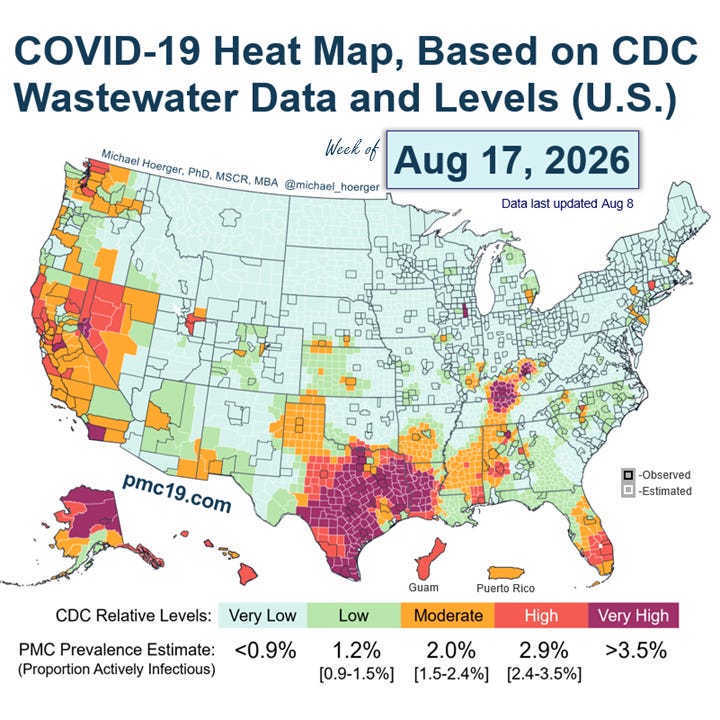
The summer COVID wave has arrived, especially in the West and the South, as seen by increasing levels of SARS-CoV-2 virus in wastewater. We are starting from a lower baseline of COVID in wastewater with this wave.
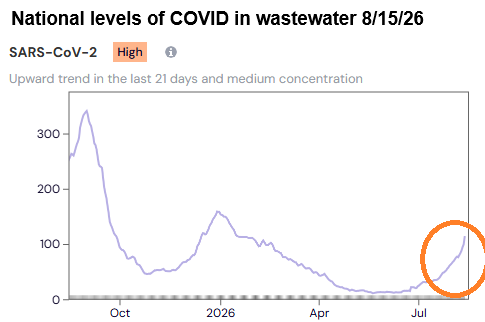
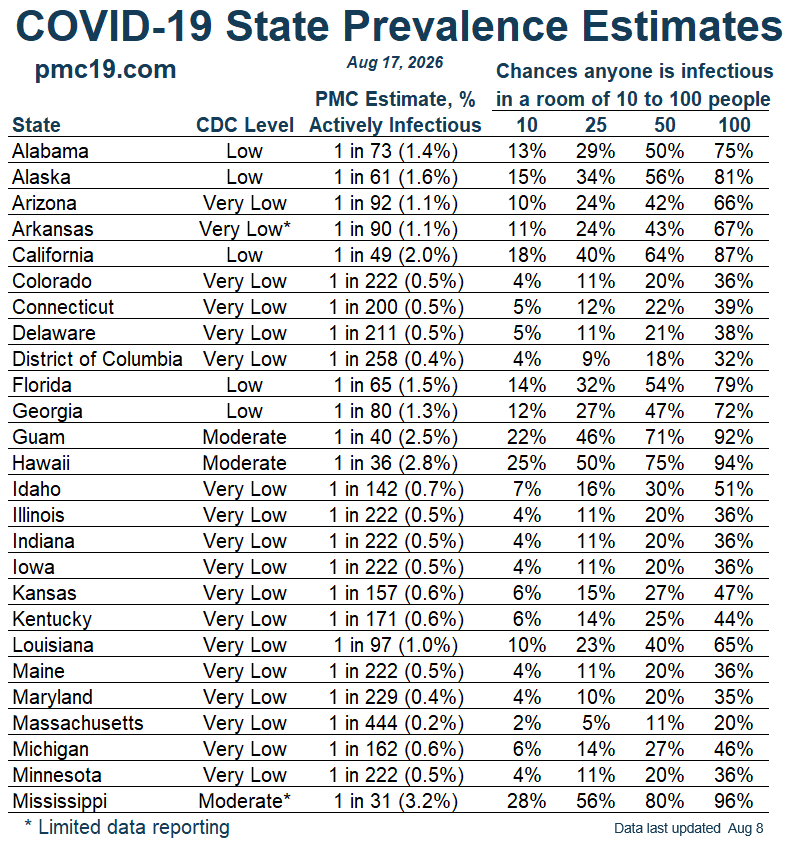
Nationally, Emergency Department visits for COVID are very low, but are now increasing. Mike Hoerger estimates that on 8/8/26, every 1 in 144 people were infectious with COVID nationally, but there are hot spots, especially in the West and the South, where more people are sick with COVID now. For example, Dr. Hoerger estimated that as of 8/8/26, every 1 in 49 people in California were infected with COVID, although wastewater levels have increased since then.
The highest reported level of COVID in wastewater 8/16/26 on WastewaterSCAN was in Anchorage, AK where levels were an astronomical 10,450 PMMoV. New Orleans was at a whopping 862 PMMoV, Honolulu HI is at 382, Oceanside San Francisco at 351, San Rafael CA at 335, Pascagoula MS at 329 and Oakhurst NJ at 283 PMMoV.
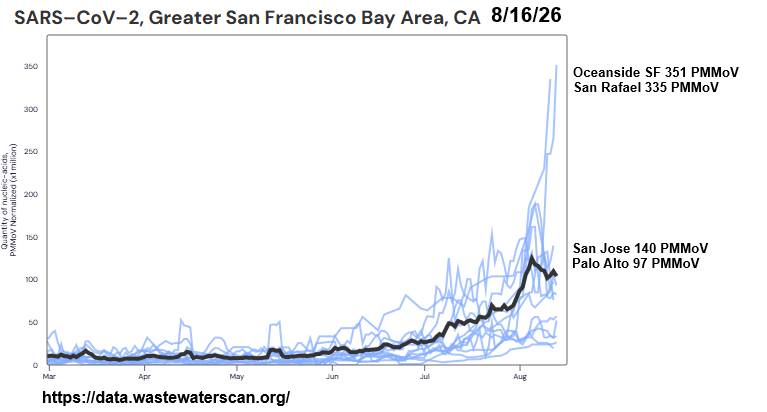
KQED warns “Yes, That ‘Summer Cold’ Really Might Be COVID (Again). What to Know About Bay Area Viral Levels.”
Acute COVID infections, General COVID info
Divergent responses to SARS-CoV-2 infection reveal brain resilience-associated astrocyte programs in centenarians | Stem Cell Reviews and Reports Preprint 8/12/26
Scientists generated brain astrocytes from iPSC stem cells made from blood samples of centenarians (≥100 years) who had mild COVID and from younger adults under 45 who had critical illness. When infected with SARS-CoV-2, the centenarian astrocytes better controlled inflammation and showed fewer stress related protein changes, suggesting their astrocytes carry built in resilience against severe viral damage.
Vaccines
COVID vaccination may have prevented more than 4,000 deaths in one Washington county | CIDRAP 8/13/26
A new study shows that COVID vaccination may have prevented 20,000 severe outcomes and more than 4,000 deaths in one county in Washington state.
Antiviral treatments
The monoclonal antibody VYD2311 potently neutralizes dominant and emerging SARS-CoV-2 variants | JCI Insight 8/11/26 (David Ho’s lab)
Researchers from David Ho’s lab at Columbia University demonstrated in vitro that the monoclonal antibody VYD2311 from Invivyd successfully neutralized all seven recent SARS-CoV-2 variants evaluated, including XFG, NB.1.8.1, and BA.3.2.2. Across all variants tested, VYD2311 achieved neutralization at substantially greater potency than pemivibart (Pemgarda).
Organoid-based evaluation of [monoclonal antibodies] SA55 and Pemivibart against evolving SARS-CoV-2 variants | Emerging Microbes & Infection 8/3/26
Researchers from the University of Hong Kong tested two monoclonal antibodies against current SARS-CoV-2 subvariants in nasal organoids, finding that Pemivibart, the only FDA authorized antibody currently in use under Emergency Use Authorization, has lost 60 to 80 times its effectiveness against the XFG and KP.3.1.1 subvariants. Monoclonal antibody SA55 has retained strong potency and when delivered topically reduced SARS-CoV-2 viral load by more than 1,000 fold, suggesting it may offer a more durable option as the virus continues to evolve.
Long COVID
Multiomic and Spatial Profiling of Colorectal Tissue Reveals Viral Persistence and Immune Dysregulation in Long COVID | BioRxiV (UCSF) 8/10/26
An important new UCSF study of colorectal biopsies and blood from 44 people with Long COVID and 13 recovered controls found lingering SARS-CoV-2 RNA in 27% of Long COVID patients’ gut biopsies versus 7.7% of controls. The gut tissues with the viral remnants showed a skewed immune response with active innate inflammation, yet blunted adaptive clearance pointing to viral reservoirs that the immune system can sense, but cannot eliminate. The researchers identified 240 significantly altered genes in colorectal tissue biopsies, but only three in matched peripheral blood immune cells, suggesting that the pathophysiology of Long COVID may be compartmentalized within tissues and not within the blood.
Since the gastrointestinal tract is 25 to 30 feet long, random biopsy sampling may have missed areas of infected tissue in some patients. Small intestinal tissue turns over very quickly, so any virus seen on gut biopsy would most likely be related to a recent SARS-CoV-2 infection or seeding of the bowel.
The findings of this study support that in order to rid the body of viral reservoirs in gastrointestinal tissues in people with Long COVID, treatments may need to target both the persistent virus (with antivirals) and the immune dysfunction within tissues (with immune boosting medications).
Explainer article:
New Study Reveals Substantial Tissue-Level Immune Dysfunction Near Persistent Viral Reservoirs in Long COVID | PolyBio Research Foundation 8/11/26
It appears that there may be viral reservoirs of SARS-CoV-2 along the gastrointestinal tract in people with Long COVID that the immune system can see, but cannot eliminate. Using antiviral medication together with medications to boost immune response may be needed to help clear Long COVID.
Virus reactivation in acute and long COVID-19 | Nature (Melamed) 8/5/26
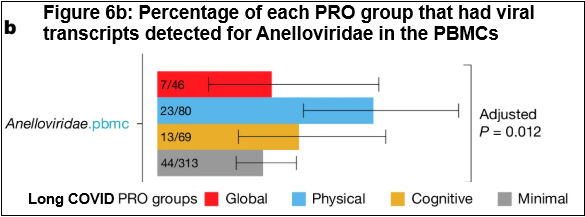
A large IMPACC cohort study (1,154 hospitalized COVID-19 patients) found widespread reactivation of herpesviruses (EBV at the time of hospitalization and CMV a few weeks later) and Anelloviruses during acute COVID illness, tracking with severity and inflammation, even in immunocompetent patients. Reactivation persisted into convalescence, and Anellovirus transcripts were linked to Long COVID fatigue and physical disability, suggesting a possible biomarker.
Explainer article: COVID-19 can wake up dormant viruses in the body, large study confirms | Science 8/5/26
VSL#3® supplementation improves fatigue in long COVID: results from the DELong#3 randomized placebo-controlled trial | British J of Biomedical Science 7/27/26
Fondazione IRCCS Ca’ Granda in Milan enrolled 48 Long COVID patients in a randomized, placebo controlled trial finding that four weeks of high dose VSL#3 probiotic supplementation reduced fatigue in 68% of participants compared to 35.7% in the placebo group. Patients who responded to treatment also demonstrated measurable changes in gut microbiota composition and immune signaling markers.
👁️Subclinical neurovascular and immune correlates of post-COVID-19 syndrome detected by retinal imaging | Brain, Behaviour & Immunity- Health 8/6/26 “October 2026”
Researchers from Munich studied 128 participants and found that individuals with Long COVID showed measurable thinning of retinal nerve fiber layers alongside reduced macular volume compared to controls. Elevated levels of MCP-1, a protein associated with ongoing inflammatory activity, were specifically correlated with reduced thickness in the inner retinal layers, suggesting a detectable biological signature of post-COVID neurological involvement visible through eye imaging.
💪Persistent neuromuscular dysfunction in long COVID: A quantitative and single fiber EMG follow-up study | Clinical Neurophysiology 8/5/26
Danish scientists followed 50 Long COVID patients over approximately 1.4 years and found that myopathic EMG abnormalities dropped from 78% to 18% of participants. However, 56% of patients continued to show abnormal single fiber EMG (SFEMG) results alongside persistent fatigue, indicating that measurable neuromuscular dysfunction had not resolved even as some electrical markers improved. “Although SFEMG abnormalities persisted in the majority of patients, 40% showed normalization of objective neurophysiological parameters despite unchanged subjective fatigue symptoms, highlighting the discrepancy between electrophysiological recovery and patient-reported outcomes.”
🧠Identifying EEG biomarkers of fatigue and brain fog in long COVID: insights from rest and movement-related brain activity | J Clin Neurosci “Nov 2026” (8/12/26)
McGill University researchers studied 40 participants (20 Long COVID participants with fatigue, brain fog, and post-exertional malaise (PEM) vs. 20 age and sex-matched controls) and found a Long COVID signature on EEG. People with Long COVID displayed a reduced beta wave rebound following movement and a slower alpha rhythm at rest in the sensorimotor cortex, both of which signal compromised neural inhibition. These brain activity patterns corresponded directly to greater severity of fatigue and cognitive impairment in affected individuals.
🧠Long COVID affects working memory: assessment using a single rapid online test | Frontiers In Human Neuroscience 7/22/26
University of York scientists studied 1,064 participants and found that a Long COVID diagnosis was the single strongest predictor of reduced working memory performance. Patients who had been formally diagnosed with Long COVID scored lowest overall, and those who had experienced more SARS-CoV-2 infections showed progressively worse memory outcomes within that group.
🧠Neuropsychological consequences three years post-covid-19 are persistent and have great impact on everyday activities | Journal of Rehabilitation Medicine 8/3/26
Researchers from the University of Gothenburg followed 82 individuals recovering from COVID, with 59 completing testing at the three year mark. Standardized assessments showed ongoing impairments in attention, processing speed, and working memory, and 78% of participants still scored above the threshold for mental fatigue. These deficits pose substantial barriers to daily functioning and return to work, highlighting the need for targeted rehabilitation strategies.
🫀Changes in Subclinical Biomarkers of Myocardial Injury and Inflammation and SARS-COV-2 Serological Analyses in a Cohort of Community-dwelling Adults | Nature Preprint 7/29/26.
Johns Hopkins scientists tracked 607 adults and found that those with prior SARS-CoV-2 infection showed significantly greater increases in NT-proBNP, a biomarker indicating stress on the heart walls, over a six-month follow-up period. This elevation in cardiac strain was observed even among individuals who had experienced mild or asymptomatic infections, raising questions about cardiovascular consequences beyond severe hospitalized cases.
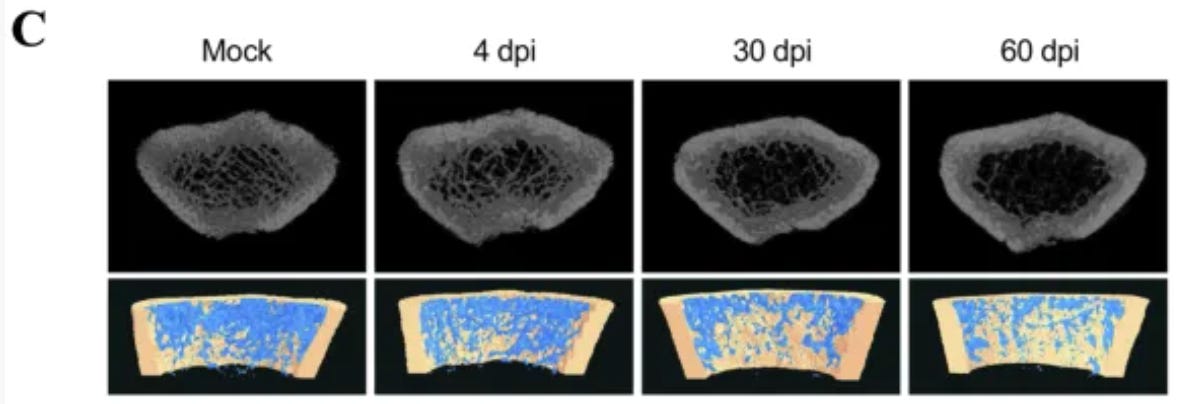
🦴Multiscale bone remodeling in COVID-19: from osteoimmune signaling to structural and mechanical impairment | Frontiers in Bioengineering and Biotechnology 7/21/26
Researchers at Politecnico di Milano reviewed emerging evidence on COVID and bone health. SARS-CoV-2 can weaken bone through both direct effects, such as inflammatory activation of bone-resorbing cells, and indirect pathways, including renin-angiotensin system disruption, corticosteroid exposure, and prolonged bed rest. Findings included reduced bone density, altered microarchitecture, and disrupted osteocyte signaling.
Effects of SARS-CoV-2 infection on femoral trabecular bone parameters in animal models: C) Time-course micro-CT imaging at 4-, 30-, and 60-day post-infection (dpi) illustrates progressive deterioration of trabecular structure in femur bone.
From: https://www.frontiersin.org/journals/bioengineering-and-biotechnology/articles/10.3389/fbioe.2026.1812439/full
COVID-19 Associations With Thyroid Disease in Active-Duty Service Members: A Retrospective Cohort Study | Military Medicine 8/6/26
Uniformed Services University analyzed data from 687,531 matched adults and found that COVID infection was linked to a significantly elevated risk of newly diagnosed thyroid disease. Among active duty military personnel specifically, the hazard of developing thyroid conditions rose by 48%, with diagnoses typically appearing five to six months after infection.
Measles
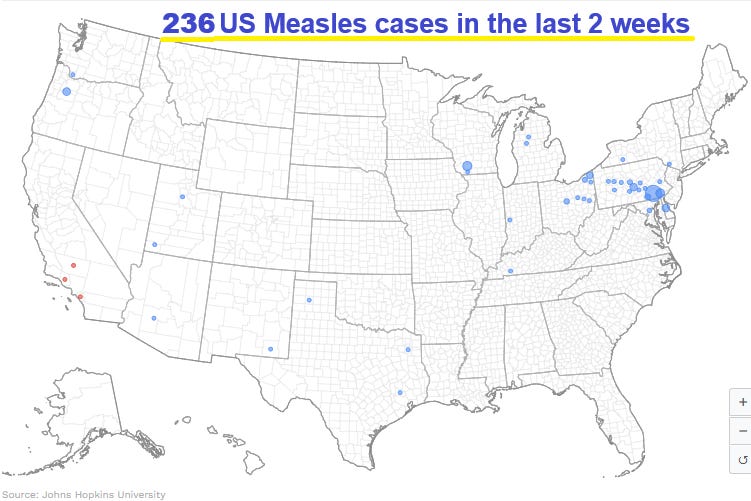
As of August 13, 2026, 2,566 confirmed measles cases were reported in the United States in 2026.
Johns Hopkins US Measles Tracker:
Ebola in Democratic Republic of Congo (DRC)
8/14/26 RDC update: “To date, 4,843 confirmed [Ebola] cases have been recorded. 777 patients are currently in isolation or hospitalized, 1,006 people have been cured since the start of the epidemic, and 2,272 deaths have been recorded. The case fatality rate stands at 46.9%, while the contact tracing rate reaches 83.2%.”
DR Congo Ebola outbreak on track to be largest in history | CIDRAP 8/12/26
WHO Director-General Tedros says DR Congo’s Ebola outbreak is on pace to surpass the 2014-16 West African outbreak, which killed over 11,000 people. WHO reports 4,449 confirmed cases and 2,061 deaths across five provinces in the current outbreak. Most deaths occur in the community, signaling unknown transmission chains and incomplete contact tracing, now at around 80%.
Cyclosporiasis
According to YLE, nationwide Cyclosporiasis cases have topped 20,000 this year, likely making this the largest foodborne outbreak on record, with counts still rising as Michigan investigators clear a case backlog. The contaminated lettuce appears cleared from circulation, though, as test positivity and emergency department visits have both declined sharply.
Salmonella in Jalapeños
A Salmonella outbreak linked to fresh jalapeños from Sinaloa, Mexico has sickened 345 people across 27 states, with 36 hospitalized and two antibiotic-resistant cases. Salmonella causes diarrhea, fever, and stomach cramps. Symptoms start 6 hours to a few days after eating contaminated food and may last for 4 to 7 days. Chipotle, Qdoba, and several prepared-food brands have recalled affected products. It may be best to avoid purchasing jalapenos, and associated foods like fresh salsas, until this salmonella outbreak is under control.
Government Health News
Trump wants MMR vaccine split up: the science behind why it’s a bad idea | Nature 8/12/26
As measles outbreaks grow across the United States, President Trump issued an executive order on 8/10/26 pushing states to recommend splitting the MMR vaccine into three separate shots at separate appointments, an option which is not even currently available. Years of evidence have confirmed that the MMR vaccine is safe and effective as given.
Splitting the vaccine would mean more doctor visits, and studies show this lowers full vaccination rates, especially among lower income families, leaving those communities more vulnerable. The order will not actually change CDC recommendations or, likely, insurance coverage. Its main effect will be to sow further confusion about vaccines.
“USAID funding has significantly contributed to the reduction in adult and child mortality across low-income and middle-income countries over the past two decades. Our estimates show that, unless the abrupt funding cuts announced and implemented in the first half of 2025 are reversed, a staggering number [14 million additional deaths, including 4.5 million children] of avoidable deaths could occur by 2030.”
Other news
UK records hottest day of the year as fifth heatwave reaches 38.1C [100.6F] peak
Diagnosis of Celiac Disease | JAMA 8/12/26
“JAMA Insights: For selected patients with Celiac Disease, serology may support diagnosis, but biopsy remains important for patients with immunoglobulin A deficiency, alarm symptoms, or certain autoimmune or chromosomal disorders.”
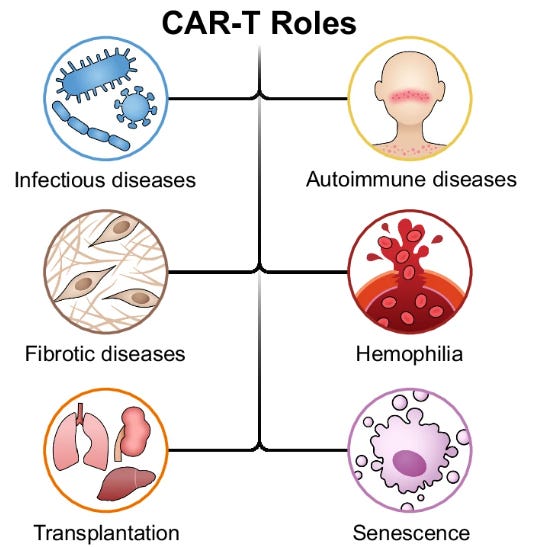
CAR T cell therapy beyond cancer: current status, challenges and future prospects | Signal Transduction and Targeted Therapy 8/11/26
Researchers are investigating whether CAR-T cell therapy can be repurposed to eliminate two categories of disease sustaining cells: viral reservoir cells that harbor latent infections and autoreactive B cells or plasma cells that drive autoimmune conditions. The goal is a lasting biological reset of the immune system rather than ongoing symptom management.
Antigen presentation at the blood–brain barrier amplifies neuroinflammation | Trends in Immunology 8/6/26
A review from UCSD shows that inflamed blood vessels in the brain can display antigens directly to CD8 T cells, extending the duration of contact between those immune cells and the blood–brain barrier and causing barrier damage in the process. This mechanism appears to stoke existing neuroinflammation rather than initially trigger it.
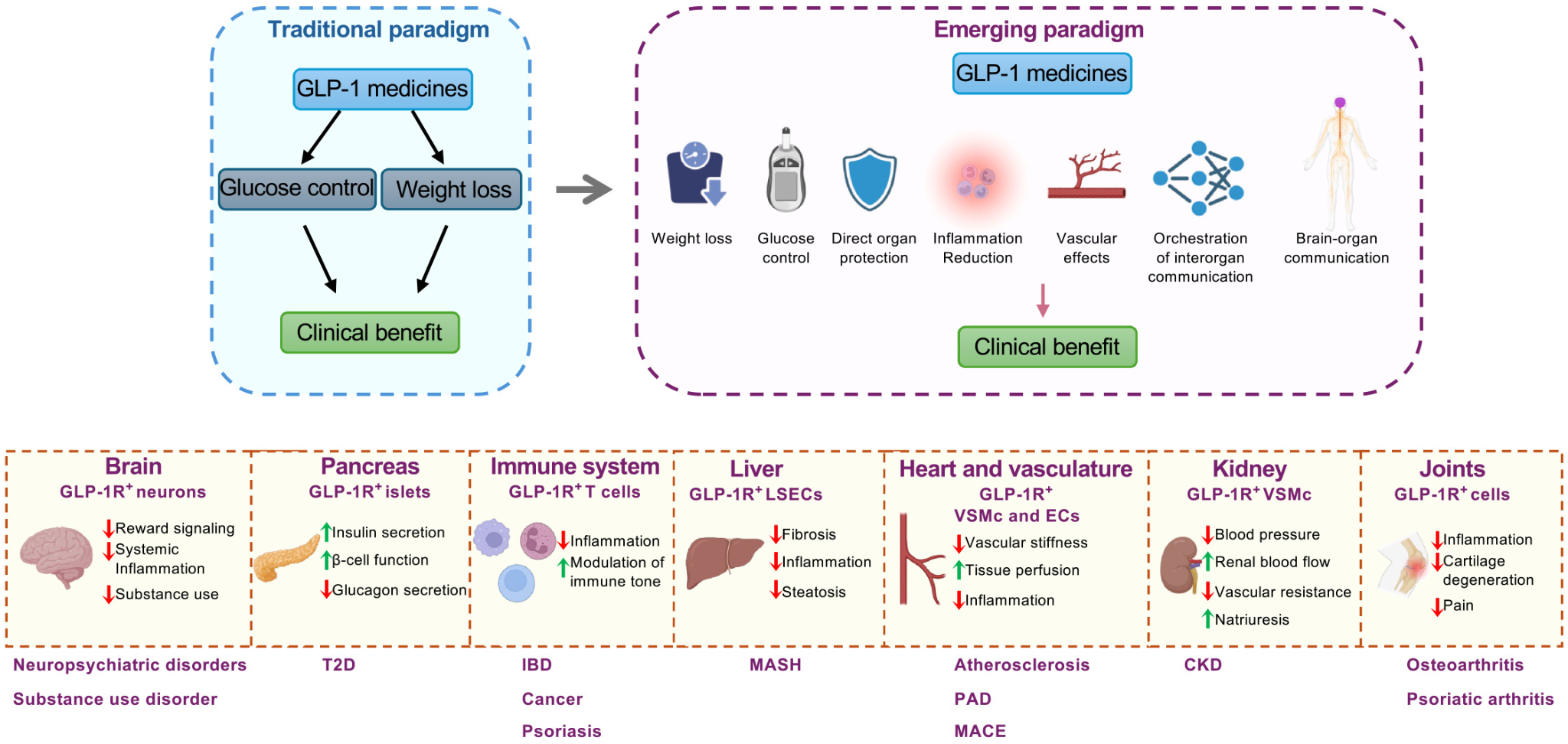
Weight-loss-independent actions of GLP-1 medicines | Cell Metabolism 8/4/26
A new Cell Metabolism study reveals that GLP-1 receptor agonists deliver measurable benefits to the heart, liver, kidneys, blood vessels, and immune system through direct biological pathways that operate separately from any reduction in body weight. These medicines appear to activate neural circuits, local organ receptors, and cross-organ signaling networks that collectively improve glucose regulation, blood pressure, and inflammatory responses across multiple body systems.
From: https://www.cell.com/cell-metabolism/fulltext/S1550-4131(26)00279-2
Vaccines to intercept colon cancer before it takes root are in the testing stage | LA Times 8/13/26
Scientists at MD Anderson Cancer Center and sites in Britain are testing vaccines designed to intercept colon cancer in people with Lynch syndrome, an inherited mutation affecting about 1 million Americans, before tumors form. Three candidate vaccines are in early trials, with a larger study expected to begin next year.
Fecal microbiome transplant in food allergy in humans and mice identifies a role for bile acid metabolites in oral tolerance | Science Translational Medicine 8/5/26
A clinical study of 15 peanut allergic adults found that fecal microbiome transplants (FMT) enabled 6 participants to tolerate greater peanut exposure than before treatment. Mechanistic work in mice revealed that Bacteroides species drive bile acid metabolism to elevate regulatory T cells, and this pathway was necessary for the observed protection against allergic response.
‘It just makes sense!’: 13-year old builds 3D printed wheelchair for 21 month old girl | ABC4 8/4/26
Thirteen year old Zac Waters of Lehi, Utah spent 300 hours this summer designing, 3D printing, and assembling a custom wheelchair for a 21 month old girl, using a design from the nonprofit MakeGood. The chair features pink accents, a removable tray table, and adjustable straps and footrest for comfort as she grows.
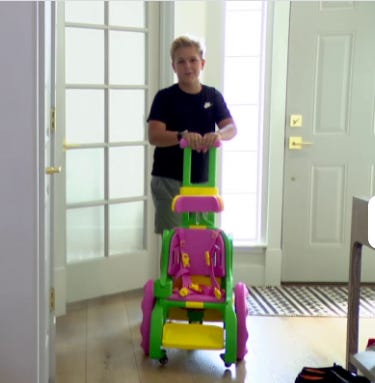
Photo by ABC4
Have a good week,
Ruth Ann Crystal MD


.jpg)
No comments:
Post a Comment