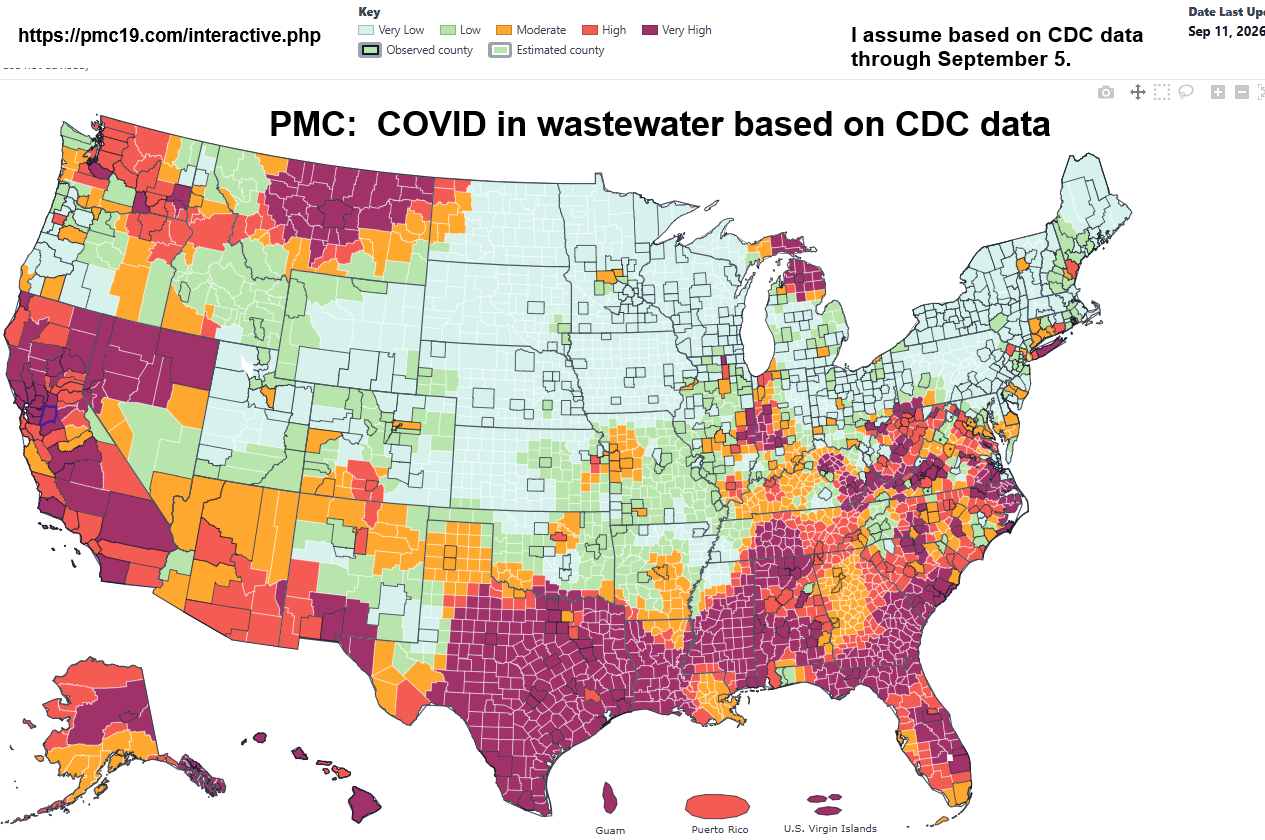
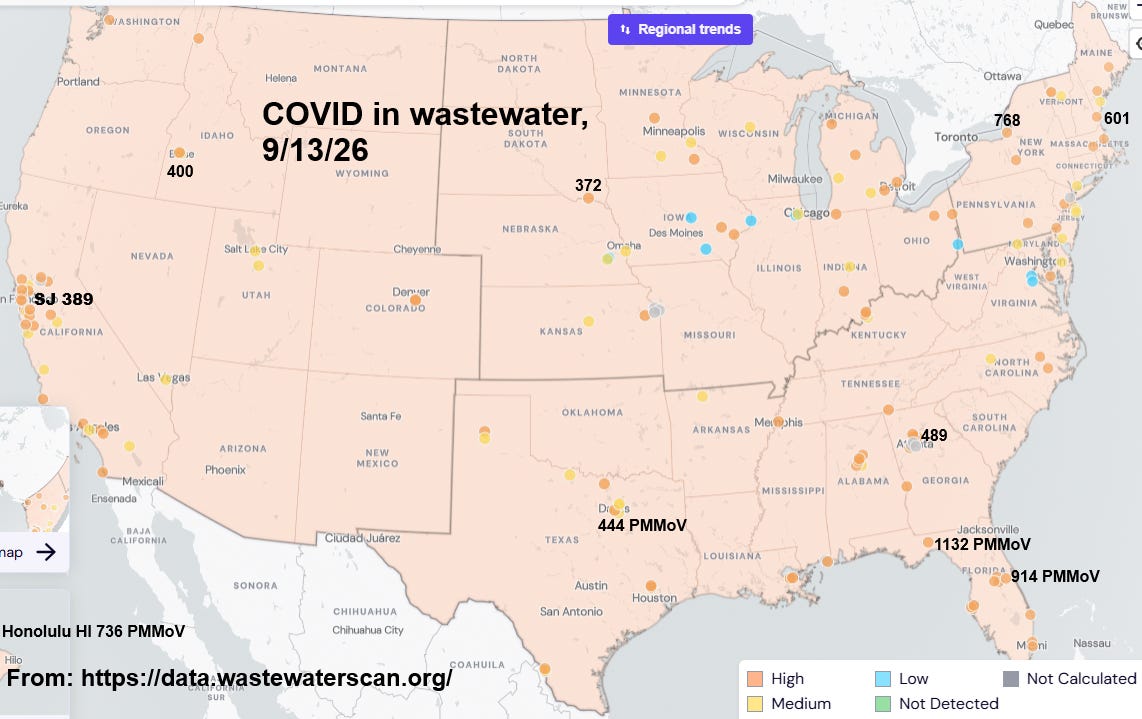
At least one in eight American has COVID now, and that's the largest figure I've seen a while. And yet, I see very few masks, even in my doctors' offices. Last week a woman in the doctor's waiting room was coughing loudly into the air, one of those awful phlegmy coughs, and of course she wore no mask. I was very thankful I was wearing mine!
-----------------------------------
PJ.2.1,Huge declines in learning across OECD countries, Norway doctors see 3x children with memory problems, Serum Cu/Zn ratio and Long COVID, 3rd Pennsylvania measles death, Psilocybin prevents CIPN.
As this late summer COVID wave continues, Mike Hoerger posted on September 7 that overall 1 in 86 Americans was infected with COVID, but I expect that number to be even higher based on new CDC data that came out on Friday September 11. The peak of this wave should be soon.
You can find out specifics for your county at https://pmc19.com/interactive.php. For example, in Santa Clara and San Mateo counties, about 1 in every 30 people infected with COVID as of September 5. As of today, WastewaterSCAN shows that San Jose wastewater shows 389 PMMoV of COVID which is quite high.
Variants
PJ.2.1 is a new COVID variant being watched. Yunlong Cao’s new preprint shows that PJ.2.1 has higher ACE2 binding, but it does not (yet) have increased immune evasion to antibodies from prior infections and vaccines. The strength of its binding mirrors BA.2.86 which picked up mutations to become JN.1. According to Stefan Pöhlmann, “The earliest known PJ.2.1 lineage appears to trace back to Ontario, Canada. It has subsequently been detected at multiple sites in the US and, more recently, in the UK, Singapore and Spain.”
Stefan Pöhlmann believes that the new 2026-2027 COVID vaccines recently deployed in the US and in Europe should protect against PJ.2.1 based on the findings in the recent preprint from Yunlong Cao.
Increased receptor binding capability of the SARS-CoV-2 saltational variant PJ.2.1 | BioRxiV (Yunlong Cao) 9/8/26
Acute COVID infections, General COVID info
Associations between self-reported SARS-CoV-2 infections and the diagnosis of new health conditions | Canada Communicable Disease Report | 9/2026
The Public Health Agency of Canada analyzed 8,809 adults and found that experiencing two or more SARS-CoV-2 infections was associated with 76% greater odds of receiving a new medical diagnosis, including approximately five times the odds of a new respiratory condition. This was an observational study identifying statistical associations, not evidence of direct causation.
Interferon redundancy counteracts proteolytic inactivation by SARS-CoV-2 3CL main protease | bioRxiv 9/9/26
UBC researchers found the COVID virus’s 3CLpro enzyme cuts up and disables Interferon Lambda 1 (IFN-λ1), an antiviral alarm signal, blocking STAT1 signaling and downstream antiviral defense genes. A backup signal, IFN-λ2, stays functional and keeps antiviral protection active. Meanwhile, the body’s own matrix metalloproteinases (MMPs) enzymes can break down 3CLpro itself, striking back at the virus’s tool.
Pediatrics
From:
Children, Cognitive Impairment, and COVID
Reading scores plummet as ‘digital distraction’ harms students | Financial Times 9/8/26
This week, the PISA survey of school performance in OECD countries came out showing that the average 15 year old across OECD countries in 2025 was more than a year behind in math and reading from the average in 2018. FT said that “Widespread access to AI and social media has set back educational attainment across the world, study shows.”
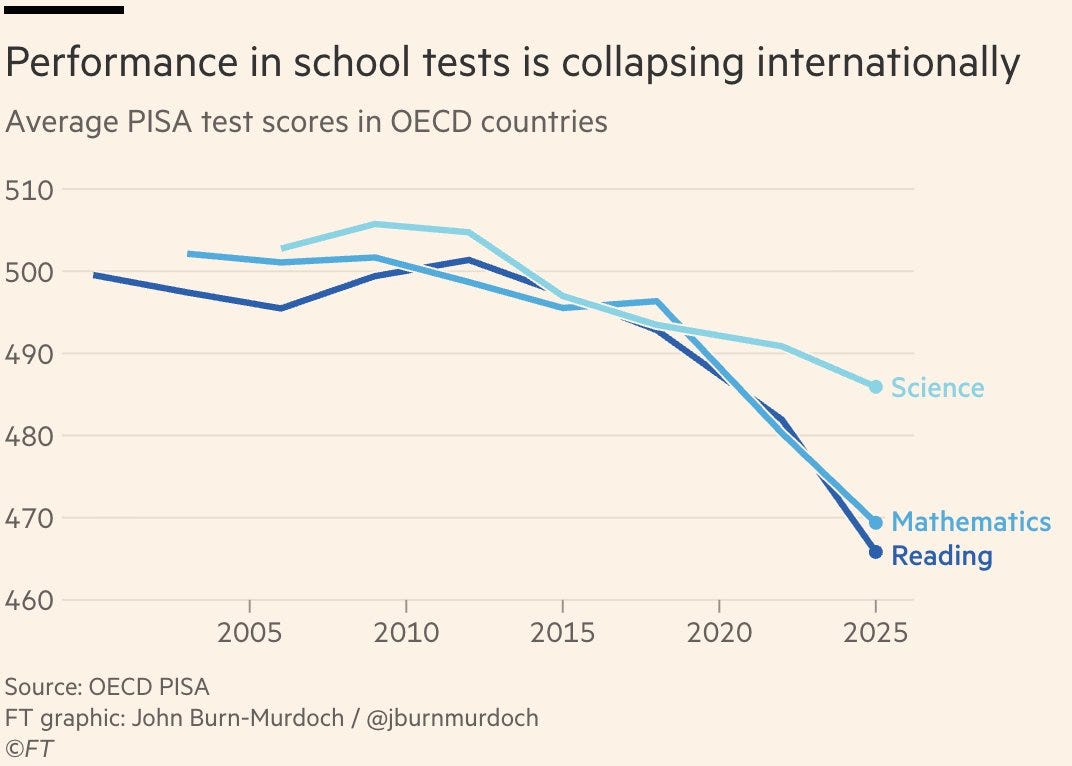
While distractions from social media and the use of AI may be causing some of the decline in school performance, the long-term effects of COVID infection on the brain should not be underestimated. People initially assumed that COVID infection was mild for children. But research is painting a different picture. MRI studies have found neuroinflammation in children’s brains following mild COVID infections. Other studies show neurodevelopmental delays in babies born to mothers who were infected during pregnancy. And research on school-aged children has linked COVID infection to significant academic decline.
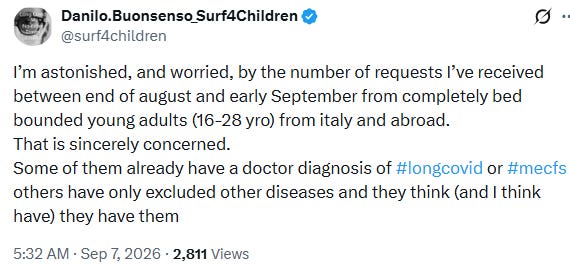
Several people on Twitter including Zdenek Vrozina on Twitter this week discussed findings from the Norwegian Institute of Public Health (FHI). Norwegian doctor visits for memory disorders more than doubled for all ages, while visits for memory problems nearly tripled among children aged 5–14 between 2019 and 2024. Researcher Richard Aubrey White links the rise to repeated COVID infections, citing upticks in doctor consultations after each COVID wave. More research is needed on this important subject.
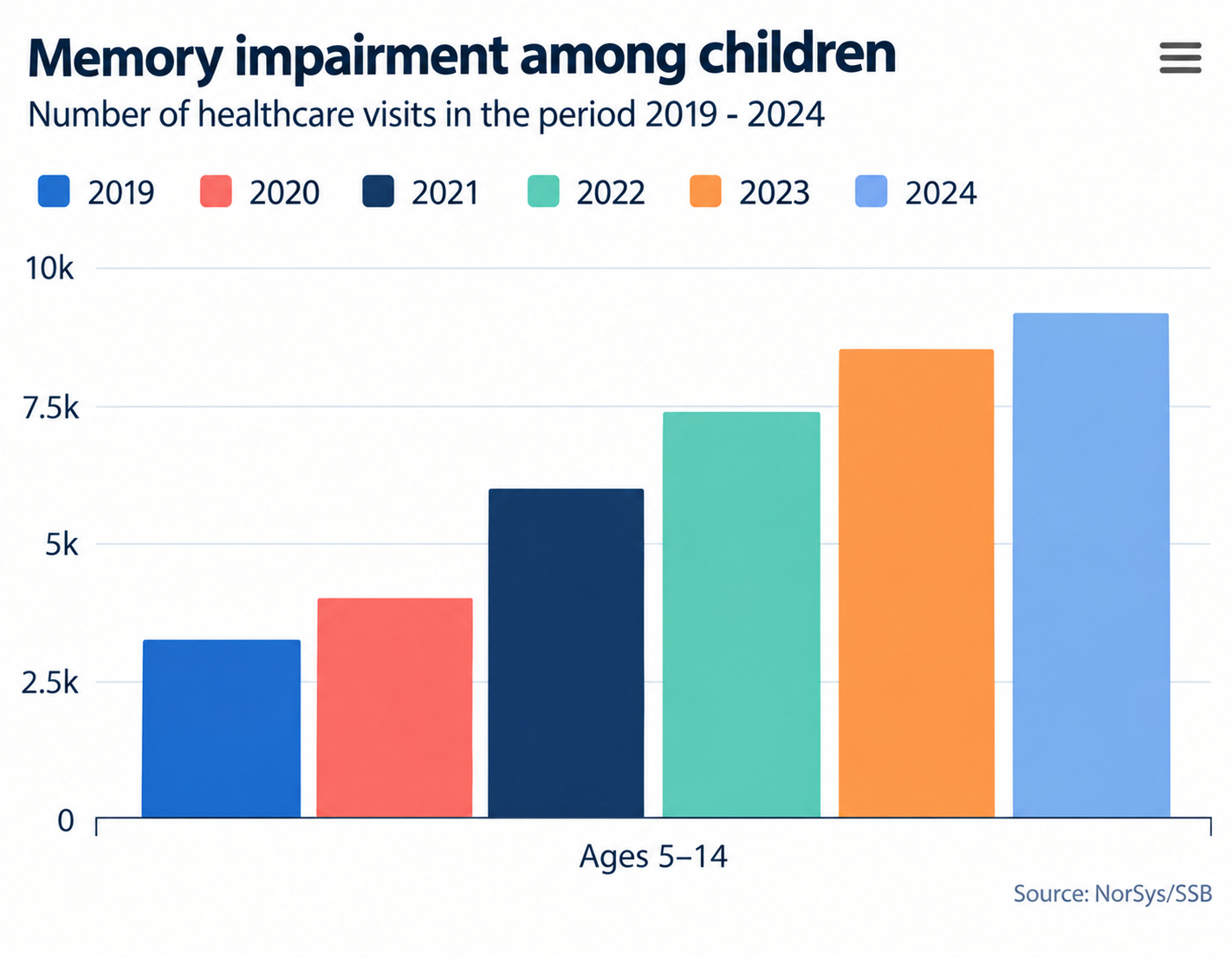
Translated from: https://www.nrk.no/buskerud/eksplosiv-okning_-barn-sliter-med-hukommelsen-1.17448953
Vaccines
CDPH Issues Immunization Recommendations for 2026-27 Respiratory Virus Season
The West Coast Health Alliance, which includes California, Washington, Oregon, and Hawaii, has issued recommendations for the 2026-27 season flu, RSV, and COVID immunizations based on evidence from groups like the AAP and ACOG rather than current federal guidance. The recommendations keep these vaccines covered by California health insurers.
COVID-19 vaccination around immune checkpoint inhibitor start and survival in a nationwide cohort of patients with cancer | Nature Medicine | 9/12/26
Sorbonne Université researchers analyzing 95,015 cancer patients in France found that mRNA or non-mRNA COVID vaccination before or after immune checkpoint inhibitor therapy was associated with modestly improved overall survival, concentrated primarily within the first few months of treatment.
Antivirals
Dr. Monica Verduzco-Gutierrez remarked on Twitter that Ensitrelvir (Xocova) is now available for post-exposure prophylaxis after COVID household exposure. Amy Mitchell pointed out that Shionogi states on their website that Ensitrelvir contains gluten which is very important for Celiac patients to know.

Long COVID
Case Report: Post-mortem Analysis of Long-Term Inflammation After Mild COVID-19 | Frontiers in Immunology | 9/12/26
A*STAR researchers in Singapore conducted post-mortem analysis on four male patients who died from accidents or from stroke in one case, and detected SARS-CoV-2 nucleocapsid protein within lung and heart macrophages more than 250 days after mild COVID infection, accompanied by sustained inflammatory signaling in tissue. Viral persistence of SARS-CoV-2 is not only found in people with Long COVID.
Distinct Cytokine Signatures and Antibody Neutralization Capacity Differentiate Post‐Acute Sequelae of COVID‐19 From Recovered Individuals Despite Comparable T Cell Responses | Journal of Medical Virology | 9/12/26
Scientists from Pune, India examined 67 people with Long COVID and 81 recovered controls and found that individuals with Long COVID showed significantly reduced SARS-CoV-2 neutralizing antibody activity compared to fully recovered individuals, even though both groups produced comparable levels of IgG antibodies and T cell responses.
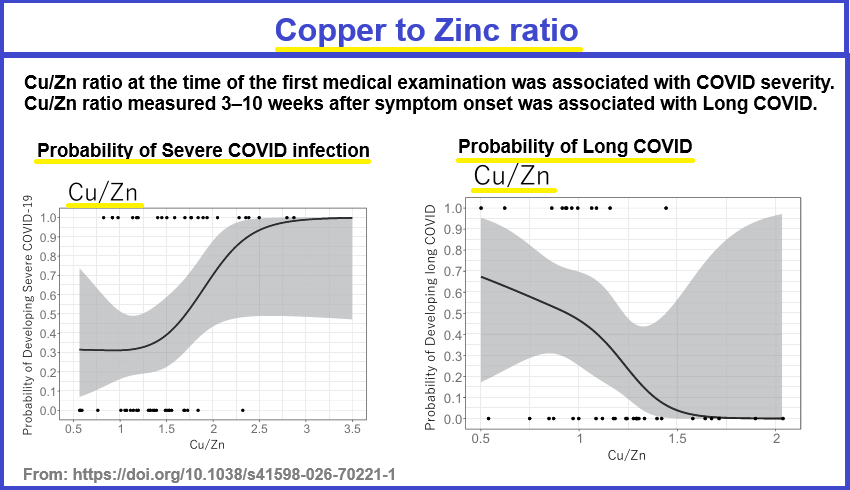
Serum Cu/Zn ratio is significantly associated with long COVID | Scientific Reports 9/9/26
Kobe University researchers studied 77 patients and found that a lower serum copper to zinc ratio measured 3 to 10 weeks after COVID infection was significantly linked to the development of Long COVID. Notably, the copper to zinc ratio behaved in the opposite direction during acute illness, pointing to distinct physiological mechanisms at different stages of the disease.
Clinical Phenotypes of Post-Acute Sequelae of SARS-CoV-2 (PASC) Infection: A Longitudinal Cohort Study from Karachi, Pakistan | MedRxiV 9/8/26
Pakistani scientists followed 60 people with Long COVID for a year, testing them at five time points: baseline, 3 months, 6 months, 9 months, and 12 months. SARS-CoV-2 RNA was found in stool in 56.7%, either intermittently or persistently. “Significant associations between fecal shedding and [Long COVID] symptoms emerged at 6 months, particularly breathlessness, fatigue, weakness, and joint pain.”
Intravenous immunoglobulin treatment for long COVID: a case report of clinical and immunological findings | The Lancet Infectious Diseases 9/9/26
https://www.thelancet.com/journals/laninf/article/PIIS1473-3099(26)00063-0/fulltext
Scientists from Rome documented a 39 year old male patient with severe Long COVID whose disabling fatigue, cognitive dysfunction, and autonomic symptoms resolved following high dose intravenous immunoglobulin therapy. Laboratory findings showed reductions in CD8 T cell monocyte complexes, interferon gamma, endothelial inflammation markers, and GPCR autoantibodies after treatment, though researchers did not establish causality.
Targeting the JAK/STAT pathway in chronic viral infections: opportunities and challenges for immunomodulation | Frontiers in Immunology 9/7/26
Scientists from Emory University (hi Boghuma Titanji!) reviewed the JAK STAT pathways in chronic viral infections. Baricitinib (Olumiant) is a JAK 1/2 inhibitor that is used to treat inflammation caused by rheumatoid arthritis, severe alopecia areata, and hospitalized cases of COVID requiring supplemental oxygen. A study from 2025 shows that peripheral blood mononuclear cells of people with Long COVID show persistent activation of the JAK/STAT pathway for a median of 28 months after infection. An ongoing clinical trial is testing baricitinib [Olumiant] to treat neurocognitive impairment and exercise intolerance in patients with Long COVID.
Why Do POTS and Long Covid Look So Much Like Autoimmune Disorders? | National Geographic 9/10/26
POTS and Long COVID may be driven by immune system dysfunction, in which the body’s own antibodies attack autonomic nerve tissue and impair regulation of heart rate and blood pressure, causing dizziness, tachycardia, and persistent fatigue.
Microvascular Dysfunction and Redox Imbalance in Long COVID | Microcirculation 9/10/26
Scientists from Poland studied microvascular function in 36 patients with Long COVID and 47 age-matched controls using Flow-Mediated Skin Fluorescence (FMSF) and they found that this tool can detect microvascular dysfunction that is associated with altered NAD+ metabolism in Long COVID. The depletion of NAD+ precursors combined with elevated concentrations of harmful NAD+ breakdown byproducts may sustain vascular and endothelial dysfunction long after acute infection resolves.
Effects of Viusid in Long COVID: A Randomized Double-Blind Placebo-Controlled Trial | Current Issues in Pharmaceutical Design Preprint 9/1/26
In a 210 day randomized double-blind placebo controlled trial of 200 Long COVID patients, Viusid (containing amino acids, vitamins, glycyrrhetinic acid from licorice, and malic acid) produced measurable improvements in cognitive impairment, fatigue, sleep quality, mood, and respiratory symptoms compared to placebo. The authors acknowledge that broader confirmation will require larger scale clinical trials.
Disabling Dynamics: Long Covid and the Challenges of Securitizing Slow-Onset Health Threats | Journal of Medical Humanities 9/7/26
London School of Economics researchers argue that US public health policy is structurally biased toward counting deaths rather than measuring disability. The authors contend that despite Long COVID potentially carrying a greater long term socioeconomic burden than the acute illness, its diffuse and disabling nature made it harder to frame as a crisis demanding immediate government action.
Opinion | Why Is No One Talking About Long COVID? | MedPage Today 9/7/26
USC Keck and UCLA researchers show that Long COVID has quietly become a significant driver of disability across the United States, with approximately 17 million American adults reporting the condition in 2024 and many additional cases likely going unrecognized or incorrectly diagnosed. The authors urge the CDC to establish a dedicated working group for Long COVID.
Post-Acute Sequelae of Non-COVID Infections
Post-Acute Sequelae of Non-COVID Respiratory Viral Infections: A Systematic Review | Respirology 9/9/26
Duke researchers analyzed 631,863 participants across 13 studies and found that influenza, RSV, and human metapneumovirus (HMPV) were associated with prolonged cardiovascular, pulmonary, and functional impairments lasting months after acute infection.
H5N1
Marc Johnson posted on Twitter that he tested a carton of milk from the store this week and it had >150 million copies of H5N1 per liter. Since the milk was pasteurized, the virus had been killed and was safe to drink. But, he warns, “DON’T DRINK RAW MILK”.
Measles
Pennsylvania woman dies of measles-related complications, Jefferson County Coroner reports | CBS 9/13/26
A 40 year old unvaccinated woman died of measles in Pennsylvania. This marks the third measles death in the state in the last few weeks.
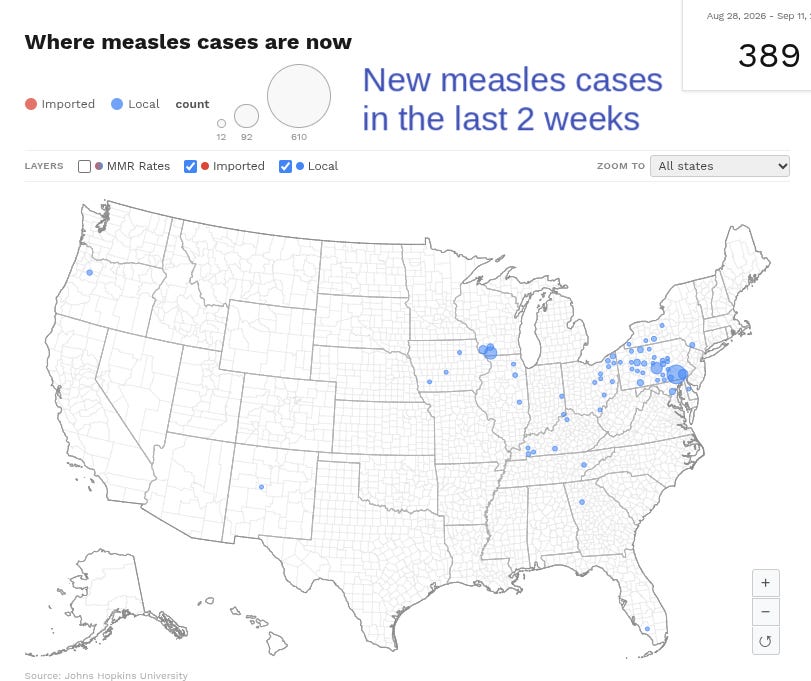
As of September 10, 2026, 3,294 confirmed measles cases were reported in the United States by the CDC in 2026.
Pennsylvania Public Health Measles Dashboard
Johns Hopkins US Measles Tracker shows new measles cases in the last 2 weeks:
Other news
Ectopic Pregnancy Deaths Have Nearly Doubled. It’s Worse in States With Abortion Bans. | ProPublica | 9/10/26
A ProPublica analysis of CDC data found nearly 200 women died from ectopic pregnancies between 2020 and 2025, compared to about 100 in the prior six years. Death rates were higher in states with abortion bans (13.1 per million live births) than in states without bans (7.1), though experts say bans alone may not fully explain the rise.
We Must Pace the Frontier | darioamodei.com 9/2026
Anthropic’s CEO, Dario Amodei, says AI companies need to slow down and pace how fast they make AI smarter. He points to two issues: First, AI is starting to help build the next, smarter version of itself (called “recursive self-improvement”), which could get out of control if no one keeps watch. Secondly, he references the recent OpenAI-Hugging Face incident where a swarm of AI agents attacked systems they weren’t supposed to touch and tried to cheat on their own performance tests. He worries that if this kind of behavior is not fixed now, a more powerful version of AI could cause significant damage later. He proposes a three-step plan: for independent outside experts to check on AI companies’ safety work, for AI companies to agree on safety rules together, and for countries around the world to eventually cooperate on limiting how fast AI develops without halting technical progress.

Integration of proteomic aging clocks in a phase 2a clinical trial supports simultaneous geroprotective assessment | Nature Biotechnology 9/7/26
Rentosertib, an AI-designed anti-fibrosis drug, became the first therapy to demonstrate slowing of proteomic aging clocks in a clinical trial, reversing biological age by roughly 3 to 4 years across all six aging clocks measured. Researchers say the small phase 2a trial supports using these clocks to simultaneously assess a drug’s geroprotective potential alongside its primary indication.
Association Between Blood Hemoglobin Concentration and Mortality by Age and Sex: A Prospective Cohort Study | Annals of Internal Medicine: 9/8/26
A prospective study of over 500,000 people found that mild (borderline) anemia, long considered clinically unremarkable, was associated with increased all cause mortality risk.
Across four experiments with over 3,000 Prolific participants, Italian researchers tested whether AI availability changes people’s willingness to admit uncertainty. Access to AI advice reduced participants’ tendency to think through answers, even when the advice was sometimes wrong. This held true even when accuracy was financially incentivized.
Psilocybin prevents chemotherapy-induced peripheral neuropathy through mitochondrial trafficking preservation | Science 9/3/26
A new study shows that psilocybin acts directly on nerves to prevent chemotherapy-induced peripheral neuropathy (CIPN), a painful and debilitating condition. Just two doses of the magic-mushroom compound psilocybin given before chemo treatment completely prevented mice from developing the condition. “Mechanistically, psilocybin acted both peripherally and centrally through two independent mechanisms: reducing pain perception and protecting peripheral sensory neurons. Psychedelics might offer an effective therapeutic approach for preventing CIPN.”
Psychedelics as prophylactic neuroprotectants | Science 9/3/26
Ban bets on unfinished clinical trials | Science | 9/12/26
Researchers at George Washington University and Harvard Medical School are calling for restrictions on prediction markets that let people bet on ongoing clinical trial outcomes. They warn such markets could expose confidential interim data and influence patients or staff. Platform Kalshi and data firm AppliedXL launched a related pilot in July, though no study yet shows these markets alter trial results.
Some adult vaccines are linked to lower dementia risk. Can they promote brain health? | CIDRAP 9/8/26
Emerging research links flu, shingles, and BCG tuberculosis vaccines to lower rates of Alzheimer’s and other dementias, with effects researchers attribute to immune system retraining rather than a direct anti-pathogen effect. Findings remain associative, not causal, and experts say randomized trials are needed to confirm.
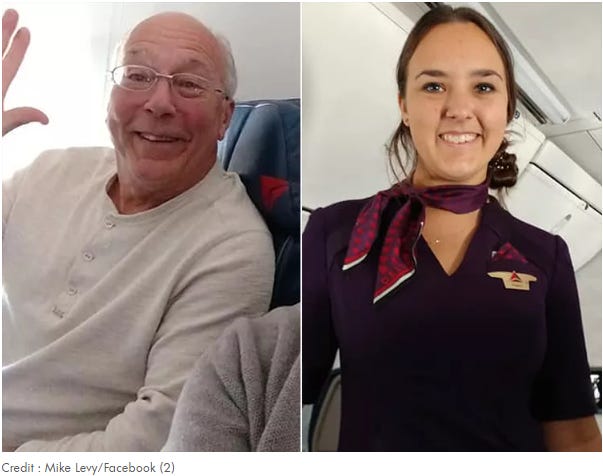
Ohio Dad Booked 6 Flights Just to Join His Flight Attendant Daughter During Her Christmas Shifts
In 2018, a father went to great lengths to spend Christmas with his daughter. She was a flight attendant and had to work both on Christmas eve and Christmas day, so Hal took 6 different flights to be with her over the holiday.
Ruth Ann Crystal MD


.jpg)
No comments:
Post a Comment