--------------------------------------------------------
COVID & Health News, 11/16/25
Ruth Ann Crystal MD
On Friday, the CDC Respiratory Illnesses Data Channel finally updated after 6 weeks of being offline. Winter respiratory illness activity in the United States overall is LOW, although Emergency Department visits for Flu and RSV are starting to increase. CDC wastewater reports have not yet been updated, but are expected to update next Friday November 21 after almost 2 months of being offline.
There are concerns that this could be a particularly bad flu season because the current Flu vaccine is targeted at H3N2 subclade J2 influenza, but data from the UK and Japan show that subclade K has been found in about 90% of samples. The mismatch of the vaccine to what is actually circulating could reduce flu vaccine effectiveness this year which could increase strain on hospitals. A preprint from the UKHSA shows that “the 2025-26 vaccine is currently 70% to 75% effective at preventing hospital attendance in children aged 2 to 17 years, and 30% to 40% effective [at preventing hospitalization] in adults.” Health authorities are urging vaccination and early antiviral use as mitigation strategies. This year, you can buy home rapid antigen tests that distinguish if someone has COVID, Flu A or Flu B. This allows people to start the correct antiviral medicine (Paxlovid for COVID, Tamiflu for Flu) soon after they start to have symptoms.
CDC wastewater reporting has not updated since late September, but is expected to be back online November 21. WastewaterSCAN shows that Warren, MI is high for COVID in wastewater at 1082 PMMoV, Lincoln NE is at 575 PMMoV, Lewiston ME is 431 PMMoV, and Traverse City MI is at 409 PMMoV. California wastewater levels of SARS-CoV-2 are all below 40 PMMoV which is very low.
In Canada, COVID levels are high and every 1 in 118 people is infected with COVID overall. According to Bob Hawkins, in England, Flu is high and is increasing, while COVID levels there are decreasing. COVID levels in wastewater appear to be decreasing in many European countries as well. However, because of an increase in respiratory illnesses, Paris hospitals are requiring staff, patients, and visitors to wear masks to help prevent spread.
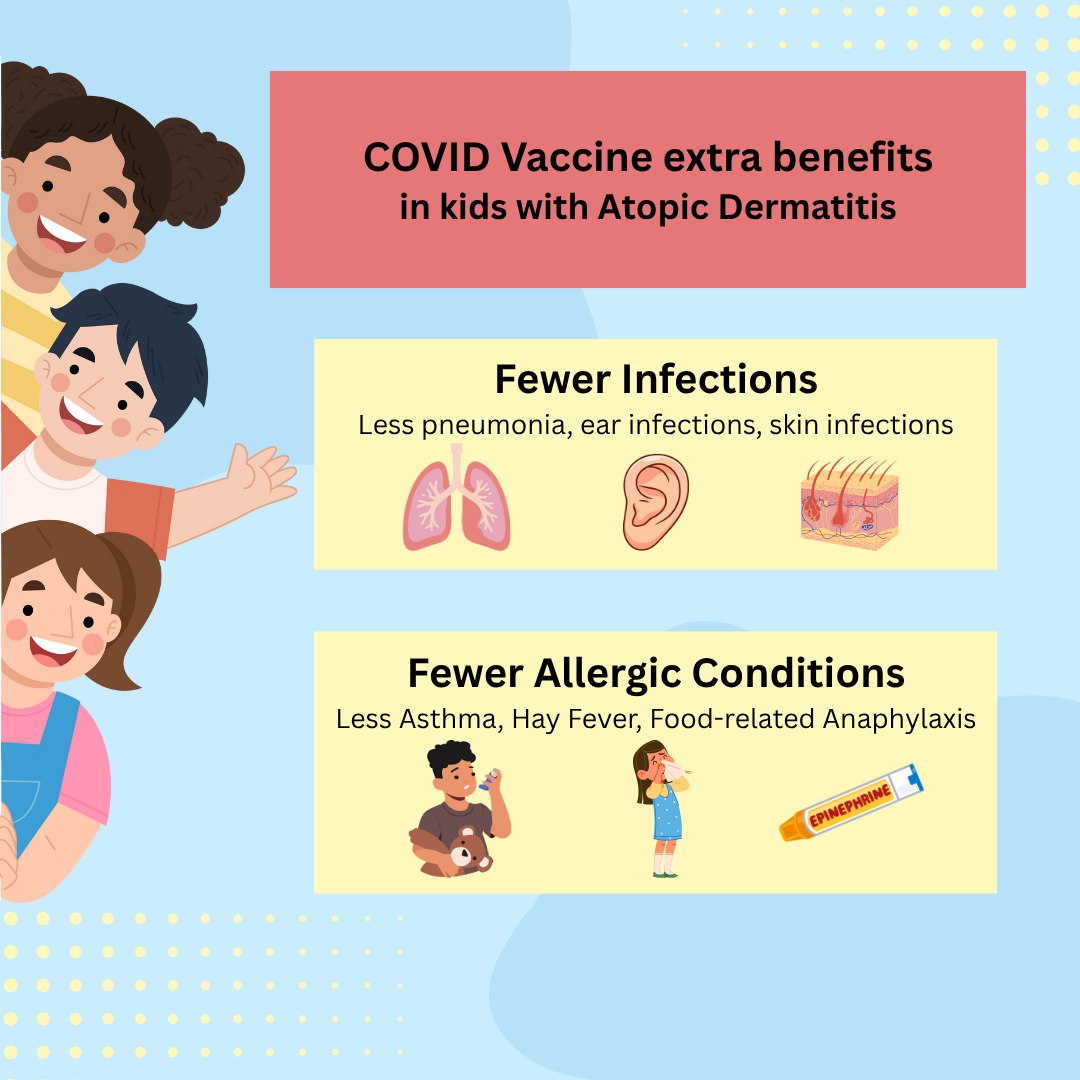
In a retrospective cohort study of 11,516 children with atopic dermatitis or eczema, COVID vaccinated children experienced lower rates of other infections (pneumonia, otitis media, and skin infections) and fewer allergic conditions (asthma, allergic rhinitis, and food-related anaphylaxis) compared to their unvaccinated peers. Researchers concluded that the COVID vaccine may offer broader health benefits to children.
A new review examines neurological symptoms and neurodevelopmental sequelae of acute COVID infection and MIS‑C (Multisystem Inflammatory Syndrome in Children) in children. Data suggests that developing brains may be vulnerable to both direct viral and indirect immune-mediated injury from SARS-CoV-2. Many children show neurological signs such as headaches, cognitive or behavioral changes and altered neuroimaging studies after COVID infection. Long-term studies are needed to assess how COVID affects children’s brain development. The authors urge structured neurological monitoring of children after COVID infection and inclusion of children in Long COVID research.
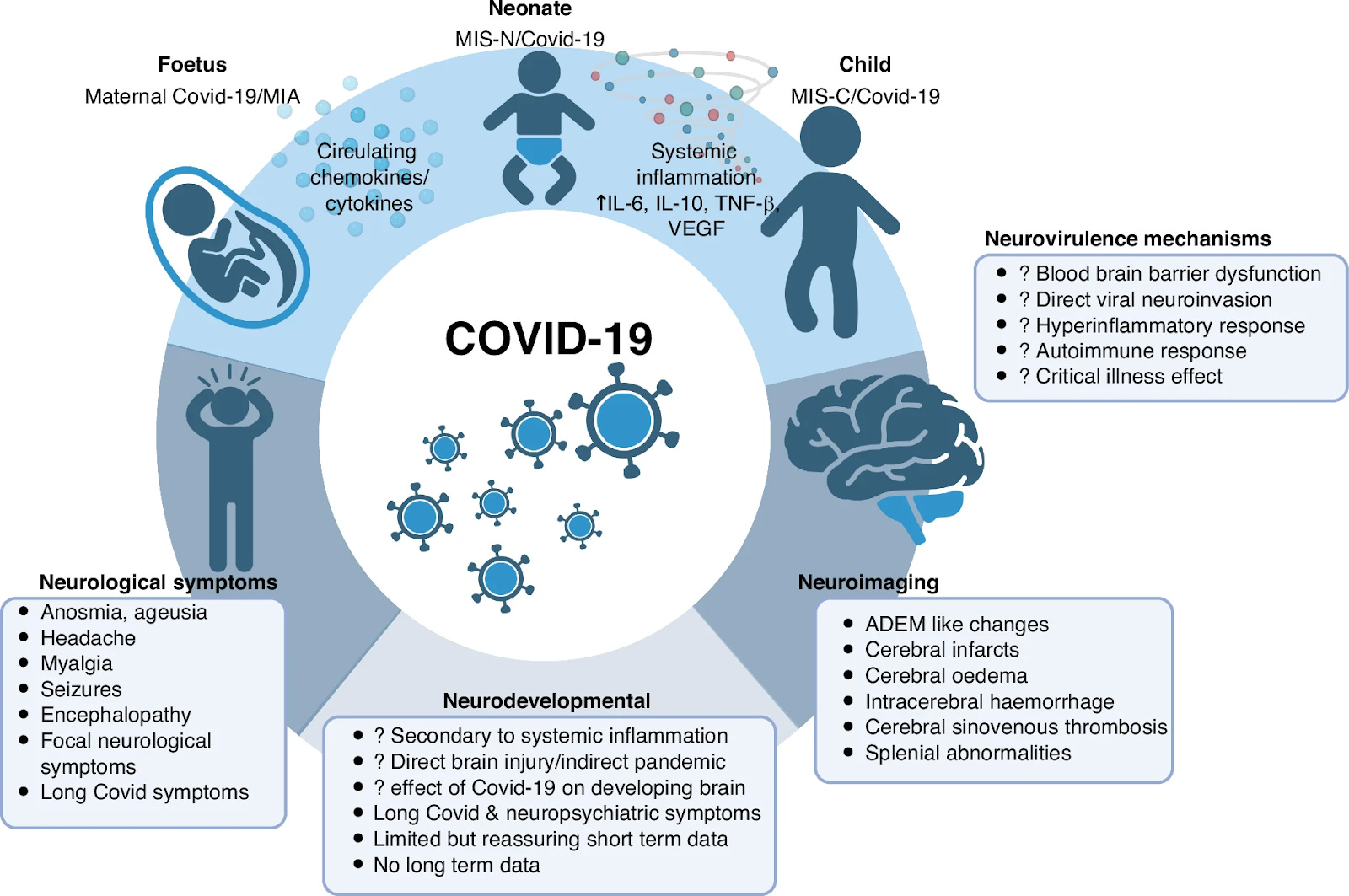
From: https://www.nature.com/articles/s41390-025-04564-2
A recent real world study of 1.8 million Americans looking at the efficacy of last year’s mRNA and Novavax COVID vaccines (2024-2025 vaccine) found that vaccine protection fades after about 4 to 5 months against both infection and severe illness. Adults over 65, who made up nearly 80% of hospitalizations, benefit most from getting updated COVID vaccines every six months. The study showed that COVID vaccine effectiveness against symptomatic infection went from 45% at 4 weeks post vaccination down to 17% by 12 weeks. Regarding Emergency Department visits, effectiveness was 45% at 4 weeks and decreased to 39% effective by 20 weeks. For hospitalization or death, effectiveness reached 57% at 4 weeks, was 50% at 10 weeks and decreased to 34% by 20 weeks post-vaccination.
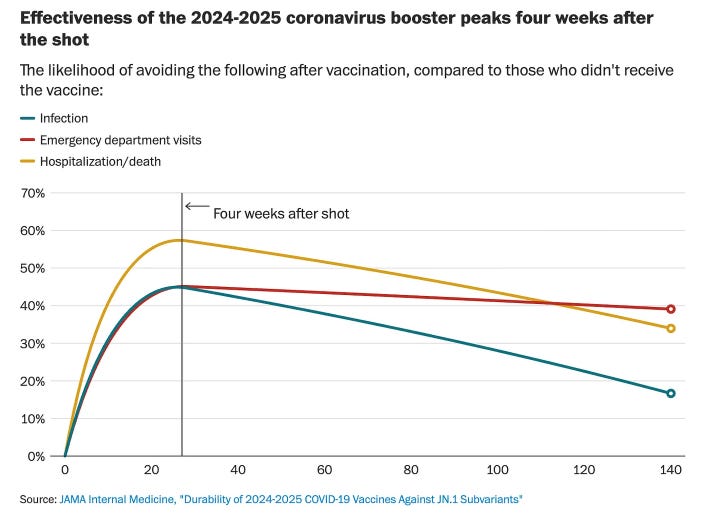
From: yourlocalepidemiologist.substack.com/p/infant-formula-botulism-cluster-black based on https://jamanetwork.com/journals/jamainternalmedicine/article-abstract/2840565#
Alice Wong, a groundbreaking disability rights advocate died on November 14th at the age of 51 following an infection. Wong was the founder of the Disability Visibility Project, which amplifies disabled voices through media and storytelling, and was also recognized with a MacArthur Genius Grant in 2024. She also helped people with Long COVID to tell their stories and supported The Sick Times, “a journalist-founded website chronicling the Long COVID crisis”.
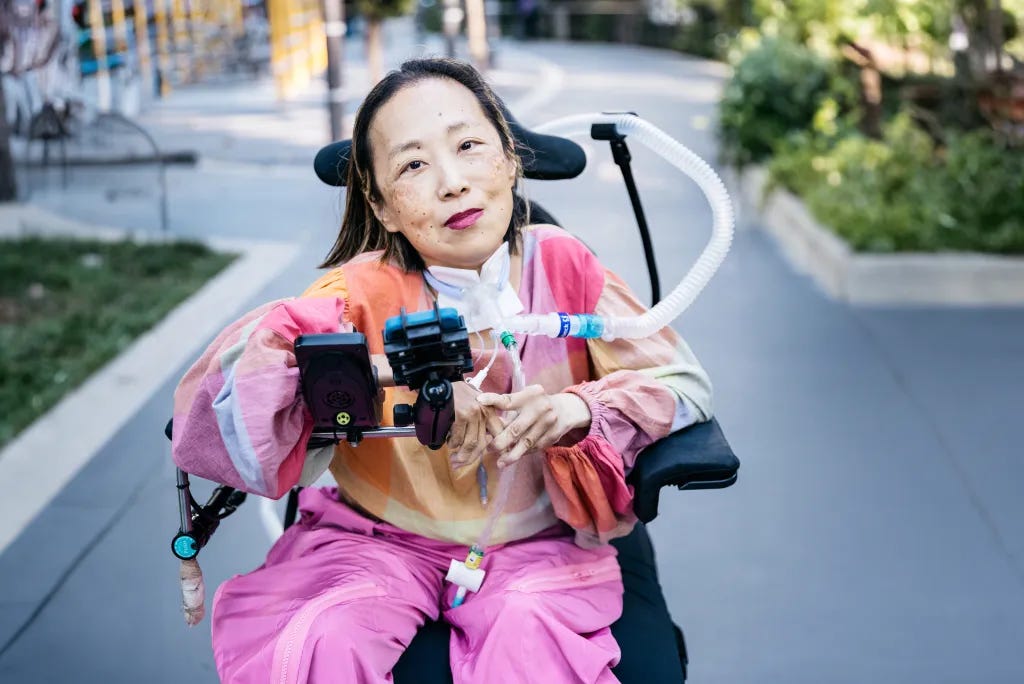
Photo: Alice Wong in 2024. CC By 4.0 / © John D. and Catherine T. MacArthur Foundation
On Friday November 14th, PolyBio Research Foundation had their Fall Symposium 2025. I was unable to watch the talks live, but they will be available on the PolyBio YouTube site next week. Here are summaries of tweets from PolyBio about some of the talks:
Dr. Peluso announced that UCSF is doing a clinical trial of the IL-15 agonist Anktiva. “Improving coordination between T-cells and NK cells may lead to better clearing of the virus,” in Long Covid patients who have persistent viral antigens or whole pathogens in long-term reservoirs.
Dr. Peluso also plans to do a study called COMBAT-LC comparing Pemgarda (mAB) + Paxlovid, vs Placebo + Paxlovid when study funding is available.
Mario Murakami announced that using 3T fMRI imaging, both pre-Covid ME/CFS and Long Covid patients were found to have elevated dorsal brainstem neuroinflammation—which may be tied to persistent activation of the vagus nerve.
Dr. Tim Henrich of UCSF found that SARS-CoV-2 RNA was detected in bone marrow biopsies from some Long Covid patients.
Dr. Morgane Bomsel previously found SARS-CoV-2 viral reservoirs in megakaryocytes. Her new research suggests platelets from Long COVID patients can harbor infectious virus, which can begin new infectious cycles of both reporter cells and macrophages in vitro.
Marta Mirabent from the Roan Lab at Gladstone Institutes reports that Long COVID tissue samples from the female reproductive tract & gut are positive for SARS-CoV-2 RNA more than 4 years after initial infection.
Dr. David Putrino plans a clinical trial of a 3-drug combination involving Valacyclovir, Celecoxib & Paxlovid to address reactivations of herpesviruses, as well as SARS-CoV-2 reservoirs. It is based on pilot data from a small, open-label case series.
A new commentary by Long COVID patient experts discusses that many trials for Long COVID treatments may yield negative results not necessarily because treatments fail, but because the disease is highly heterogeneous phenotypically and selected outcome measures often lack sensitivity across the spectrum of the disease. They recommend the development and validation of Long COVID patient-reported outcome measures (PROMs) as tools to be used in future Long COVID clinical trials.
In a randomized clinical trial of 328 participants with cognitive symptoms from Long COVID, three separate remote treatments- online cognitive training (BrainHQ), structured cognitive rehabilitation with both group and individual counseling sessions, and transcranial direct current stimulation (tDCS) paired with BrainHQ- were tested over 10 weeks at 22 sites. None of the interventions improved outcomes on the modified Everyday Cognition Scale 2. The study found no significant benefit from any of the approaches in treating cognitive dysfunction linked to Long COVID.
A randomized controlled trial from Glasgow enrolled 233 adults who had been hospitalized with COVID infection to either 3 months of rehabilitation training (supervised resistance exercise therapy) or the standard of care. Those who underwent resistance exercise for 3 months increased their walking distance ability. “Health-related quality of life, psychological well-being, and grip strength improved with the intervention, with the magnitude of these improvements reflecting moderate potential benefits in health and well-being and physical strength.”
Washington State reports the first human case of H5N5 Avian Flu. “The person is an older adult with underlying health conditions and remains hospitalized. The affected person has a mixed backyard flock of domestic poultry at home that had exposure to wild birds.” Risk to the public is considered low.
As of November 12, 2025, a total of 1,723 confirmed measles cases were reported in the United States, with 12% of cases hospitalized (206 of 1723), and 3 confirmed deaths.
Canada lost its measles elimination status after reporting 5,162 confirmed measles cases this year. This marks a major public health setback, driven by declining vaccination rates, uneven vaccine access, and reduced public health funding. With fewer people vaccinated, herd immunity has weakened, leaving communities more vulnerable to outbreaks.
A nationwide recall is underway after the CDC traced 13 cases of infant botulism to ByHeart infant formula. Infant botulism occurs when the Clostridium botulinum bacterium in a baby’s intestine produces a toxin, which causes a progressive, flaccid paralysis that requires weeks of hospitalization. All 13 babies have been hospitalized, but there have been no fatalities.
Epstein-Barr virus (EBV) causes mononucleosis (aka glandular fever) and is a very common infection for which there is no vaccine. In 2022, Dr. William Robinson’s lab from Stanford showed that EBV can trigger Multiple Sclerosis by mimicking a human protein called GlialCAM found in myelin that insulates nerves. “When the immune system attacks EBV to clear the virus, it also ends up targeting GlialCAM in the myelin.” EBV is also an oncogenic virus meaning that it can lead to cancers including nasopharyngeal cancer, some lymphomas and stomach cancer.
New research from William Robinson’s lab at Stanford has identified a critical mechanism linking EBV to the pathogenesis of Systemic Lupus Erythematosus (SLE or Lupus). The EBV virus can reprogram a person’s own autoreactive B cells causing them to function as hyperactive antigen-presenting cells, which dramatically increases the body’s systemic autoimmune response that defines SLE. “We think it applies to 100% of lupus cases,” Dr. Robinson said.
A Swedish study of over 2 million women found that hormonal contraceptives were linked to a small increase in breast cancer risk of about 13 extra cases per 100,000 users per year. Progestin-only pills with desogestrel showed the highest risk, while levonorgestrel-containing pills and IUDs (like Mirena and Liletta) had lower risk. Despite statistically significant relative risks, the absolute increase in breast cancer is small. Hormonal contraceptives also provide important benefits, including preventing unintended pregnancy and reducing ovarian and uterine cancer risk.
In Madison, Wisconsin, a pair of sandhill cranes is raising a Canada gosling alongside their own chick, much to the delight of neighbors and bird watchers. After taking over what they thought was an empty goose nest, the cranes ended up hatching both a crane colt and a gosling and embraced them equally. Despite differences in diet and behavior, the gosling has fully imprinted on its crane parents, who feed and protect it in this rare and heartwarming example of interspecies adoption.

Photo by Alan Ginsburg
Have a great week,
Ruth Ann Crystal MD





.jpg)
No comments:
Post a Comment