-------------------------
Dr. Ruth Report, 5/31/26
Ruth Ann Crystal MD, Jun 01, 2026
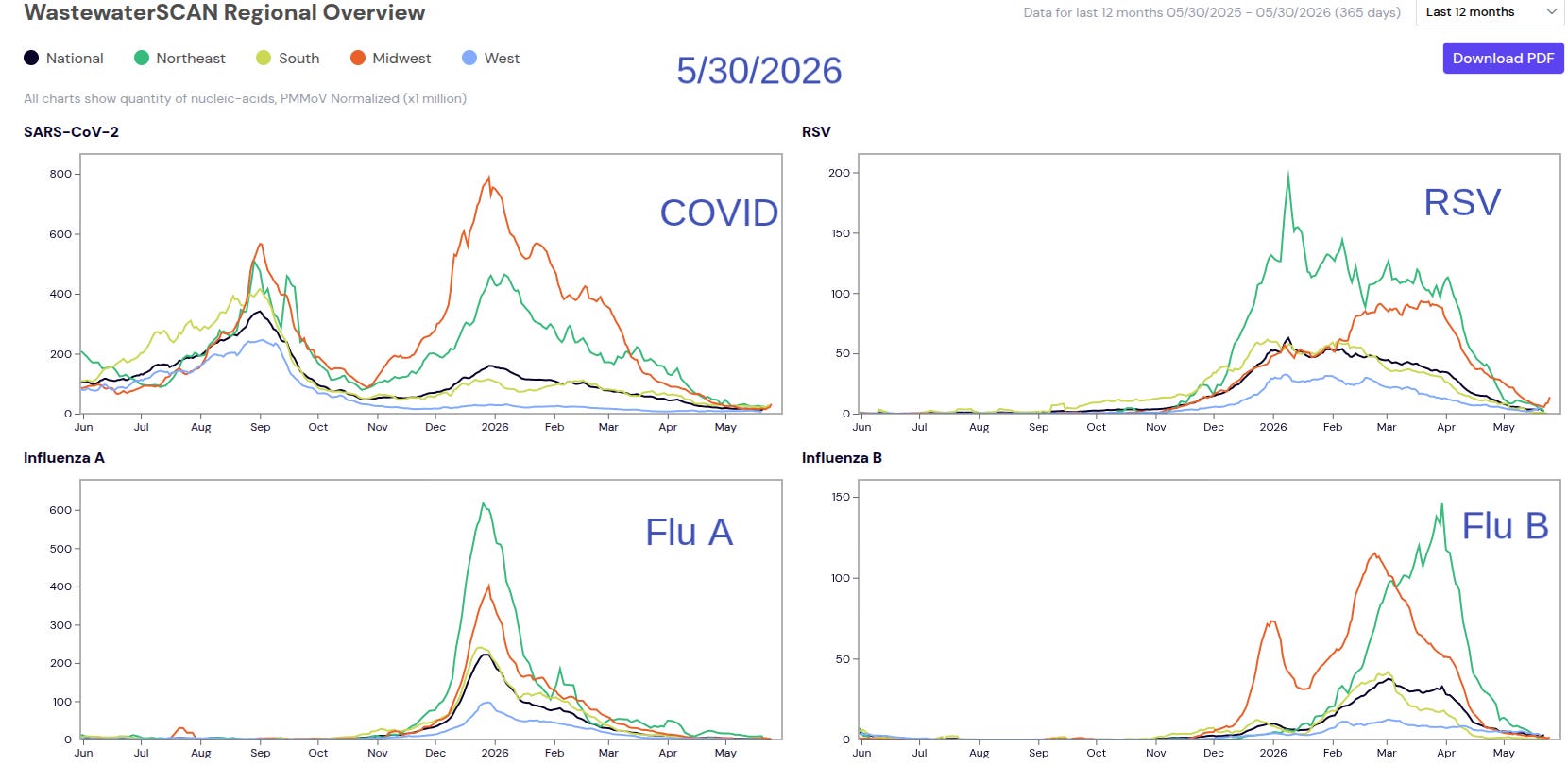
COVID, RSV, Flu A and Flu B in wastewater are all low or very low across the United States.
5/27/26 Nature: Autoantibodies to IL-1Ra and PGRN in severe COVID-19 are associated with inflammation-induced hyperphosphorylated antigen isoforms https://buff.ly/AuIMMGT
Germany’s NAPKON network analyzed blood from 280 COVID patients and found that severe COVID disease was associated with autoantibodies that neutralized two key regulators of inflammation, IL-1Ra and PGRN, effectively removing the natural brakes on the immune response. Although these autoantibodies declined over 12 months, affected cells retained abnormal sensitivity to inflammatory signals, suggesting lasting biological consequences beyond antibody clearance.
5/27/26 Nature Biotechnology: Scoring gene importance by interpreting single-cell foundation models - https://buff.ly/xYz6GJY
Genentech researchers developed an AI tool called SIGnature that analyzed 22 million cells across 412 studies to identify gene activity patterns. The tool uncovered a shared immune cell program operating across Kawasaki disease, sepsis, and severe COVID infection. Serum from Kawasaki disease patients was also able to activate that same program in laboratory cells.
5/25/26 BMC Pulmonary Medicine: CT-adipose measures identify severe SARS-CoV-2 risk beyond traditional obesity metrics: a C4R cohort study https://buff.ly/StJJOX8
A study of 8,412 American adults who had CT scans taken before the pandemic found that excess fat deposited around the heart and abdominal organs predicted higher odds of COVID hospitalization or death independently of BMI. These imaging based fat measurements captured risks that standard body weight classifications alone failed to detect.
5/23/26 Cell Discovery: Exosomal ORF3a mediates lung-liver axis to dysregulate hepatic lipid metabolism in mild COVID-19 https://buff.ly/6QU32Fz
Researchers found that 53% of 196 patients with mild COVID infection had abnormal liver function tests. Follow-up mouse and laboratory studies identified the viral protein ORF3a as a likely cause, showing it can travel from the lungs to the liver inside exosomes, where it triggers fat accumulation and inflammation. These findings suggest that ORF3a can damage the liver even when the virus remains confined to the respiratory tract, making it a potential target for therapies aimed at preventing COVID-related liver injury.
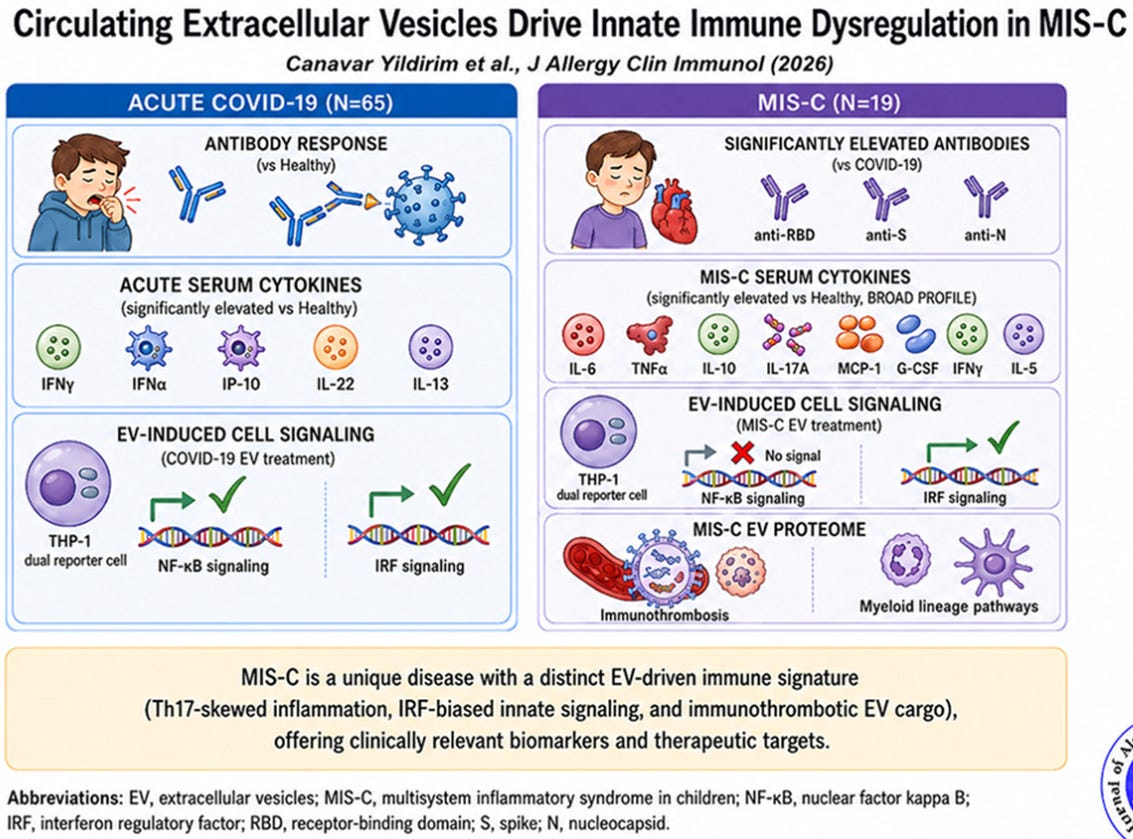
5/18/26 Journal of Allergy and Clinical Immunology: Circulating Extracellular Vesicles Drive Innate Immune Dysregulation in MIS-C https://buff.ly/Xmkz207
Scientists from Turkey examined 98 pediatric patients and determined that small particles (extracellular vesicles) circulating in the blood, carrying remnants of the SARS-CoV-2 virus, triggered abnormal innate immune responses in children diagnosed with multisystem inflammatory syndrome (MIS-C). These extracellular vesicles activated specific inflammatory signaling pathways that researchers connected to potential vascular damage in affected children.
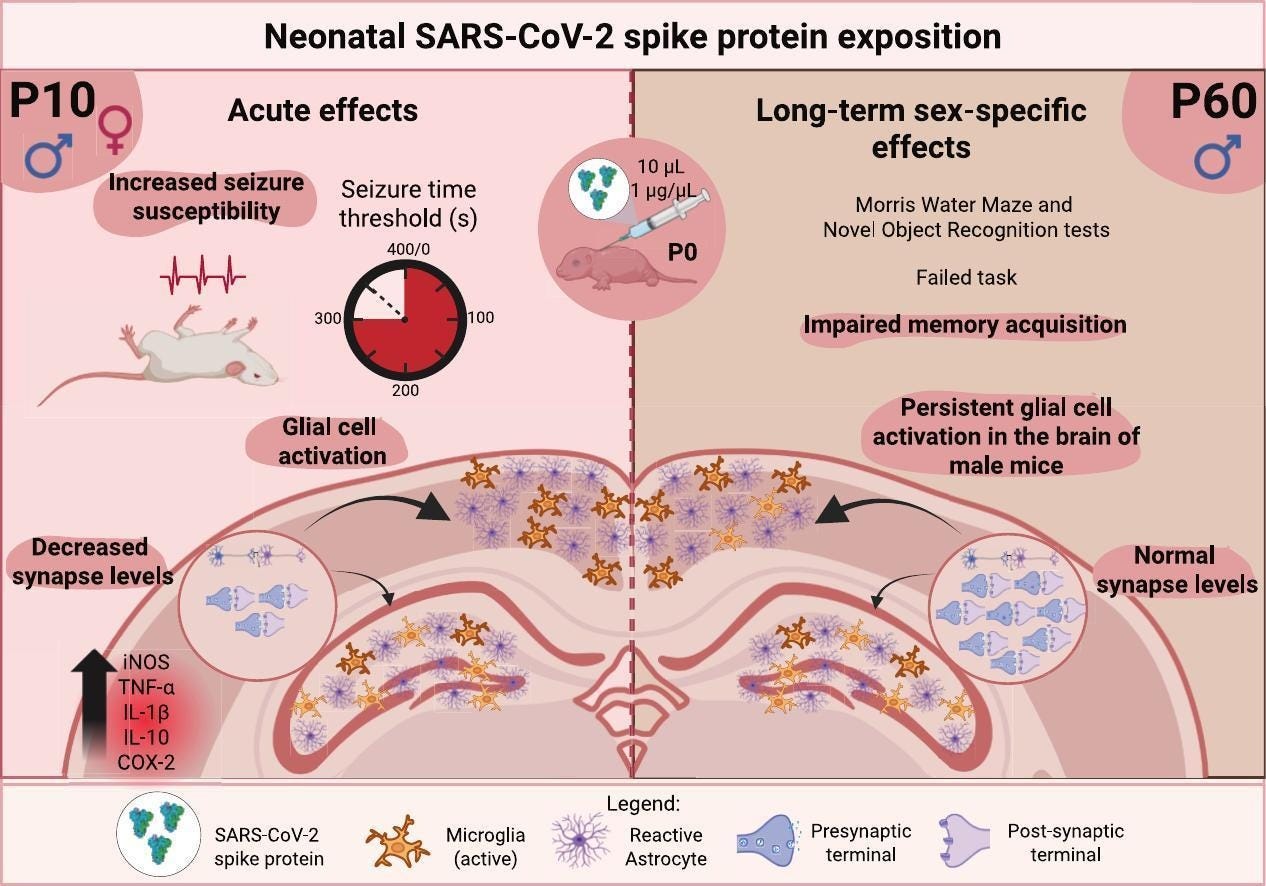
5/25/26 Brain, Behavior, and Immunity: Exposure to SARS-CoV-2 Spike protein during development induces astrogliosis, synapse loss and long-term cognitive dysfunction in mice https://buff.ly/94nQtYC
“We found that a single neonatal injection of the Spike protein in mice [on day 1 after birth] increases seizure susceptibility, induces astrogliosis, and triggers a significant loss of excitatory and inhibitory synapses in the cortex and hippocampus within 10 days. Remarkably, 60 days post-Spike protein exposure, male mice exhibited persistent, sex-specific cognitive impairments” and memory deficits. The affected males also showed persistent neuroinflammation in the brain, suggesting that timing of viral protein exposure during development may have sex specific consequences for cognitive health.
From: https://www.sciencedirect.com/science/article/pii/S0889159126005477
5/27/26 JAMA: Long COVID Persistence and Surveillance Gaps Across 58 US Hospitals https://buff.ly/zGt4uMR
A cohort study of 457,950 hospitalized COVID patients across 58 US hospitals using AI found that 1 in 6 patients (16.3%) had Long COVID, with 89% of those cases progressing to chronic conditions. Standard diagnostic billing codes missed more than half of actual Long COVID cases, “obscuring a substantial chronic disease burden”. Long COVID prevalence continued to rise through 2024, showing an increasing and accumulating burden on the health care system.
5/28/26 Cell: Autoantibodies in long COVID: A mechanistic foothold in a heterogeneous disease https://buff.ly/GCwqjae
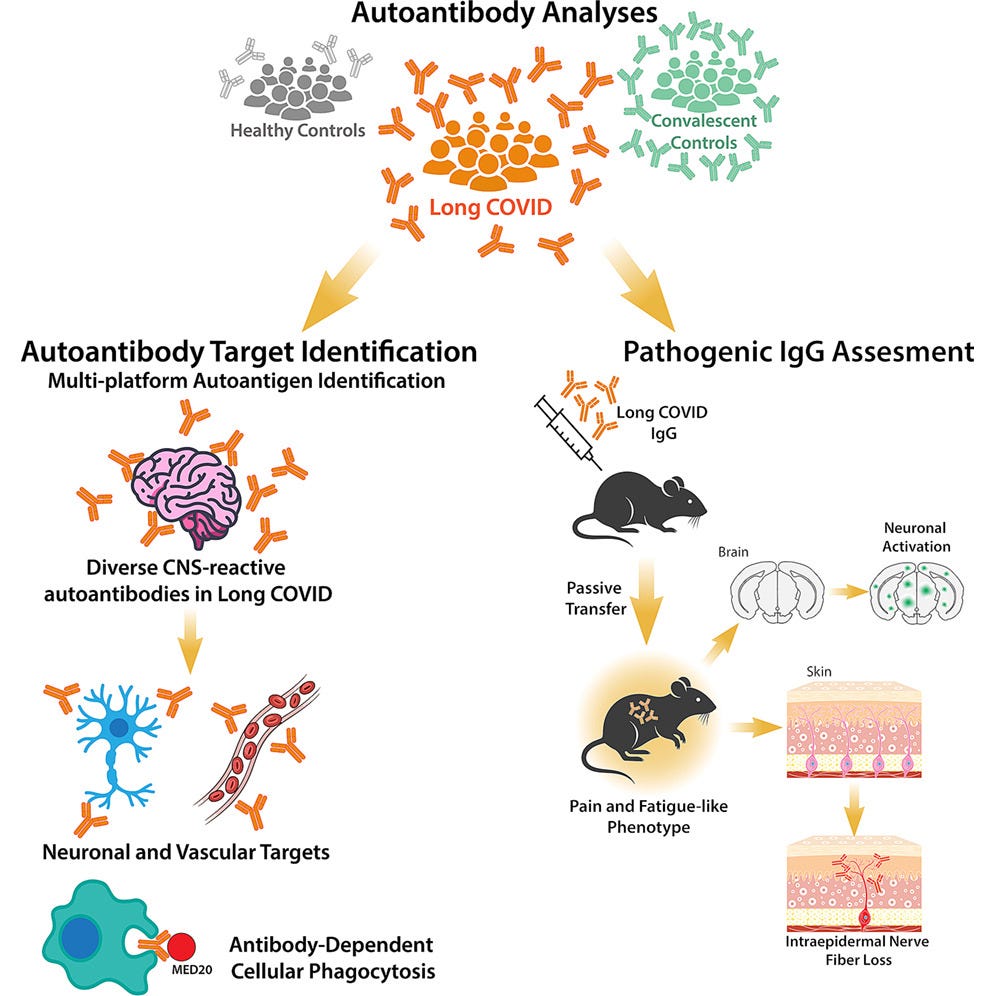
English researchers Wall and Richter reviewed data from two independent groups- one from the Netherlands and the other from the United States- showing that giving purified IgG antibodies from people with Long COVID to mice causes similar Long COVID-like symptoms in the mice. They reviewed a paper from Chen et al. from the Netherlands that showed that transferring IgG antibodies from people with Long COVID (pwLC) and high GFAP levels caused pain-associated behaviors in recipient mice.
They also discussed a new paper from the Iwasaki lab at Yale showing that people with Long COVID who had predominant neurocognitive symptoms had IgG autoantibodies targeting neural and endocrine tissues seen on immunofluorescence in mice and in human tissues. Transfer of IgG from these people to mice caused fatigue, pain sensitivity, and small fiber damage in the mice and immunofluorescence lit up in intraepidermal nerve fibers in murine tissue.
They summarized: “Together, these studies provide compelling evidence that autoantibodies directly contribute to symptom generation in a subset of pwLC [people with Long COVID], particularly those with neurological symptoms, including pain and temperature sensitivity.”
4/21/26 Chen et al., Cell (Netherlands): Transfer of IgG from long COVID patients induces symptomology in mice https://buff.ly/Xqt2nUp
5//28/26 Cell (Iwasaki Lab): A causal link between autoantibodies and neurological symptoms in long COVID https://buff.ly/1nPeqLu
Graphical Abstract
From: https://www.cell.com/cell/fulltext/S0092-8674(26)00509-X
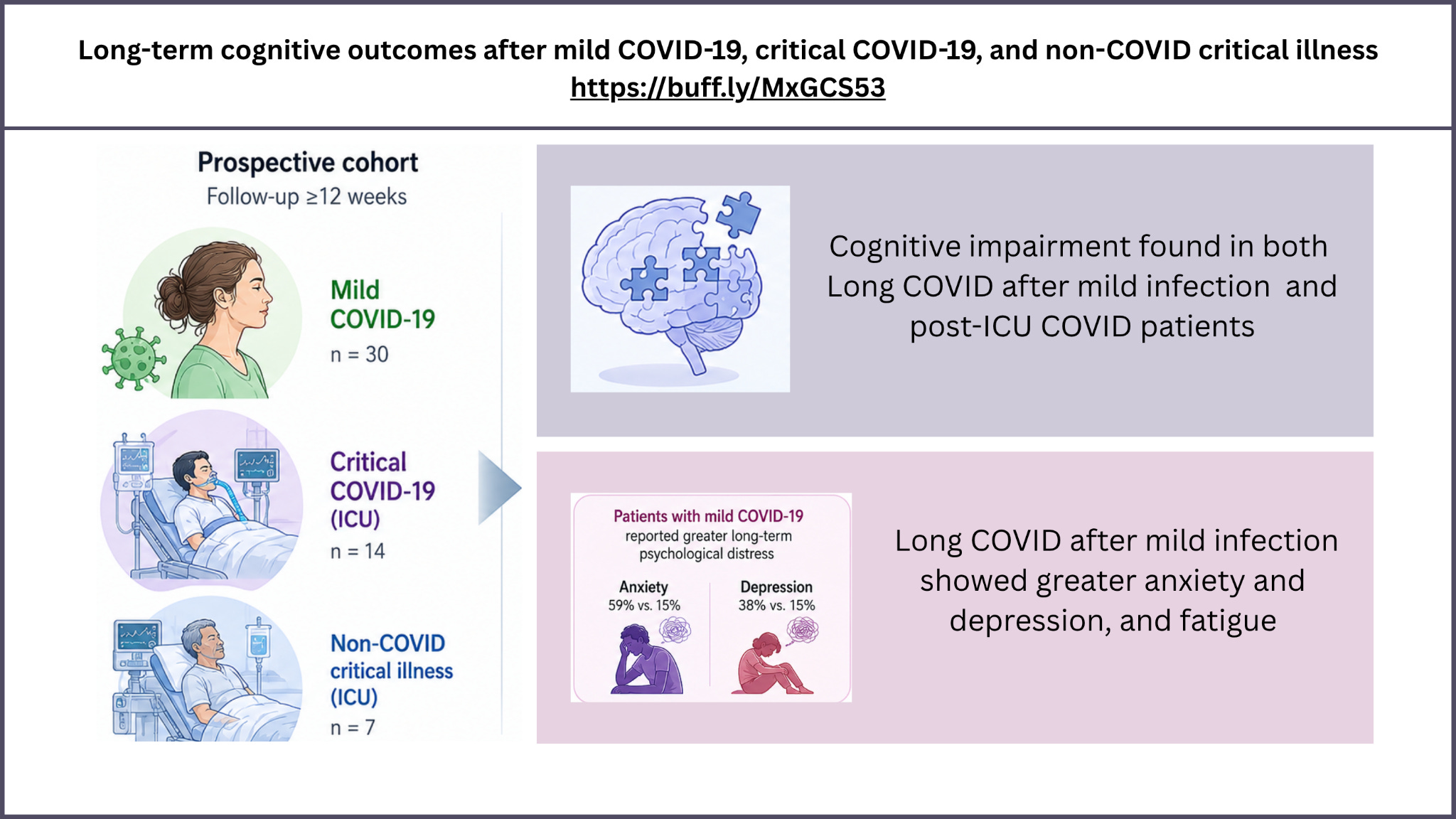
5/27/26 Nature: Long-term cognitive outcomes after mild COVID-19, critical COVID-19, and non-COVID critical illness: a prospective cohort comparison https://buff.ly/MxGCS53
Researchers from Germany evaluated 51 patients at a minimum of 12 weeks following illness and found that cognitive test performance was comparable between those who had mild COVID and those who had required intensive care. However, participants who developed Long COVID following a mild infection reported significantly greater burdens of fatigue, anxiety, and depression than their ICU counterparts despite that cognitive equivalence.
Made with ChatGPT and Canva
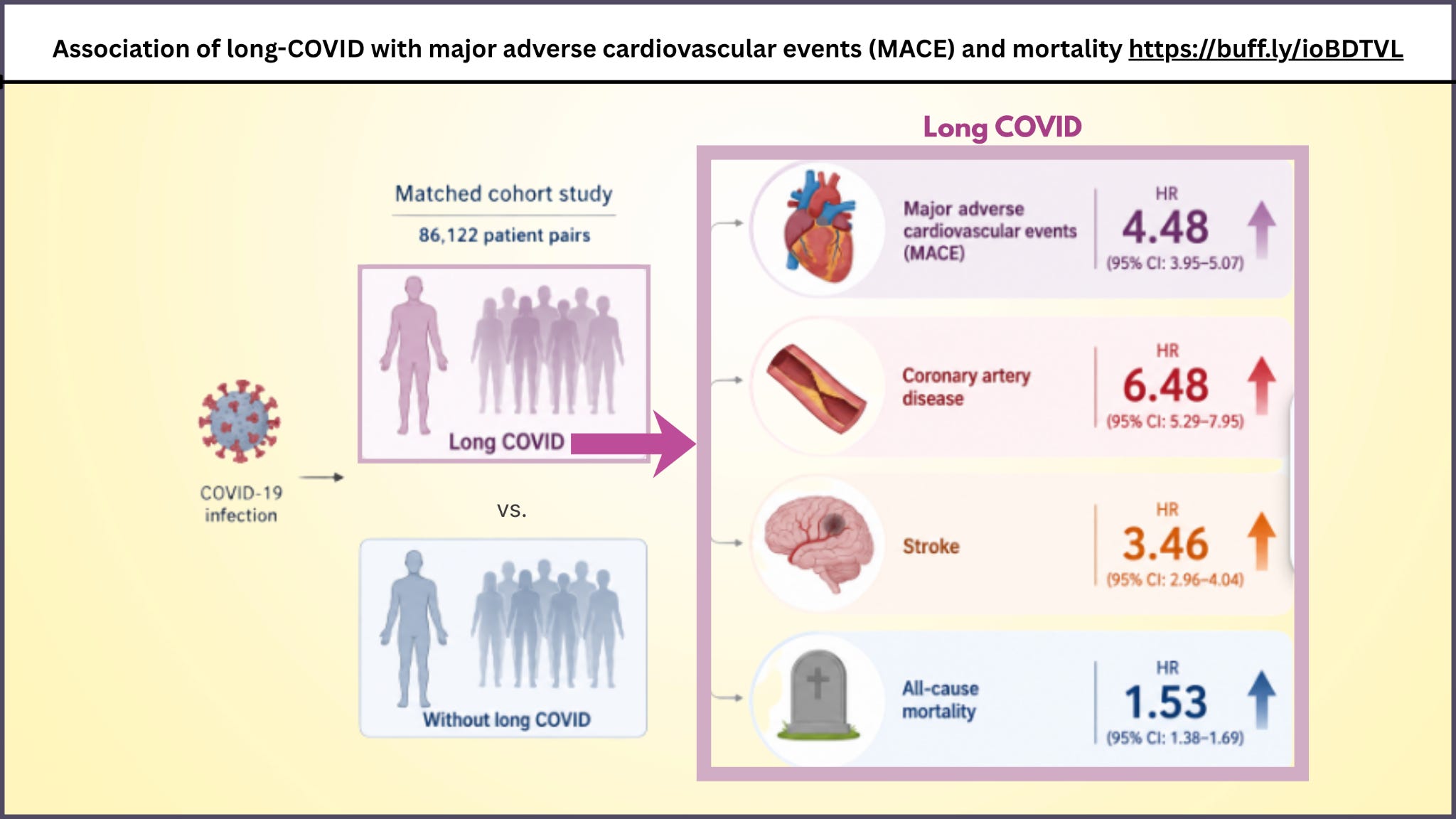
5/25/26 BMC Cardiovascular Disorders: Association of long-COVID with major adverse cardiovascular events and mortality: a real-world data cohort study https://buff.ly/ioBDTVL
A matched cohort study of 86,122 patient pairs found that individuals with Long COVID have a 4.48 times greater risk of major adverse cardiovascular events (MACE), a 6.48x greater risk of coronary artery disease, and 3.46x greater risk of stroke. In addition, people with Long COVID also showed a 1.53x higher rate of death from any cause.
Made with Canva and ChatGPT
5/25/26 Annals of Allergy, Asthma & Immunology: Post-COVID-19 Onset of Allergic Conditions in a Propensity-Matched Cohort of Children and Adults https://buff.ly/reKTAFe
In a propensity matched cohort of nearly 800,000 US military TRICARE beneficiaries ages 1 to 64, COVID infection was significantly associated with new onset allergic conditions across all six categories studied, with asthma showing the greatest risk increase (54% higher in the full cohort, 82% higher in children) in the 18 months after COVID infection. The findings suggest COVID drives persistent immune dysregulation toward type 2 inflammation.
5/13/26 Brain Communications (NIH): Central noradrenergic deficiency in post-infectious chronic fatigue: neurobehavioral correlates https://buff.ly/CLk76Gh
Researchers at the NIH Clinical Center studied 122 individuals and found that both ME/CFS and Long COVID patients exhibit reduced activity in the brain’s norepinephrine signaling pathway. This neurochemical deficit was associated with greater fatigue severity, diminished grip endurance, post exertional malaise, and overall poorer health outcomes across the group.
5/17/26 Vascular Pharmacology: The role of the endothelium in long COVID https://buff.ly/hfs6bRS
University of Miami investigators found that SARS-CoV-2 infection can impair the endothelial cells lining of blood vessels, compromising circulation and tissue oxygenation in Long COVID patients. Two small clinical trials observed that supplementation with vitamin C and L-arginine restored measurable improvements in vascular function, though researchers caution that large scale trials are needed before any conclusions can be drawn.
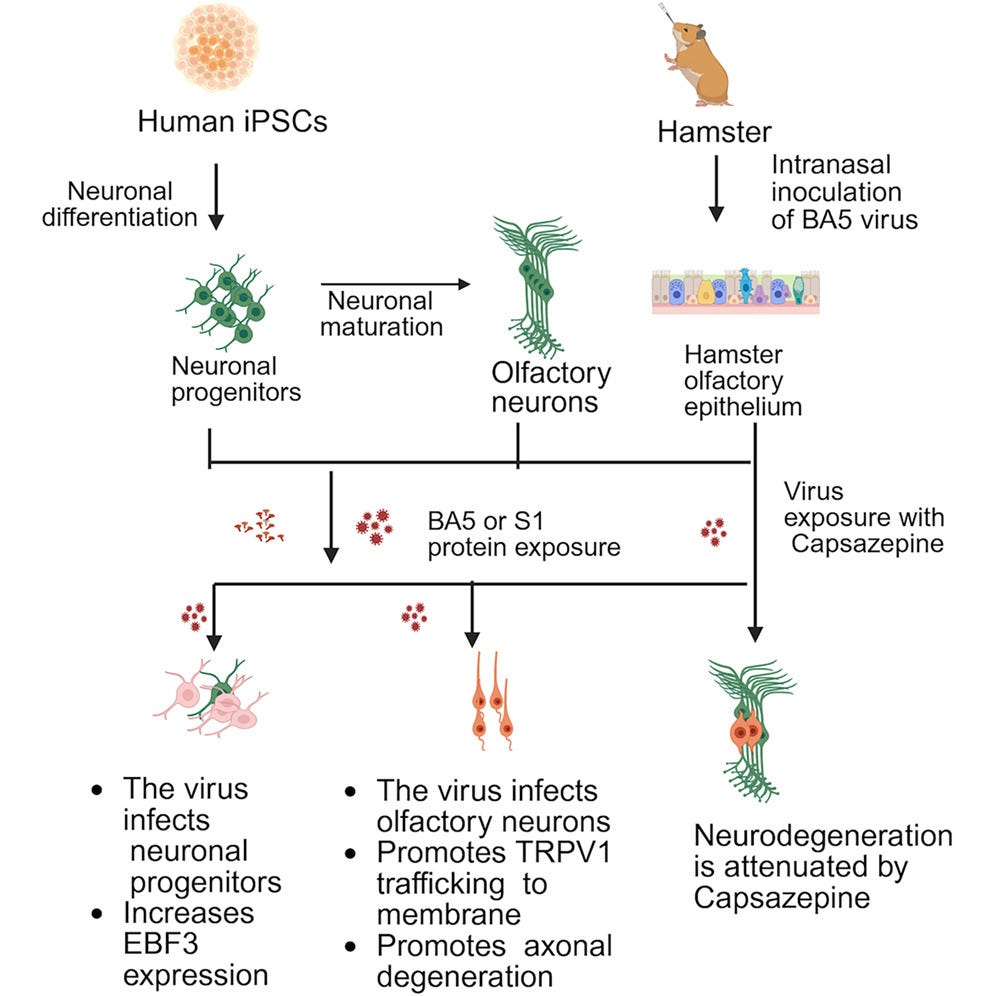
6/2026 (online 5/25/26) iScience: SARS-CoV-2 infects olfactory neurons and basal stem cells and induces axonal degeneration through TRPV1 activation https://buff.ly/s33iwpZ
Scientists from the University of Hong Kong and Western University demonstrated in both human sensory cells and hamster models that SARS-CoV-2 directly infects the neurons responsible for smell as well as the basal stem cells that normally regenerate them, and also trigger axonal degeneration via the TRPV1 pathway. When TRPV1 was pharmacologically blocked with Capsazepine, this cellular damage was significantly reduced, pointing toward a concrete therapeutic target for the persistent smell loss seen in some Long COVID patients.
From: https://www.cell.com/iscience/fulltext/S2589-0042(26)01473-2
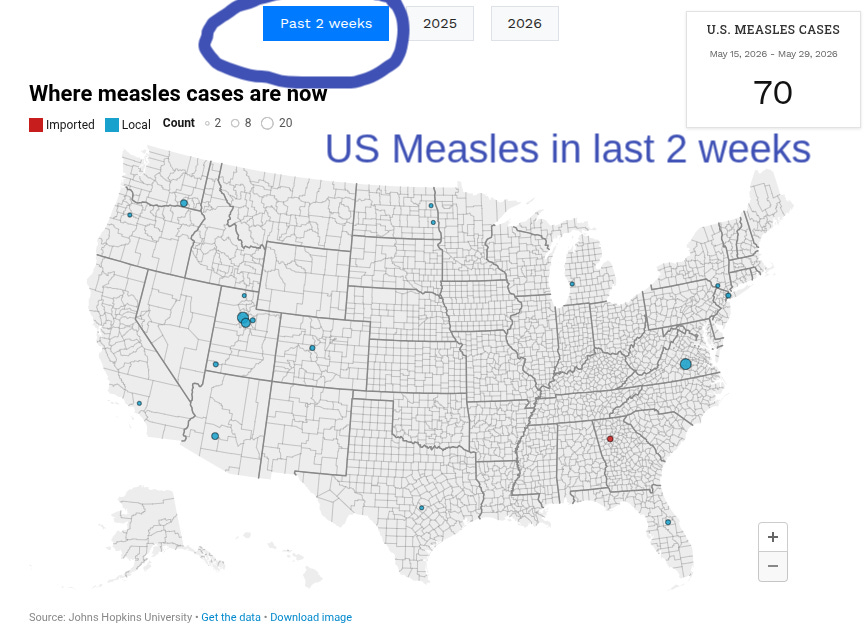
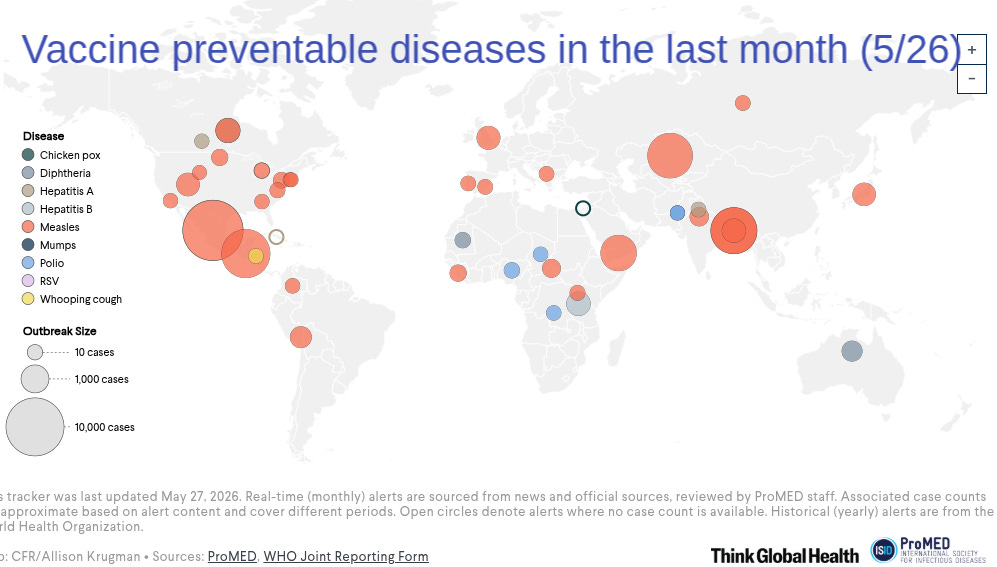
As of May 28, 2026, 1,983 confirmed measles cases were reported in the United States in 2026.
John Hopkins US Measles Tracker
10/29/25 Vaccine-Preventable Disease: A Global Tracker from Think Global Health https://buff.ly/6qBMq0w
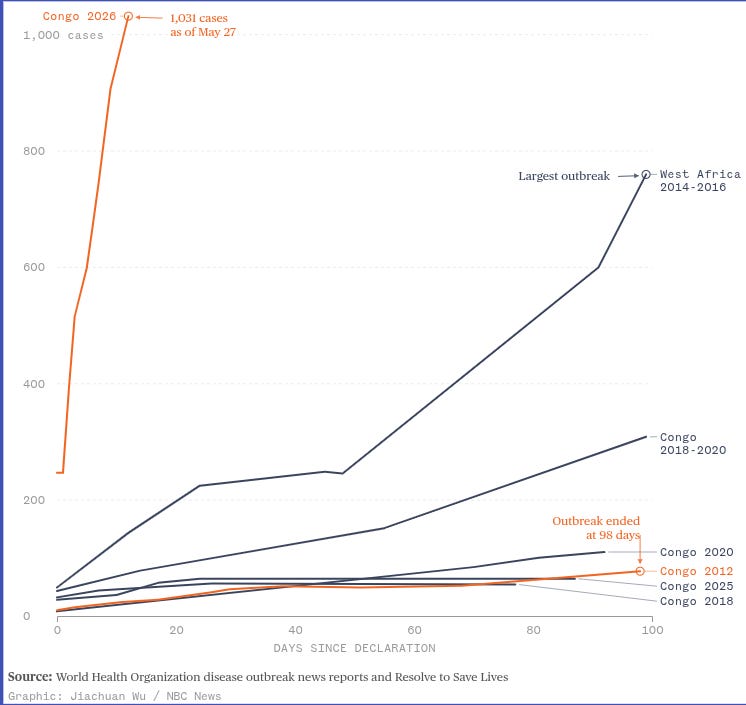
5/29/26 NBC: Tracking the 2026 Ebola outbreak https://buff.ly/aQo5ggu
5/31/26 NEJM: Daraxonrasib or Chemotherapy in Previously Treated Metastatic Pancreatic Cancer https://buff.ly/kw22hZ2
In a randomized trial of 500 patients with previously treated metastatic pancreatic ductal adenocarcinoma (91.8% with RAS G12 mutations), the oral RAS(ON) multiselective inhibitor Daraxonrasib nearly doubled median overall survival compared to chemotherapy (13.2 vs. 6.7 months). Daraxonrasib also improved progression-free survival, marking a significant advance for a cancer with historically poor outcomes.
5/21/26 Nature Medicine: Resetting autoimmune disease with CAR cell therapies https://buff.ly/U6TAVT1
Researchers from Germany and China reviewed the use of chimeric antigen receptor (CAR) cell therapies, originally developed to treat certain cancers, as a way to selectively eliminate B cells and “reset” the immune system in autoimmune diseases. They found that CAR therapies can achieve profound depletion of disease causing B cells throughout the body, potentially leading to long lasting remission from autoimmune diseases without the need for ongoing medication.
Fig. 1: Contribution of B cells in AutoImmune Diseases (AID)
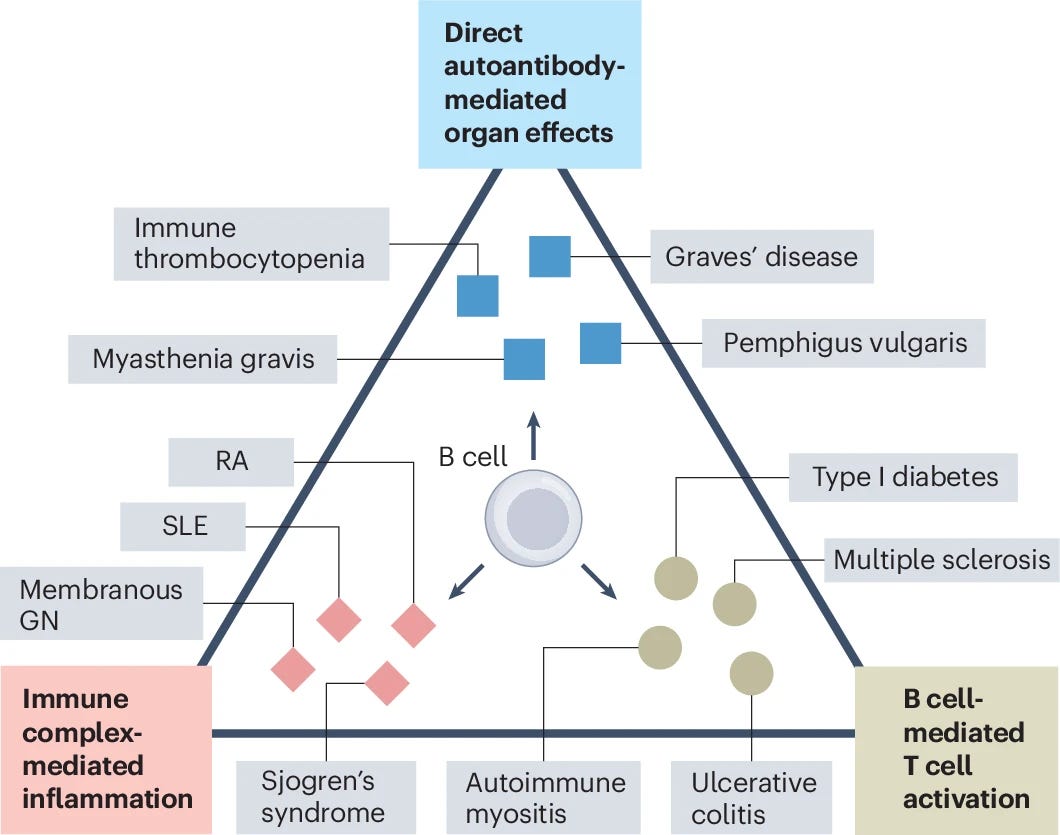
From: https://www.nature.com/articles/s41591-026-04430-6/figures/1
5/27/26 Nature: Human haematopoietic stem cells remember inflammatory stress https://buff.ly/7DjnDT4
A Canadian group shows that blood forming stem cells called Haematopoietic Stem Cells with inflammatory Memory (HSC-iM) retain a molecular memory of past inflammation. This phenomenon was confirmed in mouse xenograft models and in single cell genomic analysis of human samples. Inflammatory imprinting in HSC-iMs was observed in patients who experienced severe COVID infection, in aged individuals, and in those living with sickle cell disease.
5/30/26 CNN: After more than 66 years in the air, the industry’s longest-serving flight attendant prepares to retire https://buff.ly/D7LggrP
Joan Prince Crandall, a Delta Air Lines flight attendant based in Seattle, retired May 30 after a record 66-year career. Crandall began working in 1959 at Pacific Airlines on a 24-passenger Douglas DC-3 plane. “There have been rapid advances in aviation during her career; the moon landing and the Boeing 747 came a decade after she started working as a stewardess.”
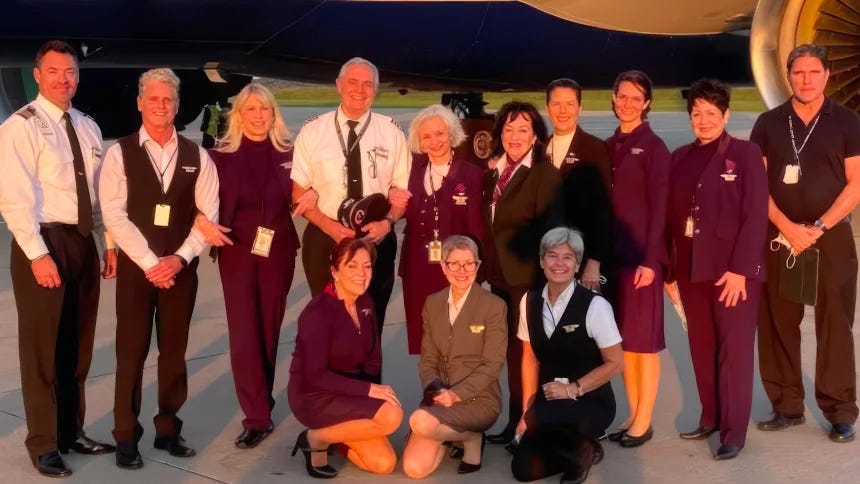
Joan Prince Crandall, center, with other Delta Air Lines flight attendants, pilots and crew members. (Delta Air Lines)
Have a great week,
Ruth Ann Crystal MD





.jpg)
No comments:
Post a Comment