--------------------------------------------------------
Dr. Ruth Report, 6/14/26
Ruth Ann Crystal MD, Jun 15, 2026
COVID levels in wastewater are at their lowest since 2021, except for a few hot spots in Ohio, Idaho, Florida and Maine. We will have to wait and see if the World Cup games will have any effect on COVID levels, or on measles cases for that matter.
Using Biobot and CDC data through June 6, Mike Hoerger estimated that about every 1 in 269 people was currently infected with COVID, with 182,000 new COVID cases each day in the United States.
This week, research shows autoantibodies in kids after COVID infection, decreased glucose metabolism in the brains of people with Long COVID, an ultrasound patch that can continuously monitor the fetus in pregnancy, inhaled insulin for kids with diabetes, and much more.
Pediatrics
Rutgers and Stanford scientists analyzed antibody profiles in 139 children with COVID-19, ranging from mild infection to severe disease and MIS-C, plus 28 healthy controls. All COVID infected children, including those with asymptomatic COVID infections, showed increased autoantibodies, suggesting that pediatric SARS-CoV-2 infection may predispose to immune dysregulation. MIS-C patients had higher anti-Spike IgG than severe COVID-19 cases, though antibody function did not differ, pointing to possible antibody dysfunction in MIS-C.
Long-Term Outcomes of Multisystem Inflammatory Syndrome in Children (MIS-C) up to 4.5 Years After COVID-19 | Pediatrics (AAP)
Montefiore Health System researchers tracked 14,363 children and adolescents and found that MIS-C was associated with elevated risks of cardiac, pulmonary, gastrointestinal, neurological, renal, and blood pressure disorders persisting as long as 4.5 years after COVID infection. These findings underscore that the health burden of MIS-C extends well beyond the acute phase of illness. “Structured long-term follow-up, including routine blood pressure monitoring, neurological and mental-health screening, and cardiovascular and renal surveillance, with coordinated multidisciplinary care is warranted.”
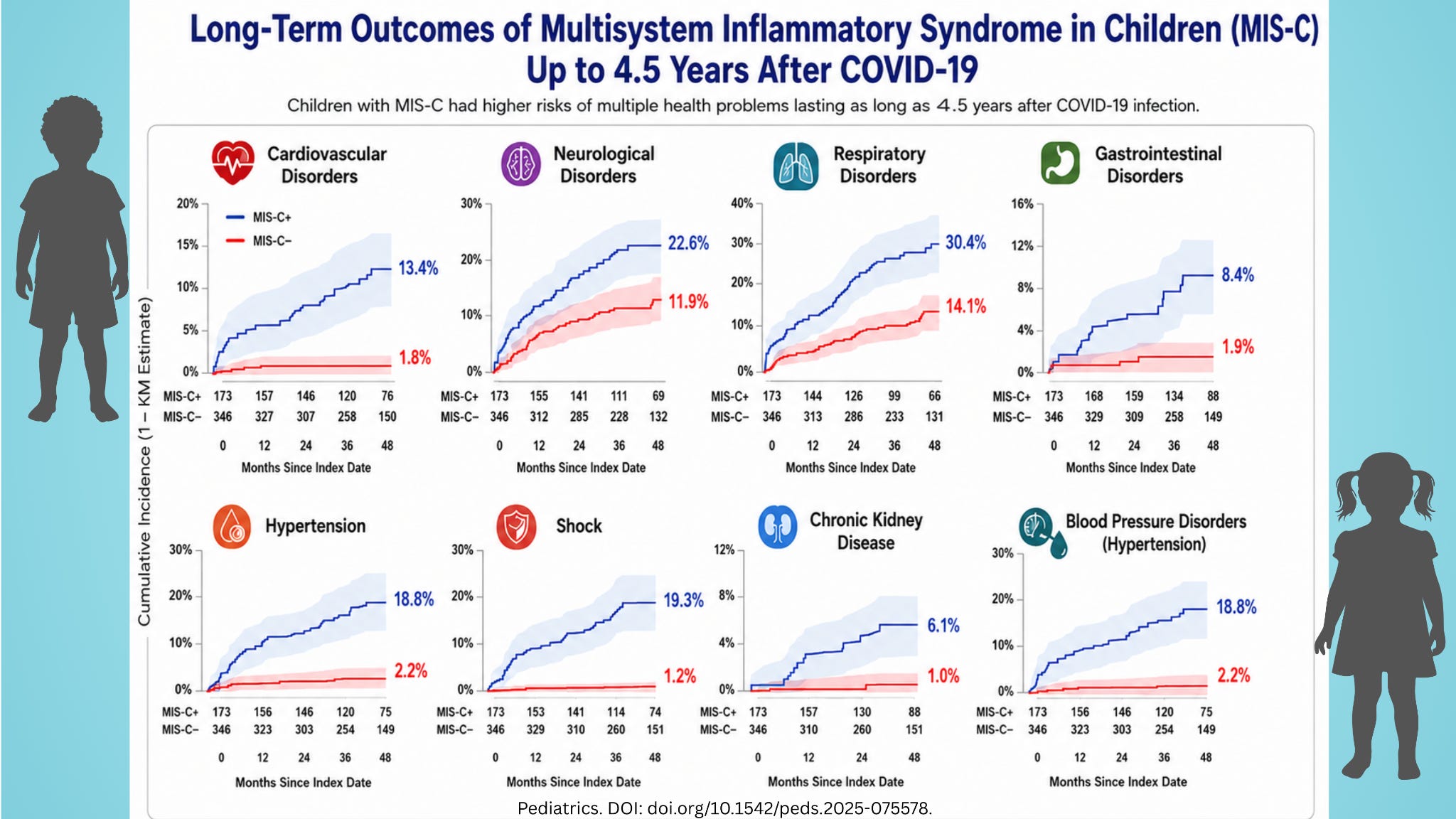
Made with Canva and ChatGPT
Vaccines
Menstrual cycle phase and its association with COVID-19 vaccine outcomes among period tracking app users | npj Women’s Health
London scientists, in collaboration with the Clue app, analyzed data from 1,474 women and found that receiving a COVID vaccine during the follicular (estrogen producing) phase of the menstrual cycle was associated with 35% greater odds of side effects as compared to the luteal (progesterone producing) phase, with longer lasting protection. “Median time to COVID infection was 35 days longer following follicular-phase vaccination (200 vs 165 days, p = 0.05), though infection numbers were limited,” and more studies are needed.
Sustained antigen-specific CD8+ T cell immunity post–mRNA booster requires notch pathway activation | Journal of Immunology
Japanese researchers followed 141 people after a third Pfizer COVID-19 booster and tracked spike-specific CD8+ killer T cells for six months. People who maintained strong T cell responses showed higher activity of the Notch signaling pathway, while those whose responses waned did not. Blocking Notch signaling in the lab prevented CD8+ T cells from expanding after re-exposure to spike protein. These findings suggest that Notch signaling helps sustain long-term killer T cell immunity after mRNA vaccination and may be a target for improving future vaccines.
Long COVID
Persistent Cerebral 18-FDG PET Changes in Patients With Long COVID Presenting With Fatigue and Post Exertional Malaise | J of Primary Care & Community Health
Scientists from Mayo Clinic examined 40 Long COVID patients experiencing fatigue and post-exertional malaise (PEM) and found measurably decreased cerebral glucose metabolism via 18F FDG PET imaging, concentrated in sensorimotor and visual brain regions. This pattern of reduced brain energy use persisted for at least two years after the initial COVID infection in patients with fatigue and PEM.
Figure 2. Representative 18F-FDG PET scan for a patient with Long COVID showing cerebral hypometabolism.
The bottom panel shows “near global hypometabolism particularly pronounced in the occipital lobes, correlating with the participant’s symptoms of cognitive dysfunction and fatigue with post exertional malaise.”
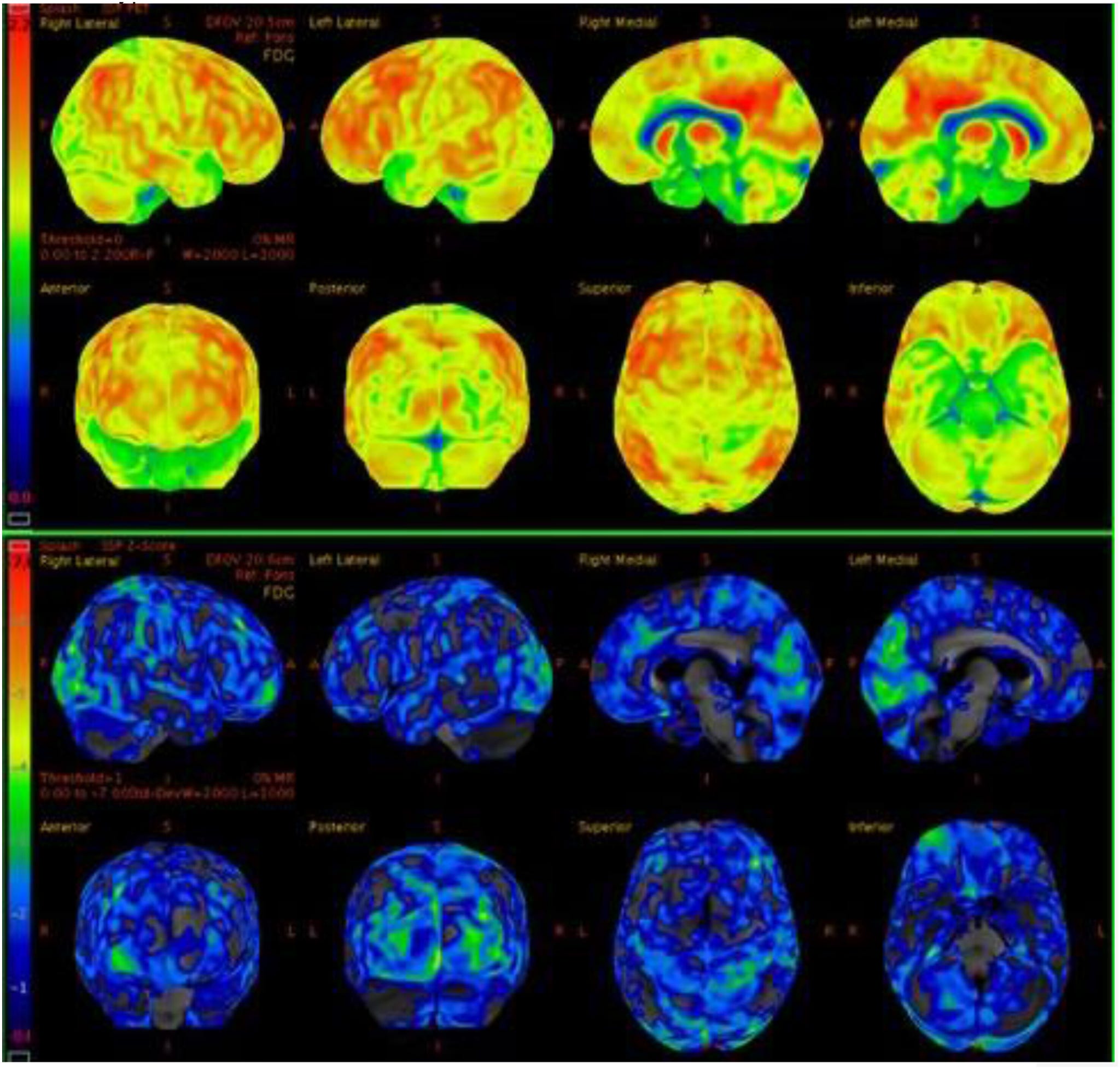
From: https://journals.sagepub.com/doi/10.1177/21501319261458748
Single-cell profiling of innate and adaptive immune dysregulation in Long COVID | BioRxiV
Emory University researchers analyzed single-cell profiling on 156,478 peripheral blood mononuclear cells (PBMCs) from 20 Long COVID (LC) patients and 18 recovered controls (RC) and found that Long COVID patients show persistent immune cell activation consistent with ongoing viral antigen exposure. B cells remained in an activated state, T cells displayed markers of exhaustion, and NK cells lost normal function, collectively pointing to a system that cannot stand down from fighting an infection that may still be present in some form.
Beyond brain fog: viral proteins as convergent drivers of neuroinflammation and proteinopathy | Current Opinion in Virology
A new review from the University of Veterinary Medicine Hannover proposes that viral proteins persist after viral infections. These viral protein fragments can act as neurotoxins and can activate TLR4 and TLR2 toll-like receptors on glial cells which triggers neuroinflammation even when live virus is absent from the nervous system. The inflammatory cytokines made by glia cells and astrocytes can also activate tau and alpha-synuclein proteins to accumulate in the brain. Tau protein is associated with Alzheimer’s disease and alpha-synuclein with Parkinson’s disease and Lewy body dementia. This offers a concrete molecular pathway connecting post-infectious illness, including Long COVID, to lasting cognitive (brain fog) and neurological symptoms.
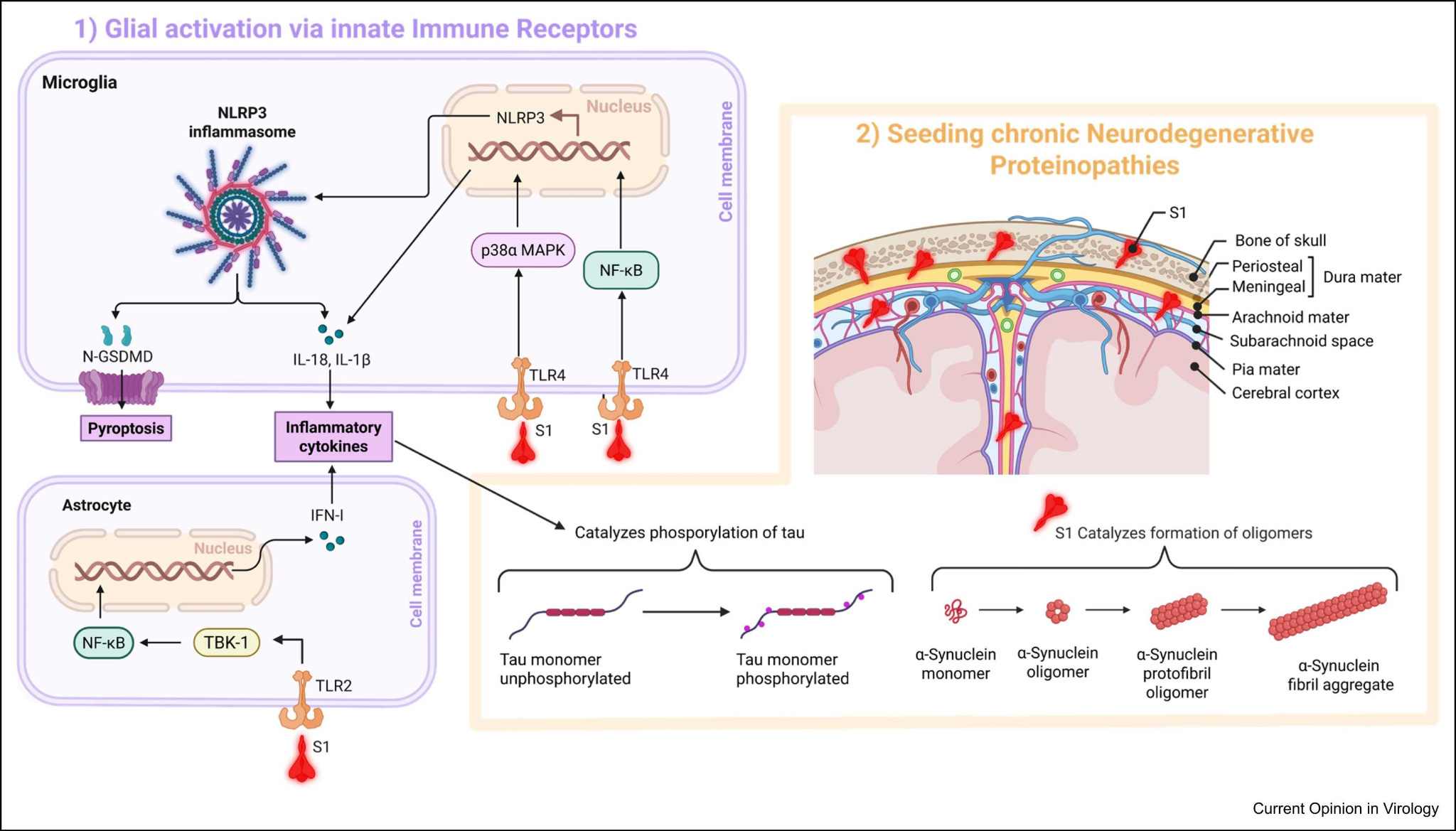
From: https://www.sciencedirect.com/science/article/pii/S1879625726000519#fig0005
Intracellular microbial shifts during COVID-19 infection and longitudinal recovery revealed by single-cell RNA sequencing | iScience
Scientists in India performed single-cell RNA sequencing of 191,417 peripheral blood mononuclear cells (PBMCs) from 57 individuals (9 healthy, 24 Omicron-infected, 16 recently recovered, 8 Long-recovered) and discovered that SARS-CoV-2 infection altered the microbial communities residing inside immune cells, with opportunistic bacteria accumulating specifically within T cells and platelets. Over the course of extended recovery, the intracellular microbial composition in these individuals gradually shifted back toward the patterns observed in healthy people.
Salivary microRNA Profiling of Long COVID Subjects Reveals Host-Encoded Regulators of Inflammation and Viral Persistence | BioRxiV
Researchers from the University of Illinois Chicago studied 30 participants and found that Long COVID patients with periodontitis had widespread depletion of salivary microRNAs that ordinarily suppress NFκB driven inflammation and are capable of binding SARS-CoV-2 RNA. When those microRNAs were reintroduced in cell experiments, both inflammatory signaling and viral gene activity measurably declined.
COVID‐19 as a Potential Trigger for Tuberculosis: Insights From a Large‐Scale Japanese Insurance Database Analysis | J of Family and General Medicine
A retrospective cohort study from Japan of over 6 million people shows that COVID infection is associated with a 4x risk of needing Tuberculosis treatment. In those who had prior tuberculosis, risk was 14.7x higher after COVID infection, showing that COVID infection may increase the risk of Tuberculosis reactivation.
A more than fourfold increased risk of active TB treatment initiation following COVID-19.
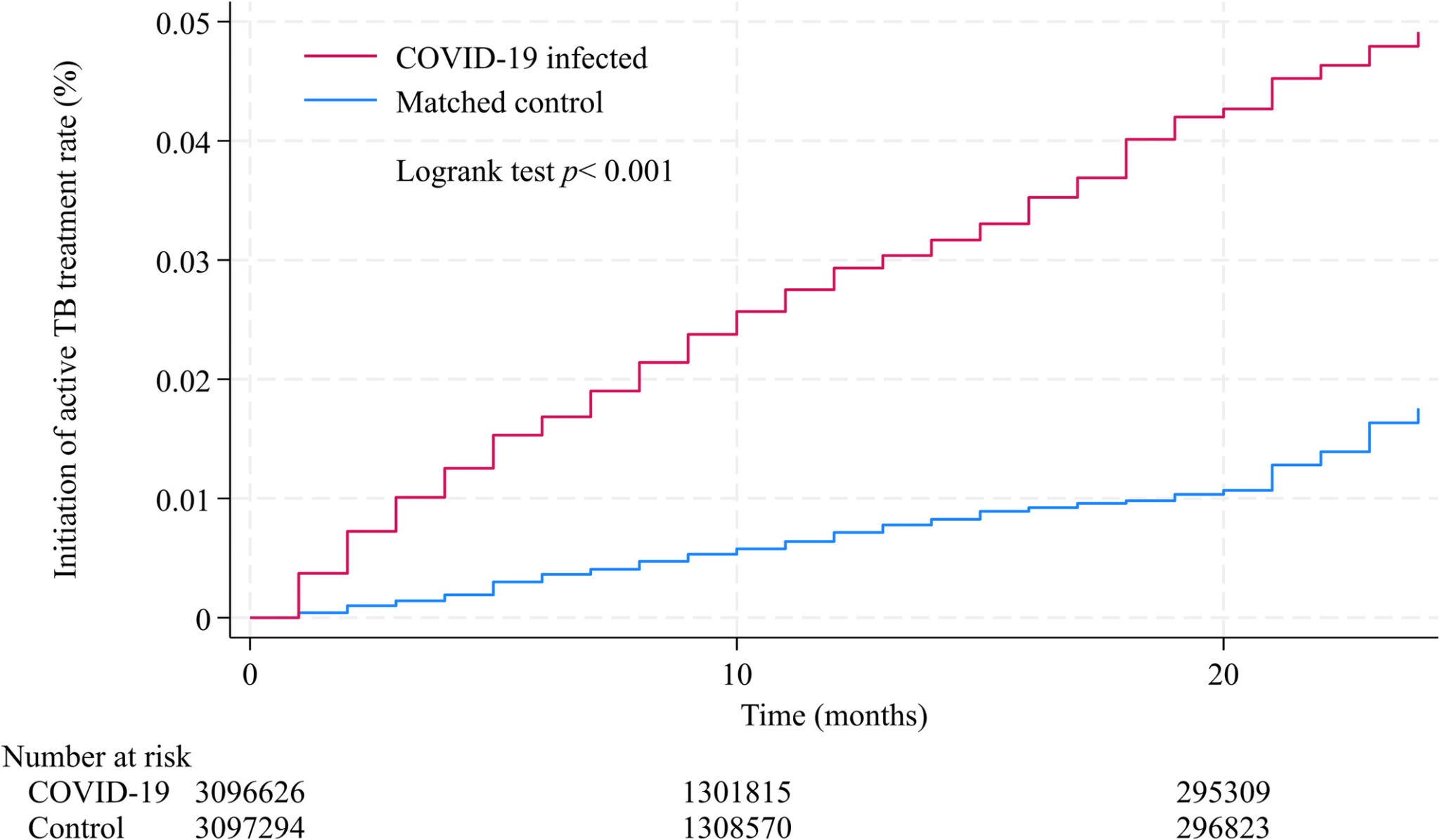
From: https://onlinelibrary.wiley.com/doi/10.1002/jgf2.70139
A group from Latvia followed 81 hospitalized COVID patients and found that blood drawn three months after severe infection continued to show measurable abnormalities in platelets, the complement system, and vascular function in 46 people with Long COVID. These persistent immunothrombosis signatures suggest that clotting related disruptions in severe acute COVID infection can leave a lasting biological imprint in Long COVID.
Immunoadsorption Versus Sham Treatment for Post-COVID Syndrome: A Randomised Sham-Controlled Crossover Trial | Lancet Regional Europe
Researchers from Mainz, Germany tested immunoadsorption in 40 Long COVID patients to determine whether removing GPCR autoantibodies from the bloodstream would relieve Long COVID symptoms, but outcomes did not improve compared to the sham procedure. Immunoadsorption also produced adverse events at a higher rate than the control condition.
Measles
CDC Measles updates (on Wed.):
As of June 11, 2026, 2,073 confirmed measles cases were reported in the United States in 2026.
John Hopkins US Measles Tracker
There have been 86 new measles cases, mostly in Utah and Virginia.
Other news
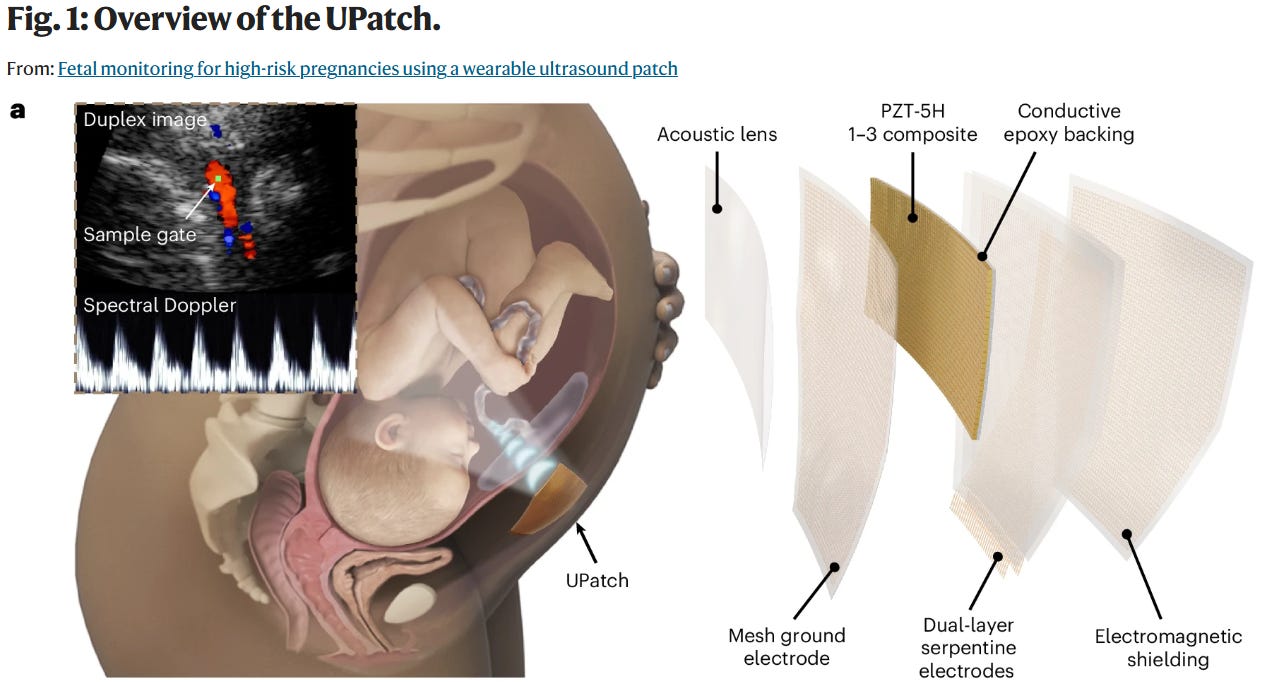
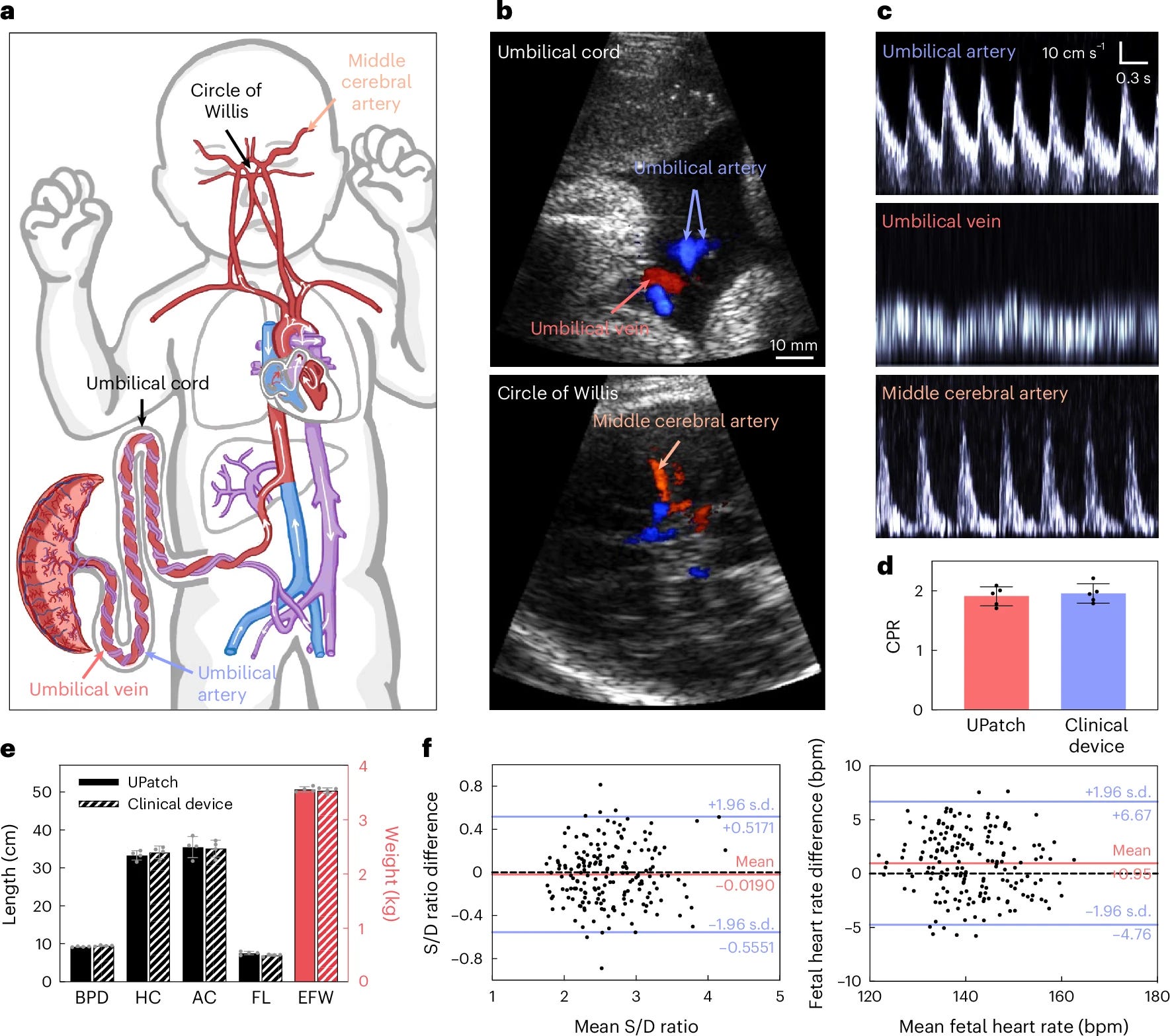
Fetal monitoring for high-risk pregnancies using a wearable ultrasound patch | Nature Biotechnology
This may be a game changer for obstetrics. UC San Diego researchers developed a wearable ultrasound patch (UPatch) for continuous fetal ultrasound monitoring. Tested on 62 pregnancies, the UPatch matched handheld clinical ultrasound readings and tracked fetal blood flow in real time autonomously without a sonographer. Continuous UPatch ultrasound monitoring in 52 pregnant women successfully stratified high risk obstetrical conditions including preeclampsia, gestational diabetes, and fetal growth abnormalities.
From: https://www.nature.com/articles/s41587-026-03140-1
FDA Approves Inhaled Insulin for Children, Adolescents With Diabetes | AJMC
The FDA approved Afrezza (inhaled insulin human) for children and adolescents ages 6 and older with type 1 or type 2 diabetes, making it the first needle-free mealtime insulin option for pediatric patients. The phase 3 INHALE-1 trial showed no significant pulmonary safety signals, and treatment satisfaction was higher in the inhaled insulin group for both patients and parents.
Microbiota-driven gut-brain signaling underlies antidepressant effects of a GLP-1 analog | Cell
Chinese scientists showed that liraglutide reduced depressive behavior in mice through a pathway that bypasses its known GLP-1 receptor, instead operating through changes in gut bacteria. The drug selectively increased Lactobacillus delbrueckii populations in the gut, which in turn increased endocannabinoid 2-arachidonoylglycerol (2-AG), which then suppressed stress-related overactivation in brain circuits related to depression.
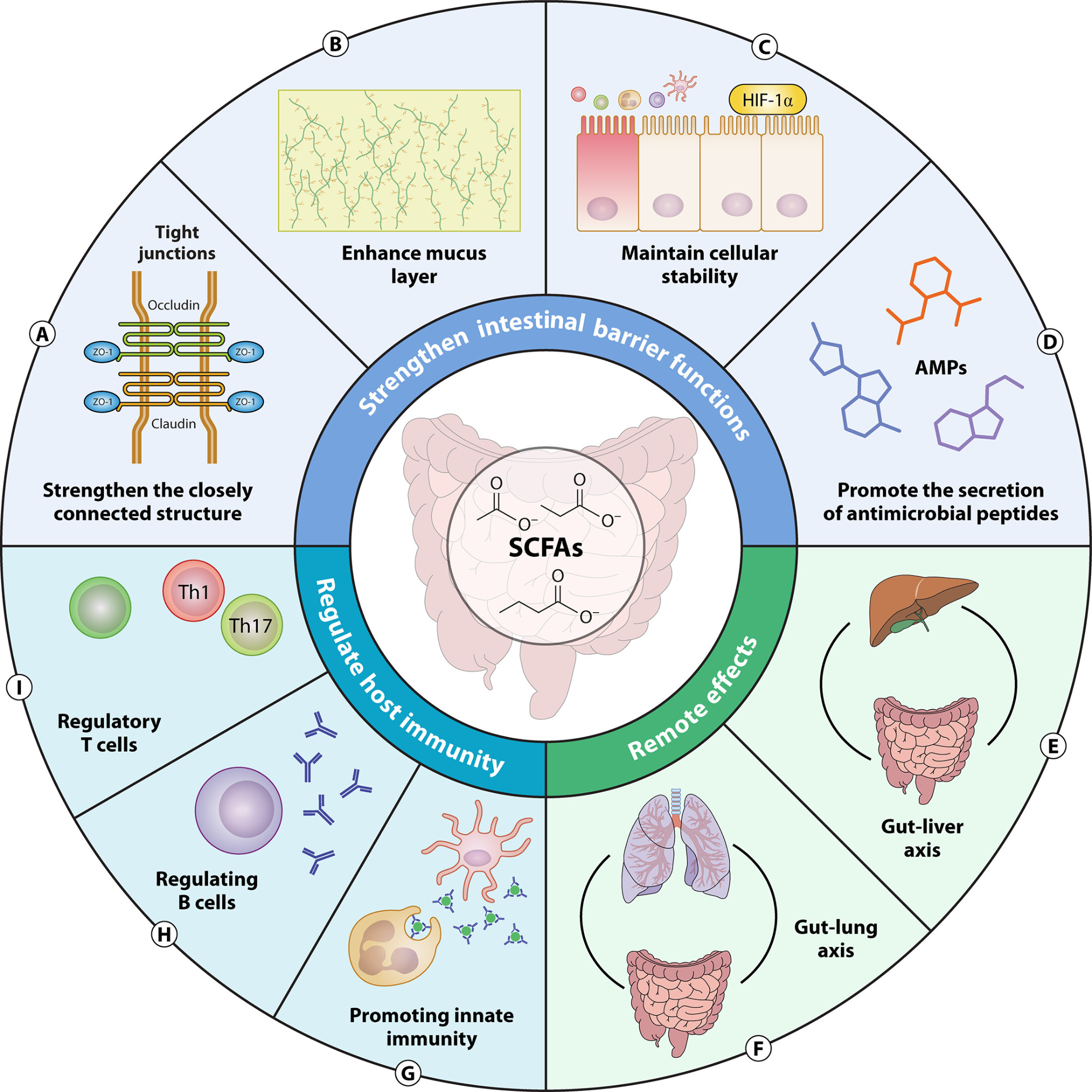
Gut microbiota-derived short-chain fatty acids (SCFAs): immunomodulatory effects and therapeutic potential in infections | Clinical Microbiology Reviews
A new review examines how short-chain fatty acids (SFCAs), especially butyrate, propionate, and acetate, affect immune responses to bacterial, viral, and fungal infections. Gut bacteria produce SFCAs when they break down dietary fiber. SCFAs and SCFA-producing bacteria may support treatment of infections by strengthening the gut barrier, calming excess inflammation, and boosting pathogen clearance, but their effects vary depending on the microorganism and the SCFA concentration.
Fig 3 The regulatory effects of SCFAs on the intestinal barrier, host immunity, and distant organs.
From Fig 5: Interactions between SCFAs and viruses.
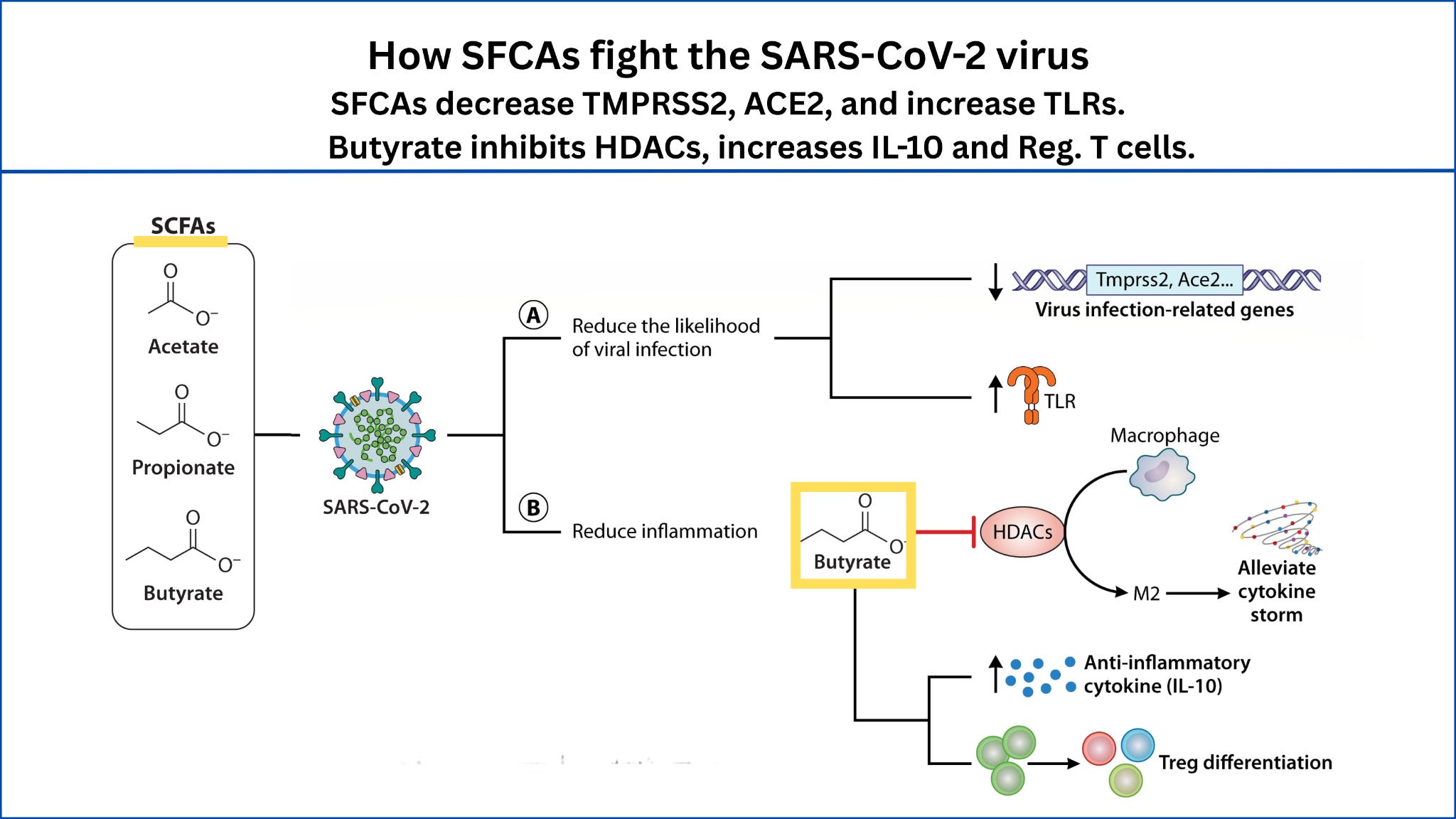
Made with Canva, based on https://journals.asm.org/doi/10.1128/cmr.00368-25
Interleukin-10 Autoantibodies and HLA-DRB1*01:03 in Inflammatory Bowel Disease | NEJM
Interleukin-10 (IL-10) is an important anti-inflammatory cytokine. Researchers in England discovered anti-IL-10 autoantibodies in 3.5% of 4,909 Inflammatory Bowel Disease (IBD) patients studied. IL-10 autoantibodies were highly enriched in people with HLA-DRB1*01:03, with odds ratios of 24.7x - 50.0x found across two large cohorts. High anti-IL-10 titers were associated with exaggerated proinflammatory cytokine release. The findings reframe IBD as a group of mechanistically distinct diseases and open a path toward targeted anti-autoantibody therapy in a subset of patients.
Explainer article can be found here:
Autoantibodies against Cytokines — From Infection to Inflammation | NEJM
I’m a Tech Expert. Here’s How I Prep My Devices for an International Trip. | NY Times (Article can also can be found at https://archive.is/Jr0y5)
Heading overseas this summer? A tech journalist’s pre-trip checklist: check your carrier’s international plan, grab an eSIM for cheap local data, download offline maps and translation tools, back up your itinerary and passport, and pack a universal travel adapter. He also recommends that before flying home, disable biometric unlock and consider hiding your social apps to protect your privacy at customs.
Retired Rochester science teacher Patrick Moriarty reunited with over 100 former students for a solar eclipse watch party he had planned 46 years earlier. In 1978, he told his 9th graders to mark April 8, 2024 on their calendars. He also extended the invitation to students in subsequent years. Decades later, his former students came from across the country, some with gray hair like him, to watch the solar eclipse with their favorite teacher.
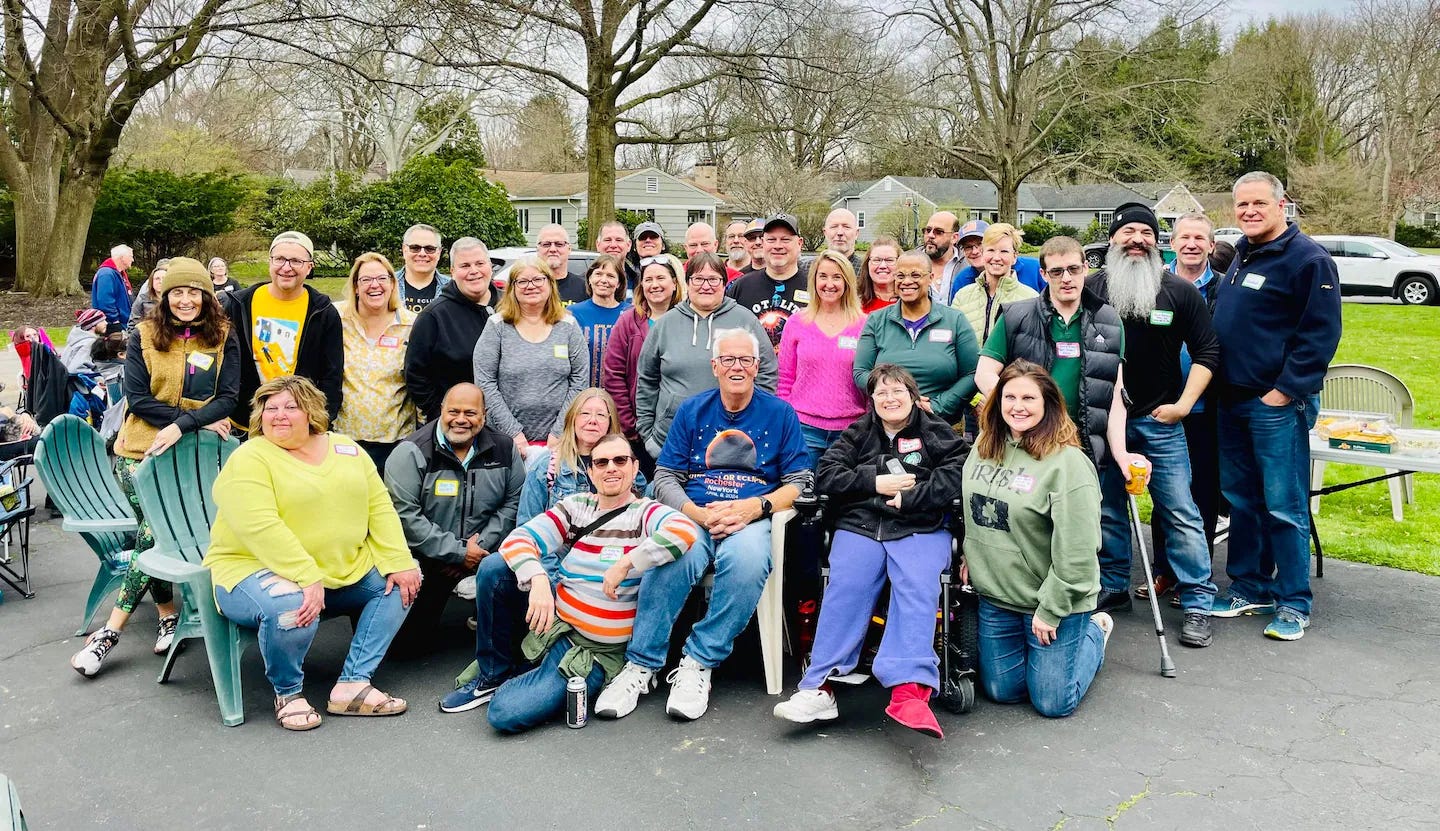
Mr. Moriarty and some of his former students
Photo: Caitlin Moriarty Hynick
Have a great week,
Ruth Ann Crystal MD





.jpg)
No comments:
Post a Comment