--------------------------------------------------------
"The CDC reports that respiratory illnesses are decreasing overall, with the exception of Pertussis (Whooping Cough) which continues to be elevated nationally. Whooping cough is a vaccine preventable disease that can be especially dangerous for babies under age 1. It is recommended that pregnant individuals and families get vaccinated against Pertussis to protect babies.
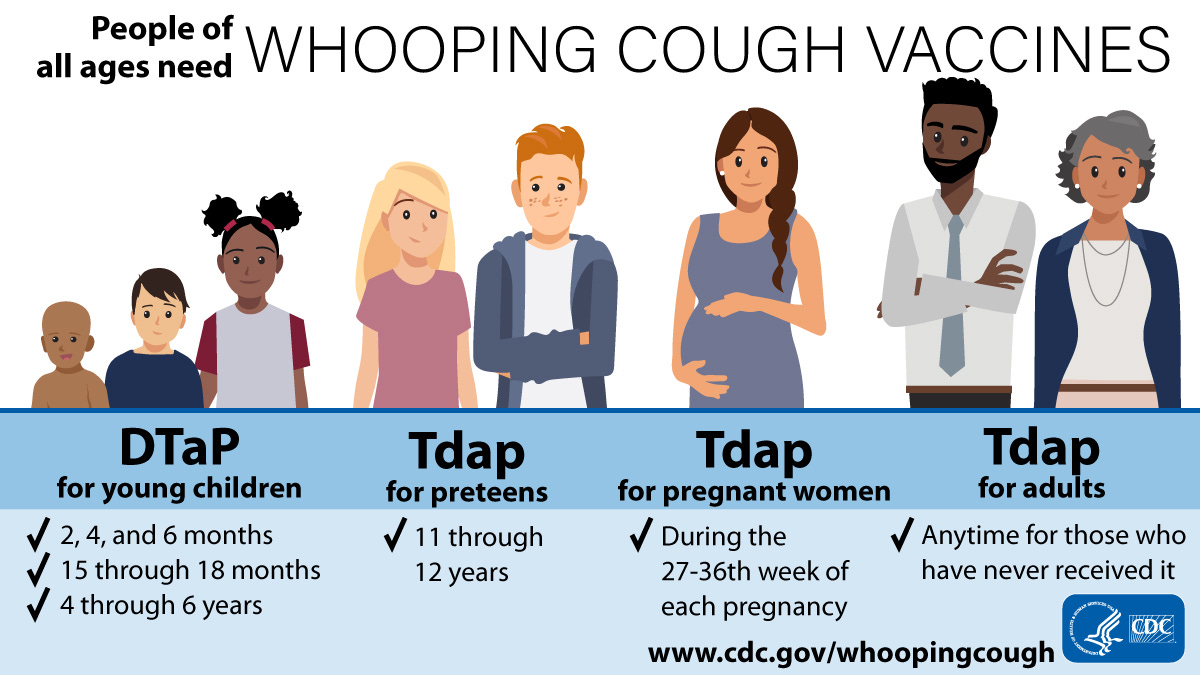
From: https://www.cdc.gov/pertussis/about/index.html
"This week, the CDC’s wastewater site did not update their data regarding SARS-CoV-2. But, we see from other sources that emergency department visits for COVID are low which is reassuring. Per JP Weiland, there are about 230,000 new infections COVID infections per day in America now and about every 1 in 144 people are currently infectious.
"WastewaterSCAN shows that SARS-CoV-2 levels are low in the West and are medium in the rest of the country. High levels are seen in some of the Northeastern states including Vermont, Maine, Massachusetts and New York state. WastewaterSCAN does not provide COVID wastewater levels for 12 states. California wastewater SARS-CoV-2 levels are low across the state per CDPH with high levels in Novato, Hollister, Woodland and Cambria.
SARS-CoV-2 in wastewater per WastewaterSCAN
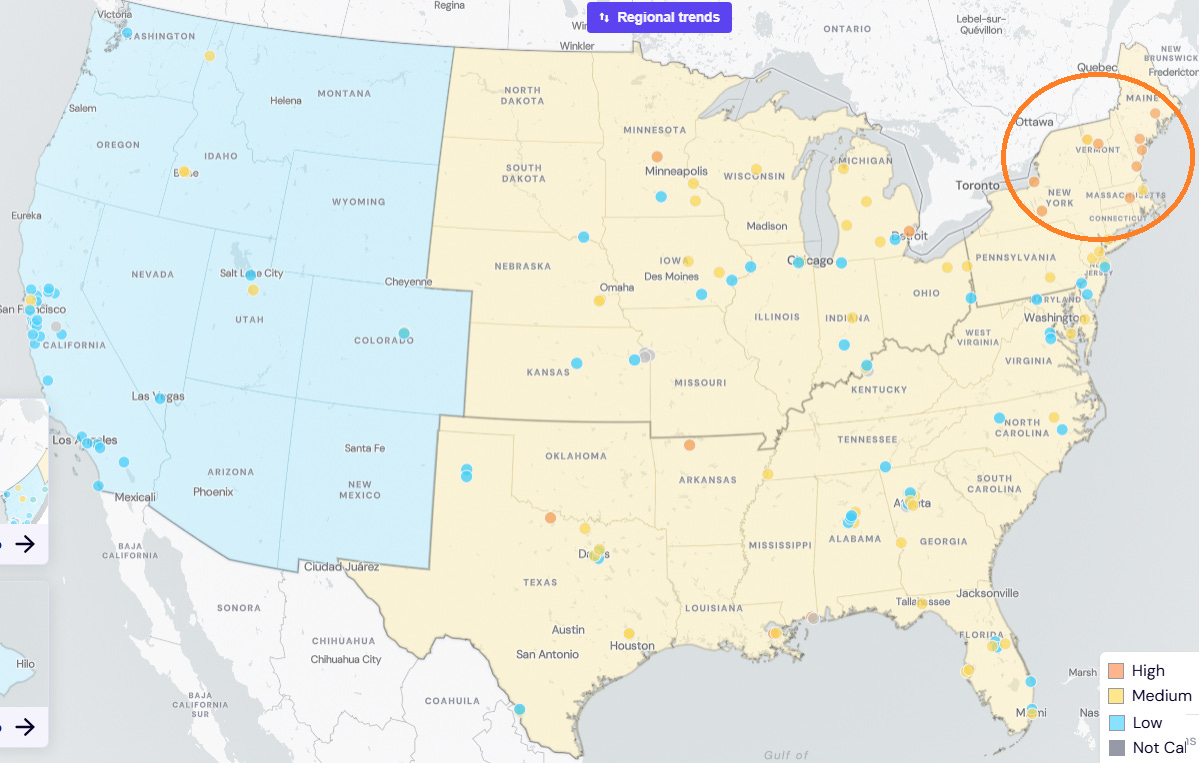
From: https://data.wastewaterscan.org/
COVID Variants
"LP.8.1 is dominant in most places around the world including the United States. The CDC variant tracker will update next week.
"A new variant called BA.3.2 was detected in South Africa and now has been seen in the Netherlands. In its current state, it is not expected to cause a wave unless it picks up some new mutations. We will have to follow it for now.
Acute COVID infections, General COVID info
"When a Singapore hospital stopped using full PPE and only required N95 masks for routine care of COVID patients, they found no increase in staff infection rates. Over 12 months, the change saved more than 440,000 gowns, cut 66,000 kg of plastic waste, reduced the hospital’s carbon footprint by nearly 400 metric tons, and saved around USD $334,000.
"Remember COVID toes? During the COVID-19 pandemic, researchers noticed a spike in cases of chilblains- painful, red skin lesions also called “COVID toes.” A study has found that people with pandemic chilblains have an unusually strong immune response to single-stranded RNA viruses like SARS-CoV-2, driven by overactive plasmacytoid dendritic cells (pDCs) responding to TLR7 signals. These individuals likely cleared the virus early with innate immunity, before developing antibodies, but the inflammation triggered chilblains in their toes.
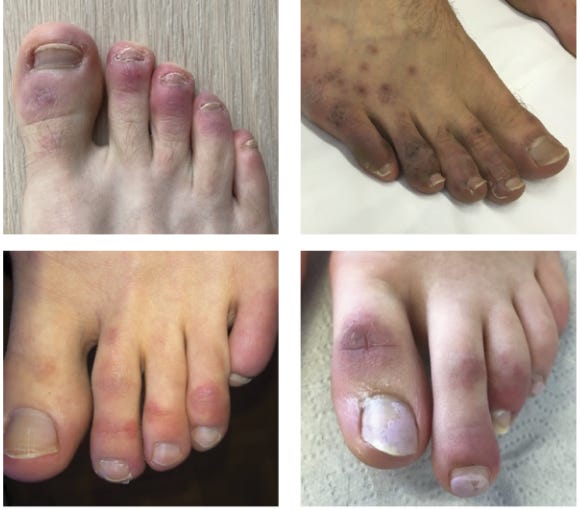
From: https://rupress.org/jem/article/222/7/e20231467/277384/Enhanced-TLR7-dependent-production-of-type-I
Driving under the influence of COVID
"Having an acute COVID infection, even if mild, increases the risk of a car crash by 25% which is comparable to driving with a blood alcohol level of 0.08%. COVID infections can cause cognitive impairment and the author recommends clinicians warn patients about the risks of driving if infected.
"In a 2-year study of patients who had COVID-19, researchers found that those with a gut microbiome dominated by Streptococcus during the acute phase were more likely to have severe illness and slower recovery, including lung abnormalities and lower exercise capacity. In contrast, a Blautia-dominated gut microbiome was linked to milder symptoms, faster viral clearance, and better long-term cardiopulmonary health. The study introduced the "B/S index" (Blautia + Bifidobacterium to Streptococcus ratio) as a potential marker to predict COVID severity and recovery.
Pediatrics
"Last week, it was reported that young children aged 1 to 6 years old who recovered from mild COVID infection had brain changes on MRI scans and virus-induced neuroinflammation. This week, two new very large studies show that COVID infection increases the risks of both cardiovascular and kidney disease in children. These studies show that there is a need for greater awareness, monitoring, and follow-up care to manage potential long-term complications in children and young people after SARS-CoV-2 infection.
"A large U.S. study of nearly 1.2 million children and adolescents found that those who had COVID-19 were at significantly increased risk for a range of cardiovascular problems—including myocarditis, heart failure, arrhythmias, and blood clots—up to six months after infection. These risks were seen in both children with and without congenital heart defects.
"Another large U.S. study of nearly 2 million children found that those who had COVID-19 were at increased risk of developing new or worsening kidney disease, especially if they had preexisting chronic kidney disease (CKD) or experienced acute kidney injury (AKI) during infection. Compared to uninfected peers, these children had significantly higher rates of CKD, declining kidney function, dialysis, and other serious outcomes up to two years later.
"A population-based study in southern Sweden found that adolescents aged 13–16 who screened positive for Celiac Disease autoantibodies had a significantly higher rate of prior SARS-CoV-2 infection than those without celiac disease antibodies. No such association was found for autoimmune thyroid disease or type 1 diabetes. SARS-CoV-2 may play a role in triggering Celiac Disease in genetically or environmentally susceptible adolescents, though further research is needed to understand causality.
Antiviral treatments
"A systematic review of 54 U.S.-based studies found that FDA-authorized COVID treatments, especially oral antivirals like Paxlovid and monoclonal antibodies, are generally safe and are not linked to serious side effects. The exception was tocilizumab, which may increase the risk of neutropenia and infection, and convalescent plasma, which showed a higher risk of bleeding and infection in patients with blood cancers. Overall, most adverse effects appeared to be due to COVID-19 itself rather than the treatments.
"Invivyd makes the monoclonal antibody Pemgarda which is approved to protect immunocompromised people from SARS-CoV-2 infection. Marc Elia, chairman of Invivyd and a Long COVID patient, wrote an Op Ed saying that U.S. government inaction and regulatory barriers are blocking access to innovative COVID treatments like monoclonal antibodies, leaving millions without adequate protection. Elia calls for urgent policy change, public advocacy, and more patient choice in accessing protective treatments, stating that bureaucratic inaction is worsening the Long COVID crisis.
Long COVID
"A group from the NIH evaluated pre-Omicron UCSF LIINC study samples from people who did not have COVID as compared to COVID-recovered controls and those with Long COVID. People who had COVID, especially those with Long COVID, showed signs of persistent immune dysfunction and metabolic imbalances up to four months after infection. Those with Long COVID had immature, inflamed immune cells, high oxidative stress, low tryptophan levels, and markers of immune cell exhaustion and senescence, especially in CD8 T-cells. The researchers also identified changes in gene methylation linked to disrupted metabolism and potentially increased cancer risk, suggesting that Long COVID may result from long-lasting damage to immune and metabolic systems, and may benefit from therapies that restore immune balance and reduce inflammation.
"A large UK study found that people with Post-COVID Condition (PCC or Long COVID) were more likely to show strong and persistent anti-nucleocapsid (anti-N) antibody responses after SARS-CoV-2 infection, especially if they were unvaccinated and infected with pre-Omicron variants. However, vaccination responses (anti-spike antibodies) did not differ between those with Long COVID and those who recovered fully, suggesting that altered immune responses to infection, not vaccination, may help explain Long COVID.
"A Swedish trial found no short-term benefit of hyperbaric oxygen therapy (HBOT) for Long COVID compared to placebo, though both groups improved. Exploratory results suggest women who completed all 10 sessions of HBOT may see long-term gains, and HBOT appeared safe.
"A study from the Netherlands using wearable devices found that people with Long COVID have lower heart rate variability (HRV) and signs of autonomic dysfunction, especially after exercise that exceeds the first ventilatory threshold (VT1). These findings suggest VT1 may be a key limit for avoiding post-exertional malaise and that wearables could help guide personalized pacing.
"A large study of electronic health records (EHRs) from over 6 million adults found significant overlap between Long COVID (PASC) and myalgic encephalomyelitis/ chronic fatigue syndrome (ME/CFS), especially in symptoms like fatigue, brain fog, and shortness of breath. While both conditions share many characteristics, heart and lung issues were more common in Long COVID, whereas pain, sleep disturbances, and immune or neuropsychiatric problems appeared more often in ME/CFS. These results suggest that some treatment strategies might work for both illnesses, even though there are also key differences.
"PolyBio is currently recruiting Long COVID patients for a trial on low dose Rapamycin in the New York City area. Dr. Stephanie Grach recently presented preliminary analysis from the Simmaron study showing that Rapamycin improved ME/CFS symptoms after 3 months of use.
H5N1
"The 3-year-old girl in Mexico who died from H5N1 avian flu was found to be caused by the D1.1 genotype which has been associated with severe human infections in the U.S. and Canada. No poultry outbreaks were reported in the patient's state, but H5N1 was detected in wild birds. The WHO and global health agencies say the overall human risk from H5N1 remains low, though it is higher for people with occupational exposure.
Measles
"As of 4/17/25, there have been 800 reported cases of Measles this year in the United States with 11% of cases hospitalized (85 of 800) and 3 deaths. Measles have been reported in 24 states.
"This week, Rachel Maddow reported that Dr. Ben Edwards, a Texas alternative medicine doctor that RFK Jr. had tweeted is an “extraordinary healer”, was filmed by the anti-vaccine group Children’s Health Defense as saying that Edwards was actively infected with Measles and was treating patients. This, of course, caused outrage although it may have been a publicity stunt since he also said that he had the MMR vaccine as a child, but was infected with the measles anyways. The Children’s Health Defense reporter said, “That [MMR] doesn’t work then, does it?” If he was truly susceptible to the measles, he probably would have been infected months ago given his exposure to many people with the measles.
Other news
"A new study shows that the immune-regulating molecule itaconate boosts the type I interferon (IFN) response by inhibiting the antioxidant enzyme PRDX5 in macrophages. This inhibition increases hydrogen peroxide levels, which leads to mitochondrial DNA leakage and activation of the STING pathway, ultimately enhancing IFN production. These findings reveal a novel link between redox signaling and immune activation and suggest that itaconate could be a promising therapeutic tool for inflammatory diseases.
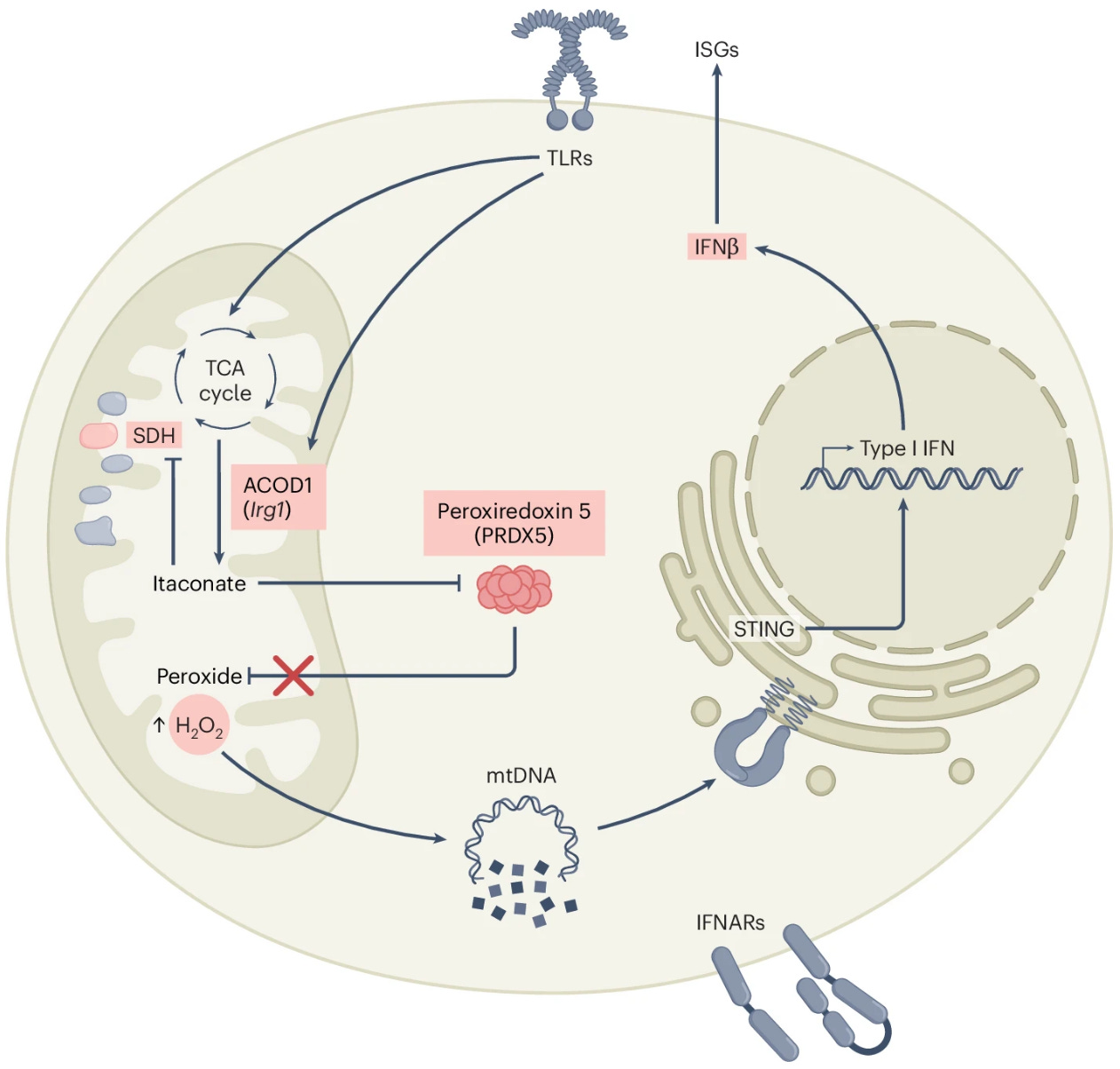
From: https://www.nature.com/articles/s42255-025-01274-1
"A new technique called RARE-seq dramatically improves the detection of rare cell-free RNAs in blood, making it easier to identify cancer and track treatment response or immune activity after vaccination. By refining every step of the process—from blood collection to bioinformatics—this method is over 50 times more sensitive than previous tools and may help advance personalized medicine.
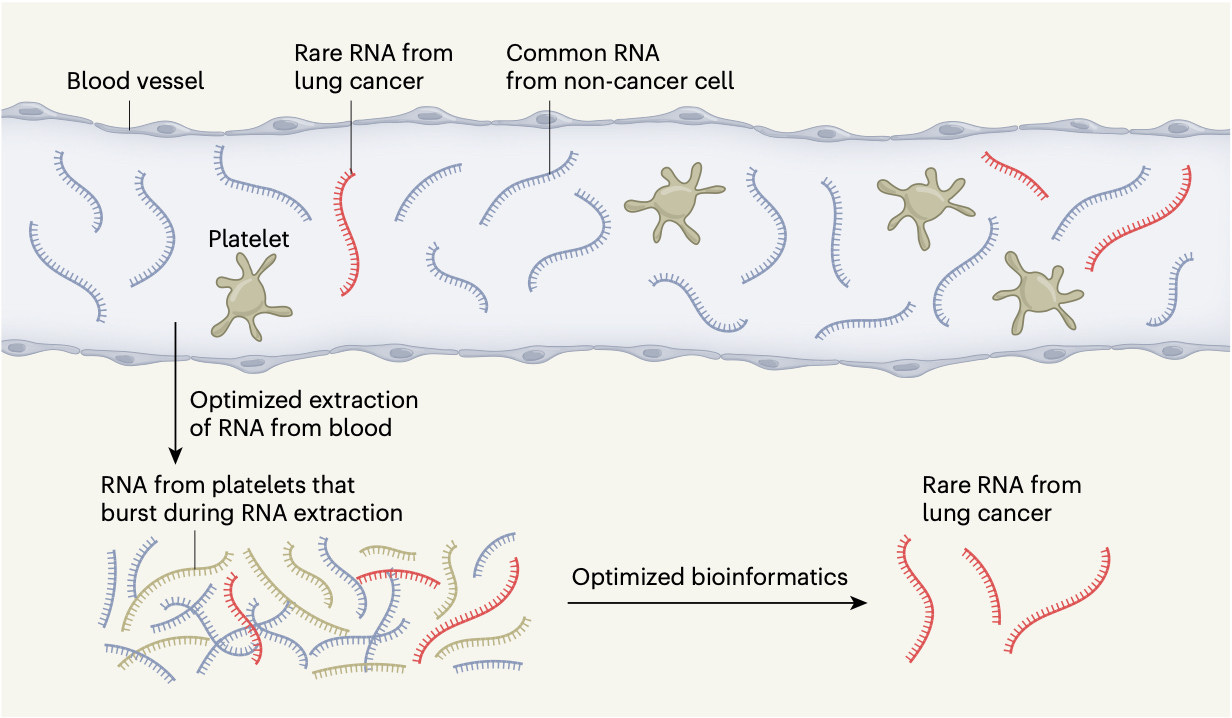
From: https://www.nature.com/articles/d41586-025-01127-7
"A 2-year-old boy who went missing in the remote Arizona wilderness was found safe after walking 7 miles through rough terrain and mountain lion territory. He was guided for at least the last mile by a ranch dog named Buford, an Anatolian Pyrenees, who normally guards livestock from coyotes.

Photo of Buford: KPNX
"Have a great week,
"Ruth Ann Crystal MD"





.jpg)
No comments:
Post a Comment