Katelyn Jetelina, 4/17/25
"ACIP (Advisory Committee on Immunization Practices)—the external advisory committee to CDC that guides U.S. vaccine policy—finally met this week after a two-month delay imposed by Health Secretary Kennedy. This meeting carried extra weight: it’s one of several levers Kennedy can use to influence vaccine policy in the U.S. Given his long history of casting doubt on vaccines, many closely watched this meeting. Including me.
"Here are your Cliff Notes—and more importantly, what it means for you.
Mostly business as usual
"Let’s start with the good news: the meeting was pretty normal. That shouldn’t be news… but these days, it is.
"Two big reasons why this meeting felt (mostly) status quo:
The committee makeup.
ACIP members are the same folks who served during the Biden administration. Despite Secretary Kennedy’s past accusations of members having conflicts of interest, nothing changed. That’s not surprising—ACIP has a strong process for managing COIs very transparently and rigorously. Maybe Kennedy needed to see that for himself. Or maybe changes are still on the way. Time will tell.The content.
The presentations remain solid: comprehensive overviews of risks and benefits, thoughtful discussion, and clear justification for vaccine policies. No conspiracy-laced slides. No manipulated data. Just science.
"Still, with four years ahead, there’s plenty of opportunity for Kennedy to interfere. So yes, I’ll keep watching.
Three things that were not business as usual
"1. Streaming scramble. After the administration’s sweeping CDC communication staff layoffs, the agency scrambled to meet the legal requirement of live-streaming the meeting. They made it happen, but not without glitches—technical issues interrupted parts of the public broadcast.
"2. A new voice at the table: Tracy Hoeg. While only ACIP members vote on decisions, other government and professional representatives can attend and comment. Typically, the FDA sends an employee to act as a liaison. This time, the administration sent a political appointee, Dr. Tracy Hoeg—a sports medicine doctor known for her vocal criticism of Covid-19 policies and repeatedly misrepresenting science. She made her presence known at the meeting, questioning the safety and effectiveness of multiple vaccines.
"3. A shift toward a European-style vaccine policy?
"This is worth unpacking. I’ll preface by saying I don’t think this is driven by political interference (yet).
"In recent years, there has been a groundswell movement to shift the U.S. health policy toward a European model (think red dye and fluoride). We are starting to see this national conversation happen with vaccinations.
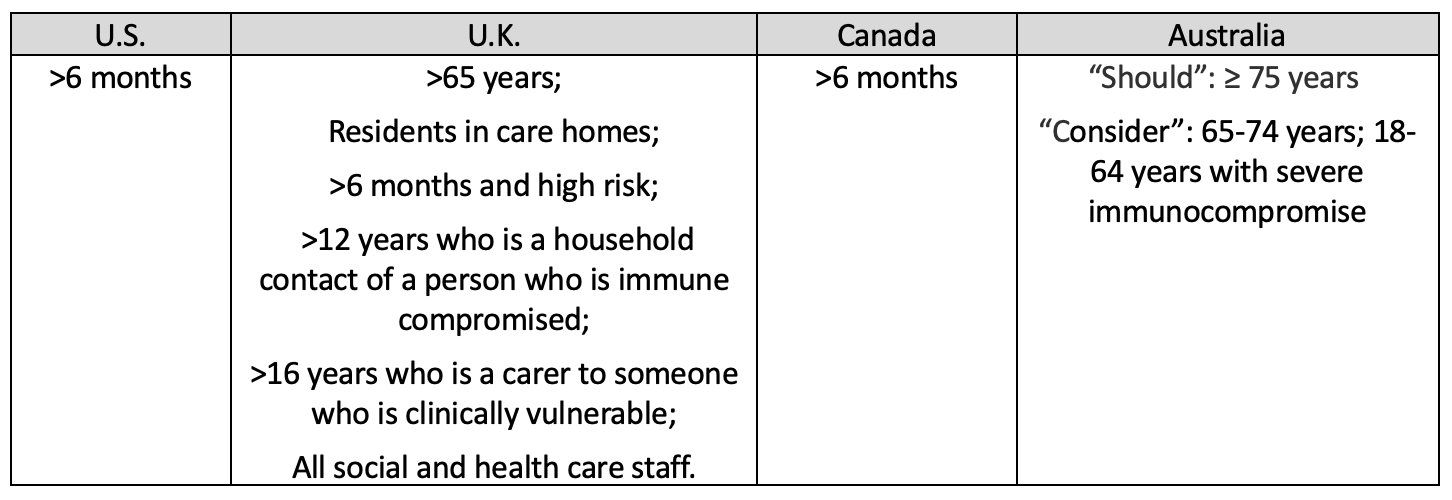
"For years, the U.S. has leaned toward universal vaccination for things like flu and Covid-19—meaning everyone is recommended to get vaccinated. In contrast, many European countries follow a risk-based approach, recommending vaccines only for high-risk groups.
"There are some good reasons we do universal vaccination in the U.S.:
Implementation: Implementing and communicating universal vaccination recommendations is much easier.
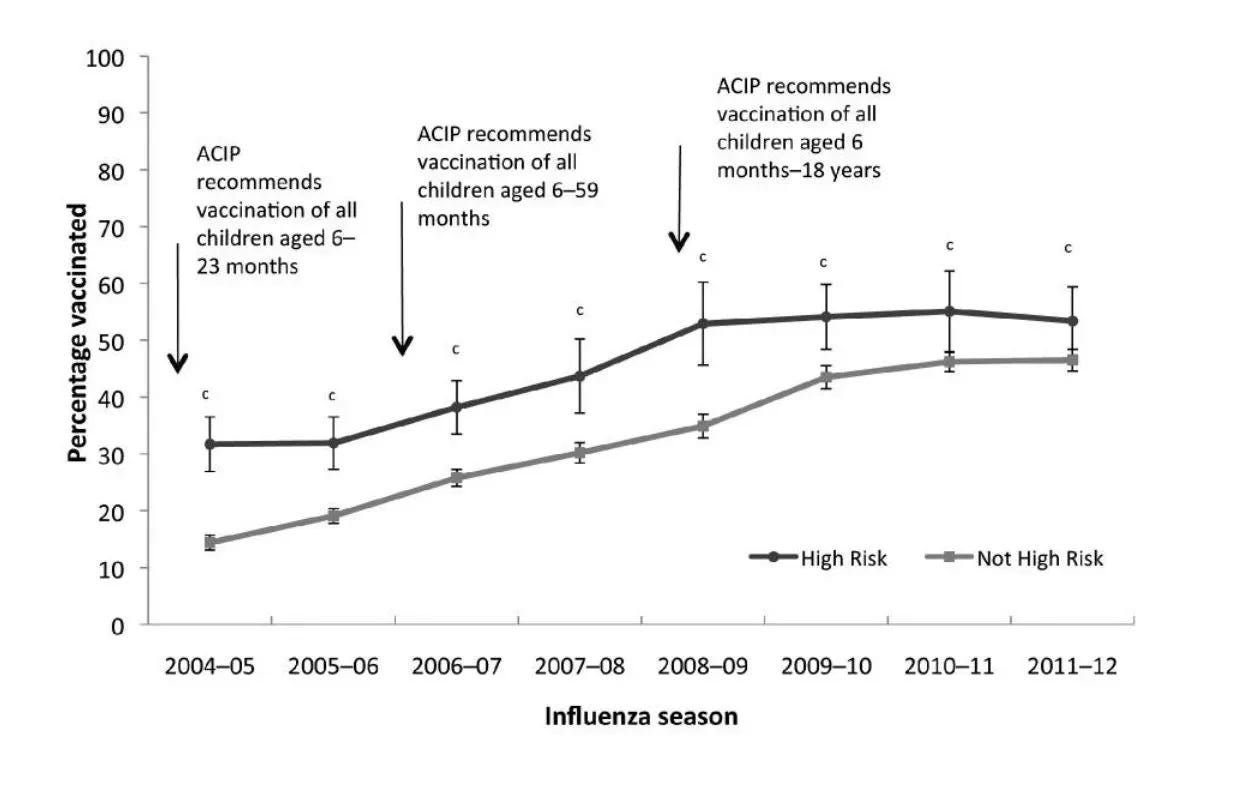
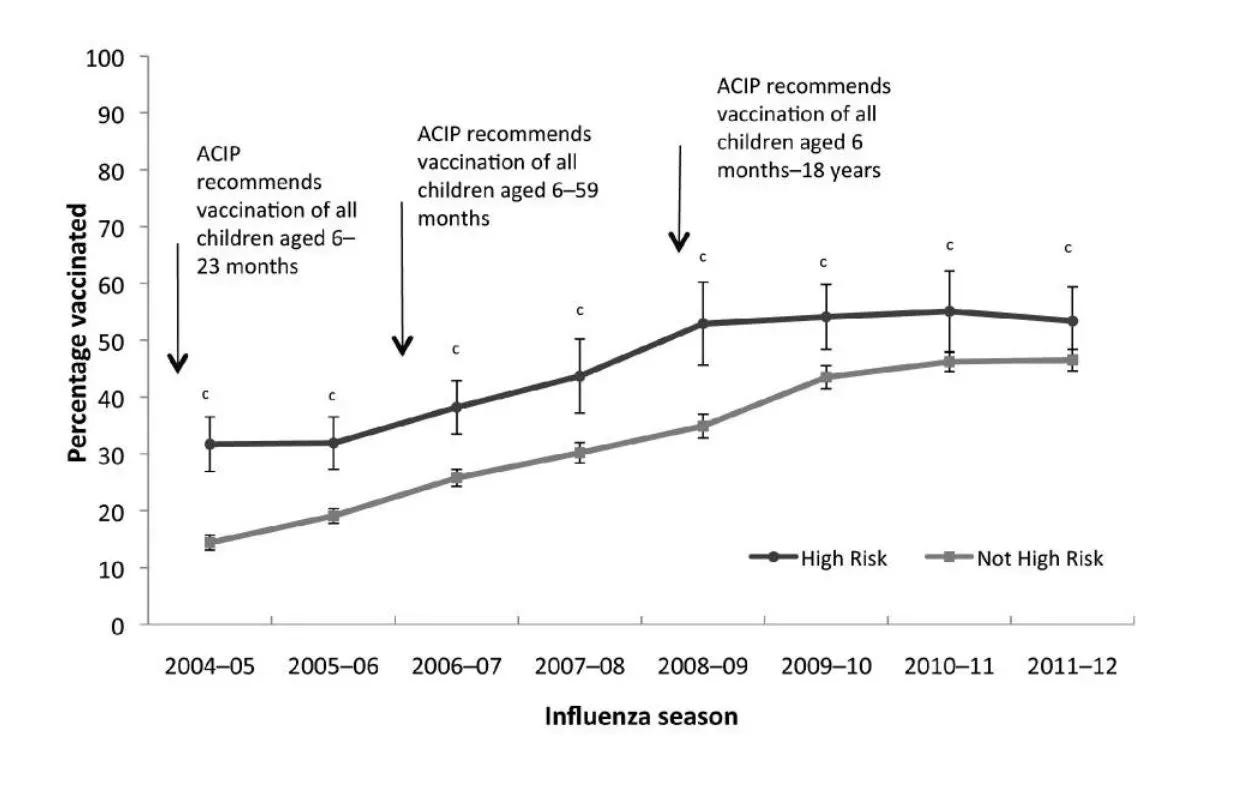
Possible increased uptake. At first, flu vaccines were only recommended to high-risk people in the U.S.; however, once this was made universal, coverage increased among everyone including *high-risk* because it became easier for everyone to get a vaccine. However, this is based on very weak data. (It could be increasing for several other reasons.)
Insurance and access implications. I’ve made the argument before (see previous YLE post below) that we need to be careful in making the same policy decisions as other countries given the U.S. health landscape (crappy health care, lack of access, paid sick leave, and service) is so different.
Be careful comparing the U.S. to other countries
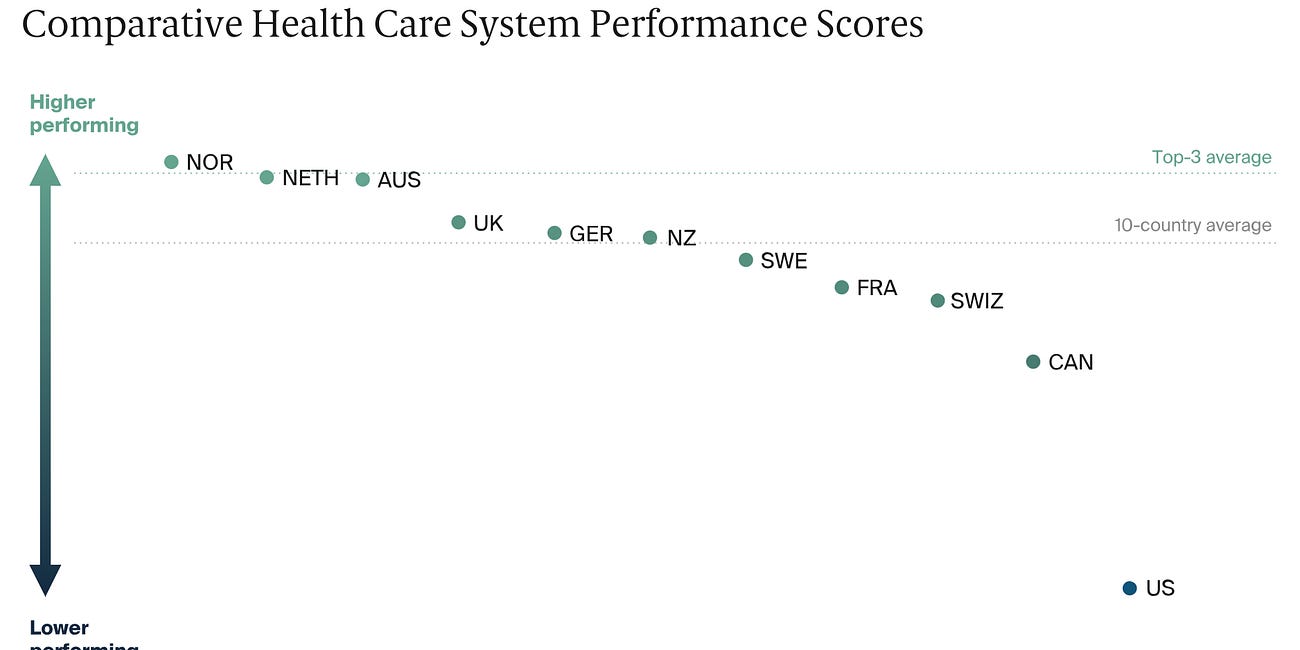
"In recent weeks, some have been quick to criticize health policy decisions in the U.S. by pointing to decisions made in other countries.
"For Covid-19, a few factors are driving the discussion to move towards risk-based:
Vaccine fatigue is real.
Many doctors are hesitant to even bring up COVID vaccines due to politicization.
We just came out of a “mild” winter—though let’s be clear, it still meant tens of thousands of deaths.
There’s been a cultural sea change in how Americans think about Covid-19—and vaccine policy reflects culture as much as science.
"I was surprised that 75% of CDC staff working on this issue supported implementing risk-based recommendations. The ACIP committee seems more mixed.
"CDC hasn’t decided yet—but they will in June, when they determine who’s eligible for fall Covid-19. I wouldn’t be surprised if this decision-making process also extended to flu vaccines.
"I honestly don’t know how June will go.
What does this mean for you?
"For now: no changes. The science for all vaccines and the integrity of ACIP are holding strong. No red flags, no new data that should change your behavior today.
"There may be changes to the Covid-19 vaccine (and possibly the flu vaccine) on who receives the vaccine if the U.S. adopts risk-based guidance in June. There are a few ways this could play out:
Vaccines remain universally recommended. Everyone gets access—just like now.
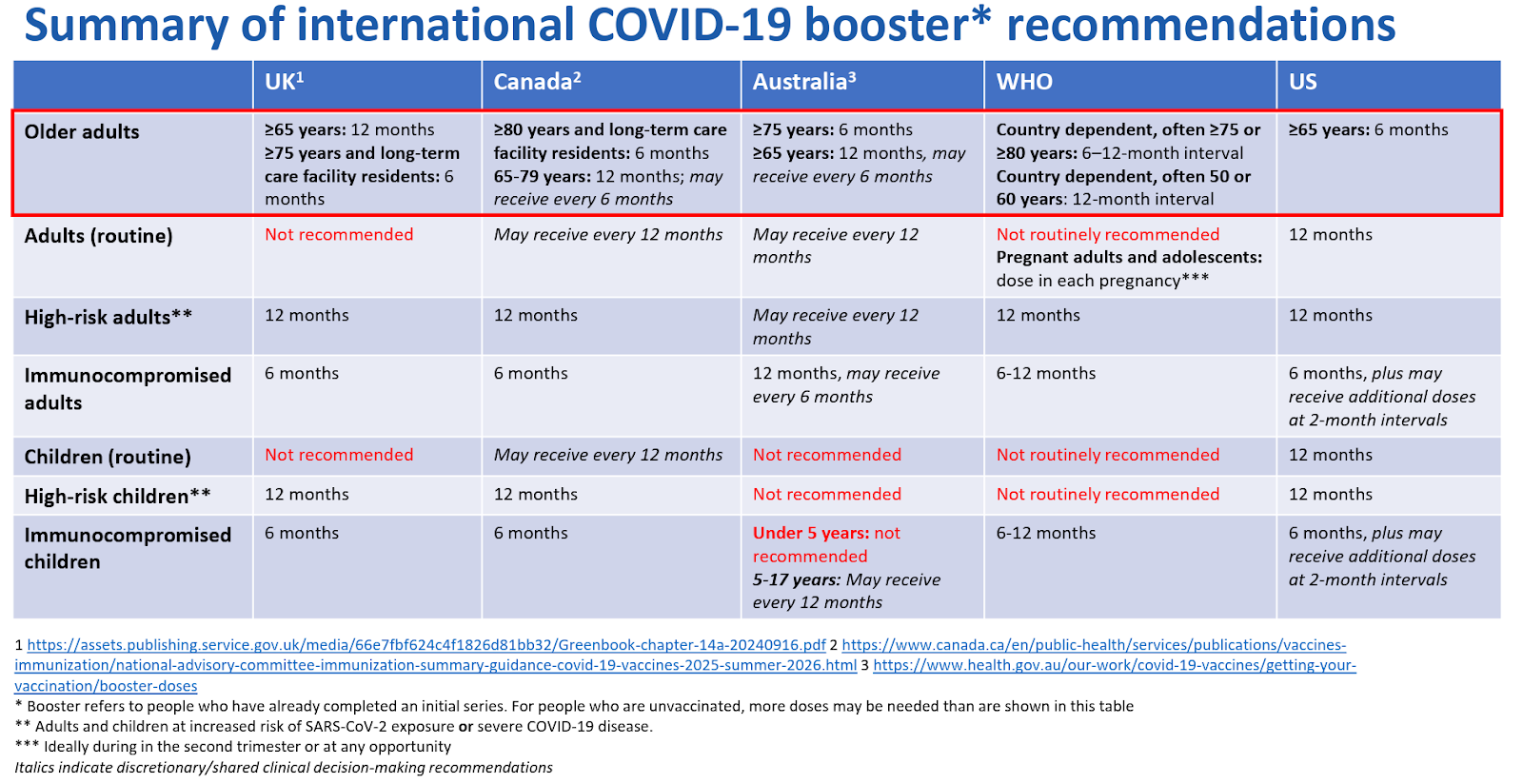
Only high-risk groups are recommended. (Think the U.K. model.) Or,
A hybrid approach. Everyone can get it, but only high-risk groups are told they should. This would mean insurance still covers it.
"Time will tell.
Should I get a Spring Covid-19 vaccine?
"If you’re high risk, this question is top of mind right now. Here’s what ACIP shared this week:
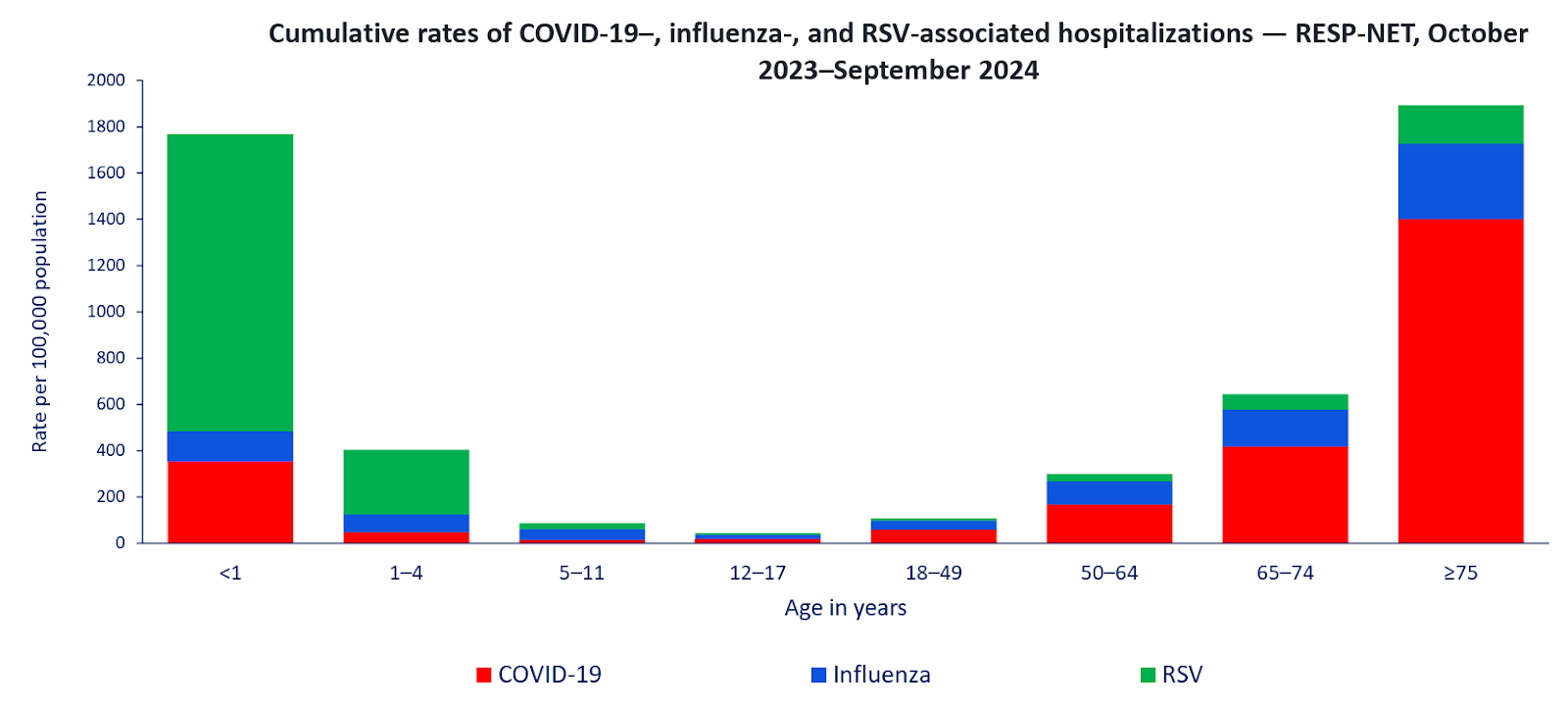
Yes, this Covid-19 winter was mild—but it’s not gone. It still sent tens of thousands to the hospital and claimed more than 50,000 lives last year, hitting older adults and infants the hardest.
Long Covid still exists (though rates have gone down).
This year’s vaccine worked. It provided ~40% added protection against hospitalization and ~30% against urgent care visits.
"Keeping up with vaccines, especially older adults, is really important. All countries agree on this, too. The U.S. and other high-income countries still recommend a Covid vaccine every 6 months for people over 65 (or 75).
"That’s why I’ll be telling my 90-year-old grandpa to get his spring Covid-19 vaccine. Go here to find a vaccine near you.
"Three small updates regarding other vaccines from ACIP today:
RSV vaccination for more at-risk adults. The eligibility expanded to 50+ year olds who should get a vaccine in fall to cover those with chronic conditions.
Another meningococcal vaccine will be available with another strain for kiddos and young adults.
A new chikungunya vaccine will be available for adults who are traveling to a country or territory experiencing an outbreak, adults before traveling or moving to a country or territory without an outbreak, and lab workers.
Bottom line
"This ACIP meeting looked typical on the surface, but some shifts are brewing—especially around Covid-19 vaccine policy (and possibly flu thereafter). We’ll know more in June.
"In the meantime, stay up to date on your vaccines—including a spring Covid-19 shot if you’re an older adult. I’ll keep tracking all these moving pieces so you don’t have to.
"Love, YLE"





.jpg)
No comments:
Post a Comment