-----------------------------------------------
"Similar to last week, acute respiratory illnesses like COVID, the Flu and RSV are low on a national level. Influenza B had been quite high in the Northeast, but it also has come down significantly. Human Metapneumovirus (HMPV) which causes cold-like symptoms is still descending in the Northeast and Midwest.
COVID
"SARS-CoV-2 wastewater levels are at LOW levels according to the CDC in most places in the U.S., as are Emergency Department visits for COVID and COVID deaths. JP Weiland estimates about 190,000 new COVID infections per day nationwide with 1 in 173 Americans currently infected as of May 9.
"In California, Vallejo had a large increase to 387 PMMoV of SARS-CoV-2 in wastewater, while the next highest levels according to WastewaterSCAN are Novato at 295 PMMoV and Palo Alto at 290 PMMoV. WastewaterSCAN is more current than the CDC reporting, but it omits 12 states’ data. CDC wastewater data is from a week ago.
SARS-CoV-2 Variants
"Right now, we are in a good place with low SARS-CoV-2 wastewater levels in most places in the US. The LP.8.1 variant continues to dominate and represents 70% of COVID cases in the US now, and newcomer XFC (also known as XFG) is at 9% of cases. NB.1.8.1 is growing quickly in Asia and has been shown to have both high ACE2 binding and significant immune escape according to a new study from Yunlong Cao’s lab. XFG (aka XFC) shows strong immune evasion, but has reduced receptor binding, suggesting it may require additional mutations to become more transmissible. Ryan Hisner explains the findings well in this thread.
Variants
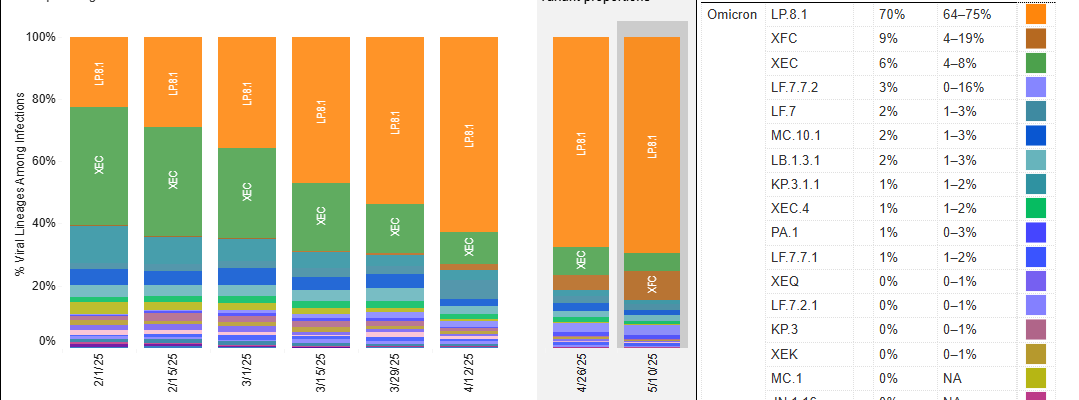
From: https://covid.cdc.gov/covid-data-tracker/#variant-proportions
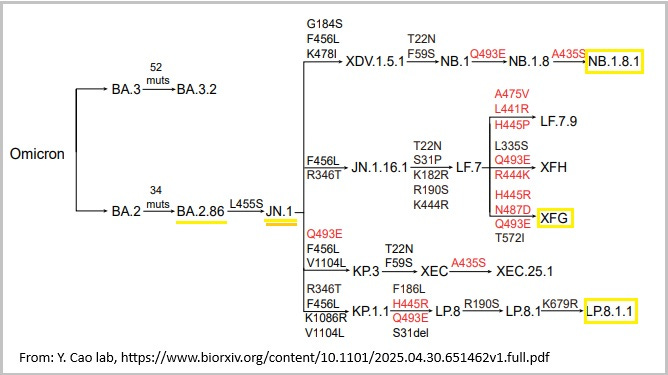
From: https://www.biorxiv.org/content/10.1101/2025.04.30.651462v1.full.pdf
Acute COVID infections, General COVID info
"A new study shows that SARS-CoV-2 nucleocapsid protein (NP) can transfer from infected cells to nearby uninfected lung epithelial cells, where it triggers antibody-driven complement attack. This immune response can damage uninfected cells, potentially contributing to the tissue injury observed in moderate to severe COVID infection. Higher anti-NP antibody levels were found in patients with lung abnormalities. Enoxaparin was found to block NP binding and prevent complement deposition.
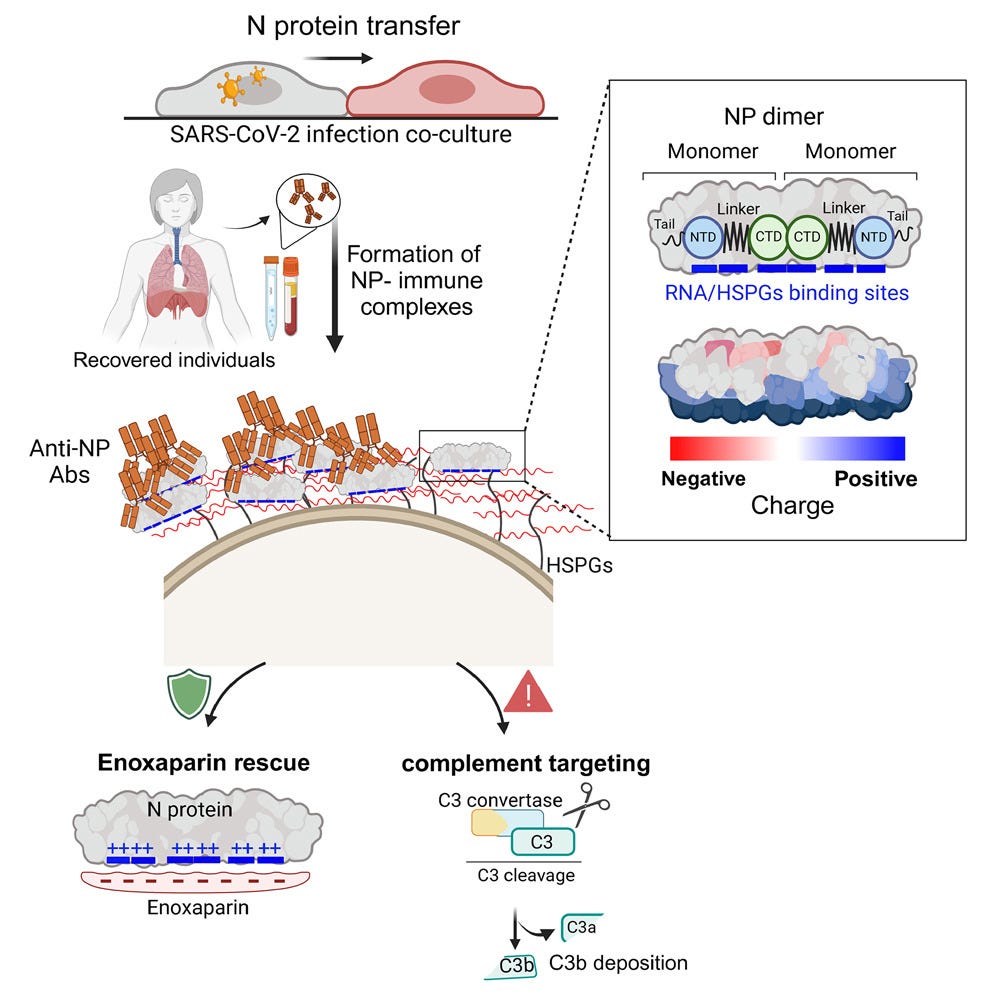
From: https://www.cell.com/cell-reports/fulltext/S2211-1247(25)00283-9
"A new comprehensive review from Harvard explains how the SARS-CoV-2 spike protein enables viral entry into host cells and how mutations affect its function. It explores how structural changes in the spike protein contribute to immune escape and transmissibility of new variants with implications for vaccine and therapeutic design.
Fig. 2: A model for membrane fusion mediated by SARS-CoV-2 S protein.
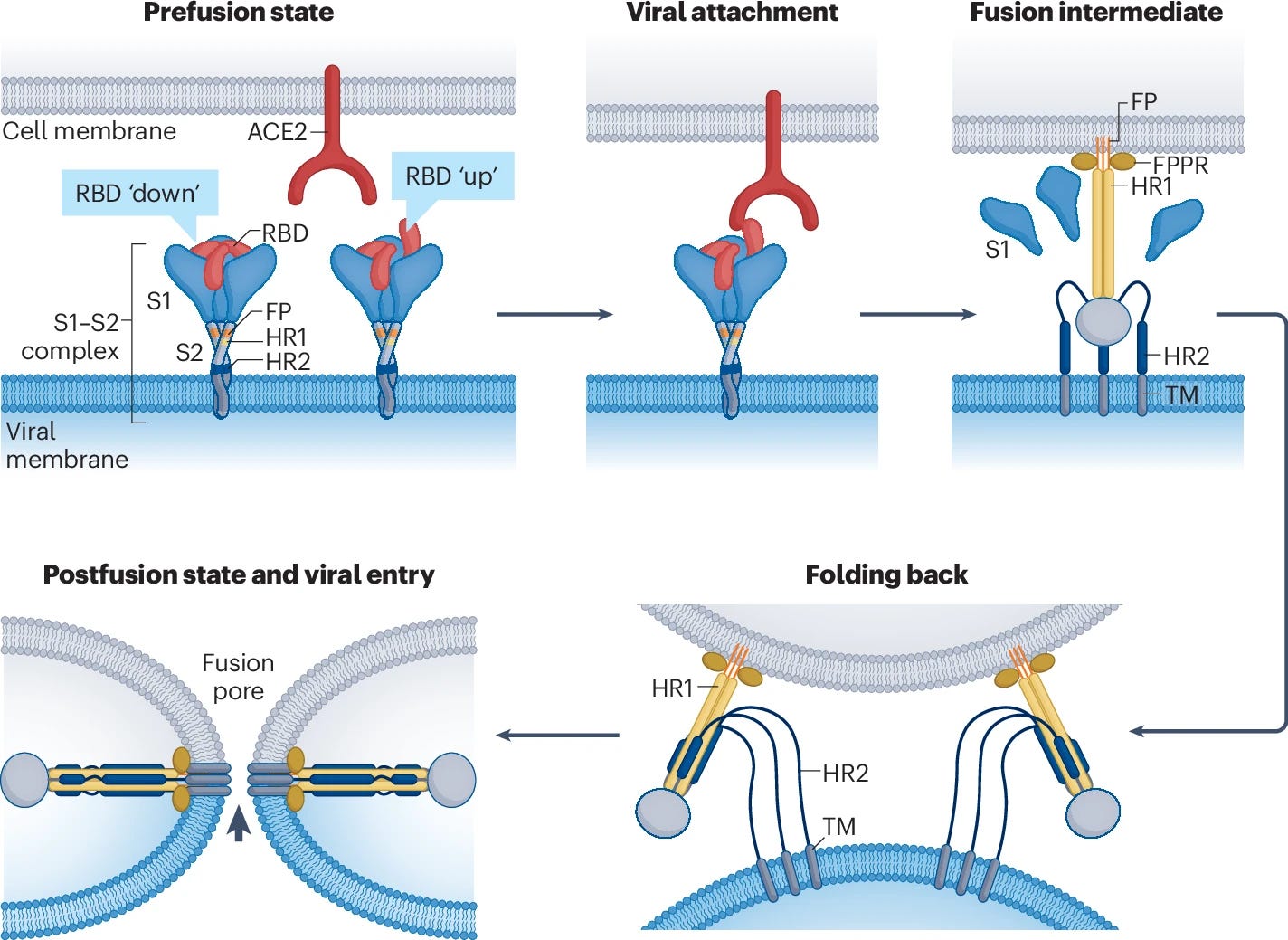
From: https://www.nature.com/articles/s41579-025-01185-8
Vaccines
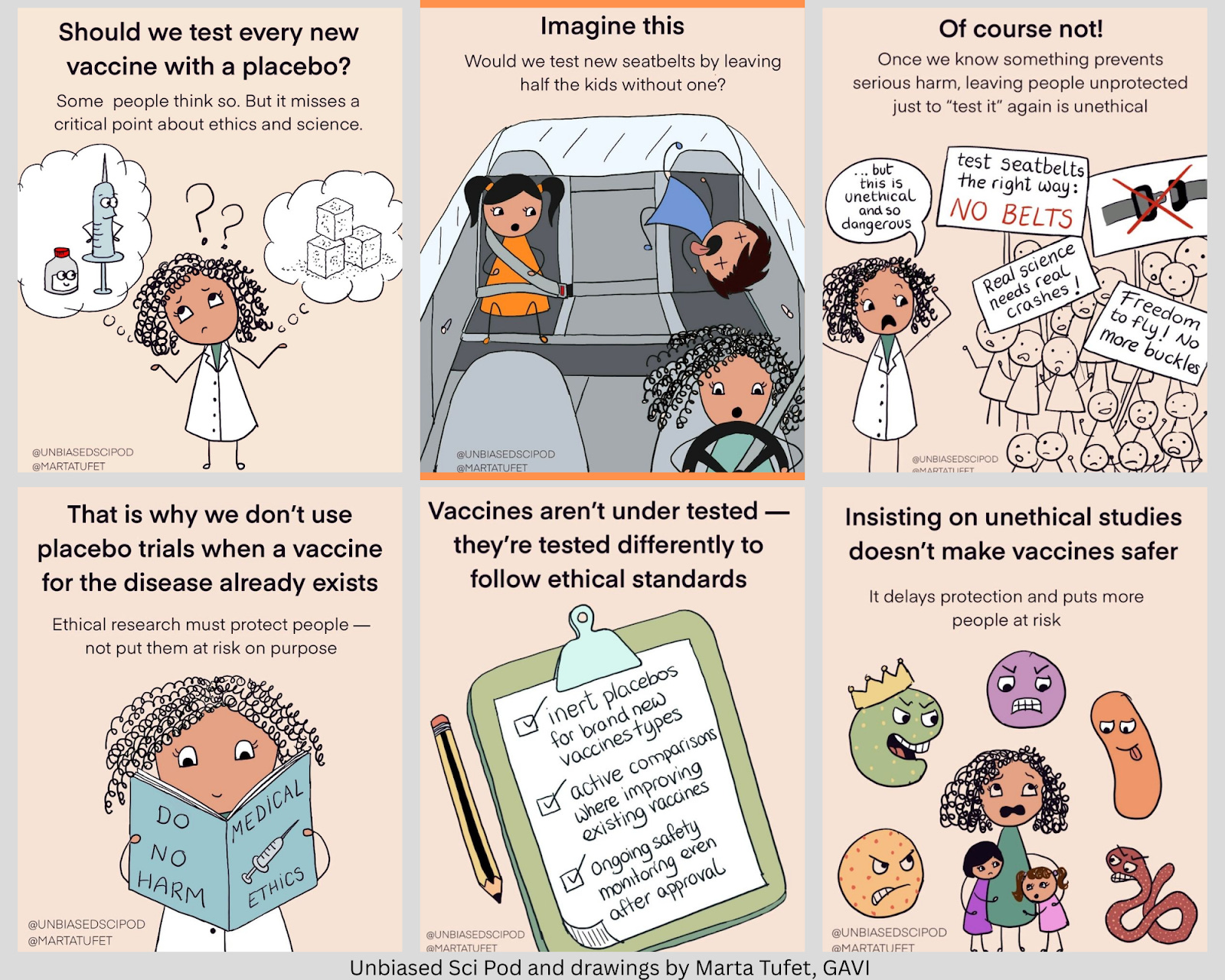
"Amid declining vaccination rates and rising outbreaks of preventable diseases like measles, Health and Human Services Secretary Robert Kennedy Jr. announced plans to require placebo-controlled trials for vaccines. Requiring new placebo trials for vaccine updates, such as yearly updates for COVID or flu, is unnecessary, unethical, and could result in delayed protection against evolving viruses. You wouldn’t test new seatbelts by leaving half of the passengers without one because it has been proven that they protect.
From: Marta Tufet, UnbiasedSciPod via BK Titanji
"Moderna's phase 3 trial of a combined flu and COVID-19 mRNA vaccine in adults aged 50 and older showed strong immune responses and a safety profile comparable to separate vaccines. The combo vaccine elicited higher antibody levels against both viruses, suggesting potential for simplifying vaccination schedules. Regulatory approval is pending further efficacy data.
"A study using U.S. Veterans Affairs data found that the 2024–25 Pfizer COVID-19 booster was 68% effective against hospitalization, 57% against emergency or urgent care visits, and 56% against outpatient visits. Despite these findings, vaccine uptake was low, with only 3.7% of eligible individuals vaccinated by November 2024. Researchers recommend increasing booster coverage to reduce severe COVID outcomes.
"David Ho’s lab looked at the efficacy of the 2024-2025 mRNA COVID vaccine and found that "Serum neutralizing antibody titers against LP.8.1 were comparable to those against KP.3.1.1 and XEC, indicating that LP.8.1 is antigenically similar to its predecessors." So, this vaccine should work well against LP.8.1, the main variant in circulation now.
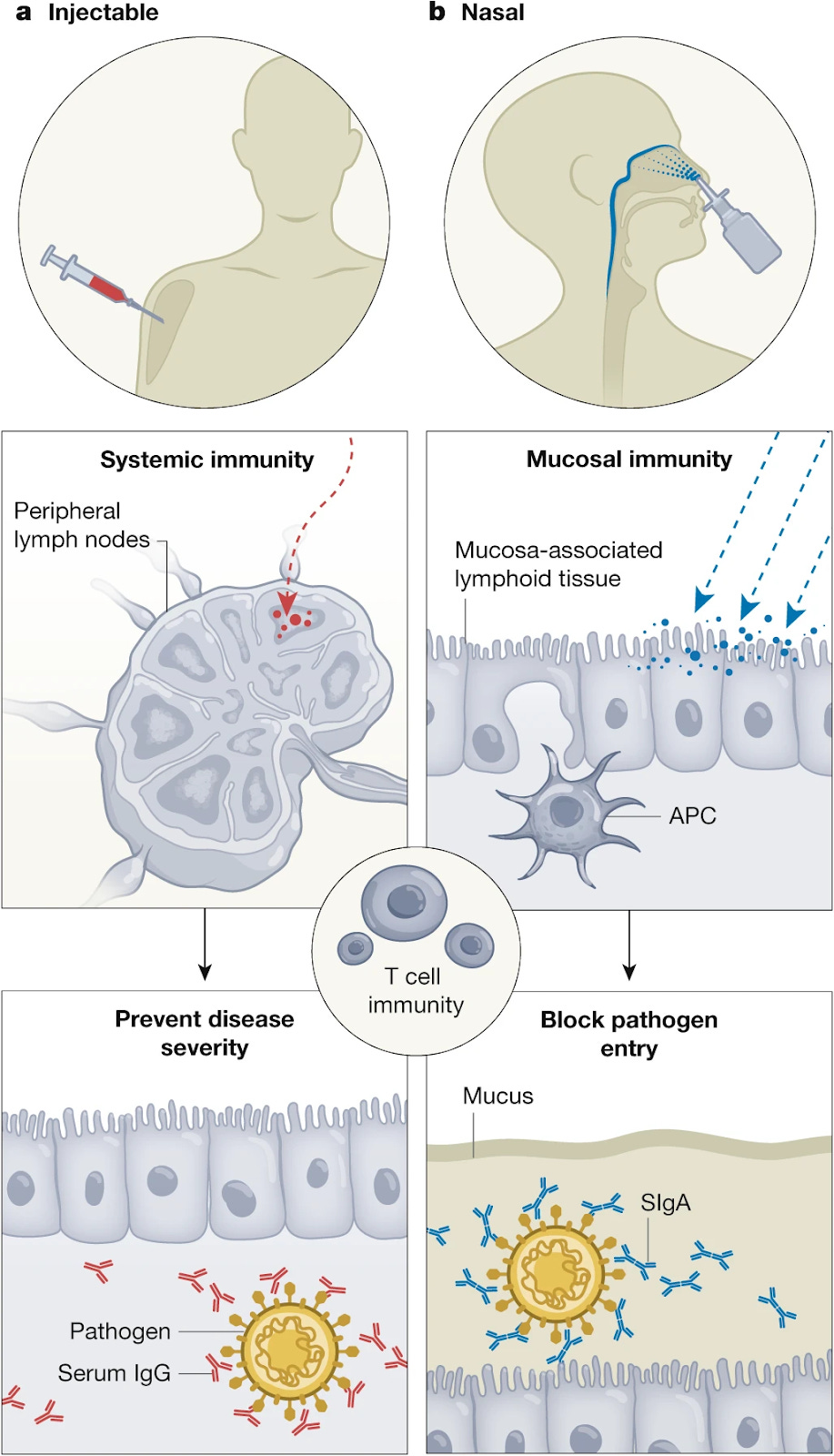
"A new review in Nature highlights the promise of nasal vaccines in preventing respiratory infections, including COVID. By stimulating mucosal immunity in the nose and upper airways and producing both IgA and IgG, these vaccines may offer faster and more effective protection at the site of viral entry.
From: https://www.nature.com/articles/s41586-025-08910-6/figures/1
Antiviral treatments
"A study from Spain found that each day of delay in receiving COVID antiviral medications increased the risk of hospitalization or death by nearly 18% for vulnerable patients. Patients with advanced age, comorbidities, or immunosuppression and mild to moderate COVID infection who received prescriptions directly from emergency physicians were treated faster and had better outcomes.
Long COVID
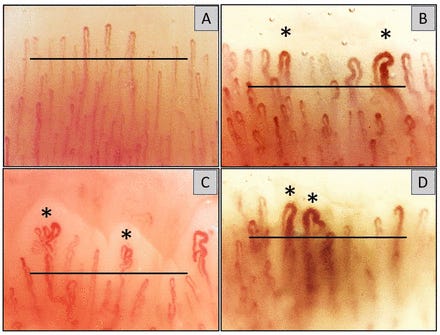
"In a multicenter Italian study, researchers used nailfold video capillaroscopy (NVC) to identify microvascular damage in Long COVID patients up to 18 months after infection. Long COVID patients had significantly more dilated capillaries, microhemorrhages, abnormal capillary shapes (neoangiogenesis) and lower capillary density than both recovered COVID patients without Long COVID and healthy controls. Comparing NVC images in patients who had NVC before COVID infection and after COVID infection confirmed new vascular damage following infection. Capillaries are important for all tissues including muscles and the heart to be able to extract oxygen from the blood. Endothelial injury may be contributing to Long COVID symptoms.
Figure 1
"Nailfold videocapillaroscopy picture of a control healthy subject (A), a recovered COVID-19 patient without Long covid (B) and two Long COVID patients (C and D). Black line shows 1 mm.
"Photo A (control healthy subject, male, 60 years old), normal capillary density (12 capillaries per linear mm), normal hairpin capillaries without dilations, microhemorrhages, or abnormal capillary shapes.
"Photo B (recovered COVID patient without Long COVID, male, 53 years old), dilated capillaries are highlighted by asterisks and capillary density is normal (9 capillaries per linear mm).
"Photo C (Long COVID patient without systemic sclerosis, male, 42 years old), two abnormal capillary shapes (neoangiogenesis) are highlighted by asterisks and capillary density is reduced (5 capillaries per linear mm).
"Photo D (Long COVID patient without systemic sclerosis, female, 39 years old), two dilations are highlighted by asterisks and capillary density is 8 capillaries per linear mm.
From: https://rmdopen.bmj.com/content/11/2/e005469
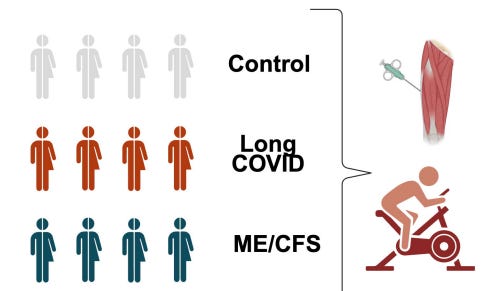
"A new study from Rob Wüst’s lab found that patients with Long COVID and ME/CFS have distinct skeletal muscle changes not explained by inactivity or bed rest. Both Long COVID and ME/CFS groups showed reduced muscle oxidative capacity and altered mitochondrial function on muscle biopsy. Additionally, ME/CFS patients had greater impairments in muscle membrane excitability. “Patients with Long COVID and ME/CFS did not have muscle atrophy, but had less capillaries and more glycolytic fibers, none of which were associated with maximal oxygen uptake.” The authors conclude that Long COVID and ME/CFS have distinct biological muscle pathologies requiring targeted treatment approaches.
From: https://www.medrxiv.org/content/10.1101/2025.05.02.25326885v1.full.pdf
"The Schmidt Initiative for Long Covid (SILC) announced a clinical trial to be led by Dr. Nancy Klimas at Nova Southeastern University that will test AstraZeneca’s long-acting monoclonal antibody Sipavibart as a potential treatment for Long COVID. The randomized, placebo-controlled trial will enroll 100 participants to assess symptom improvement and residual spike protein presence. The study builds on earlier reports of Long COVID remission after monoclonal antibody use and aims to expand treatment options for millions affected worldwide.
"A systematic review and meta-analysis of nearly 140,000 participants found that excess weight and obesity are linked to increased risk of neurological symptoms in Long COVID patients including headaches, numbness/tingling, memory issues, vertigo and depression. Researchers suggest that fat tissue may serve as a reservoir for the virus, contributing to prolonged symptoms.
"A systematic review of 35 studies involving 4.4 million COVID patients found that 1.37% developed new-onset diabetes after COVID infection, a rate higher than the general population. Most cases were type 2 diabetes, and risk factors included severe COVID infection, hospitalization, and pre-existing health conditions. Researchers suggest monitoring COVID survivors for diabetes, especially those with risk factors.
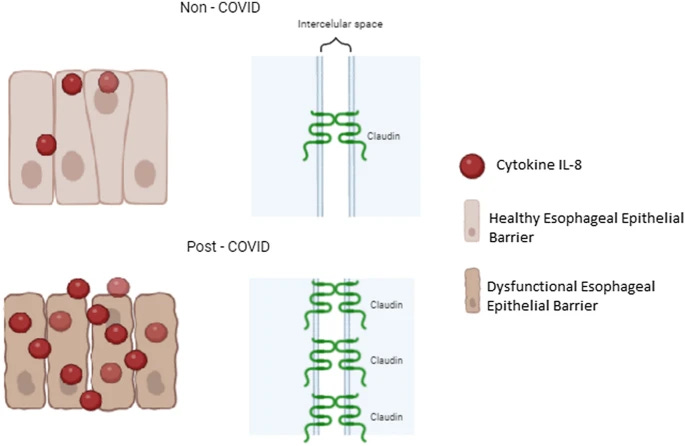
"A prospective study found that 55 hospitalized patients recovering from COVID reported significantly increased symptoms of heartburn and acid reflux 3 to 6 months after hospital discharge. Biopsies revealed higher esophageal permeability under acidic conditions, increased IL-8 levels, and elevated expression of Claudin-2, a tight junction protein that weakens epithelial barrier function. These findings suggest COVID infection can cause long-lasting damage to the esophageal lining, potentially explaining persistent gastrointestinal symptoms in Long COVID.
Graphical Abstract
From: https://link.springer.com/article/10.1007/s10620-025-09062-3
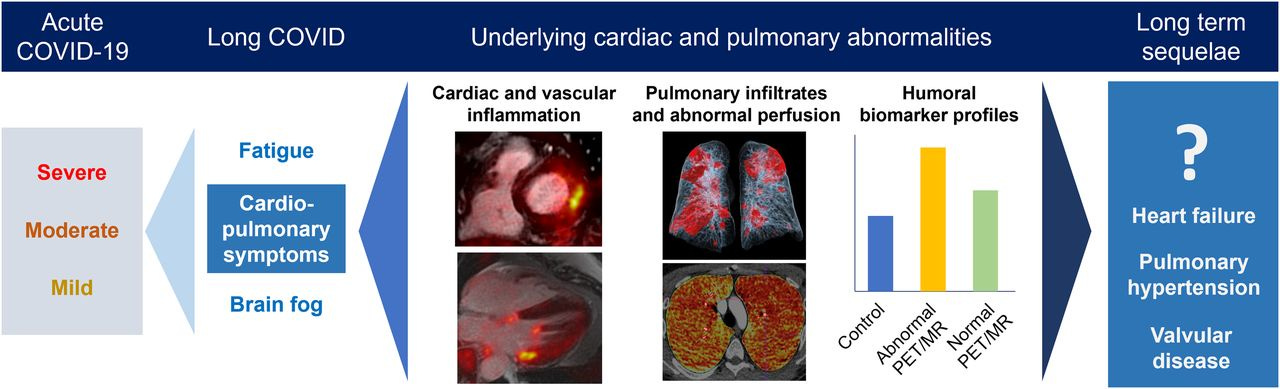
"A preprint study from Mount Sinai found that 57% of Respiratory Long COVID patients with ongoing shortness of breath showed signs of heart and lung inflammation nearly a year after infection, even when standard tests were normal. Advanced imaging like PET/MRI and DECT revealed myocarditis, vascular inflammation, pulmonary infiltrates, and perfusion defects in a majority of patients. Blood tests also showed abnormal protein profiles linked to inflammation. These findings suggest that Long COVID can cause hidden cardiopulmonary damage, and advanced imaging like PET/MRI and DECT may be key to detecting and managing long-term risks.
Graphical Abstract
From: https://jnm.snmjournals.org/content/early/2025/04/30/jnumed.124.268980
"A preprint from Germany reports that 68 individuals with Long COVID had unusually active CD8+ T cells and elevated IL-3 levels, which may drive inflammation and symptom severity up to 18 months after acute COVID infection. These immune signatures could help identify patients at risk and guide development of targeted therapies.
"Using single-cell analysis, scientists in China uncovered widespread changes in alternative polyadenylation (APA) of mRNA in brain-related cells after COVID infection. These disruptions may contribute to neurological and psychiatric symptoms observed in Long COVID patients.
"Dr. Lindsay McAlpine of Yale recently announced an upcoming public forum on Long COVID pathogenesis on Thursday May 15 at 10:30am ET.
H5N1 Bird Flu
"According to CIDRAP, “University of Maryland scientists are calling for increased surveillance of avian flu in domestic cats after a global review of 20 years of published data reveals a dramatic uptick in feline infections—and the number of ways cats are being infected—after the emergence of H5N1 clade 2.3.4.4b in other mammals.” Experts warn that domestic animals could act as intermediaries, facilitating virus adaptation and increasing pandemic risk.
"The US government cut $160 million in funding to the UN’s Food and Agriculture Organization (FAO), shutting down 64 global health security projects, including bird flu surveillance in 51 countries. US farming and dairy groups warn that this move jeopardizes early warning systems that help protect American agriculture. More than 31 million birds in the United States have already been culled in 2025, triggering export losses, egg shortages and fears of human transmission.
Measles
"As of May 9, 2025, the United States has reported 1,001 confirmed Measles cases across 30 states with 13% of Measles cases being hospitalized, mostly in children, and 3 confirmed Measles deaths. Texas remains the epicenter with 709 measles cases, particularly concentrated in West Texas counties with low vaccination rates.
"The outbreaks are linked primarily to undervaccinated communities and international travel. Measles can be severe, causing high fever, rash, pneumonia, encephalitis and even death, particularly in unvaccinated individuals. The Measles, Mumps, and Rubella (MMR) vaccine remains the most effective prevention method. Herd immunity in a community requires over 95% vaccination rates, but vaccination rates have declined since the pandemic due to increased exemptions.
"About 180 unvaccinated students in Williams County, North Dakota, are under a 21-day quarantine after measles exposure was confirmed in three Williston schools, where four infected individuals were present while contagious. Health officials have identified nine total cases and declared a community outbreak highlighting low MMR vaccination rates among local kindergartners which have dropped below the 95% threshold needed to prevent spread.
Other news
"In a study of over 2.2 million adults in South Korea, researchers found that people aged 50 and older who received the live zoster (shingles) vaccine had significantly lower risks of major cardiovascular events compared to those who were unvaccinated. The vaccine was linked to reduced rates of heart failure, stroke, ischemic heart disease, and arrhythmias, with the greatest benefits appearing 2 to 3 years after vaccination. The protective effect lasted up to 8 years and was especially strong among men, people under 60, those with unhealthy lifestyles, and those from low-income or rural backgrounds.
"Could a vaccine prevent the progression of Alzheimer’s disease? Researchers from New Mexico have made a tau-targeting vaccine called pT181-Qß which they tested in mice and in non-human primates. The vaccine triggered strong antibody responses, was safe, and reduced abnormal tau buildup while improving memory, motor function, and preventing brain shrinkage. These results support the potential of pT181-Qß as a future vaccine to treat tau-related neurodegenerative diseases like Alzheimer’s Disease.
"I recently took a picture of a bee pollinating a foxglove flower and when I looked at the photo afterward, I saw that another bee had flown and photobombed the shot.

"Happy Mother’s Day!
"Have a good week,
"Ruth Ann Crystal MD"





.jpg)
No comments:
Post a Comment