-------------------------------------------------------------
Dr. Ruth Report, 4/19/26
Ruth Ann Crystal MD
Respiratory Illnesses in the United States:
As of Friday, April 17, 2026:
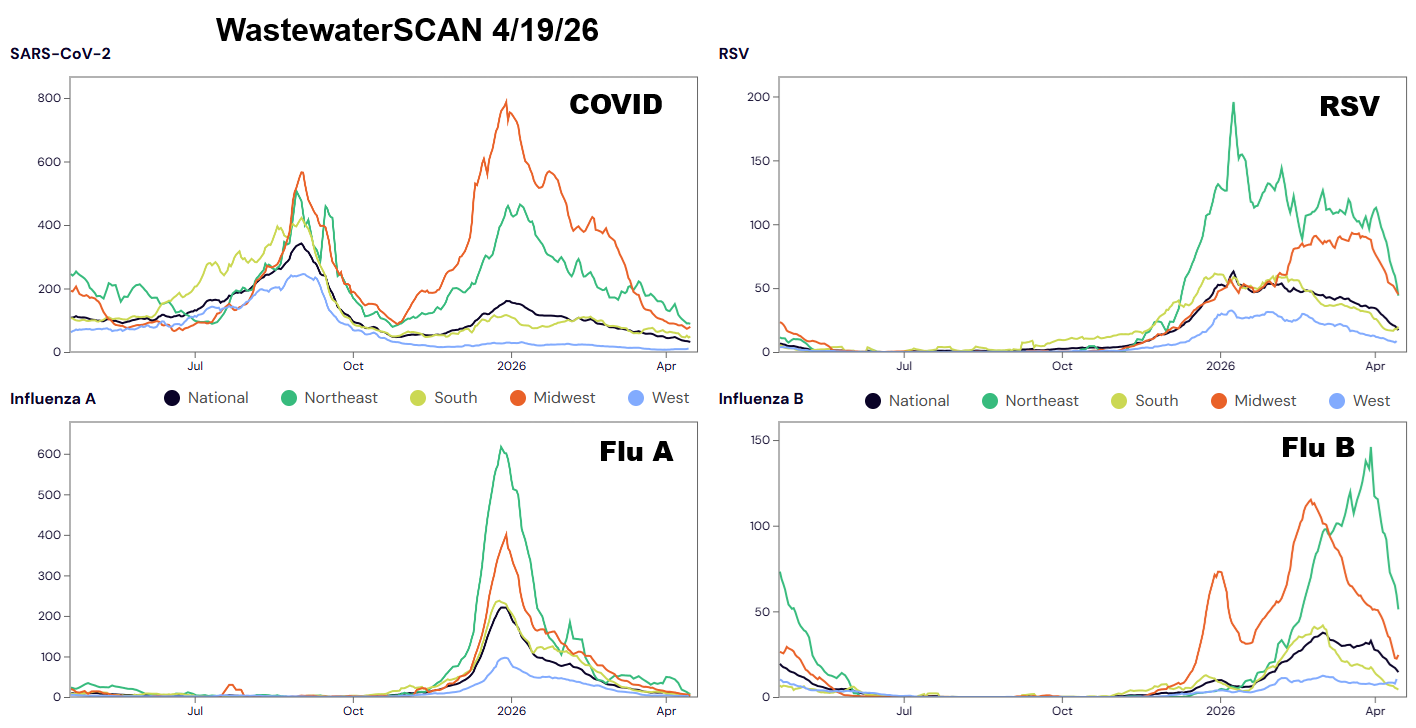
RSV activity is elevated, but has peaked in most regions.
Influenza A activity is low and Influenza B activity is medium, but is trending downward.
COVID activity is low in most places in the United States with some pockets that are higher. Overall, COVID levels are the lowest that they have been in several years.
Regional wastewater levels for COVID, RSV, Flu A, Flu B:
From: https://data.wastewaterscan.org/
Wastewater levels of SARS-CoV-2 are at their lowest in almost 3 years, but there are still about 200,000 new COVID infections daily across the states with 1 in 226 people currently infected.
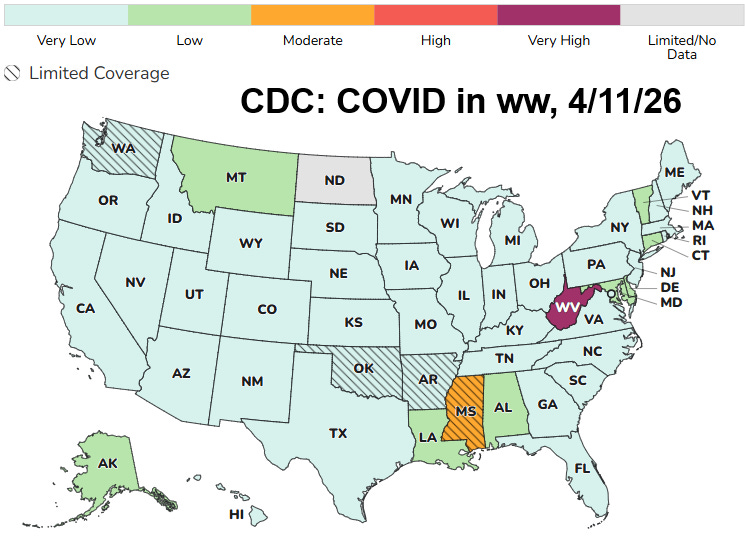
From: https://www.cdc.gov/respiratory-viruses/data/activity-levels.html
As Ryan Hisner posted, “BA.3.2’s propensity for children is undeniable at this point.” JAMA had a new article this week on the BA.3.2 (Cicada) SARS-CoV-2 Variant.
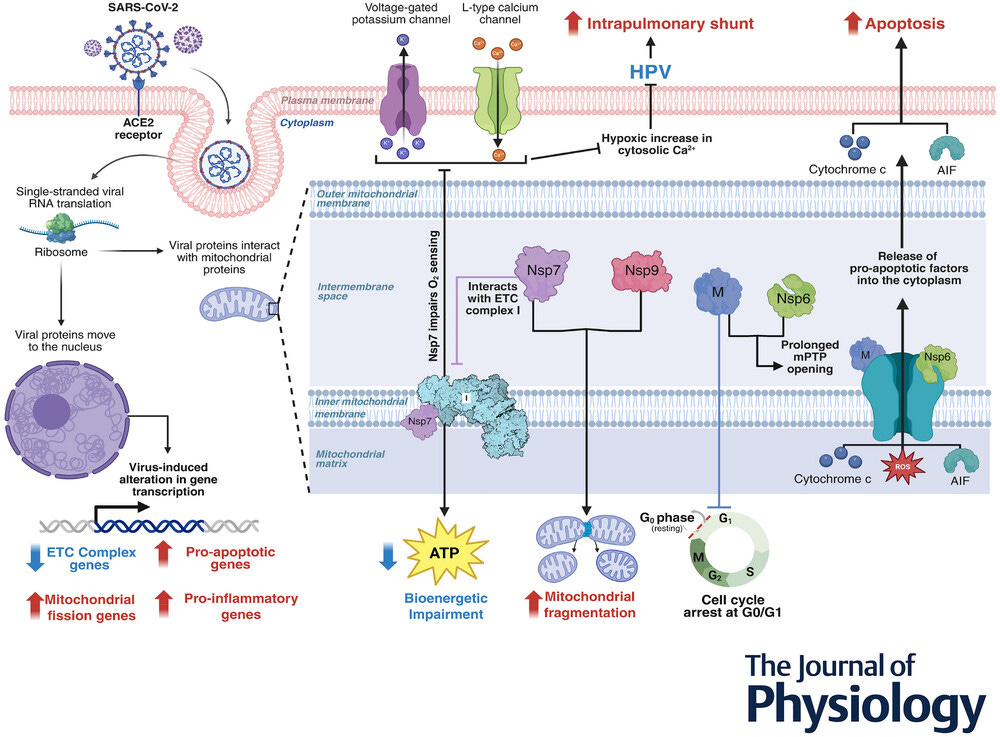
4/9/26 J of Physiology: SARS‐CoV‐2 targets mitochondria, exacerbating COVID‐19 pneumonia https://buff.ly/7g8fM0q
A review from the University of Cambridge looks at the biochemical processes in which SARS-CoV-2 disrupts mitochondrial function in lung cells, leading to impaired energy production and increased inflammatory responses that can worsen pneumonia severity. “Emerging studies suggest even after the active infection is resolved, residual viral proteins, particularly SARS-CoV-2 spike protein, may linger and continue to cause damage to the mitochondria by increasing oxidative stress and disrupting energy metabolism” in Long COVID.
From: https://physoc.onlinelibrary.wiley.com/doi/full/10.1113/JP290297
4/10/26 BioRxiV (UC Irvine): Phagocytic Clearance of SARS-CoV-2 Nucleocapsid- and RNA-Containing Immune Complexes Drives Inflammatory Cytokine Production and Endothelial Dysfunction https://buff.ly/N7h6hCs
University of California Irvine scientists found that immune complexes (ICs) containing SARS-CoV-2 RNA + nucleocapsid (N) protein + human anti-N antibodies induce inflammatory cytokines and chemokines in monocytes which can lead to endothelial vascular dysfunction, severe COVID infection, and possibly Long COVID inflammatory and vascular complications.
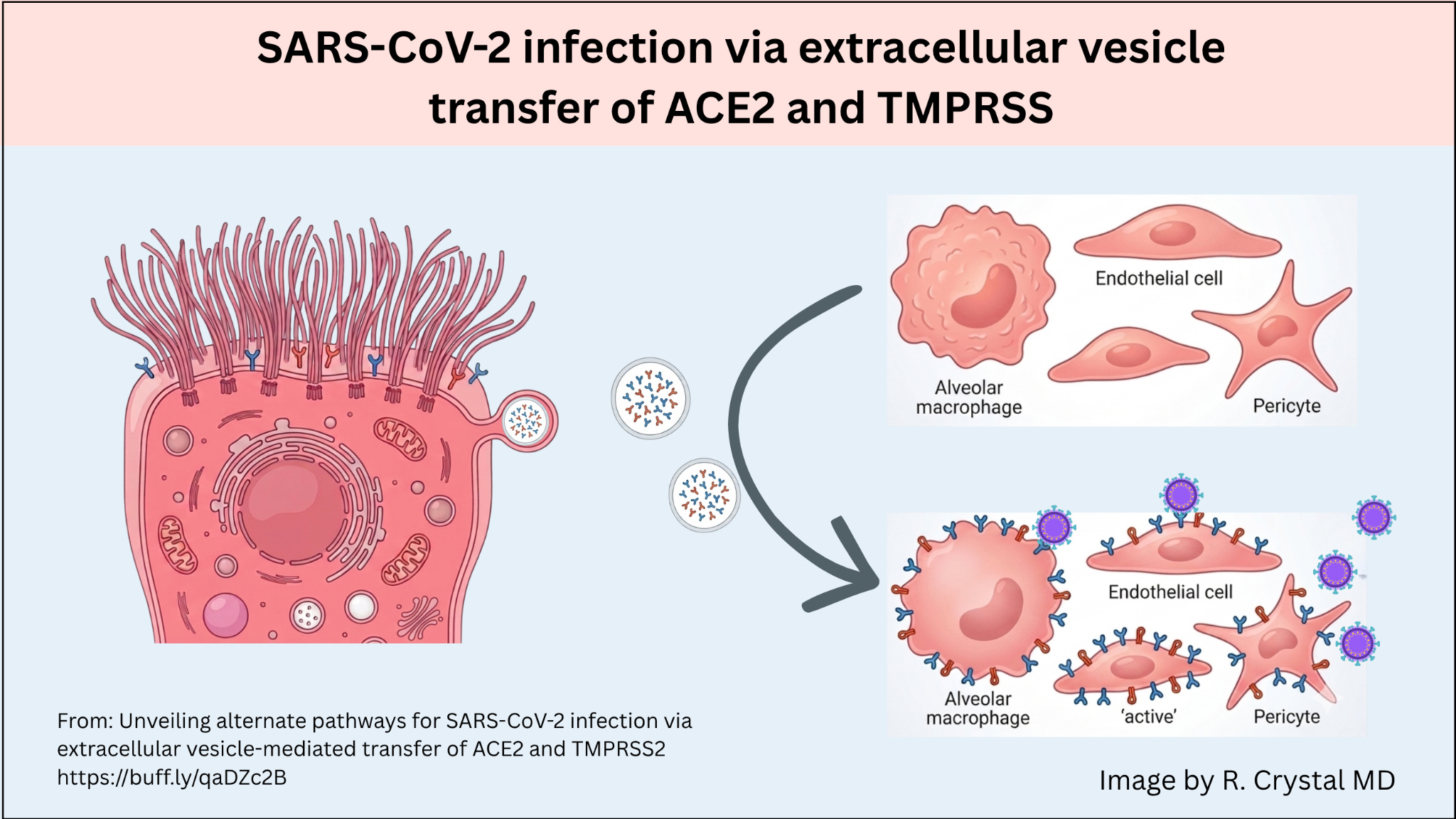
4/10/26 Nature (Mt Sinai): Unveiling alternate pathways for SARS-CoV-2 infection via extracellular vesicle-mediated transfer of ACE2 and TMPRSS2 https://buff.ly/qaDZc2B
Icahn School of Medicine (Mount Sinai) scientists found that lung epithelial cells can transfer ACE2 and TMPRSS2 receptors via extracellular vesicles to macrophages, endothelial cells, and pericytes. These receptors enable SARS-CoV-2 to infect cells that would otherwise be resistant to the virus.
4/16/26 Journal of Virology: HuR enhances SARS-CoV-2 non-structural protein translation through the genomic 5′-UTR, by promoting polypyrimidine tract-binding protein binding https://buff.ly/vQGzTRQ
SARS-CoV-2 hijacks the host protein HuR which boosts early production of viral proteins and simultaneously suppresses structural protein translation. Blocking HuR reduced viral RNA levels, decreased growth of the virus, and made cells significantly more sensitive to Remdesivir. Therefore, HuR may be a potential antiviral target.
4/6/26 Mucosal Immunology: Differential effects of SARS-CoV-2-targeted infection of ATII, club cells, and macrophages on lung immunopathology and antiviral responses https://buff.ly/Alf6sr4
A mouse study showed that SARS-CoV-2 infection in different lung cell types leads to different immune responses. Infection of club cells triggered early antiviral defenses and caused only mild damage, while infection of ATII cells led to higher viral loads and moderate inflammation. When macrophages were infected along with ATII cells, the combined effect caused severe lung injury, increased viral burden, and prolonged tissue damage, suggesting that interactions between cell types play an important role in COVID severity.
3/30/26 Frontiers in Immunology: Thymidine phosphorylase promotes SARS-CoV-2 spike protein-driven lung tumor development https://buff.ly/OIOu8Td
Marshall University researchers analyzed 166,807 patients and found a statistically significant increase in lung cancer risk among COVID survivors, particularly in smokers, Mouse studies showed that the SARS-CoV-2 spike protein activates the enzyme TYMP, triggering fibrosis, and inflammation. TYMP may be a target for prevention.
4/13/26 Nature: SARS-CoV-2 infection during the first trimester leads to profound immune dysregulation at the maternal-fetal interface despite limited virus detection in placental tissues https://buff.ly/Yc9Awdx
Chinese research teams studying 761 first trimester pregnancies found that SARS-CoV-2 was rarely detectable in placental tissues, but it triggered strong immune activation, including elevated cytokines and widespread interferon signaling at the maternal-fetal interface. The infection disrupted key signaling pathways and cell communication in trophoblasts, suggesting that immune dysregulation rather than direct viral invasion may drive adverse pregnancy sequelae.
4/11/26 Journal of Translational Medicine: Immune dysregulation in prolonged Long-COVID: lymphocytes emerge as key mediators of persistent inflammation, exhaustion and cytotoxicity https://buff.ly/sFO33ry
Latvian researchers performed single cell immune profiling on 9 female patients who had been hospitalized with acute COVID October 2020 to January 2021 consisting of 3 Long COVID patients with cardiovascular symptoms, 3 Long COVID patients with pulmonary complications, and 3 patients who did not develop Long COVID. Long COVID patients had persistent alterations in T cells, natural killer cells, and B cell signaling up to 1.5 to 2 years after infection, with increased expression of exhaustion and cytotoxicity genes. The study also identified distinct early interferon responses in patients who later developed Long COVID, suggesting that lymphocyte dysfunction begins during acute infection and may predict long term disease risk.
4/15/26 PLOS One: Acute SARS-CoV-2 viral load and systemic inflammation are associated with neuropsychiatric and musculoskeletal symptoms in long COVID https://buff.ly/ebQ8GB6
Scientists from Dow University in Pakistan studied 300 COVID patients and found that 59% had persistent Long COVID symptoms at 10 months, with higher acute infection viral load and systemic inflammation strongly linked to ongoing neuropsychiatric and musculoskeletal symptoms.
4/11/26 BMC Medicine: Acute COVID-19 severity and impaired cognitive function up to 32 months after diagnosis: an observational study https://buff.ly/9sDg5wv
In a European study of 153,841 people, non-hospitalized patients with acute COVID infection who felt sick enough to stay in bed for 1-6 days or more than 7 days, had 2x to 3x higher prevalence of impaired cognitive function 18 to 32 months after COVID diagnosis.
4/16/26 (7/2026 issue) J of Neurological Sciences: The neuropsychiatric features of Long COVID in older adults and the potential association with neuroinflammation: Preliminary observations in a small cohort https://buff.ly/8fZwbQG
Stony Brook University in New York studied 24 older adults and found that those with Long COVID had significantly higher levels of depression and fatigue compared to controls, with a subset of 6 patients showing increased neuroinflammation on PET imaging. These preliminary findings suggest that persistent neuropsychiatric symptoms in older adults may be linked to ongoing brain inflammation, though the small sample size limits generalizability.
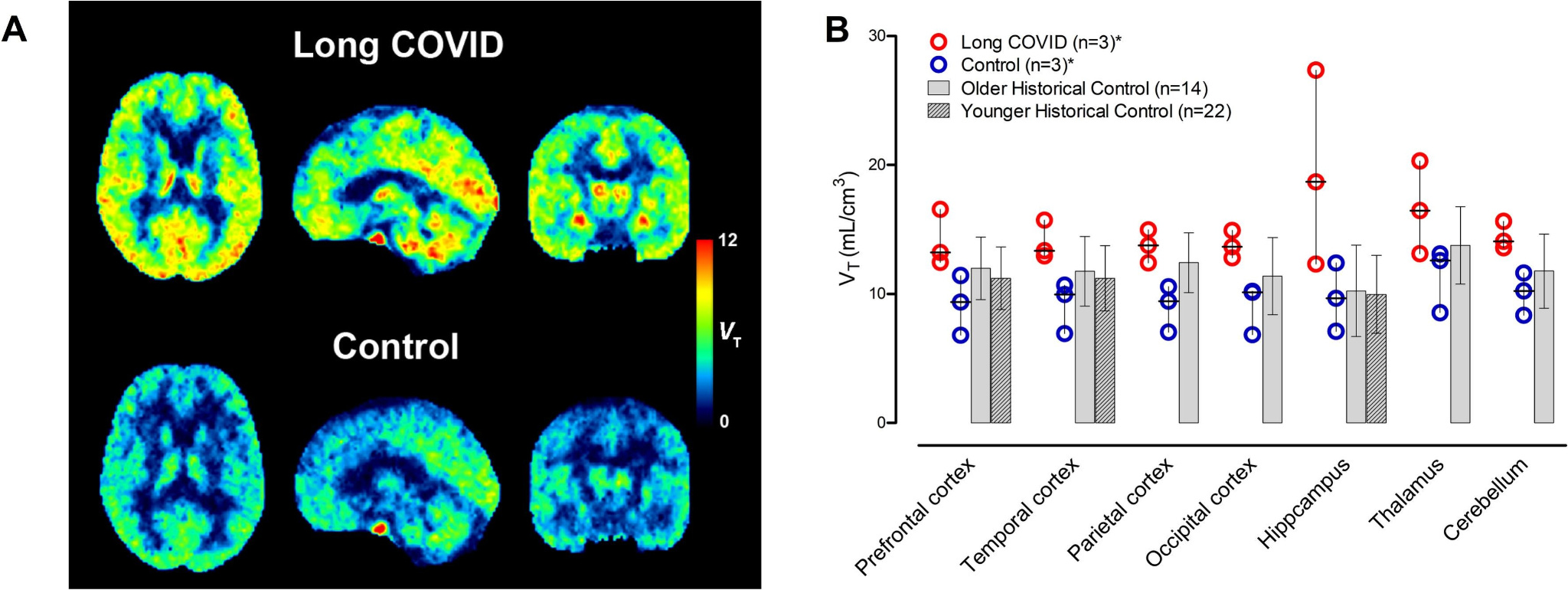
From: https://www.jns-journal.com/article/S0022-510X(26)00197-8/abstract
4/13/26 Nature Reviews Neurology: Understanding the long-term neurological effects of SARS-CoV-2 infection https://buff.ly/5glOL0I
A review from the UK “summarizes the spectrum of neurological and psychological symptoms that occur following acute SARS-CoV-2 infection,” looking at evidence for underlying mechanisms. In addition, they discuss ongoing and completed large-scale treatment trials. Long COVID’s most persistent effects center on the nervous system, including cognitive impairment, fatigue, sleep disturbances, anxiety, and depression, with growing evidence that neurological and psychiatric symptoms interact bidirectionally and may share underlying biological mechanisms.
4/13/26 Nature (Melbourne, Australia): Divergent inflammatory and neurology-related protein levels in long COVID following primary and breakthrough SARS-CoV-2 infections https://buff.ly/d6SdzTa
Scientists from Melbourne, Australia analyzed 182 plasma proteins in 57 participants and found that Long COVID was associated with a distinct and persistent inflammatory and neurologic protein signature months after infection. Booster vaccination or breakthrough infection did not reproduce or worsen this pattern, suggesting that the immune response to re-exposure differs from the initial infection and may not drive Long COVID.
4/13/26 Nature: Site-specific wastewater-based surveillance in early detection of COVID-19 new cases and prediction of mass testing outcomes in long-term care facilities https://buff.ly/6tWjcKU
A study from the University of Alberta of 9 long term care facilities found that wastewater surveillance detected new COVID cases approximately 3 days before clinical confirmation and correctly predicted 85% of negative mass testing outcomes. Wastewater testing may be a faster and less invasive approach to outbreak monitoring in vulnerable settings.
4/13/26 (June 2026) International Immunopharmacology: Aminopeptides ameliorate long COVID symptoms in immunocompromised rheumatic patients through immune reconstitution https://buff.ly/5JlRmZM
Researchers from Beijing, China studied 171 immunocompromised patients with rheumatic disease and found that oral aminopeptides from bovine spleen taken for 3 months was associated with improvement in Long COVID symptoms, particularly fatigue. In addition, they found increased T cell counts and markers of immune recovery.
4/12/26 JACC Advances: Post-COVID Postural Orthostatic Tachycardia Syndrome and Inappropriate Sinus Tachycardia: Prevalence, Overlap, and Clinical Characteristics https://buff.ly/08MnHhe
A study of 270 Long COVID patients referred for tachycardia showed that postural orthostatic tachycardia syndrome (POTS) or a combined dual diagnosis of POTS and inappropriate sinus tachycardia (IST) were more common diagnoses than IST alone in Long COVID. IST patients were more likely to have high blood pressure, while POTS patients showed higher rates of cognitive impairment, fainting, and nausea.
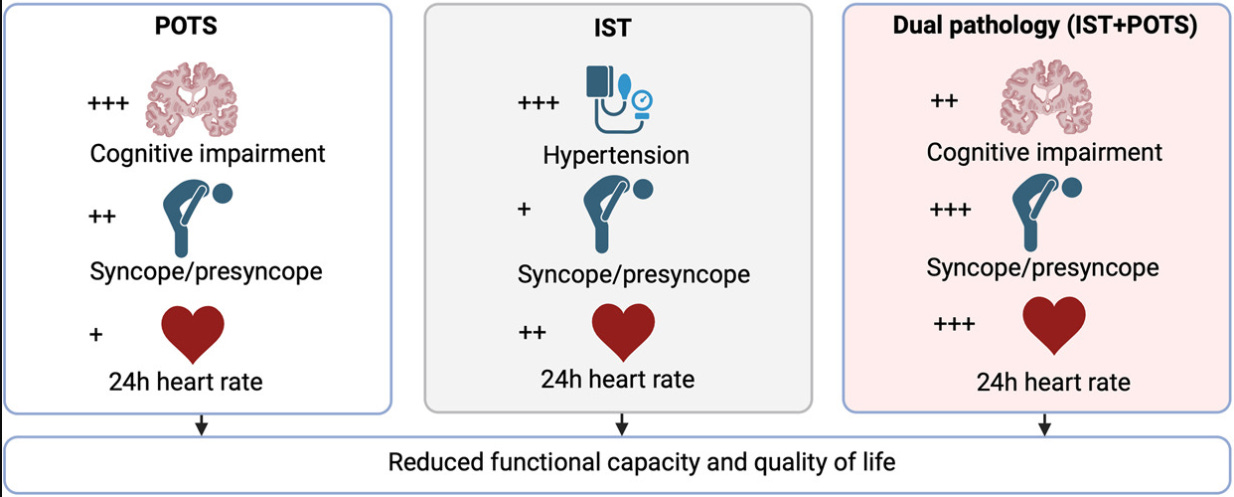
From: https://www.sciencedirect.com/science/article/pii/S2772963X26001201
As of April 16, 2026, 1,748 confirmed measles cases were reported in the United States in 2026.
The South Carolina outbreak remains at 997 measles cases, with no new measles cases since March 17.
The Utah measles outbreak continues to spread with 75 new cases in the last 3 weeks and 602 cases since this outbreak started in 2025.
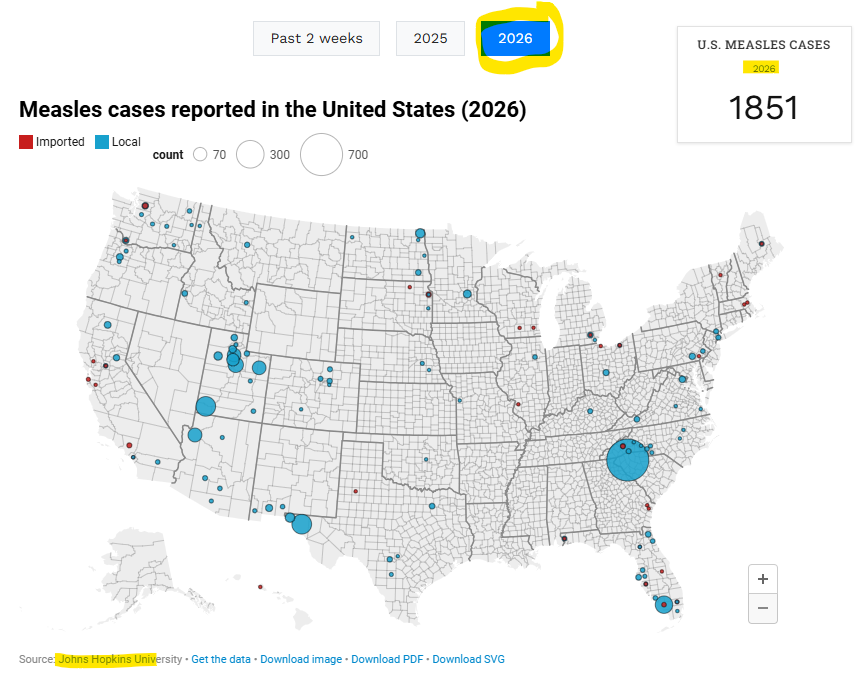
From: https://publichealth.jhu.edu/ivac/resources/us-measles-tracker
4/1/26 CIDRAP: Trump nominates Dr. Erica Schwartz, former deputy surgeon general, to head CDC
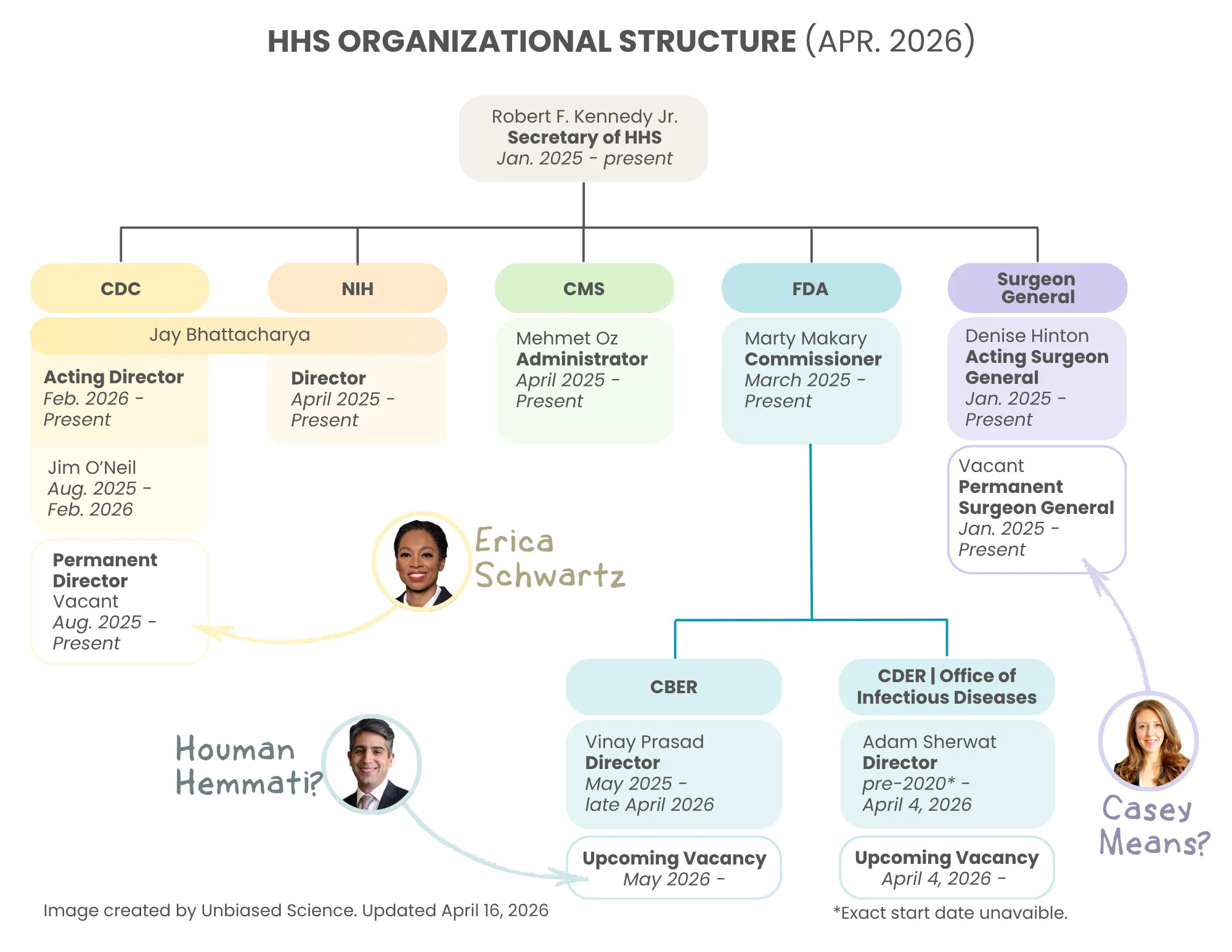
From: Unbiased Science
4/16/26 NPR receives $113 million in charitable gifts https://buff.ly/p80D5df
NPR announced two of the largest donations in its history, totaling $113 million, following Congress’s elimination of all federal public media funding. Philanthropist Connie Ballmer contributed $80 million, the largest gift ever from a living donor to NPR, while another anonymous donor gave $33 million.
4/2026 Cleveland Clinic: Woman Undergoes First in World Transvaginal Robotic-Assisted Dual Kidney Transplant https://buff.ly/Ev5Uvi4
Cleveland Clinic surgeons performed the world’s first robotic transvaginal dual kidney transplant in June 2025, placing two donor kidneys through an incision in the posterior vaginal wall with minimal post operative pain and a faster recovery. The dual kidney technique allows transplant of two marginal donor kidneys placed on one side of the body, preserving the other side for any future need.
4/14/26 Nature Genetics (USC): Multi-ancestry genome-wide association study of severe pregnancy nausea and vomiting https://buff.ly/PaP3bNM
Hyperemesis Gravidarum (HG) is a severe form of pregnancy nausea and vomiting that causes dehydration requiring hospitalization and affects about 2% of pregnancies. Dr. Marlena Fejzo from the Keck School of Medicine of USC and colleagues analyzed DNA from 10,974 women with hyperemesis gravidarum and 461,461 controls across diverse ancestries. They identified 10 genetic loci, including 6 new ones, linking the condition to pathways in appetite regulation, insulin signaling, and brain plasticity. These findings build on GDF-15 biology as a cause for HG.
4/1/26 JACC: GLP-1 Receptor Agonist Exposure During Pregnancy: A Systematic Review and Meta-Analysis of Adverse Pregnancy Outcomes https://buff.ly/XA1CwQ6
A systematic review and meta-analysis shows that “GLP-1 RA exposure [during pregnancy] was associated with improved maternal and preterm birth outcomes, with no significant increase in congenital malformations or overall adverse fetal outcomes.”
4/9/26 NPR: 710,000 fewer babies were born last year in U.S. compared with two decades ago https://buff.ly/N7uACMg
The U.S. fertility rate has reached historic lows, with annual births dropping by 710,000 compared to figures from twenty years ago. Teen pregnancy rates have plunged to new lows and many women are delaying motherhood to their 30s and 40s. People are having fewer children, a shift that could permanently transform the global economy.
4/14/26 Cell Metabolism: The weight-loss-independent hepatoprotective benefits of semaglutide are orchestrated by intrahepatic sinusoidal endothelial GLP-1 receptors https://buff.ly/WyS7g1W
Scientists at the University of Toronto found that Semaglutide provides direct protection to the liver by activating specific GLP-1 receptors located on intrahepatic sinusoidal endothelial cells. This mouse study demonstrates that the medication successfully reduces hepatic fat accumulation, fibrosis, and inflammation through specialized pathways, showing that the drug has metabolic benefits independent of weight loss alone.
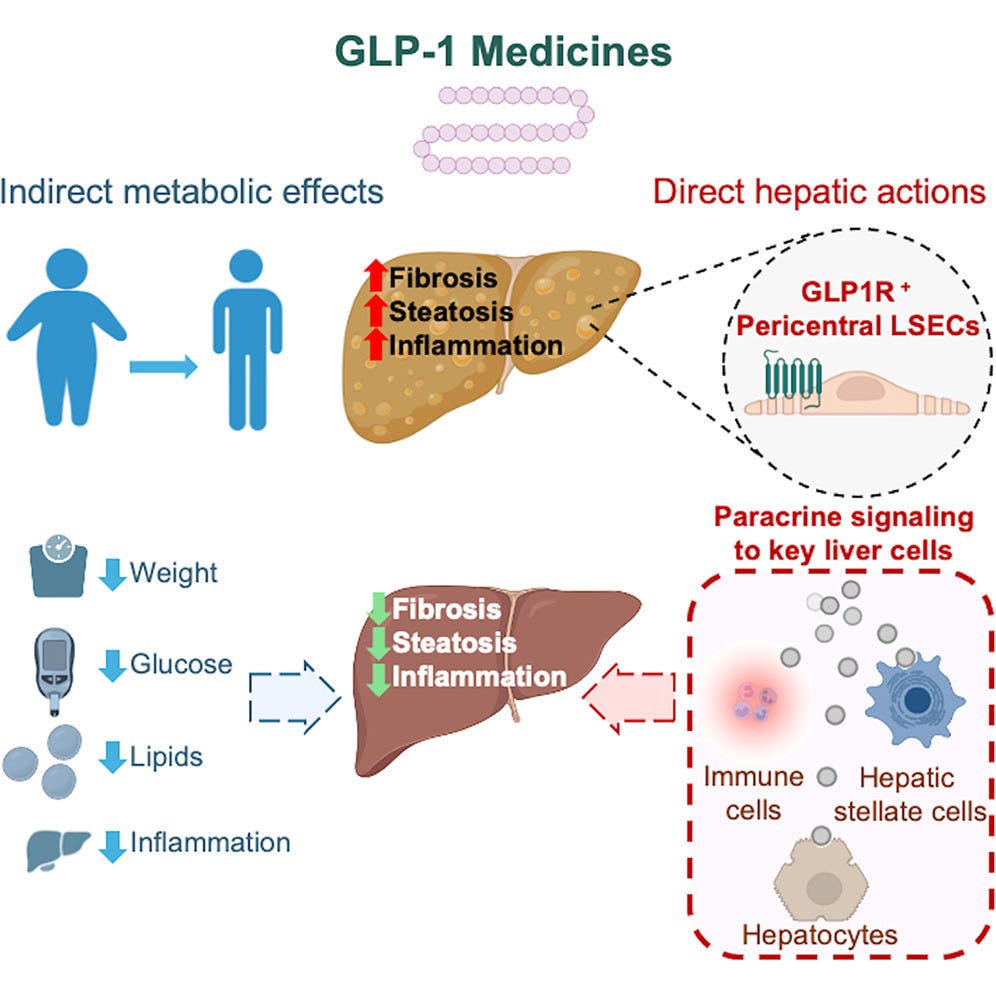
From: https://www.sciencedirect.com/science/article/abs/pii/S1550413126001051
4/14/26 Nature: Unexpected detection of Mycobacterium Tuberculosis DNA in US-born patients in putative association with clinical syndromes https://buff.ly/XDaMA8Z
Boston University researchers used a new ultrasensitive molecular test and unexpectedly detected Mycobacterium tuberculosis DNA in up to 16% of respiratory samples from predominantly U.S.-born patients hospitalized at two Boston hospitals, despite negative standard cultures. The findings suggest hidden TB burden in low-incidence urban settings. Notably, all three patients with sickle cell acute chest syndrome, a life-threatening complication, tested positive for TB DNA, pointing to a potential overlooked association.
4/1/26 JAMA Psychiatry: Patients Use AI—Clinicians Should Ask How https://buff.ly/q0JaY40
More than 5 million U.S. youth, including 13% overall and 22% of those aged 18 to 21, have used AI for mental health advice, with nearly half of adults with mental health conditions also turning to these tools. Patients are using AI for emotional support, psychoeducation, and processing experiences, sometimes outside or instead of care, highlighting the need for clinicians to routinely screen for AI use to ensure safe integration with treatment.
4/3/26 Guardian: Nuns who broke back into their Austrian convent ‘are step closer to being able to stay’ https://buff.ly/Epj37zP
Austrian nuns Sisters Bernadette, Regina, and Rita, all in their 80s, are getting closer to being able to stay in their convent after the Vatican signaled it supports the idea in principle. The sisters had a locksmith come to break back into their convent last September after being moved to a care facility against their wishes. Nothing is final yet, but the three have now been invited to Rome, for a possible meeting with Pope Leo.

Sister Rita, Bernadette and Regina back in their convent
Have a great week,
Ruth Ann Crystal MD





.jpg)
No comments:
Post a Comment