---------------------------------
COVID & Health News, 7/28/25
"According to WastewaterSCAN, SARS-CoV-2 levels in wastewater are MEDIUM across the US, with higher levels seen in the Midwest. The CDC states that their data may be incomplete, but they report LOW levels of COVID in wastewater through 7/19/25. Louisiana COVID levels in wastewater are very high and Florida’s are high per the CDC. Emergency Department visits, an early indicator of a COVID wave, are increasing nationally and are more pronounced in Florida. Biobot shows SARS-CoV-2 wastewater levels increasing in all regions. The California Department of Public Health (CDPH) reports high wastewater COVID levels in many parts of the state compared to levels 21 days ago. Here in Santa Clara County, sewer shed levels of COVID are HIGH in San Jose and in Palo Alto.
"Per JP Weiland, as of 7/25/25, the Summer COVID wave has started with Florida in the lead. There are about 220,000 new COVID infections daily in the United States with about 1 in every 150 people currently infected. JP Weiland and Mike Hoerger believe that the United States Summer 2025 COVID wave will be more modest similar to Summer 2023, expecting about 600,000 to 700,000 infections per day nationally at its peak.
"The CDC’s COVID Variant Tracker has not been updated in over a month and the CDC also mixed up the variants that they reported according to JP Weiland. Raj Rajnarayanan reports that GIASD data shows that XFG is over 50% of cases and NB.1.8.1 represents about 15 to 20% of current COVID cases.
Acute COVID infections, General COVID info
"In a study of 996 people, UK researchers found that both COVID infected and uninfected people had measurable brain aging during the COVID pandemic. Chronic stress, isolation, and changes in daily routines likely contributed to reduced attention, memory, and processing speed. In addition, people infected with COVID also were noted to have cognitive decline.
"A group in Norway followed immunologic tests in people with asymptomatic COVID and those with moderate acute COVID infection. They found that unvaccinated people with asymptomatic COVID infections had higher NK, NKT and CD4 T cells and lower HGF and IL-1RA levels, as well as higher cross-reactive T cell responses.
Pediatrics

From: https://x.com/1goodtern/status/1949134691186979299
"A large cohort study of over 1.2 million children and youths ages 5 to 20 found that SARS-CoV-2 infection caused a small, but significant increase in neuropsychiatric disease. "Children face increased risks for anxiety, OCD, ADHD, autism, and other conditions, while youths [teens] exhibit elevated risks for anxiety, suicidality, depression, and related symptoms." Risks persisted up to 2 years post-infection and were higher in adolescents. Neuropsychiatric impacts, even if small, “raise concern in a pediatric population given that childhood conditions often have lifelong consequences.”
"Rutgers and Stanford researchers studied 139 children and found that SARS-CoV-2 infection in children was linked to increased autoantibody production, indicating a potential risk for autoimmune complications. Autoantibody profiles varied slightly by disease severity, with some autoantibodies more common in mild cases and others in severe ones. While MIS-C and severe COVID-19 showed differences in IgG levels (mainly IgG1) there were no significant differences in Fc-mediated immune functions.
Vaccines
"Former CDC Director Dr. Tom Frieden warns that recent moves by HHS Secretary Robert Kennedy Jr. including defunding GAVI, firing CDC vaccine advisers from ACIP, and proposing to overhaul the National Vaccine Injury Compensation Program (VICP) undermine public health and vaccine access. Frieden argues the VICP, a no-fault system created in 1986 to compensate for rare vaccine injuries and shield manufacturers from lawsuits, is crucial to maintaining a stable vaccine supply. He suggests Kennedy’s actions may be driven by financial incentives tied to vaccine litigation. Undermining VICP could reopen the floodgates to lawsuits, reduce vaccine availability, and ultimately cost lives.
ME/CFS and Long COVID
"Scientists from the Jackson Laboratory, Duke University and the Bateman Horne Center developed a new artificial intelligence tool called BioMapAI that can identify Myalgic Encephalomyelitis/Chronic Fatigue Syndrome (ME/CFS) with 90% accuracy by analyzing multi-omics in blood and stool samples. The AI found hidden biological patterns across patients’ gut bacteria, immune cells, and metabolism to uncover unique biomarkers of ME/CFS. BioMapAI identified the critical role of microbiome imbalance and immune response (depleted butyrate, altered amino acids and bile acids, and activated inflammatory T‑cell subsets) as key disease markers. This is a significant breakthrough because it provides the first reliable biological markers for a disease that has long been misunderstood and often dismissed due to the lack of diagnostic tests. Researchers say the same approach may also help find biomarkers and treatments for Long COVID.
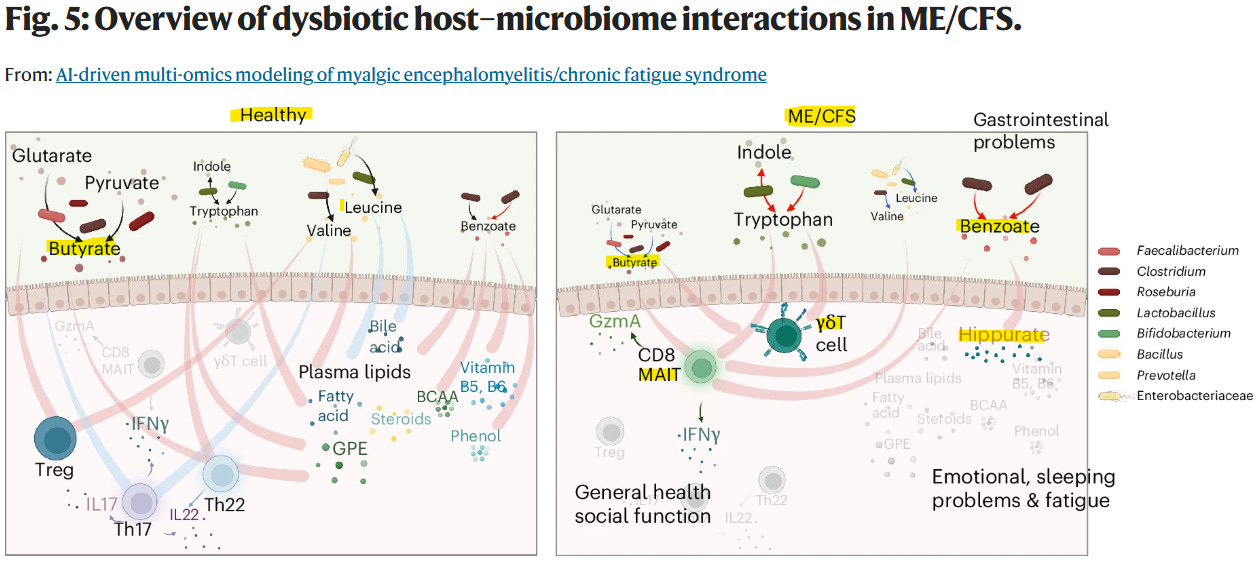
"A preprint of this article first came out in June 2024 and I was fascinated that a decrease in butyrate-producing bacteria in the gut could lead to a reduction of regulatory immune cells and an increase in pathogenic, hyper-inflammatory T cells (MAIT and γδ T cells) leading to symptoms of malaise and loss of general health and social function in ME/CFS. The preprint also showed that an imbalance in gut bacteria (dysbiosis) also increased benzoate-producing bacteria that was associated with fatigue, as well as sleep and gastrointestinal symptoms.
"My daughter had severe Long COVID and I was trying to find something to help her. A randomized, double blinded, placebo trial from Hong Kong showed that a synbiotic (pre- and probiotics) called SIM01 with B. Adolescentis, B. Longum and B. Bifidum significantly improved Long COVID symptoms when taken for six months. SIM01 had high FODMAP prebiotics that my daughter would not be able to tolerate. I knew from several other studies that the gut microbiome from people with Long COVID and ME/CFS were low in butyrate-producing F. Prau and Roseburia species. So, I changed the prebiotics to low FODMAP kiwi powder which has been shown to increase both F. Prau and Roseburia and I added in some other immunomodulatory bacteria that are considered histamine reducing to come up with my synbiotic formula. The synbiotic has helped my daughter immensely. We have made this available for others to try at VivaBiome and are working to reduce costs while maintaining beneficial properties.
Long COVID
"A group from France studied SARS-CoV-2 infection in a golden hamster model of Long COVID. They found that SARS-CoV-2 can persist in the brainstem for at least 80 days after infection, triggering gene expression changes linked to neurodegeneration, inflammation, and metabolic changes. Infected hamsters displayed depression-like behavior, memory problems, and signs of anxiety which mirror brain changes seen in Long COVID patients.
"Researchers from Sweden showed that two small parts of the SARS-CoV-2 spike protein called Spike601 and Spike685 can form amyloid-like fibrils, which interfere with clot formation and breakdown (fibrinolysis). This may explain persistent microclots observed in Long COVID and abnormal clotting in acute COVID infection.
"In a new review of Long COVID and autoimmune diseases, researchers examined how viral persistence, latent virus reactivation, and immune dysfunction in Long COVID can drive chronic inflammation. These processes may lead to the development of autoimmune diseases, including lupus, rheumatoid arthritis, and Guillain-Barré syndrome. Authors recommend immunomodulatory therapies such as probiotics or immunoglobulins tailored to individual immune profiles.
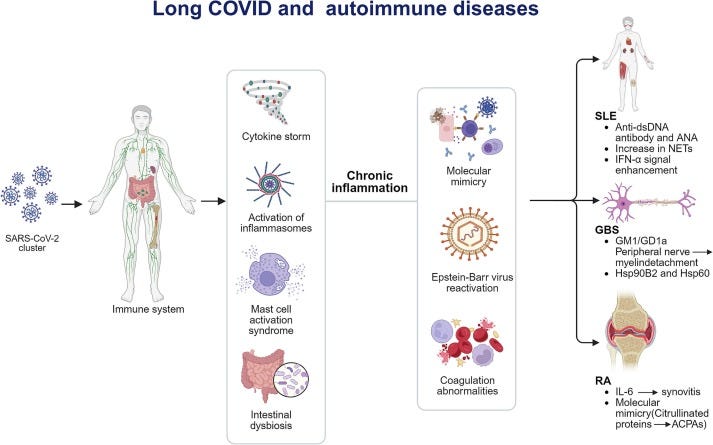
From: https://www.sciencedirect.com/science/article/pii/S1568997225001429#f0005
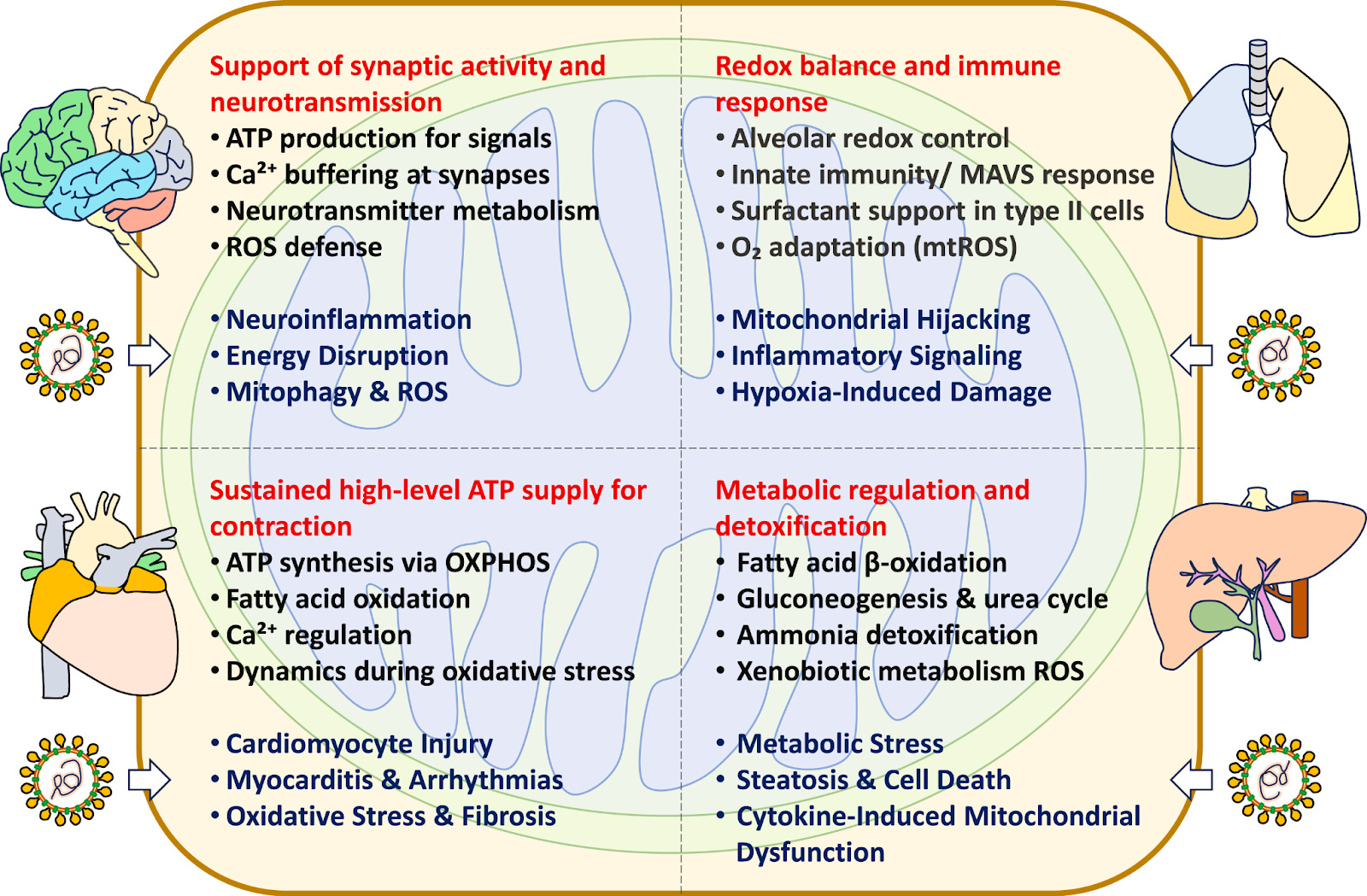
"Taiwanese researchers found that SARS-CoV-2 damages mitochondria in infected cells, reducing energy production and increasing oxidative stress even after the virus is gone. This lasting mitochondrial injury may drive Long COVID symptoms including fatigue and brain fog. Targeting mitochondria may be a therapeutic strategy for Long COVID.
Fig. 2. SARS-CoV-2-induced mitochondrial disruption across different organs.
From: https://www.sciencedirect.com/science/article/pii/S2213231725002794#fig2
"A new cohort study of 162 Long COVID patients at a South Texas rehab clinic identified that neuropsychiatric symptoms like fatigue, anxiety, depression, and brain fog clustered together in Long COVID patients and were the most common and burdensome. These symptom clusters also drove higher healthcare use and longer illness duration. “The symptom clusters experienced by both acute COVID-19 and Long COVID patients imply significant distortions to normal functioning of the central nervous system due to neurovirulent damage.” Findings underscore the need for neuropsychiatric-focused treatment strategies for Long COVID.
"Another study found that individuals with Long COVID had significantly higher rates of healthcare utilization for up to a year post-infection, including hospital visits, outpatient services, and medication use. The burden was highest among women and people with multiple comorbidities. Results emphasize the long-term strain Long COVID places on healthcare systems. Dr David Joffe commented, “The costs of doing nothing are really rather expensive.”
"A small clinical trial of 63 long COVID patients tested brain stimulation with transcranial direct current stimulation (tDCS) and cognitive training in people with post-COVID fatigue. They found that tDCS combined with cognitive training was a feasible, safe, and effective approach for reducing fatigue and enhancing cognition in Long COVID.
"Dr Akiko Iwasaki will join Invivyd’s SPEAR Study Group to investigate if the use of monoclonal antibodies for Long COVID and for post-vaccine syndrome can offer relief.
Measles
"As of July 22, 2025, a total of 1,319 confirmed measles cases were reported by 40 jurisdictions in the United States, with 13% of cases hospitalized (165 of 1319), and 3 confirmed deaths.
Hypermobility Disorders
"Hypermobile Ehlers-Danlos syndrome (hEDS) is the most common EDS subtype and part of a broader group of hypermobility spectrum disorders (HSDs), marked by joint hypermobility, pain, and tissue fragility. Gastrointestinal symptoms are common in hEDS/HSDs and significantly impact quality of life. The AGA published an expert update that offers practical guidance for gastroenterologists on evaluating and managing gut–brain disorders in patients with hypermobile Ehlers‑Danlos syndrome, especially when complicated by POTS or mast cell activation syndrome.
Other news:
"Public hospitals in Santa Clara County train about half of California’s new doctors, yet federal budget cuts under the “Big Beautiful Bill” are projected to strip away about $1 billion in funding starting in late 2026. These cuts threaten residency training in essential fields like trauma, burn care, and OBGYN at trauma centers like Valley Medical Center, potentially reducing exposure to critical care specialties and impacting physician retention in Northern California.
"Psychiatrists and the American College of Obstetricians and Gynecologists (ACOG) criticized an FDA panel for promoting misinformation about SSRIs in pregnancy, warning that overstating risks may lead to under-treatment of perinatal mental illness. They emphasized that untreated depression poses serious risks including suicide and poor birth outcomes, while most SSRIs are safe and effective when appropriately prescribed.
"A new review shows that gut microbes produce metabolites that influence every stage of T cell development and function, from thymic selection to peripheral responses. These findings highlight the microbiome’s crucial role in shaping immune health.
"A meta‑analysis of 11 trials found that patients on anti‑obesity medications (including GLP‑1 agonists, orlistat, phentermine‑topiramate) began regaining weight around 8 weeks after stopping treatment with weight gain continuing through 20+ weeks. "Significant weight regain after 12 weeks of drug discontinuation was observed only in studies with glucagon-like peptide 1 receptor agonist (GLP-1 RA) related drugs."
"Researchers were able to identify VOC signatures in people with acute myeloid leukemia (AML) and those with high‑grade lymphoma using the Breath Biopsy test from Owlstone Medical. Findings suggest that this fast, noninvasive breath test could screen for lymphoma.
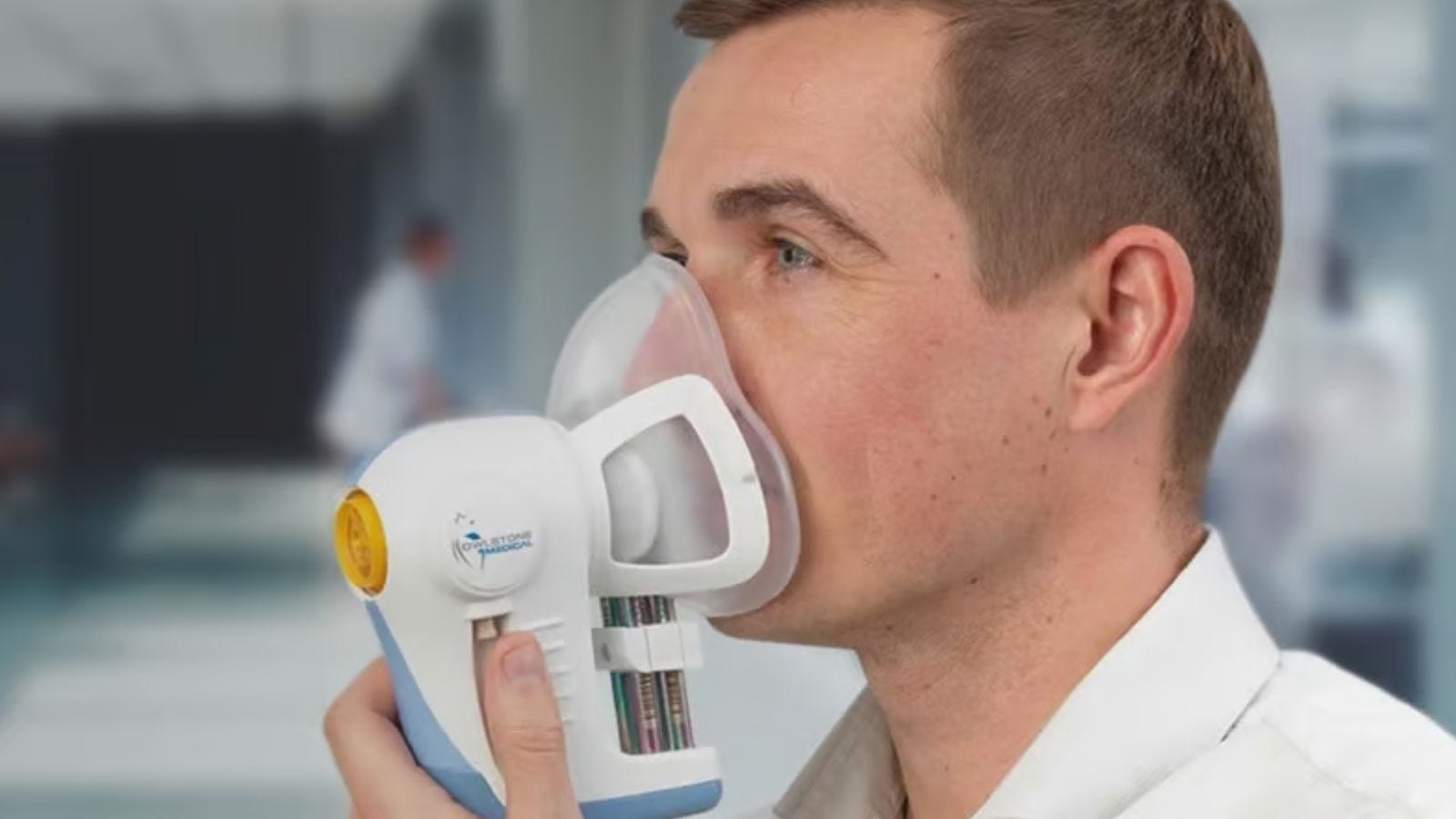
Breath Biopsy from Owlstone Medical
"Hawaiian petroglyphs dating back at least 500 to 1000 years are now visible again on Oahu.

From: AP News https://buff.ly/EgeVFfV
"Native American nations presented a symbolic woven rug to the country of Ireland as a thank you for the country's assistance to Indigenous communities during the COVID pandemic when people from Ireland donated $3 million to a relief fund for the native American nations. This continues a historic bond that began when the Choctaw Nation sent aid to Ireland during the Great Famine in 1847. The rug was created by Navajo and Hopi artists and highlights mutual respect and cultural connection.
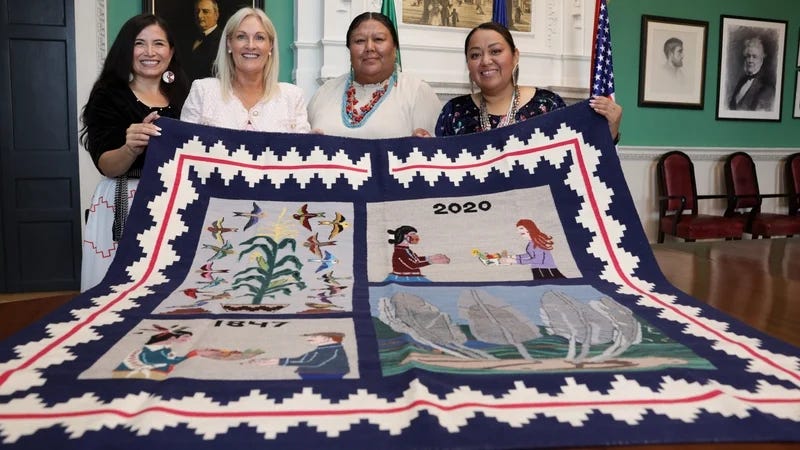
From: https://www.rte.ie/news/politics/2025/0717/1524054-native-americans-gift-ireland/
"Have a good week,
"Ruth Ann Crystal MD"





.jpg)
No comments:
Post a Comment