----------------------------------------
COVID, Flu, and More, 2/8/26
Ruth Ann Crystal MD, Feb 08, 2026
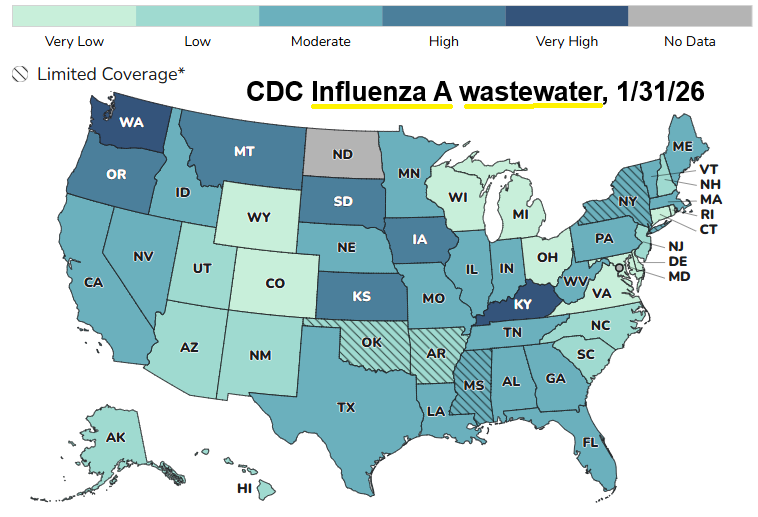
As of February 6, the CDC reports that COVID is elevated in the Midwest and Northeast, and Influenza is high nationally with most parts of the US noting stable or declining trends. However, influenza is very high in Oregon and Washington state. RSV activity is elevated in many parts of the country, and emergency department visits for RSV are high for infants and children under age 4.
Regional wastewater levels for COVID, RSV, Flu A, Flu B from WastewaterSCAN:
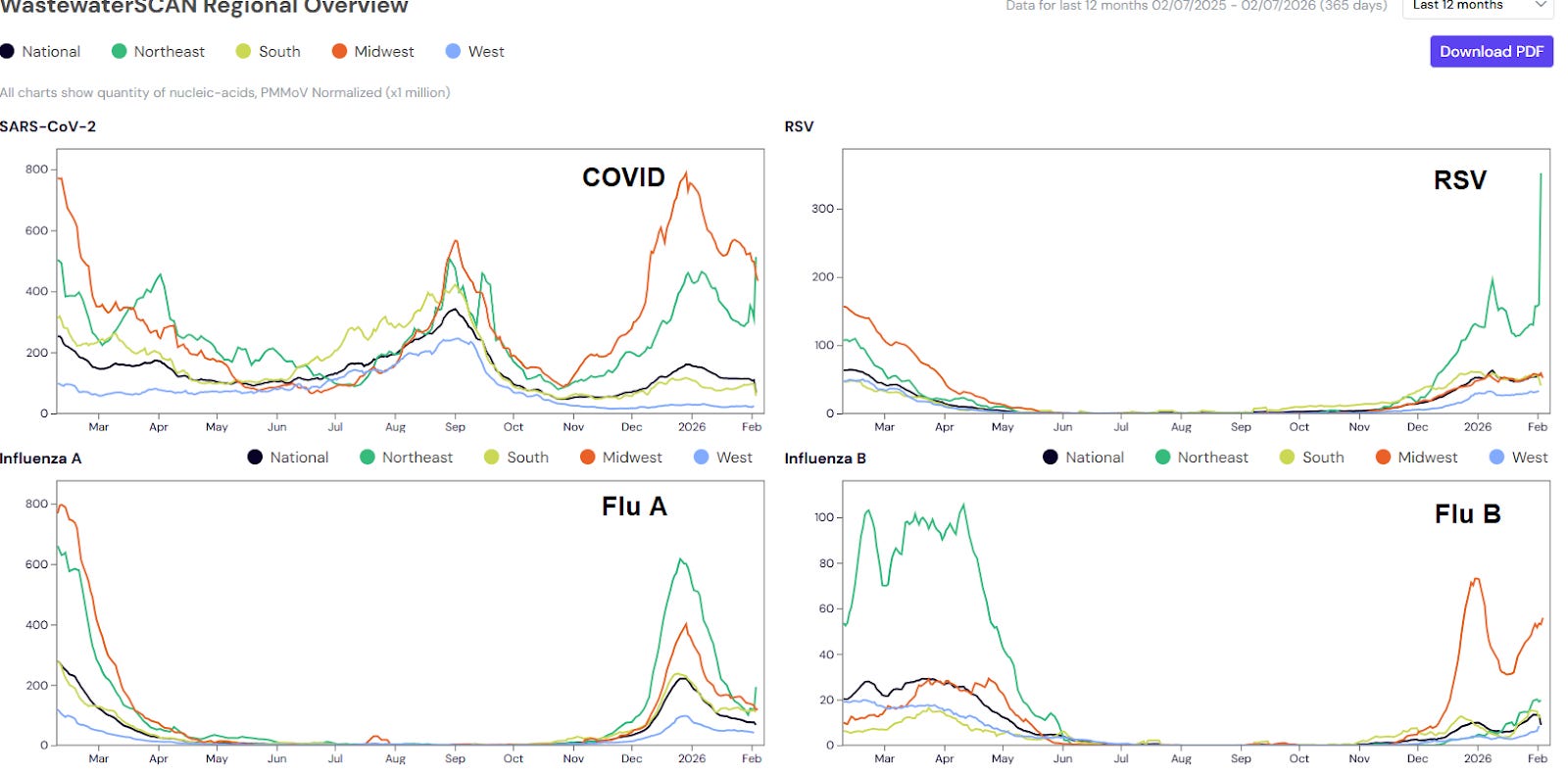
Most areas of the country have high levels of Influenza now, particularly in Oregon and Washington state. While trends vary by region, Influenza A activity is decreasing and Influenza B activity is increasing nationally.
Outpatient visits for Influenza-like Illness activity:
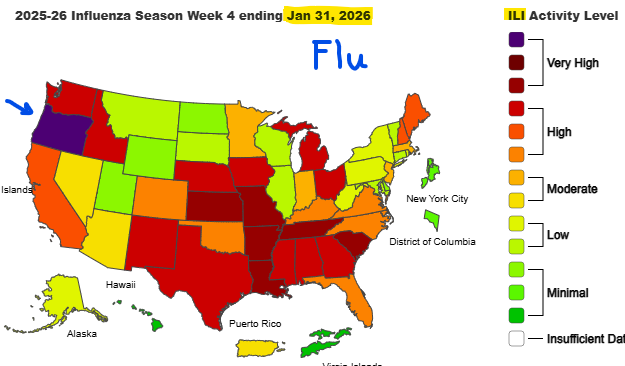
From: https://www.cdc.gov/fluview/surveillance/2026-week-04.html
CDC Wastewater Influenza A (through 1/31/26):
Nationally, about every 1 in 80 people is actively infectious now with COVID, which works out to about 608,000 new COVID infections daily. The Midwest levels of COVID in wastewater are VERY HIGH, while Northeastern states are HIGH.
States with VERY HIGH and HIGH COVID levels:
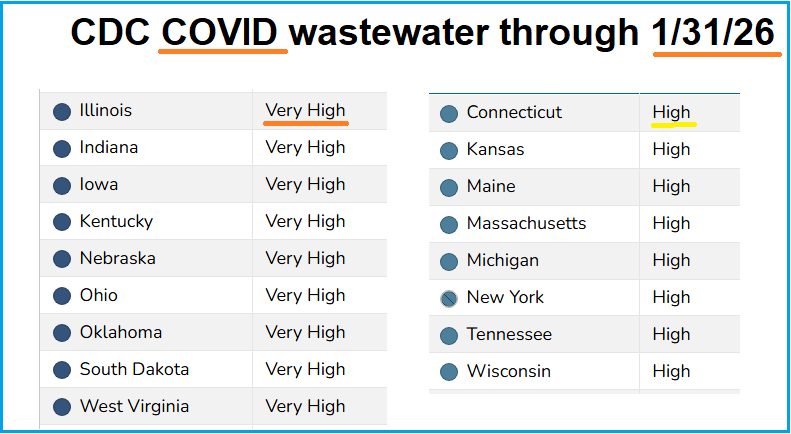
From: https://www.cdc.gov/respiratory-viruses/data/activity-levels.html
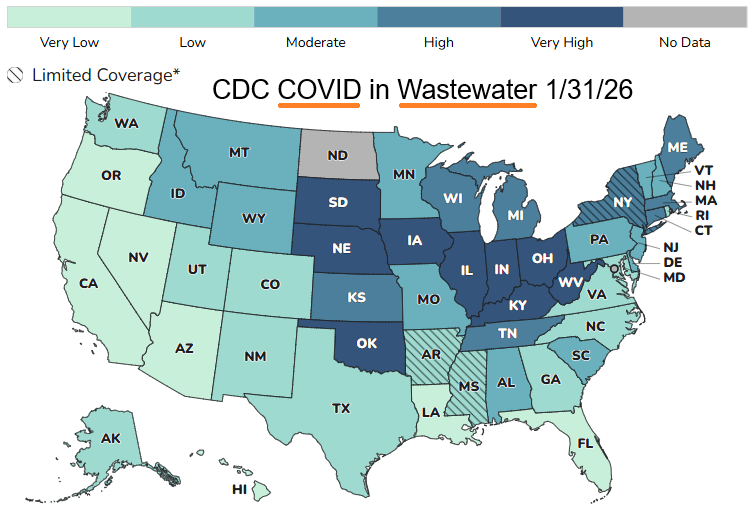
From: https://www.cdc.gov/respiratory-viruses/data/activity-levels.html
The BA.3.2 variant had looked like it was going to take off and make a new COVID wave, but now, according to JP Weiland, it appears that only part of the population is susceptible to BA.3.2. So BA.3.2 is co-circulating with other variants now.
Why are certain immune cells affected in COVID and Long COVID? It turns out that viral fragments of SARS-CoV-2 called xenoAMPs (AntiMicrobial Peptide (AMP)-like sequence motifs) target specific immune cells based on the cell’s geometry. “Cells that are spiky, that are star-shaped, or that have lots of tentacles end up getting preferentially suppressed,” according to Gerard Wong of UCLA. “These “spiky” immune cells include early-warning dendritic cells that detect and alert the rest of the body to viruses, as well as CD8+ and CD4+ T cells that help destroy already infected cells.” Immune cells that are round in shape like monocytes and neutrophils are not decreased by this mechanism.
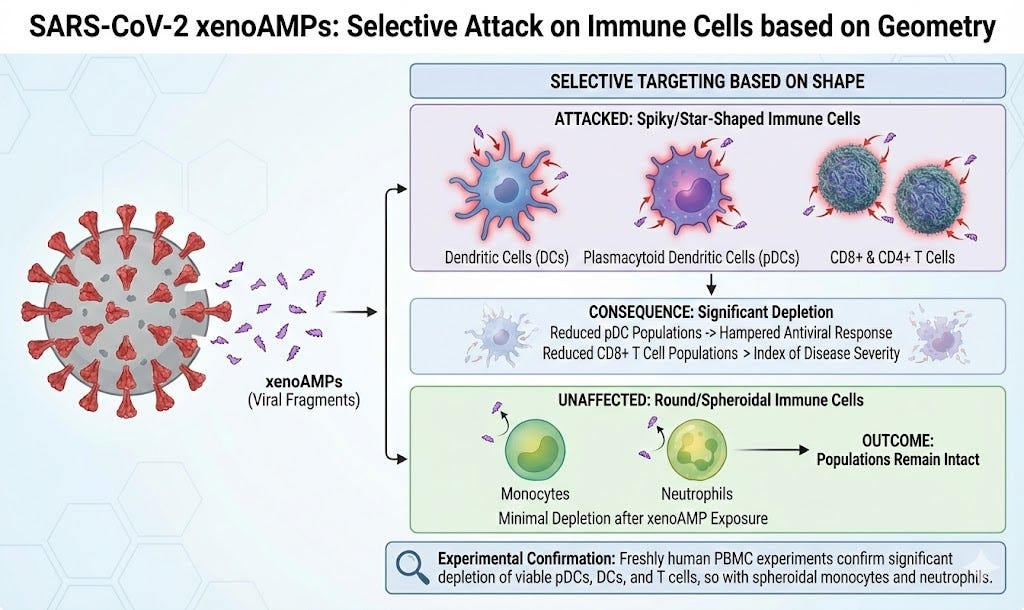
Made with Nano Banana
In a large study of 69,987 children at Kaiser Permanente Northern California that followed children until age 4, COVID infection during pregnancy was linked to different neurodevelopmental outcomes depending on the child’s sex and the timing of infection during pregnancy. Maternal COVID infection was associated with a 44% higher risk of autism in girls, but not boys, especially when exposure occurred in the first trimester. There was no link between maternal COVID infection and speech or language delay in this large study.
Researchers at SUNY Upstate analyzed over 30 million health records across the U.S. and found that COVID infection increased cardiovascular risks by at least fourfold (4x), while vaccination reduced those risks by up to 76%. No evidence of vaccine-associated heart toxicity was detected, reinforcing that COVID infection, and not vaccination, is the dominant driver of post-COVID cardiovascular harm.
In a U.S. case-control study of 1,888 adults with COVID and 6,605 controls, the 2024-2025 COVID-19 vaccine effectiveness was estimated at 40% against hospitalization and 79% against invasive mechanical ventilation or death for up to 6 months after vaccination. Protection was similar across KP.3.1.1 and XEC lineages, including spike mutations linked to immune evasion, suggesting maintained protection against severe outcomes despite evolution of the virus.
Metformin is a decades-old generic drug for diabetes that has a high safety profile. A new review analyzing data from multiple randomized controlled trials and EHR analyses show that Metformin started during or shortly after an acute COVID infection reduces the risk of developing Long COVID by approximately 40% to 60%. A small RCT also showed that Metformin can reduce viral load as well.
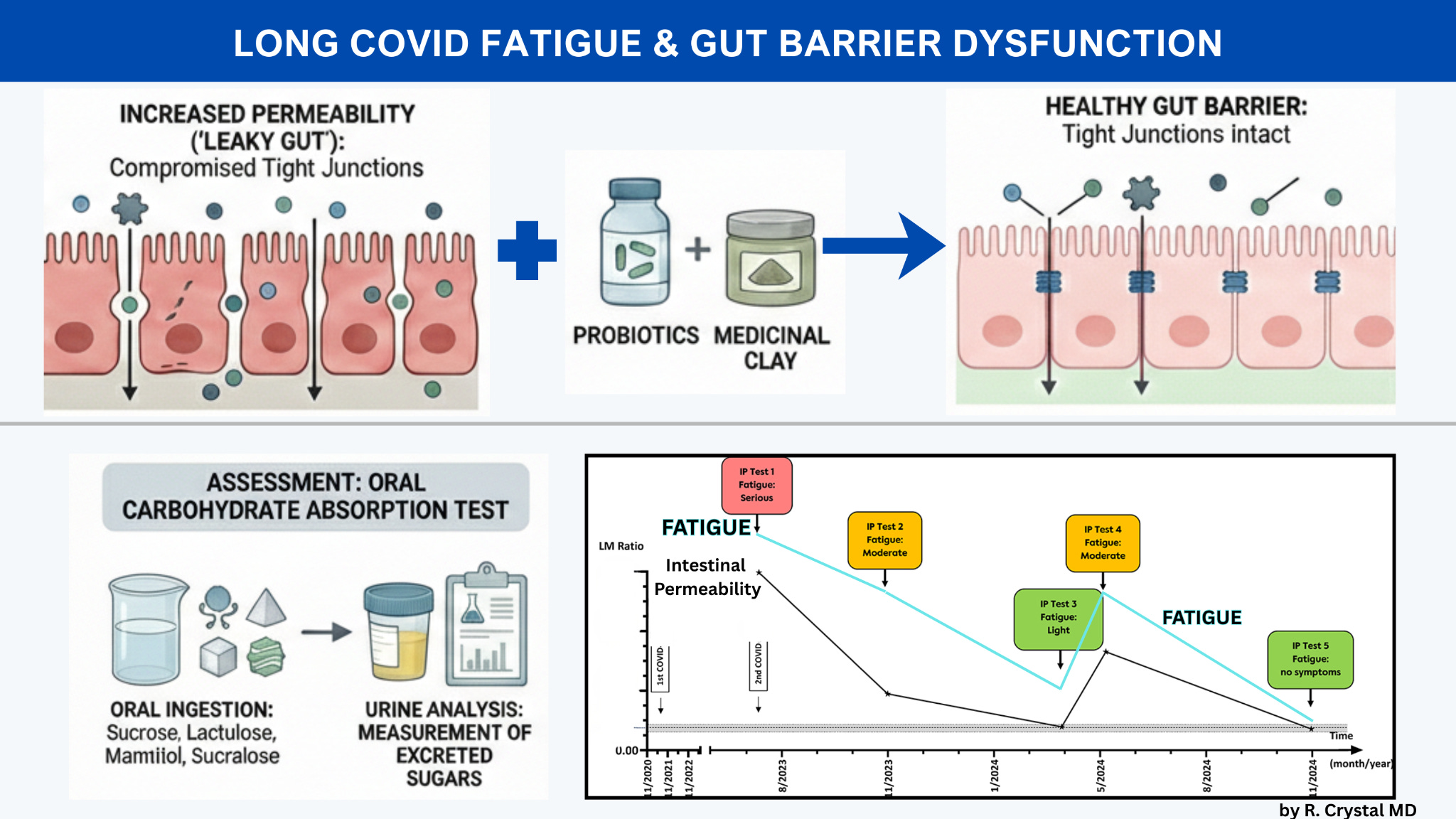
Researchers at Charité in Berlin followed a 60-year-old woman with Long COVID for three years and found that increases in intestinal permeability (“leaky gut”) closely tracked episodes of severe fatigue. Gut permeability was assessed using a carbohydrate absorption test in which four sugars (sucrose, lactulose, mannitol, and sucralose) were given orally and later measured in the urine. Treatment with probiotics and medicinal clay was associated with improvements in fatigue and normalization of gut barrier function. These findings support a role for gut barrier dysfunction in Long COVID fatigue and highlight the need for further research into microbiome-targeted interventions.
The Ministry of Health of Singapore conducted a retrospective cohort study on 19,689 patients who had been hospitalized with COVID in 2021-2022, noting that 6.9% received early monoclonal antibodies (mAbs) therapy with either Casirivimab/imdevimab ((REGEN-COV), Sotrovimab, or Tixagevimab/cilgavimab (Evusheld). In unvaccinated or immunocompromised patients, the early administration of mAbs was effective in reducing the risk of progression to needing oxygen in the short term. Early mAb therapy was not associated with increases in Long COVID, cardiovascular disease, or cognitive loss, but mAbs were later associated with more than double the risk of new-onset autoimmune diseases such as Lupus and Rheumatoid Arthritis.
The FDA has granted expanded access to RegeneCyte stem cell infusions derived from umbilical cord blood as a treatment for Long COVID. Expanded access, or “compassionate use,” allows patients with serious or life-threatening conditions to access investigational treatments when no other options are available. In a recent small phase 2 study of 30 participants, RegeneCyte umbilical cord blood cell therapy, administered as repeat infusions from unmatched cord blood donors, showed statistically significant reductions in fatigue symptoms in people with Long COVID by week 6 and lasting at least 20 weeks.
When a person’s blood is not clotting, their INR level increases and they may need to be treated with a plasma transfusion to help decrease their INR to normal and stop any bleeding. A new study shows that the blood of unvaccinated people with recent COVID infection was more hypercoagulable, meaning that it clotted more easily and had a lower INR. Giving this plasma to people whose blood did not clot enough helped to bring their INR down, so that their blood would clot again. This study shows that after a COVID infection, people’s blood may be hypercoagulable for at least 6 months.
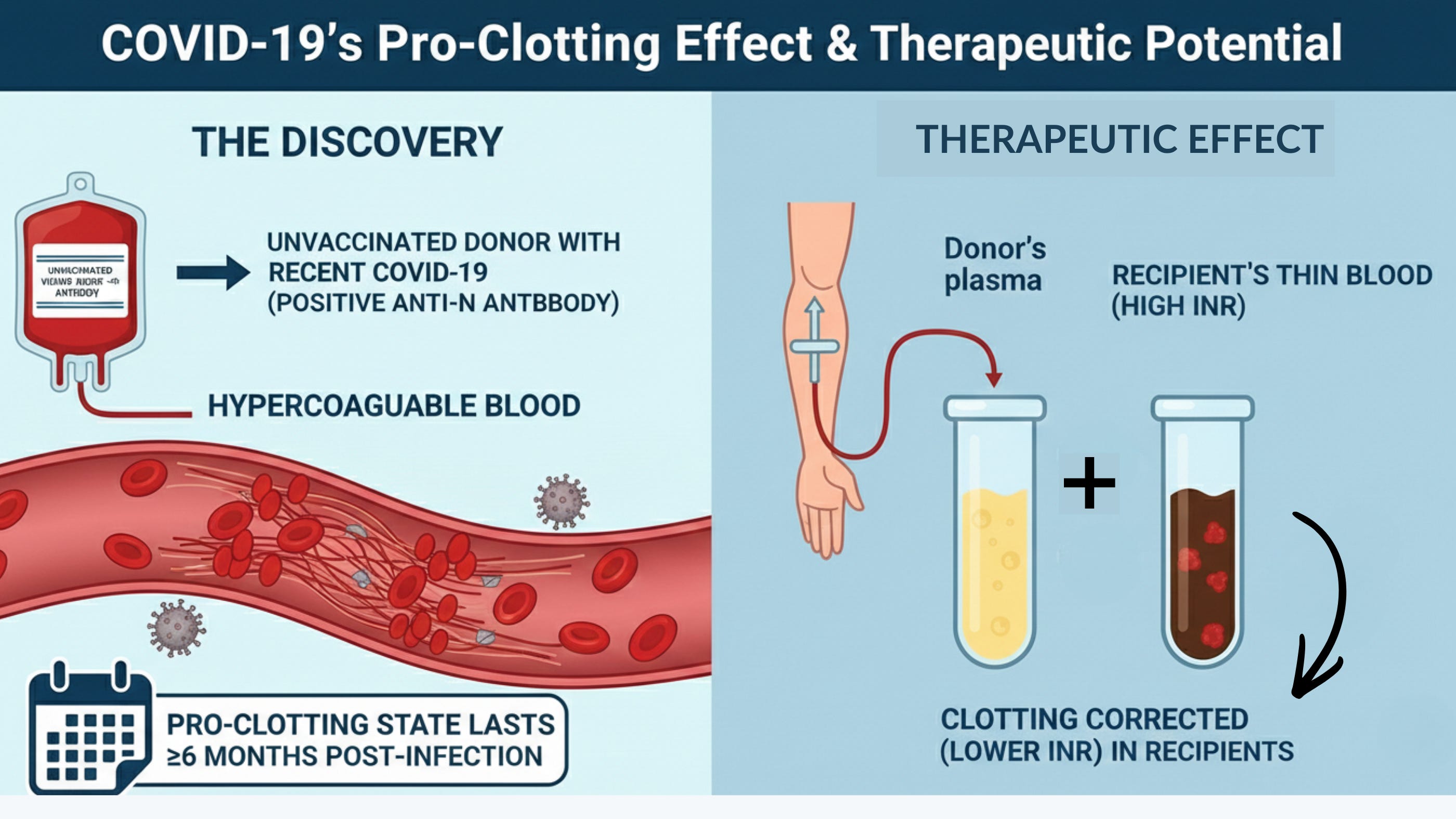
Made with Nano Banana and Canva
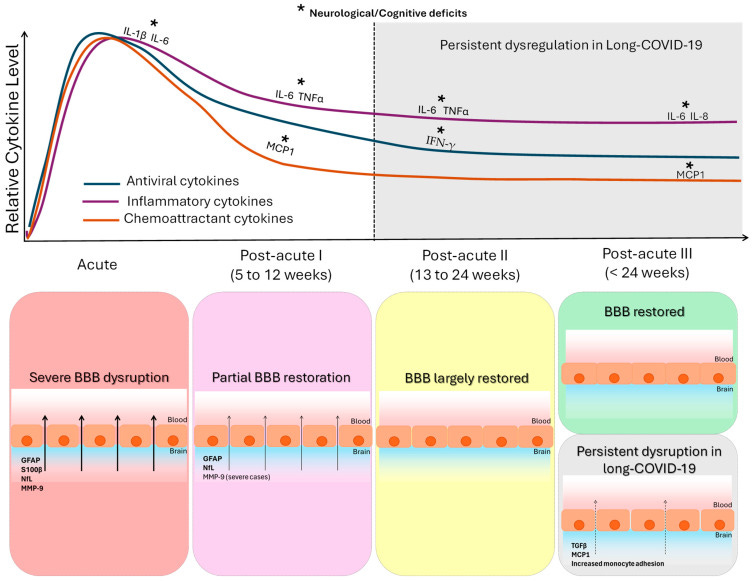
A narrative review synthesizes evidence showing lingering “brain fog” or cognitive dysfunction after COVID infection likely links to ongoing blood inflammation and blood-brain barrier disruption. Inflammatory cytokines like IL-6 and TNFα stay high in some people and correlate with attention, memory, and executive problems, while biomarkers of blood-brain barrier (BBB) breakdown (neurovascular proteins like PPIA, MMP-9, S100β, GFAP, and NFL) persisted only in those with cognitive symptoms.
Figure 2: Temporal dynamics of cytokine alterations and blood–brain barrier (BBB) integrity across COVID-19 stages.
From: https://pmc.ncbi.nlm.nih.gov/articles/PMC12786450/figure/ijms-27-00546-f002/
A new review from Weill Cornell Medicine–Qatar shows a significant association between COVID infection and the development of hepatobiliary disorders which may be severe and of delayed onset. “A total of 23 studies met the inclusion criteria, covering a diverse range of hepatobiliary conditions such as acute hepatitis, cholestasis, autoimmune liver diseases, and gallbladder pathology.” For some, post-COVID injury was severe enough to require a liver transplant, underscoring COVID’s lasting systemic impact.
A small study from the Prusty lab at the University of Würzburg shows that IgG antibodies, and even Fab fragments of antibodies, from ME/CFS patients, including those with ME/CFS after COVID infection, “can directly alter mitochondrial structure and function in human endothelial cells, specifically inducing mitochondrial fragmentation and metabolic [energy] reprogramming.” However, signatures were unique in ME/CFS and in Long COVID. The immune complexes in ME/CFS affected extracellular matrix organization (the tissue structure around cells), while those in Long COVID affected hemostasis and blood clot regulation. IgGs from ME/CFS patients carry a chronic protective stress response that promotes mitochondrial adaptation via fragmentation, without altering mitochondrial ATP generation capacity in endothelial cells.
Per the CDC, “As of February 5, 2026, 733 confirmed measles cases were reported in the United States in 2026 with 3% (23 of 733 cases) hospitalized and no deaths for 2026.
The South Carolina Dept of Public Health: “As of Feb. 3, 2026, DPH is reporting 920 cases of measles [since Oct. 2025] centered around Spartanburg County. The majority of cases are close contacts of known cases. However, the number of public exposure sites indicates that measles is circulating in the community.” At least 19 people have been hospitalized for measles complications in South Carolina, including some for measles encephalitis which can cause permanent brain damage.
At least 20 college students in Florida at Ave Maria University now have confirmed measles.
Despite the United States federal government leaving the WHO, California, Illinois and New York City have all joined the WHO’s Global Outbreak Alert and Response Network (GOARN). GOARN gives global early-warning alerts on disease outbreaks, with collaboration and support during major public health emergencies.
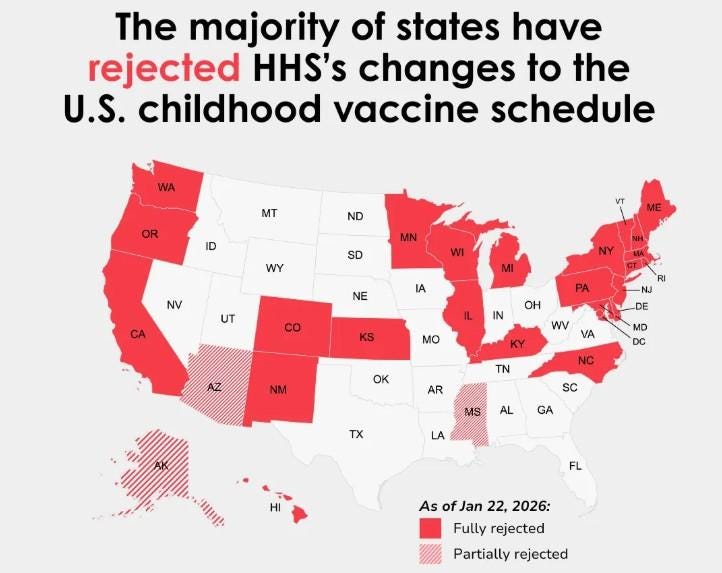
CIDRAP and Unbiased Science are working together on a new series that will discuss changes to U.S. vaccine policy as they happen.
From: https://www.cidrap.umn.edu/adult-non-flu-vaccines/state-us-vaccine-policy
On January 4th, the Hershey Bears hockey team collected almost 82,000 stuffed animals at their annual Giant Teddy Bear Toss. After the Bears scored their first goal of the game, fans threw thousands of plush toys onto the ice which were later distributed to local charities. I’ve circled some hockey players hidden amongst the stuffed animals below.

Have a great week,
Ruth Ann Crystal MD





.jpg)
No comments:
Post a Comment