------------------------------------------
COVID, Flu, Measles & More, 2/1/2026
Ruth Ann Crystal MD, Feb 02, 2026
TL;DR: The Midwest and Northeast have high levels of COVID. Flu had peaked, but looks like there may be a second wave starting which is common for influenza. RSV remains high across the United States and is affecting young children and older adults. Babies under age 1 are most often being hospitalized for RSV. The CDC ACIP chair proposed making polio and measles vaccines optional for children, despite a raging outbreak of measles currently in South Carolina that is already even bigger than the Texas measles outbreak from last year.
Seasonal influenza activity remains elevated nationally. After three weeks of decreasing cases, flu cases increased this week. It is not uncommon for flu seasons to have a couple of peaks in cases. Influenza A (H3N2) accounts for most cases, but influenza B activity is increasing nationally as well.
Last year’s pediatric flu deaths were the highest since the CDC began tracking them, yet the influenza vaccine is no longer recommended for all children following recent changes to the pediatric vaccine schedule by the CDC. This week, 8 more children died of influenza, bringing the total to 52 pediatric flu deaths this season. The CDC estimates that unvaccinated children made up 90% of pediatric deaths from flu.
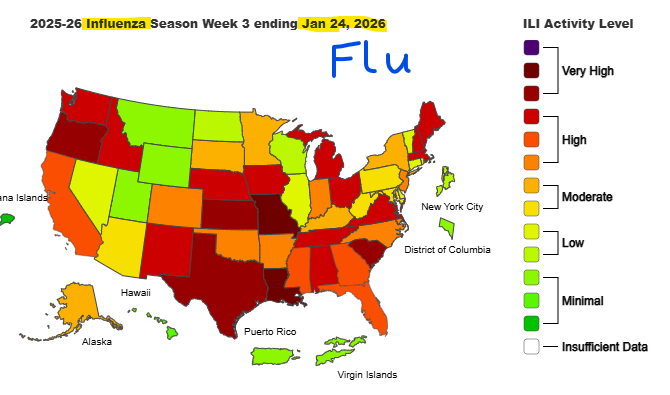
In California, Influenza levels are high in Bay Area wastewater and continue to rise in all California regions, with children having a higher positivity rate than adults. “Many Californians are visiting emergency departments and hospitalization rates for children are increasing for flu. CDPH urges vaccination, testing, and quick treatment to avoid serious illness.”
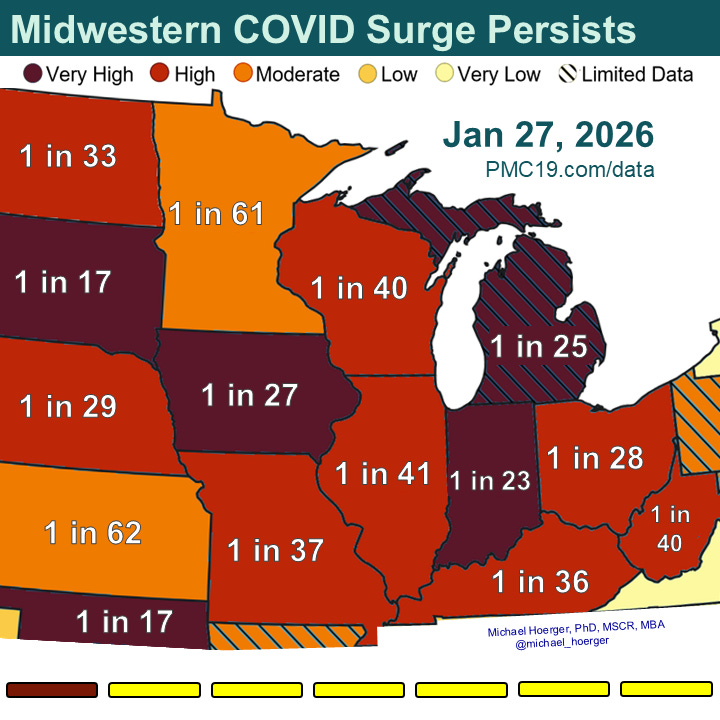
COVID infections are VERY HIGH in the Midwest right now and are HIGH in the Northeast. Levels of COVID are MODERATE in the South per the CDC. The West Coast is seeing LOW levels of COVID in wastewater, probably because we had a high late summer wave. Mike Hoerger predicts that there are 732,000 new COVID infections daily in the U.S. and that about 1 in 67 people has COVID now, although there are great variations depending on region. For instance, every 1 in 17 people in Oklahoma and in South Dakota are infectious with COVID now, and about every 1 in 24 people in Michigan and Indiana have COVID.
COVID in wastewater per CDC:
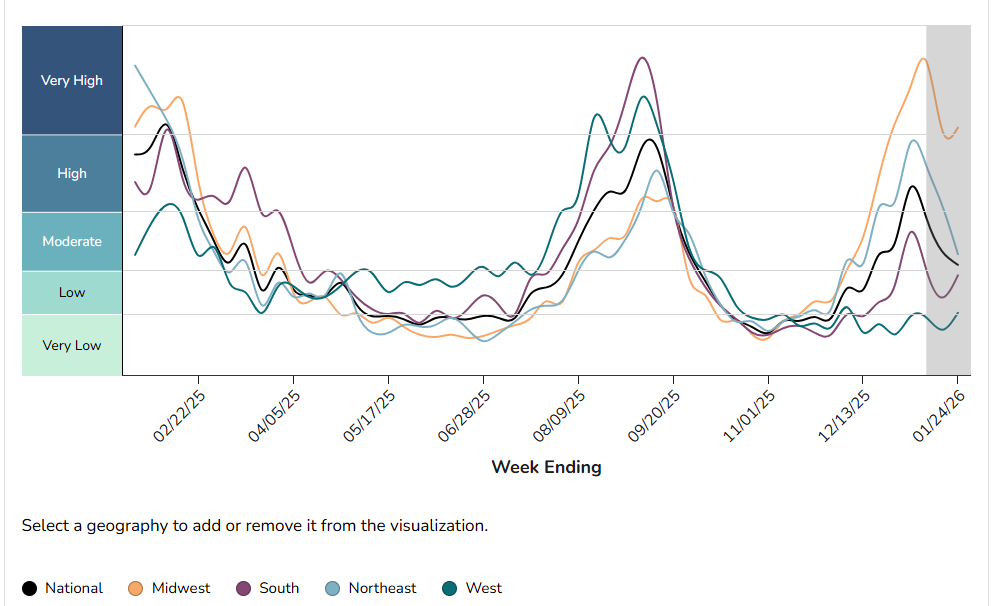
From: https://www.cdc.gov/nwss/rv/COVID19-nationaltrend.html
WastewaterSCAN (today) COVID is HIGH especially in the Midwest and Northeast:
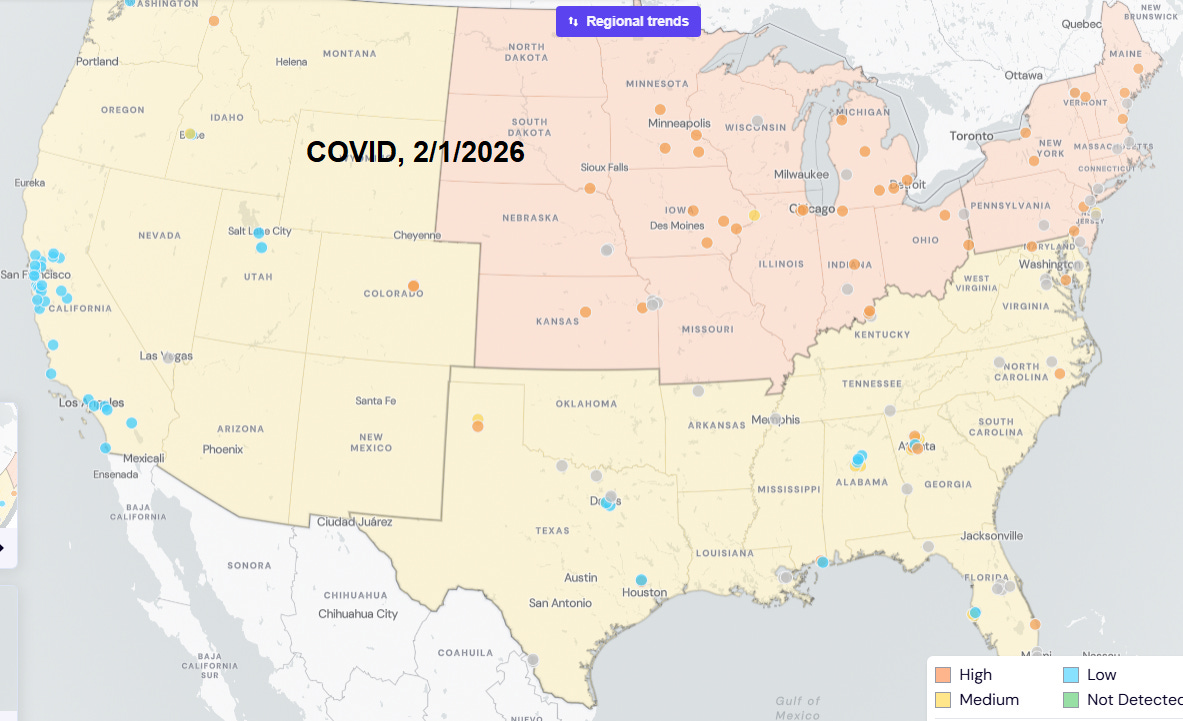
From: https://data.wastewaterscan.org/
“COVID-19 may leave silent cardiac footprints in children.” Researchers in Athens followed 137 children for one year after COVID infection and found a persistent reduction in left ventricular global longitudinal strain (GLS), indicating subclinical heart dysfunction despite normal standard echocardiograms. Nearly one quarter (24%) reported Long COVID symptoms, most commonly fatigue in 17%. Children with moderate to severe infections also had elevated sICAM-1 levels, suggesting ongoing endothelial activation.
Dr. Buonsenso, who runs a specialty clinic in Italy for children with Long COVID, reviewed studies showing that COVID reinfection more than doubles the risk of a Long COVID diagnosis in people under 21. In America, more children are living with Long COVID than with asthma, which was the most common chronic illness of childhood. The effects of Long COVID will be long-lasting for these children and will likely carry broader societal consequences. He emphasizes the urgent need for clinical trials that include children and young adults, who are currently excluded from most treatment studies.
New CDC research of 11,057 U.S. children found that 1.4% of school-aged kids had Long COVID, which was linked to chronic absenteeism (missing more than 18 school days for health reasons) and functional limitations. Children with Long COVID were also more likely to report memory problems than those without it (18.3% vs. 8.6%). Long COVID continues to be a serious public health concern for school-aged children- improved ventilation and air filtration, vaccination and masking are important to protect kids from reinfections with COVID.
“Choroid plexus enlargement is a neuroimaging biomarker of neuroinflammation and neurodegeneration.” NYU researchers analyzed brain MRIs and blood biomarkers from 179 people and found that those with Long COVID had enlargement of the choroid plexus and reduced cerebral blood flow. These changes were linked to cognitive decline and higher levels of Alzheimer’s-related plasma biomarkers, including GFAP and p-tau217. Choroid plexus changes on MRI may serve as a marker of ongoing neuroinflammation and a higher risk of neurodegenerative processes after COVID. The authors propose that these MRI changes could serve as imaging markers to track neurological symptoms, neuroinflammation, and Alzheimer’s disease risk after COVID infection.
In a Munich study of 102 people with Long COVID and 204 matched controls, retinal vessel analysis revealed persistent retinal microvascular damage consistent with ongoing endothelial dysfunction. This impairment was most pronounced in Long COVID patients who met criteria for ME/CFS and closely tracked with inflammation, symptom severity, and neurocognitive complaints. The findings suggest retinal imaging may offer a simple, noninvasive way to measure endothelial dysfunction in post-viral syndromes.
Researchers from Italy report that patients with Long COVID exhibit significantly disrupted salivary cortisol rhythms, indicating a fundamental breakdown in the body’s stress response and internal biological clock. These hormonal abnormalities in the hypothalamic–pituitary–adrenal (HPA) axis correlate closely with reported levels of fatigue and cognitive “brain fog,” suggesting that the virus causes a persistent state of physiological stress. Symptom severity correlated with the degree of cortisol disruption.
Orexin (hypocretin) producing neurons in the hypothalamus regulate REM sleep and wakefulness. When they are lost, the brain cannot properly control sleep–wake transitions as seen in Narcolepsy type 1. A new preclinical study from Korea shows that SARS-CoV-2 infection in mice leads to long-lasting cortical neuronal injury and dysfunction of the hypothalamic orexin system. Increasing orexin reversed this effect, revealing a possible root cause of Long COVID extreme fatigue, sleep disruptions, and brain fog.
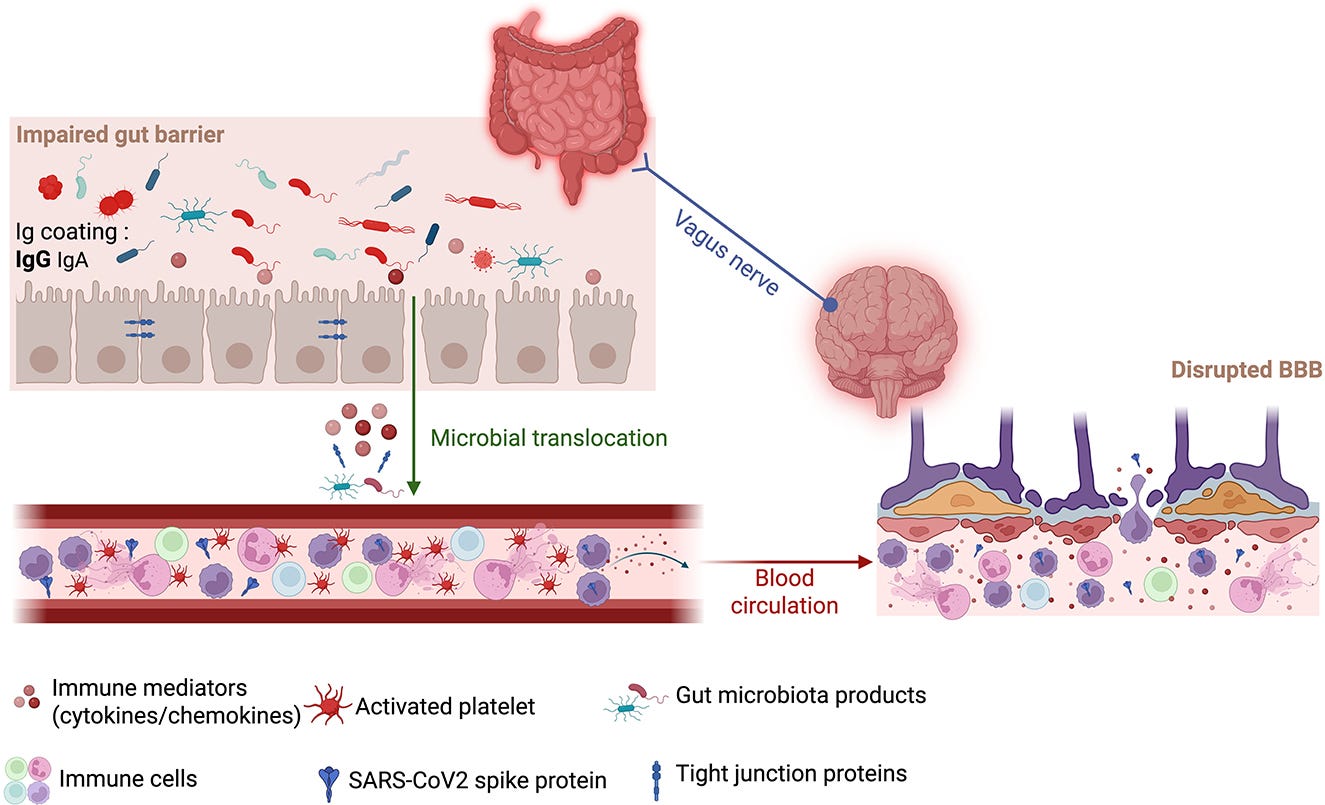
A new review from Montreal shows evidence that Long COVID neurological symptoms such as brain fog may actually start in the gut. When the intestinal barrier is damaged (“leaky gut”), in combination with SARS-CoV-2 viral persistence, microbial products (bacteria and virus fragments) can enter the bloodstream, which then trigger blood-brain barrier disruption, and subsequent brain neuroinflammation.
Figure 1. Proposed gut-brain axis linking intestinal barrier dysfunction to neuroinflammation in Long COVID.
From: https://www.frontiersin.org/journals/aging-neuroscience/articles/10.3389/fnagi.2025.1744415/full
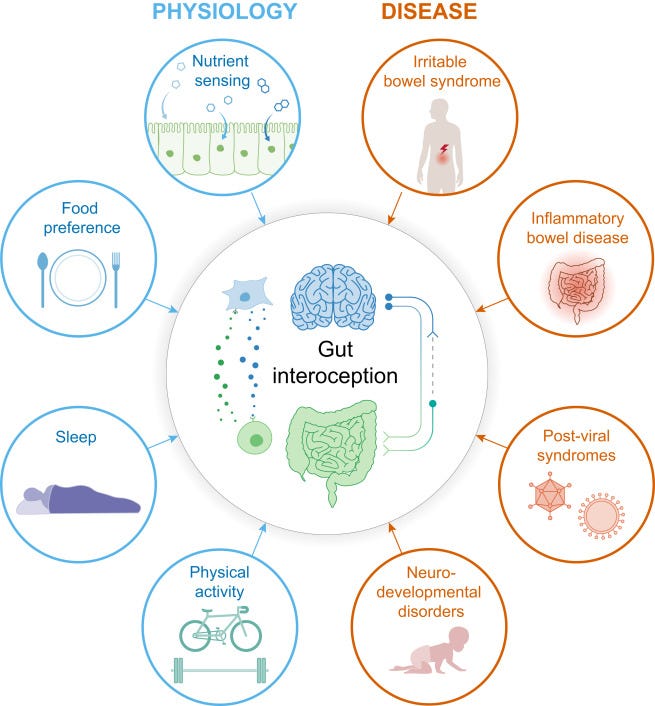
Another interesting review looks at the importance of a different part of the gut-brain axis. Researchers from Arc Institute and the University of Pennsylvania describe how gut sensory signaling (“interoception”) detects nutrients, microbes, and immune signals and communicates this information directly to the brain. This ongoing gut–brain signaling helps regulate hunger, mood, and sleep, and may contribute to diseases such as IBS and post-viral syndromes like Long COVID.
Figure 5: Impact of gut interoception on physiology and disease
From: https://www.cell.com/neuron/abstract/S0896-6273(25)00923-7
In a cross-sectional study from Spain, researchers compared 157 people with Long COVID to healthy controls and found significant impairment in episodic memory. People with Long COVID had difficulty storing and retrieving information across multiple tests, even when given cues or recognition prompts.
Researchers at the Brigham and Women’s Faulkner Hospital studied 143 individuals with Long COVID, 170 with ME/CFS, 290 patients with hypermobile Ehlers-Danlos syndrome (hEDS), and 73 healthy controls. The authors found that “both Long COVID and ME/CFS demonstrate dysregulation in cerebrovascular blood flow, autonomic reflexes, and small fiber neuropathy, suggesting that these conditions may share a common underlying pathophysiology. However, differing distributions of findings in patients with hEDS raise the question of whether these conditions represent distinct but overlapping syndromes or reflect a shared underlying pathway.”
Researchers from Cape Town, South Africa designed a novel sensor using nanobodies to detect the SARS-CoV-2 spike S1 protein with ultra-high sensitivity and specificity to a detection limit of just 0.04 pg/mL. The technology could allow monitoring of viral persistence by identifying SARS-CoV-2 at extremely low concentrations in the blood.
University of California San Francisco (UCSF) scientists with decades of HIV expertise have leveraged their experience to show SARS-CoV-2 viral persistence in the gut, bone marrow, brain and other tissues. By following a cohort of more than 1,700 people with Long COVID in the ongoing LIINC study, the team has demonstrated how chronic viral reservoirs drive ongoing immune activation and neurological symptoms in Long COVID. Treating Long COVID may require antiviral or immunomodulatory strategies similar to those used in HIV management.
VYD2311 is an investigational monoclonal antibody that shows in vitro antiviral activity against “all clinically recorded variants of SARS-CoV-2”. Invivyd, the maker of Pemgarda and VYD2311, will be launching a Phase 2 trial in mid-2026 with the SPEAR group to test multiple high doses of VYD2311 to treat people with Long COVID who show SARS-CoV-2 viral persistence.
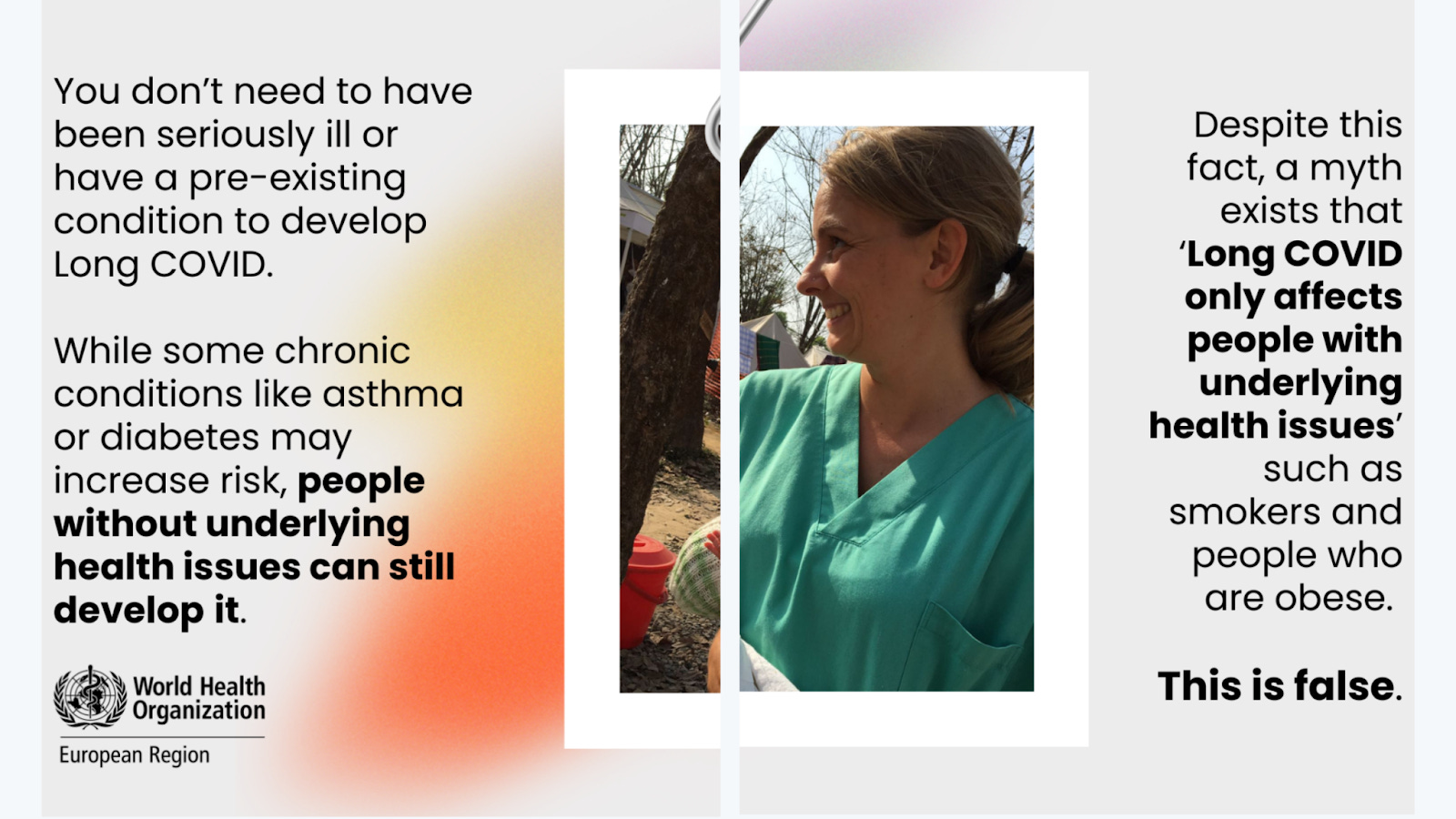
Many people in the world, including some doctors, do not believe that Long COVID is a real disease. To combat misinformation, the World Health Organization (WHO), with support from the European Union, released “8 Long COVID myth-busters that use evidence-based information and real patient stories to clear up these myths and promote scientifically accurate understanding. These messages are published in the form of social media assets that can easily be adapted by any individuals and organizations and further shared.”
From: https://www.who.int/europe/event/myth-busters--debunking-long-covid-myths-and-misconceptions
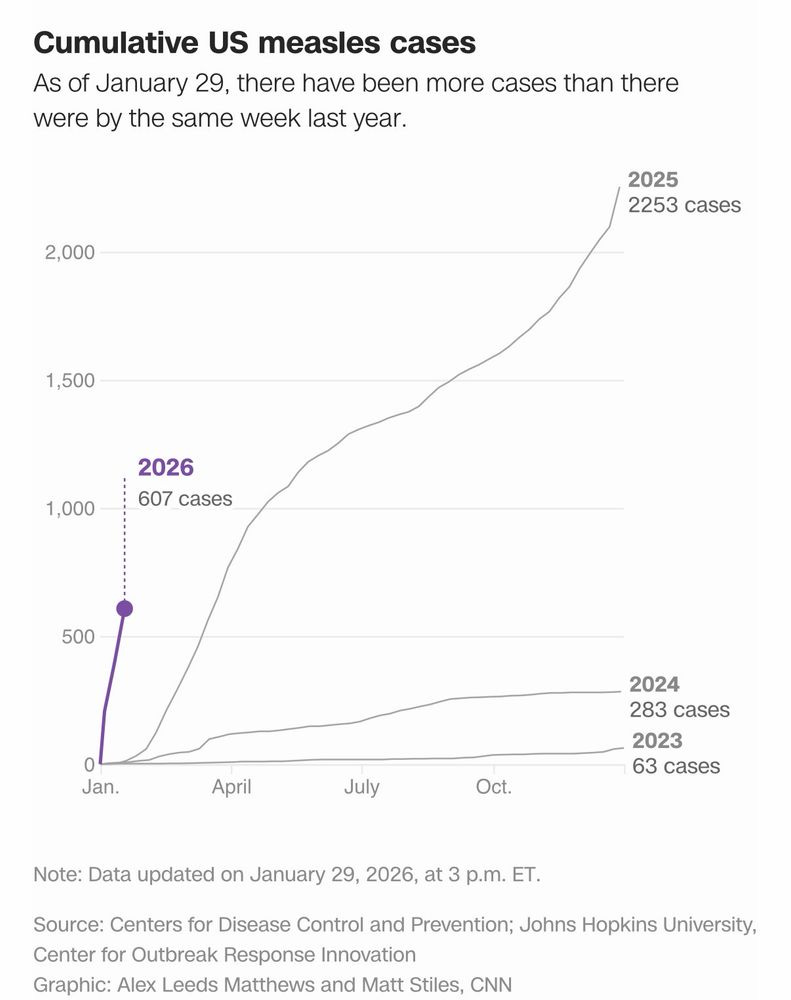
The CDC reported that as of January 29, 2026, 588 confirmed measles cases were reported in the United States in 2026 with 3% (17 of 588 cases) hospitalized. Typically about 12% of people with measles are hospitalized for complications as was seen in 2025.
However, the South Carolina Department of Public Health reports that as of January 30, there are actually 847 cases of measles just in South Carolina alone. The South Carolina measles outbreak is now bigger than last year’s Texas outbreak of measles. “Dr. Linda Bell, South Carolina’s state epidemiologist, points out that in Texas, measles cases grew over the course of seven months, while in South Carolina it has taken just 16 weeks to surpass the Texas case count.”
Measles is extremely contagious and each person with measles will, on average, infect 12 to 18 other people (R0) in an unvaccinated population. The incubation period for measles is long, ranging from 7 to 21 days. So, if an unvaccinated person is exposed, they will need to quarantine from school or work for 21 days.
From: https://www.cnn.com/2026/01/27/health/largest-us-measles-outbreak-south-carolina
Today, U.S. Immigration and Customs Enforcement (ICE) stopped “all movement” at the Dilley family detention facility in Texas because two detainees are infected with measles. Immigrant advocacy lawyers express concern about conditions and urge that this not be used to block facility inspections. Dilley is the detention center where 5 year old Liam Conejo Ramos and his father were being detained, until they were flown back to Minnesota today. I hope that they were vaccinated against the measles or some people from that plane may need to quarantine as well.
Minnesota physician Dr. Trappey wrote an important piece in the New England Journal of Medicine this week entitled “We Do Care”. I highly recommend it. You can read the full article here. He talks about how as physicians, we must first do no harm (primum non nocere) and discusses how difficult it has been in Minnesota as ICE shoots people in the streets and then does not let physicians give them medical care as they die of their gunshot wounds. Sick patients are scared to go to the hospital to seek care, and when they do finally come in, they are much sicker than they would have been if they had come in earlier. He talks about tear gas being used on children and “critically ill infants whose parents are too terrified to come to the hospital to comfort them.”
The Annals of Medicine reports widespread “unexplained pauses” in nearly half of the CDC’s public health surveillance databases in 2025, especially for vaccination and respiratory disease data, raising concerns that gaps in real-time data could weaken evidence-based policy and public trust.
This week, the new chair of the federal vaccine advisory panel Dr. Kirk Milhoan (CDC’s Advisory Committee on Immunization Practices) suggested in a podcast interview that routine childhood immunizations, including polio and measles, should be made optional. Vaccines have a long proven history of protecting public and individual health.
The American Academy of Pediatrics (AAP), endorsed by 12 leading medical and healthcare organizations, released its updated 2026 Childhood and Adolescent Immunization Schedule which is based on scientific evidence. At least 28 states have announced they will not follow the CDC’s new pared-down childhood vaccine recommendations. I anticipate that these states will follow the AAP recommendations, but there may be variations depending on the state.
A day after the U.S. federal government left the World Health Organization (WHO), the state of California joined the WHO’s Global Outbreak Alert and Response Network, aiming to maintain international public-health cooperation despite federal disengagement.
A new analysis shows that the U.S. federal government has lost over 10,000 STEM Ph.D. scientists since the start of the Trump administration. This massive “brain drain” means that our nation is losing the high-level expertise which could affect research and innovation in many fields.
The autonomic nervous system (ANS) is broken into 3 parts:
1. the sympathetic nervous system (fight or flight),
2. the parasympathetic nervous system (rest and digest) and
3. the enteric nervous system (ENS).
The enteric nervous system (ENS) consists of a mesh-like system of nerves that line and surround the gastrointestinal (GI) tract and control GI motility and secretion.
Muscularis macrophages (ME-Macs) are specialized immune cells residing in the muscle layers of the intestines and are considered “trained guardians”, working with enteric neurons of the ENS to regulate motility, protect against injury, and support tissue repair to keep the gut healthy. A new study in Nature shows how the α-synuclein (αS) protein that clumps in the brains of people with Parkinson’s disease actually originates in the gut. The α-synuclein is picked up by ME-Macs in the intestines. This triggers expansion of circulating T cells that do not remove the toxic α-synuclein from the ENS (gut nervous system) and the CNS (brain). Depleting gut ME-Macs in this study led to reduction of α-synuclein pathology in the brain. “These results indicate ME-Macs as early cellular mediators of αS pathology along the gut–brain axis, presenting cellular mechanisms that may underlie body-first Parkinson’s Disease.”
ME-Macs: The Gut’s Role in Parkinson’s Disease via the Gut-Brain Axis
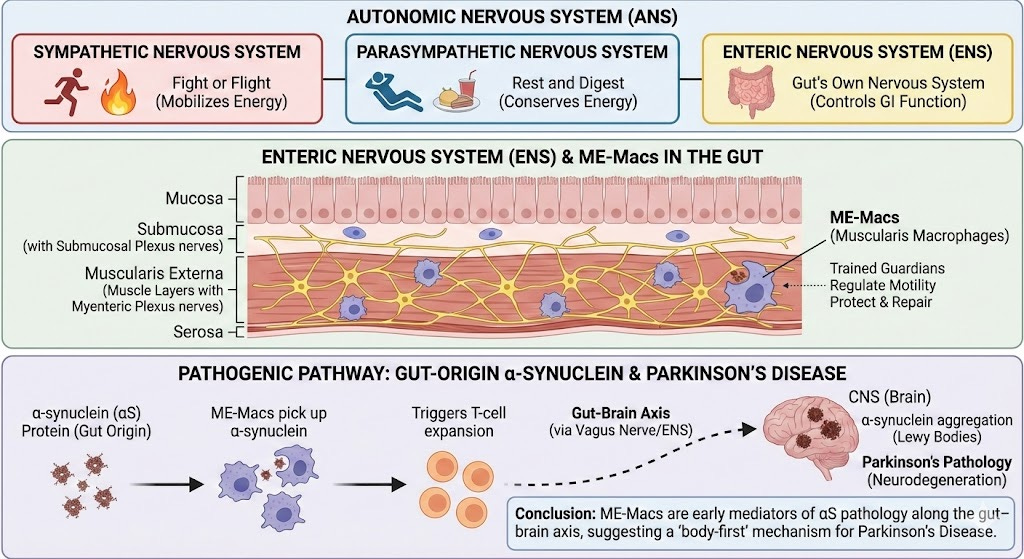
Image made with Gemini Nano Banana
Researchers from the Snyder lab at Stanford announced CordDB, a comprehensive database of umbilical cord blood metabolite profiles linked to clinical data. The database is available at https://corddb.stanford.edu/. Major findings in analysis of the cord blood samples “include (1) characterization of the umbilical cord arteriovenous gradient, revealing that fatty acids are a primary source of carbon for the developing fetus; (2) the presence of an umbilical cord signature in healthy newborns, characterized by elevated levels of vitamin B5 and tryptophan betaine; (3) the association of microbial metabolites with the health status of the mother and the health outcomes of the newborn; (4) association of the taurine metabolic pathway with newborn health; (5) the ability to predict lung surfactant administration based on cord blood molecular profiling; (6) the demonstration that bupivacaine is metabolized by the newborn; and (7) the observation that when mothers receive betamethasone, the metabolically predicted gestational age of the newborn is different than their actual gestational age.” The group plans to expand the CordDB database by adding data from a large variety of maternal-fetal conditions over time.
Newborn dried blood spot screening for inborn errors of metabolism is a routine test in many countries. Researchers from the Aghaeepour lab at Stanford analyzed routine newborn dried blood spot metabolites from 13,536 premature infants and used a deep learning model to create a “metabolic health index”. The index predicts which premature babies will go on to develop lung, brain, eye, or intestinal complications more accurately than gestational age or birthweight alone and was validated in an independent cohort of 3,299 very premature newborns from Ontario, Canada.
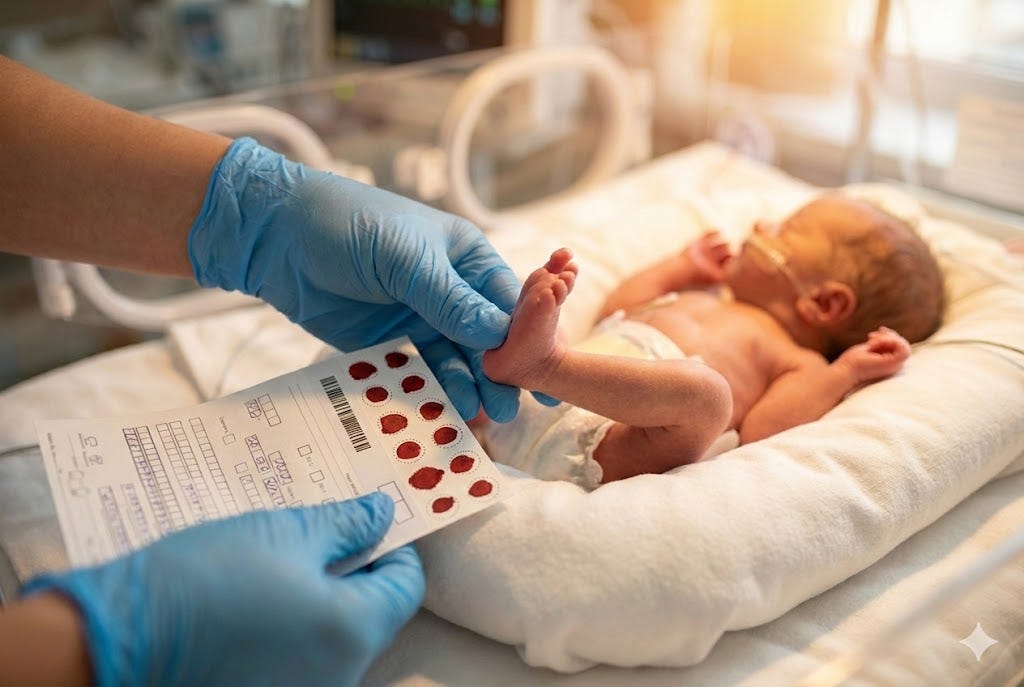
Image made with Nano Banana
Score another one for the shingles vaccine! A new study from the University of Southern California of 3,884 adults age 70+ shows that those who received the shingles vaccine had decreased inflammation, slower epigenetic aging, and a lower overall biological aging score. “Biological aging improvements were most pronounced within three years post-vaccination.” Other studies have shown that the live-attenuated shingles vaccine reduces or delays dementia.
Several new articles came out in Nature magazine this week showing that fecal microbiota transplantation (FMT) from healthy donors before immunotherapy can improve efficacy against melanoma, non-small cell lung cancer, and renal cell carcinoma. Treatment response rates were much higher than expected with the addition of the FMT.
This week, I discovered the website of award-winning wildlife photographer Suzi Eszterhas. She is known for documenting animals with their babies as seen by this sea otter with her 3 day old newborn pup.

Have a great week,
Ruth Ann Crystal MD





.jpg)
No comments:
Post a Comment