Monday, October 13, 2025

Dr. Ruth's COVID & Health News 10/12/25

Get ready for another info-packed COVID & Health News newsletter from Dr. Ruth Ann Crystal!

----------------------------------- 

COVID & Health News, 10/12/25

The CDC has had a data blackout since the government shutdown two weeks ago, so most government data on COVID infections has stopped being posted. Early indicators like COVID case positivity and Emergency Department visits had gone down at that time, so it appears that the summer COVID wave is winding down.

JP Weiland states that we are probably at a yearly low of about 150,000 to 200,000 new COVID cases per day in the U.S. He calculated his modeling with data from WastewaterSCAN since the CDC wastewater and the CDC Emergency Department data is unavailable. On October 6th, he mentioned that cases of Rhinovirus (the common cold) had been increasing which is not surprising for this time of year.

Mike Hoerger predicted that we had about 602,000 new COVID cases daily on October 6. However, his prediction model uses CDC data and Biobot data which may limit its accuracy right now. I would imagine that we are closer to 200,000 to 300,000 COVID cases per day now given the available information.

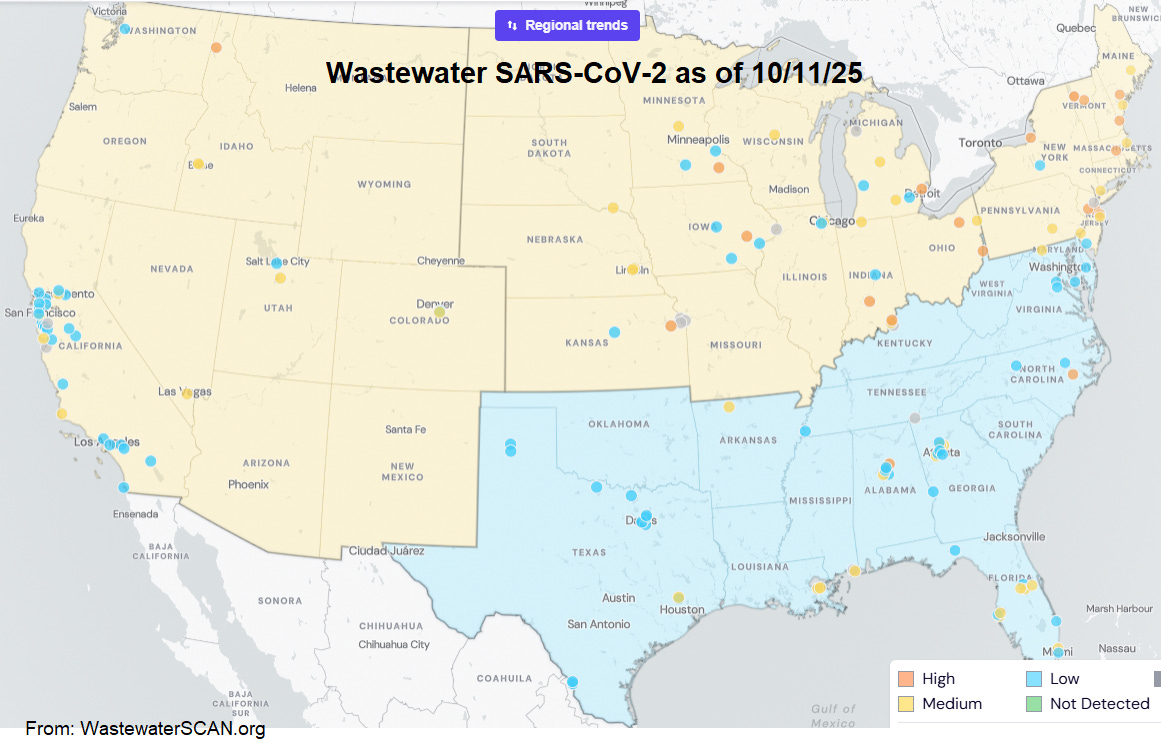
WastewaterSCAN omits 12 states, but their data is more up to date. As of 10/11/25, there are LOW levels of SARS-CoV-2 in wastewater in the South, with the rest of the US at a more MEDIUM level.
Many European countries are experiencing significant COVID waves now. Hospitalizations for COVID have increased sharply in England and pharmacies across France are reporting widespread shortages of home COVID self-testing kits following a surge in demand. The spike coincides with rising case counts linked to the XFG variant. Swiss epidemiologists warn of a potentially intense upcoming respiratory infection season and have advised vulnerable populations, as well as symptomatic individuals, to voluntarily wear masks indoors especially in crowded or public transport settings.
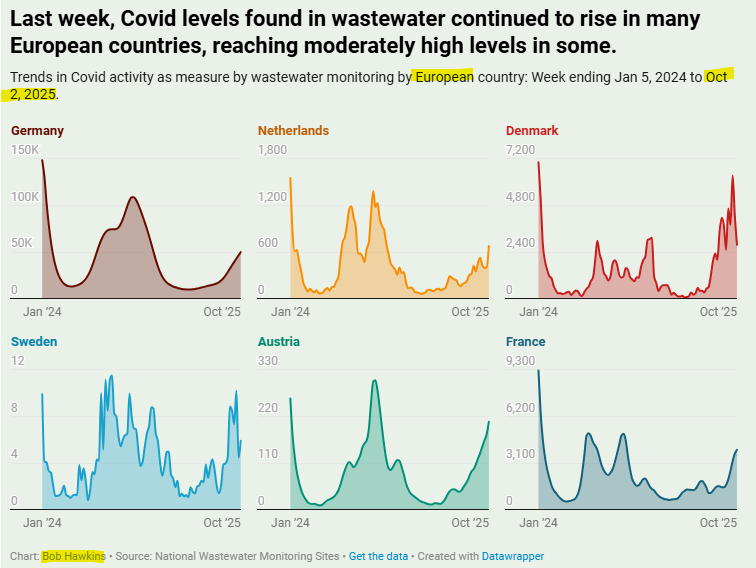
From: Bob Hawkins https://substack.com/@bhawkins3

Share

Pregnancy

The U.S. CDC and the Advisory Committee on Immunization Practices (ACIP) quietly updated recommendations this week and now specifically include pregnant women among those eligible for COVID vaccination. Under the new policy, pharmacies may administer the vaccine to pregnant people and insurers are required to cover it without cost sharing. This is consistent with recommendations from the American College of Obstetrics and Gynecology (ACOG).

A new study shows that SARS-CoV-2 infection disrupts the nasal and the oral microbiota during pregnancy, leading to an increase in harmful bacteria (pathobionts) and reduction in microbiome diversity, especially in symptomatic pregnant individuals. Increase in pathobiont bacteria correlated with the severity of COVID symptoms and the authors found that “the nasopharyngeal microbiota appears to be a better predictor of SARS-CoV-2 infection and its severity than the oral microbiota” in pregnancy.

Vaccines

Getting COVID boosters is still important. Regardless of immunity from prior COVID infection or vaccination, a study of nearly 300,000 U.S. veterans showed that people who got the 2024–25 COVID booster had substantially fewer ER visits, hospitalization, and deaths compared to those who got only the flu shot. The continued benefits of COVID boosters were seen across all age groups and health statuses.

Antiviral treatments

In a randomized, double-blind trial of 436 participants who took Paxlovid and experienced COVID rebound, a second 5-day retreatment with Paxlovid (nirmatrelvir/ritonavir) led to a significantly greater reduction in viral RNA at Day 5 compared to placebo. The retreatment group reached two consecutive negative antigen tests in median 4 days vs. 5 in placebo, and symptom resolution in 8 vs. 9 days. No hospitalizations or deaths occurred with COVID rebound. The authors concluded that retreatment is safe and accelerates viral decline, but there is no clear clinical advantage of taking a second dose of Paxlovid in rebound cases since rebound is often mild and self-limited.

Scientists built a three-armed ACE2 “decoy” that latches onto the coronavirus’ spike protein in three places at once. The decoy blocked all tested SARS-CoV-2 variants, and even blocked SARS-1, suggesting broad-spectrum potential against coronavirus infection.

Invivyd announced that they received FDA clearance to start testing VYD2311 which is a monoclonal antibody meant to offer vaccine-like protection against COVID infection.

Long COVID

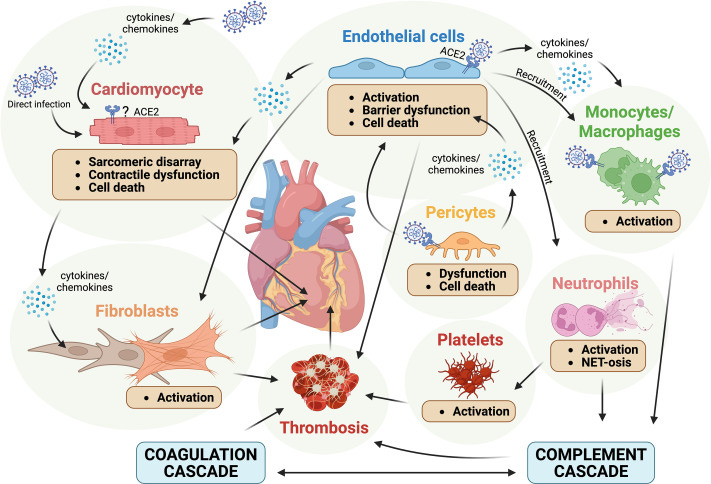
A new comprehensive review from Stanford looked at immune, vascular, neurologic and cardiovascular dysfunction in Long COVID showing evidence for endothelial injury in blood vessels, heart muscle damage, and autonomic dysregulation. It also discussed some new lab models being used including iPSC-derived cardiac tissues and organ-on-chip models, as well as analytical AI tools.

Fig. 2 Cell type-specific mechanisms underlying COVID-19-associated cardiac injury.
From: https://www.jmcc-online.com/article/S0022-2828(25)00178-6/fulltext#f0010

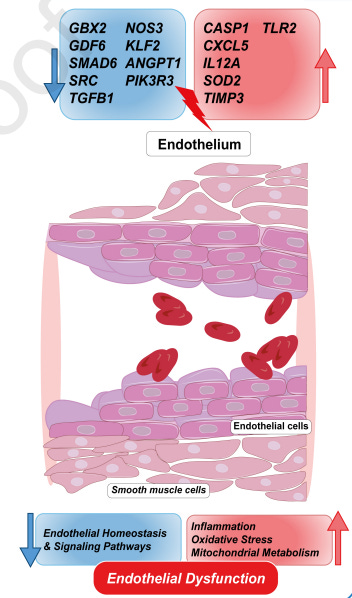
Endothelial progenitor cells (EPCs) are precursor cells that differentiate into mature endothelial cells that line blood vessels, forming new blood vessels and promoting tissue repair after injury. In a small study, researchers from Spain isolated EPCs from post-COVID patients at both 3 and 6 months and compared them to EPCs from healthy controls. They found that 3 and 6 months after COVID infection, there was persistent dysregulation of genes related to vascular repair, oxidative stress, and inflammatory signaling in EPCs, showing that long lasting damage to endothelial cells and abnormal gene transcription can persist months after acute SARS-CoV-2 infection.
From: https://www.cell.com/iscience/fulltext/S2589-0042(25)01992-3

In a large retrospective study of ≥ 73,000 matched vaccinated and unvaccinated COVID patients (and ~77,800 matched influenza controls), scientists from the Cleveland Clinic assessed ten eye conditions after COVID infection. COVID vaccination was associated with lower incidence of retinal edema (OR 0.68), vitreous hemorrhage (OR 0.55), and optic neuritis (OR 0.60) with COVID infection. Compared to influenza infection, COVID infection was associated with higher odds of diplopia (OR 1.89) and cranial nerve VI palsy (OR 3.19), while risks for other retinal outcomes were similar.

Using EEG and brain imaging from 70 people after COVID infection, researchers found disrupted slow-wave brain activity and damaged white-matter pathways linked to memory and decision-making. The findings reveal two distinct “brain profiles”, hinting that post-COVID cognitive changes are not one syndrome but several and each has its own neural signature.

Using AI to evaluate gene transcription of peripheral blood mononuclear immune cells (PBMCs), Iranian researchers found that COVID infection activates many of the same inflammatory gene programs seen in Multiple Sclerosis and Alzheimer’s Disease. The findings raise the possibility that SARS-CoV-2 might push the immune system toward neurodegenerative changes.

Share

ME/CFS

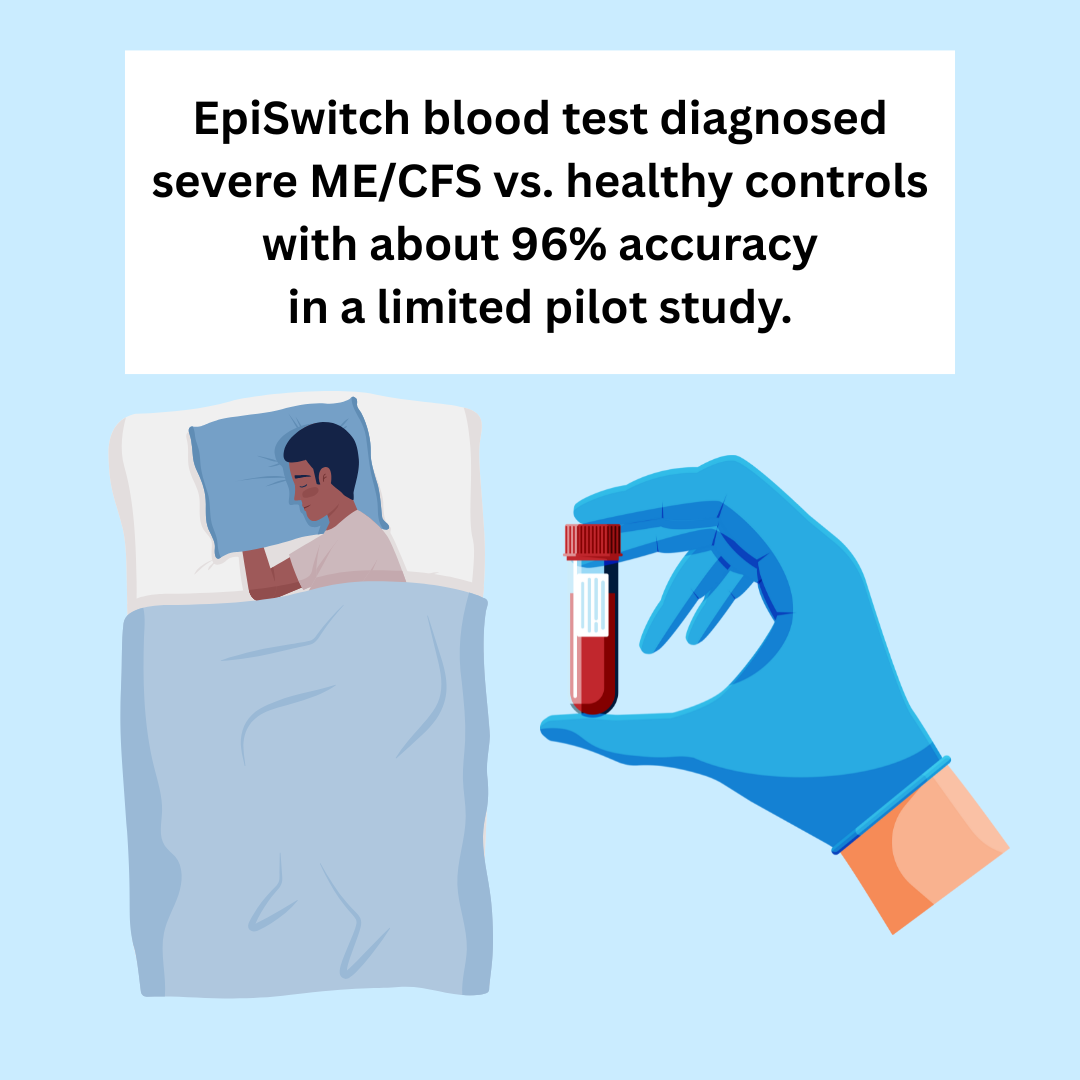
In a retrospective case/control, proof-of-concept study of 47 severe ME/CFS patients and 61 matched healthy controls, researchers used a 3D chromosome conformation profiling method (EpiSwitch®) to derive a 200-marker signature (“EpiSwitch®CFS test”) that distinguished severe ME/CFS with 92% sensitivity, 98% specificity, and about 96% overall accuracy. Pathway analysis linked these markers to immune/inflammation signaling including IL-2, TNF, toll-like receptor, and JAK/STAT networks. The authors note the need for larger, prospective multicenter validation and testing against other chronic inflammatory or autoimmune disorders to make sure that the test can differentiate between severe ME and other diseases like Multiple Sclerosis or fibromyalgia.
Measles

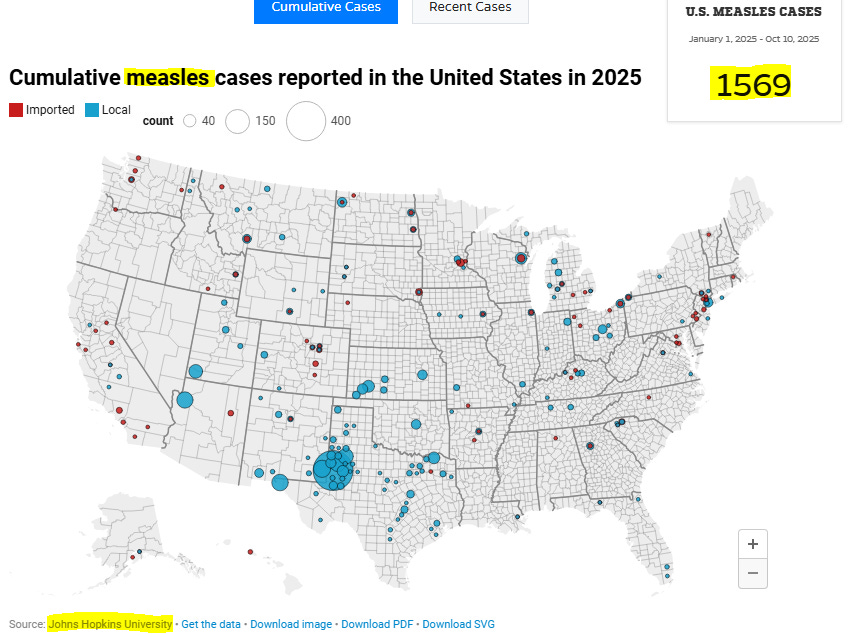
The United States has surpassed a 33 year record for measles. As of October 7, 2025, a total of 1,563 confirmed measles cases were reported in the United States, with 12% of cases hospitalized (193 of 1563), and 3 confirmed deaths from measles.

At least 270 unvaccinated children have been quarantined for measles as outbreaks spread across multiple U.S. states, including 153 cases in South Carolina, 118 in Minnesota, and 103 cases along the Arizona-Utah border. Falling vaccination rates are fueling these outbreaks, which have led to weeks of remote learning and community disruption. Unvaccinated children must be quarantined for 21 days which is the length of possible incubation for the measles. Infectious disease expert Dr. Michael Osterholm warned, “Expect more of the same,” predicting that measles outbreaks will become more frequent.
From: https://publichealth.jhu.edu/ivac/resources/us-measles-tracker

Government News

Late Friday night, the Trump administration laid off the key CDC personnel including the “disease detectives” (aka the Epidemic Intelligence Service officers who respond to infection outbreaks around the world), senior scientists, the MMWR staff and the entire Washington CDC office. Per the New York Times, “it was the latest blow to an agency that has been wracked by mass resignations, a shooting at its Atlanta headquarters in August and the firing of its director [Susan Monarez] under pressure from Health Secretary Robert F. Kennedy Jr.” The layoffs are concerning for our country’s capacity to respond to outbreaks and public health threats. Today, about half of the CDC workers who were laid off late Friday have now been reinstated.

Separately, when asked about Venezuelan opposition leader MarĂ­a Corina Machado receiving the Nobel Peace Prize, President Trump told reporters that he had spoken with her by phone and claimed that Machado said, “I am accepting it [the Nobel Peace Prize] in honor of you [Trump] because you really deserved it.”

Earlier this week, six former U.S. Surgeons General co-authored an editorial warning that RFK Jr.’s record of promoting vaccine misinformation and rejecting scientific consensus poses a serious risk to public health. Separately, 300 psychiatrists called for Kennedy’s removal as Health Secretary for promoting views contrary to medical evidence. They warn that his personal views conflict with the responsibilities of overseeing national mental health, substance abuse, and public health programs.

Amid these controversies, RFK Jr. said that Tylenol might cause autism, saying “There is no proof, but we’re doing the studies to make the proof.”

As previously discussed, a large Swedish sibling-control study of 2.5 million children, published in JAMA (4/9/24), found no link between acetaminophen (Tylenol) use during pregnancy and autism, ADHD, or intellectual disability.

Earlier this week, the CDC announced that it was stepping back from universal COVID vaccine recommendations and instead was encouraging individualized provider-patient conversations. The CDC also revised the pediatric immunization schedule to remove the V (varicella or chickenpox vaccine) from the MMRV combination vaccine.

The CDC director also proposed splitting the MMR (measles-mumps-rubella vaccine) into 3 separate vaccines despite scientific evidence showing that the combined vaccine is effective and safe. Dr. Jake Scott wrote an Op Ed entitled “Why the CDC director is wrong about the MMR vaccine”. Separating combination vaccines into individual ones would add economic, environmental, and social costs, and requiring multiple appointments makes it less likely that children will complete the series to be fully protected.

In contrast, California’s current recommendations for vaccination against respiratory viruses follow guidance from scientific societies like the AAP and ACOG.

Carl Zimmer and colleagues launched a new series in the New York Times called “Lost Science” which tells the stories of “scientists who have lost their jobs or funding after cuts by the Trump administration.” The first article focuses on a scientist who lost funding for a project studying how fires affect pollinators like bees.

From: https://www.nytimes.com/2025/10/08/science/ecology-forests-pollinators.html?unlocked_article_code=1.r08.uAIn.OfGTJJC8nTNM

Enterovirus D68 (EVD68)

WastewaterSCAN shows several areas with HIGH levels of EVD68 in California (San Francisco, San Jose, Ontario, Lompoc), Iowa and Chicago. EVD68 mostly causes common cold symptoms, but occasionally it has led to outbreaks of a polio-like disease in children called Acute Flaccid Myelitis (AFM).

Other news

Researchers analyzed immune cell profiles from women before and after menopause and found a significant rise in inflammatory monocytes associated with aging and hormonal decline. Postmenopausal women on hormone replacement therapy (HRT) showed reversal of this proinflammatory pattern, suggesting that estrogen deficiency contributes to immune aging. The study highlights HRT’s potential to restore immune balance and reduce inflammaging linked to menopause.

A study shows that in Amyotrophic Lateral Sclerosis (ALS), patients have CD4⁺ T cells reactive to the neuronal protein C9orf72, with skewing toward IL-4, IL-5, and IL-10 secretion. The presence of these autoreactive T cells supports an autoimmune component to ALS and suggests that the balance of inflammatory versus regulatory T cell responses may influence disease progression and represent a therapeutic target.

A study from Italy found that pancreatic beta cells from people with Type 2 Diabetes regained normal glucose responsiveness in 60% of cases after just three days in normal glucose conditions. This recovery involved changes in over 400 genes linked to inflammation, MAPK, and autophagy pathways. The JAK inhibitor medication Baricitinib, which is already used for rheumatoid arthritis and severe COVID, was found to enhance insulin secretion in human islets, beta-cell lines, and in diabetic mice, suggesting the potential to restore beta cell insulin secretion in Type 2 Diabetes.

When Donell Stallworth, a cook at the Shrimp Basket in Pensacola, noticed that his regular customer Charlie Hicks hadn’t come in for his daily gumbo, he grew worried. After calls went unanswered, Donell drove to the 78-year-old’s home and found him barely conscious on the floor. He called 911 and stayed until help arrived- actions that saved Charlie’s life. Later, Donell visited Charlie in the hospital, bringing him a bowl of his favorite gumbo.

Donell and Charlie

Have a good week,

Ruth Ann Crystal MD

Joy and Heartbreak in Israel

For twenty families, there is great joy today. For the families of the 28 hostages who were killed or who died in captivity, the grief must be overwhelming. Of course, Hamas is cruelly delaying their release. 

Israelis erupt in joy as last living hostages released after 738 days in Gaza
As 20 captives begin return to Israel, tens of thousands gather at Hostages Square in Tel Aviv and around the country to watch live feeds of their release

Times of Israel 10/13/25 

"Israelis celebrated throughout the country on Monday as the final 20 living hostages were returned to Israel after 738 days of captivity in the Gaza Strip.

"Tens of thousands of Israeli flooded Tel Aviv’s Hostages Square — two years to the day since the October 7 attack according to the Hebrew calendar — to watch a live feed of the hostages’ release.

"In the square, which has been the site of hundreds of protests and rallies calling for the hostages’ release over the past two years of war, revelers popped champagne bottles, cheered and hugged one another.

"Some waved Israeli and American flags, some held signs thanking US President Donald Trump for his efforts to secure the hostages’ release, and others stood silently, taking in the moment.

"In living rooms around the country, the families of the captives tearfully watched the scenes and embraced each other in relief and joy as their loved ones appeared on screen and were returned to Israel.

"Others lined the roads outside the Re’im base in southern Israel, where the released hostages arrived after being transferred by the Red Cross to Israeli forces in Gaza, cheering on the families that came to be reunited with their loved ones and waiting to welcome the freed hostages once they made their way to hospitals in central Israel."

Some Advice for the "Palestinians" & Other Jew-Haters

I thought this was an excellent summation of the mentality of all Jew-haters, not only the "Palestinians". But I doubt they, like Hamas, will ever change their ways.

---------------------------- 

From The Times of Israel 10/13/25:

"US President Donald Trump says the Palestinians can choose a new path as well, “to exile the wicked forces of hate that are in their midst.”

"He says he thinks it is going to happen.

“Now is the time to concentrate on building their people up instead of trying to tear Israel down,” he says."

Sunday, October 12, 2025

Trump Got His COVID Shot & People Are Upset

I've seen some of the reader comments to this news at various websites and have been amazed to read that so many of them seem to feel that President Trump is some kind of traitor for getting what they call "the clot shot". They seem proud of the fact that they have refused to get a COVID vaccine over the  past 5 years.

They must have forgotten that Trump had to be hospitalized with COVID during his first term; forgotten than he is 79 years old; and forgotten that he is constantly on the go, mixing with people at home and abroad.  He's the President of the United States and can't afford to get sick. What part of "better safe than sorry" don't they understand? 

Besides, the COVID vaccine works.

---------------------------------------------

From NBC News 10-10-25

Trump gets Covid vaccine and flu shot during second checkup of the year

"The White House on Friday released a memo from President Donald Trump’s physician summarizing his visit to Walter Reed Army Medical Center earlier in the day, which included a Covid vaccine booster and a flu shot.

"Trump’s doctor, Sean P. Barbabella, said in the one-page document that Trump “remains in exceptional health, exhibiting strong cardiovascular, pulmonary, neurological, and physical performance.”

"Trump’s visit to Walter Reed was described in the memo as a “scheduled follow-up,” which White House press secretary Karoline Leavitt on Wednesday had characterized as a “his routine yearly check-up” — despite being Trump’s second such visit after undergoing an annual physical exam in April.

"The memo said Friday’s checkup was part of Trump’s “ongoing health maintenance plan.” The president underwent “advanced imaging, laboratory testing, and preventative health assessments,” his physician wrote.

"Barbabella described the labs as “exceptional, including stable metabolic, hematologic, and cardiac parameters.” He characterized Trump’s “cardiac age” as “approximately 14 years younger than his chronological age.”

"In this case, the doctors used an electrocardiogram, or a test that checks the electrical activity of the heart, to estimate Trump’s cardiac age. This can be done in conjunction with artificial intelligence or other analyses to provide more insight into somebody’s risk of heart disease.

"Barbabella said Trump, 79, received the flu shot and a Covid vaccine booster “in preparation for upcoming international travel.” Trump is scheduled to leave for the Middle East on Sunday after helping secure a ceasefire deal between Israel and Hamas this week.

"Covid shots have become harder to get under the Trump administration. The Centers for Disease Control and Prevention updated its Covid vaccine guidance on Monday, limiting its recommendation for the shots only to people 65 or older or those with an underlying health condition — and only after they consult doctors, nurses or pharmacists. That change comes after many states had set their own guidance on vaccines, resulting in a complex landscape with a patchwork of different vaccine policies, making it harder to find the shot depending on where a person lives.

"The CDC’s acting director, Jim O’Neill, signed off on that change based on the recommendations of the agency’s vaccine advisory panel, which Health Secretary Robert F. Kennedy Jr. overhauled earlier this year after firing all its members and replacing them with his own picks.

"Former CDC Director Susan Monarez testified during a Senate committee hearing last month that Kennedy, a longtime vaccine skeptic, pressured her to pre-emptively approve vaccine recommendations from the panel, and grew “upset” when she refused to do so.

"Trump’s visit to Walter Reed also comes a month after he rebuffed rumors that he was in poor health stoked by a persistent bruise on the back of his hand, and after he did not appear in public for several consecutive days.

"Trump was diagnosed with chronic venous insufficiency, a non-life-threatening condition that causes blood to pool in his legs, in July. The condition can cause swelling, pain, skin discoloration and in some cases can lead to the development of ulcers.

"Trump became the oldest person elected U.S. president in November. At the time, he was just a few months older than Joe Biden was when he was elected four years earlier."

Waiting For The Results of Pure Evil

Will there be any Nuremberg-like trials for Hamas and the worst of the "Palestinians"? It sounds like they are just going to be able to walk away without having to pay for their crimes and Nazi-like cruelty since (and before) October 7, 2023.  Their evil should be on full display at a trial for the world to see, so that the Hamas-supporters and collaborated can see what they've been celebrating.

Of course all the bodies of the hostages will be hard to find. Do you really think that Hamas is going to make any of this easy? Their stalling tactics, their physical and psychological torture, and their cruelty towards the Jewish people, will continue for as long as possible. 
--------------------------------------------

Release of hostages set for Monday; families told locating all dead bodies could be hard. According to report, Israeli official says some uncertainty remains, and release could begin Sunday night; Witkoff warns families that locating all bodies of dead hostages’ bodies may be difficult

Excerpt from The Times of Israel 10/12/25, by Lazar Berman & Nava Freiberg

"The release of the hostages from Gaza is expected to begin on Monday morning, Hamas and Israeli officials said over the weekend, though some uncertainty remains regarding the timing.

"Under the terms of the ceasefire agreement reached on Thursday, the IDF had 24 hours to complete its initial withdrawal in Gaza. Hamas was given a window of 72 hours after the withdrawal to release the 48 hostages, 20 of whom are thought to be alive.

"The IDF completed its withdrawal by noon on Friday, commencing the 72-hour period. Israel will release some 2,000 Palestinian prisoners in exchange for the hostages.

"In a Friday message seen by The Times of Israel, the Israeli government’s pointman on the hostages, Gal Hirsch, told relatives of the captives that Israel believed “the process of releasing your loved ones — our loved ones, the hostages — will begin on Monday morning.”

“Living hostages will be handed over to us, and it is expected that the remains of fallen hostages will also be transferred to us,” he wrote. Bodies of dead hostages will be transferred “in a painful and respectful ceremony” to the Institute of Forensic Medicine to be identified, he added.

"Top Hamas official Osama Hamdan appeared to confirm that schedule, telling AFP that “according to the signed agreement, the prisoner exchange is set to begin on Monday morning as agreed, and there are no new developments on this matter.”

"But some Israeli sources signaled that uncertainty remains. On Saturday, Channel 12 reported that a senior Israeli official said “not all timing details are clear to Israel.” The official said the ambiguity is apparently due to the terror group’s logistical preparations.

"The report added that the releases could begin as early as Sunday night if conditions permit. Talks are ongoing with the International Committee of the Red Cross, which is set to coordinate the transfer of hostages, the network said.

"The official added that the exact time of the release will likely only be known a few hours in advance.

"In addition, Hamas has previously said that it anticipated difficulty locating the bodies of some of the deceased hostages within the 72-hour deadline.

"In his message to relatives of hostages, Hirsch said that after Israel verifies the identities of the bodies it received, a multinational task force will start searching for any bodies still in Gaza that the terror group cannot locate.

“We demand, expect, and work for 100% effort from Hamas, with the assistance of the international force, in order to complete the mission and bring back all the fallen hostages for burial in Israel,” he wrote.

"In a meeting with relatives of hostages on Saturday evening, US special envoy Steve Witkoff echoed that concern, saying it could be very hard to locate some of the bodies, Channel 12 reported.

"The families were deeply troubled by Witkoff’s assessment and were pleading for Israel to do everything possible to return every hostage, the report said."

Saturday, October 11, 2025

Outbreak Outlook, October 10, 2025

Here is an important issue of Caitlin Rivers' Force of Infection newsletter, including data on all 50 U.S. states:

---------------------------------- 

Outbreak Outlook: Week 2 of DIY Surveillance; State by state disease surveillance of COVID-19, influenza and RSV amid federal public health cuts

Caitlin Rivers, Oct 11, 2025 

Last night, the CDC was devastated by layoffs that eliminated whole offices. The Inform Division, which I helped to start at the Center for Forecasting and Outbreak Analytics, was among those affected. According to an unconfirmed report published by Inside Medicine, the list of layoff targets also includes a number of other offices focused on communication and disease surveillance (among other functions), which could be particularly disruptive to the public’s ability to get high quality information.

Meanwhile, for the second week in a row, the federal government shutdown has interfered with public reporting of surveillance. No new information has been published on disease activity since September 26.

I am furious and sad for my colleagues, and scared for public health.

Team Force of Infection is doing what we can to fill the gap. We once again visited all 50 state websites + DC to check on COVID-19, influenza, and RSV activity. The details of what we found are below. You may need to open the email in your browser to get the full report.

All reports during the shutdown will be free for everyone. Please share this post so others can find it.

P.S. My book, Crisis Averted, is on sale at Amazon for $14. One critic called it a “love letter to public health” so if you need something to hold on to, check it out.


National Updates

At the national level, COVID-19 activity continues its steady decline following the summer wave. Emergency department visits have fallen to very low levels across most of the country, with the majority of states now reporting between 0.3% and 1.8% of ED visits for COVID-19. Nearly all regions are showing improvement, with particularly strong declines in the Southeast (Tennessee at just 0.3%) and Midwest (Illinois and Kansas both at 0.4%). A few states remain slightly elevated, but the overall trajectory has been several weeks of decrease.

Influenza activity remains minimal nationwide, with all regions reporting rates well below seasonal thresholds. However, we’re starting to see the tiniest hints of movement. Oklahoma and South Dakota are showing small increases in influenza-like illness, and Texas ED visits ticked up slightly this past week, though all remain at very low levels.

And while RSV activity remains low overall, it is stirring in some regions. Louisiana stands out with test positivity jumping to 3.9% from 0.9% in mid-September, and emergency department visits are rising among young children in Louisiana, South Carolina, and Virginia. Texas is also seeing increases in both ED visits and hospitalizations for children ages 0-4. Other regions are showing subtler signs, but I do expect the season to begin in earnest in the weeks ahead.


Food Recalls

The following foods are being recalled because they are contaminated. Please check your cupboards and throw out any of these items:

New:

  • Ready-to-eat meals containing riced cauliflower sold by Blue Apron and Marley Spoon (more info)

  • Ready-to-eat meals containing spinach sold under the Hello Fresh label (more info)

  • Durra ground cinnamon sold at stores in California and Michigan (potential lead contamination) (more info)

  • Del Mar bulk organic frozen spinach and Sno Pac organic frozen cut spinach (more info)

  • Basil Pesto Bowtie Salad and Smoked Mozzarella Penne Salad sold in Kroger Family of Stores, including, among others, Kroger’s, Baker’s, City Market, Dillons, Payless, Ralphs, and Smith’s (more info)


In Other News
  • Dozens of CDC officials were fired late Friday night. Reportedly, the firings include the entire Washington office which works with Congress, the Epidemic Intelligence Service officers who track infectious disease outbreaks (sometimes called “disease detectives”), and the staff of Morbidity and Mortality Weekly Reports. While the exact details of the layoffs are still coming to light, and the firings are likely to be contested in court, it remains deeply troubling news. Public health infrastructure has suffered blow after blow to our ability of the county to prevent, prepare for, or respond to outbreaks and epidemics.

  • Lingering confusion over COVID-19 vaccination access for pregnant individuals. Months ago, HHS Secretary RFK Jr. removed the recommendation for pregnant individuals to receive Covid-19 shots, despite the substantive risks of Covid-19 infection during pregnancy and infants too young to receive the vaccination. However, in September’s meeting of ACIP (which advised adults to engage in shared decision-making with their medical providers about receiving the vaccination) appears to have included pregnant individuals. If so, this means that the move by ACIP may have (inadvertently?) overturned the HHS Secretary’s decision. There is uncertainty regarding whether the ACIP members intended to do this.

State Data

Alabama:

  • COVID-19 continues to decline in Alabama, with trips to the ED falling again this past week, down to 0.44% of all trips to the ED.

  • Both flu and RSV remain very low. However, both had teeny tiny increases this past week, and I expect rates to start increasing any day now.

Alaska:

  • COVID-19 activity is improving in Alaska, with the number of lab-confirmed cases having declined for five weeks in a row. COVID-like illness in emergency departments has also decreased and remains at low levels. Influenza and RSV also remain at very low levels according to both lab data and emergency department visits.

Arizona:

  • COVID-19 is continuing to decline in the state, with a decreasing number of laboratory-confirmed cases over the past few weeks.

  • Flu remains below the seasonal average for Arizona. Outpatient visits for ILI held steady at 1.4%, well below the 2.6% threshold for the official start of flu season in the state.

  • RSV is very quiet.

Arkansas

  • I was not able to find information for Arkansas. The state does have a dashboard for influenza, but it is either not working or there is nothing to report yet.

California:

  • Summer wave is nearly done. COVID-19 wastewater activity has decreased substantially over the past several weeks and is now low. Test positivity shows similar declines, as do hospitalizations. Activity remains moderate in the northern part of the state.

  • RSV and flu continue to have very low test positivity and ED visits.

Colorado:

  • COVID-19 activity in Colorado is falling. The percent of visits to the emergency department that are COVID-19 is now 0.5%, down from a recent high of 1.1%. Test positivity and hospital admissions are declining as well. Influenza and RSV activity remain at very low levels.

Connecticut

  • COVID-19 seems to be declining in the state: wastewater concentration is declining, and both reported cases and hospitalizations are down. However, trips to the emergency department for COVID-19 have been steady at 1.4% of all trips to the emergency department for the past month in Connecticut. This is elevated over the lows it hit over the summer (~.30%), and is close to the peak of the (relatively small) winter wave last year (1.8%).

  • Flu and RSV are still very low, though in the past few weeks we have started to see a very small signal for flu in trips to the emergency department.

Delaware

  • Only wastewater data is available right now for respiratory illnesses in the state – other data should become available as the fall respiratory season gets underway.

  • COVID-19 wastewater activity has decreased notably in the past few weeks, and is now low.

  • There is very low flu and RSV wastewater activity.

Florida:

  • Florida’s COVID-19 data is a little thin but activity appears to be decreasing, consistent with declines seen across the country.

  • RSV activity remains low in Florida but increased slightly in four of five regions of the state. Last week, I was slightly worried at an increase in RSV activity among children ages 0 to 5, but that seems not to be developing further at this point. Overall though, there is little going around. Influenza activity remains very low and stable.

Georgia:

  • Influenza-like illness data for Georgia pulls from the CDC so it will not be updated during the federal shutdown.

  • I was not able to find information on COVID-19 activity in the state.

Hawaii:

  • Hawaii is back down to the low levels of COVID-19 activity it was at before the summer wave, with 0.9% of all ED visits last week due to COVID (compared to 4.6% at the wave’s peak).

  • Flu and RSV continue to both be at very low levels of activity, but there are slight increases in activity (increase in test positivity for flu, and an increase in ED visits for RSV). I expect activity for both illnesses to pick up steam any day now.

Idaho:

  • COVID-19 activity is declining in Idaho with 1.7% of visits to the doctor, including emergency departments and urgent care for COVID-19. Test positivity is also declining.

  • Influenza and RSV activity is low and stable.

Illinois:

  • COVID-19 is fairly low and declining. Trips to the ED declined further last week, down to 0.4% of ED visits.

  • Neither flu nor RSV have started their typical fall rise yet.

  • Although COVID-19, flu, and RSV are pretty low, other respiratory infections are spreading (nearly 7% of all ED visits were for acute respiratory infections last week that were not due to these three viruses). It seems like most of these infections may have been due to rhinoviruses/enteroviruses (common causes of colds), which are showing nearly 30% test positivity in the state.

Indiana:

  • Influenza-like illness remained minimal in the state for the week ending September 27. ILI accounted for 1.24% of visits to the emergency department and urgent care clinics, well below the 2.3% threshold for the start of the flu season. Rates are, as usual, highest among the youngest children, those aged 0-4, with an ILI of 4.8%. Other age groups

  • COVID-19 is quite low in the state as well, with decreasing ED visits, and low wastewater activity.

  • I could not find any data on RSV for the state.

Iowa:

  • The first report of the season was due to be released October 10, but I think it may have been delayed a few days, since I was unable to find it posted.

Kansas:

  • COVID-19 activity has declined by 2.5-fold since the beginning of September – ED visits for COVID-19 have declined to 0.4% of all ED visits, down from 1.0%. They aren’t quite back to baseline, but they are getting there.

  • RSV and flu both remain very low and stable; I expect this to change in the coming weeks.

Kentucky:

  • Respiratory disease activity in Kentucky is declining. COVID-19 constitutes 1% of visits to the emergency room, which has been stable for several weeks now. Influenza and RSV circulation remains minimal. Influenza-like illness activity remains below what the state normally sees this time of year. There is a slight increase in positive laboratory tests for RSV, which is consistent with signs I’m seeing from other states that we are in the very earliest days of RSV season.

Louisiana:

  • COVID-19 is low and continuing to decline in Louisiana. ED visits for COVID-19 are back down to 1.3%, after reaching 3.9% at the end of August.

  • Flu is low and stable.

  • I see some clouds on the horizon, however: children aged 2-4, and 5-11 both saw increases in ED visits for respiratory illnesses this past week - while the data is not separated out like this, I would bet that this is due at least in part to a rise in RSV. This is because RSV test positivity (which is not available disaggregated by age) has increased sharply in the state in the past few weeks, though it remains low overall. It is up to 3.9% test positivity, from 0.9% in mid-September.

Maine:

  • COVID-19 is on the decline after a small late summer wave, with decreases in new cases and trips to the ED for potential COVID-19.

  • Influenza-like illness remains low in the state, with low and stable trips to the ED.

Maryland:

  • COVID-19 cases have declined about 3.5x fold in the past month, and are almost back down to the lows they were at in early summer. Hospitalizations are also decreasing.

  • Flu remains minimal, with 1.22% of trips to the doctor due to influenza-like illness, well below the 2.7% threshold for the start of flu season in Maryland.

  • RSV is showing the beginning signs of an uptick – as expected for this time of year – though it remains very low overall.

Massachusetts:

  • COVID-19 activity is declining in Massachusetts. The state’s very small summer wave peaked in early September and has been declining since. Hospital admissions are also declining. Activity remains below what is currently seen in the state at this time of year. People ages 80 plus have the highest rates of emergency department visits for COVID-19, followed by children under the age of five.

  • Influenza and RSV activity are both very low and stable. There may be an increase in RSV activity in children under the age of five, but there is some uncertainty in the most recent data.

  • “Westfield Public Schools is dealing with an outbreak of chickenpox…As of Thursday, there were at least five confirmed cases across four Westfield schools.”

Michigan:

  • COVID-19 activity in Michigan is declining. The most affected age groups are children ages 0 to 1 and adults over the age of 65 as measured by visits to the emergency department. Activity in this state peaked in mid-September and has been declining since.

  • Influenza and RSV activity are very low and stable.

  • The number of COVID-19 immunizations administered in the state is low compared to this point in previous seasons. Around a quarter million COVID-19 vaccines have been given so far compared to 375,000 to 435,000 during the previous two seasons. Coverage of influenza vaccines seems about on par with previous seasons.

Minnesota:

  • The rate of COVID-19-associated hospitalizations is decreasing in Minnesota, as is the proportion of inpatient and emergency department visits for COVID-like illness. Covid-19 currently constitutes 0.5% of visits to the emergency department, down from a recent high of 0.9%. Wastewater concentration of SARS-CoV-2 was declining as of October 1st, the latest available data.

  • Influenza-like illness remains low and stable in all seven regions of the state. RSV test positivity is low as well.

Mississippi:

  • Mississippi does not provide a ton of data on COVID-19, but from what I can tell, activity peaked in August and has been declining since, now reaching levels slightly elevated compared to the offseason. Influenza-like illness in the state is also low and stable.

Missouri:

  • Influenza-like illness Missouri remains minimal, with just 0.8% of trips to the ED due to ILI.

  • I was not able to find recent data on COVID-19 in the state, but while looking for recent data, I found a report of the mortality due to COVID-19 in the state from 2020-2022. It was a reminder of just how severe the impact of the pandemic was across the country – 21,621 Missourians died from COVID-19 related deaths in the first three years of the pandemic, making COVID-19 the third leading cause of death in the state in 2020 and 2021 and the fourth in 2022 (after vaccines were widely available).

Montana:

  • Montana’s data has not been updated since early September.

Nebraska:

  • COVID-19 activity is declining in Nebraska. Test positivity is falling, as are visits to the emergency department and hospitalizations for COVID-19. COVID activity is low in Nebraska compared to the same point during previous seasons. Children ages 0 to 4 have the most visits to the emergency department for COVID-like illness, followed by the 5 to 24 age group.

  • Influenza and influenza-like illness is very low and stable in Nebraska. Just 1.3% of visits to the doctor were for fever and cough or sore throat, which is low compared to the same point during previous seasons. School absenteeism is low at 2%.

  • RSV activity is also low in the state with very few emergency department visits and low test positivity.

Nevada:

  • “Due to the Nevada state-wide network outage, we are not currently able to update dashboards.”

New Hampshire:

  • Weekly ILI surveillance has not yet started. There is decreasing wastewater activity for COVID-19. Wastewater concentration for RSV and influenza are minimal. I was not able to find any other data for the state.

New Jersey:

  • New Jersey’s data was not updated this week. According to the most recent data, COVID-19 activity is declining, and RSV and influenza activity are minimal and stable.

New Mexico:

  • COVID-19 is decreasing in the state, the proportion of people leaving a doctor with a diagnosis of Covid-19 is down, as is wastewater activity and hospitalizations.

  • ILI activity is below average for this time of year. However, activity does seem to be picking up in Catron county.

  • RSV remains minimal with no signs of an increase yet.

New York:

  • COVID-19 peaked late September in the state. ED visits and hospitalizations remain a bit elevated, but both have been decreasing since late September.

  • In New York City, COVID-19 activity has also been decreasing over the past couple weeks.

  • Influenza reporting has not yet started for the state or NYC.

North Carolina:

  • COVID-19 activity is in line with what we normally see this time of year. Around 1.8% of visits to the emergency department are for COVID-like illness, down from a recent high of 4.1%. Wastewater concentration for SARS-CoV-2 has also declined markedly since a peak in early September. Wastewater concentration is now moderate.

  • Influenza-like illness is low and stable, with 0.6% of visits to the ED for fever and cough or sore throat. RSV activity is minimal.

North Dakota:

  • Influenza-like illness is low and stable at 0.5% of visits to the doctor for fever and cough or sore throat.

  • COVID-19 data was a bit hard to interpret as the state reports counts instead of percentages, but activity appears to have declined steadily since a recent high in September.

Ohio:

  • I am grateful to my readers for sharing a link to where Ohio is publishing hospitalization data and outbreak data for respiratory infections. Thank you.

  • Over the past month, hospitalizations for COVID-19 and flu have been increasing (with far more hospitalizations for COVID-19 (261 in the past week) than for flu (13 in the past week).

  • RSV hospitalizations have been stable over the past month.

  • In addition to hospitalization data, Ohio also reports “outbreak data” which it defines as “two or more epidemiologically linked cases of the same illness … occurring within a 7-day period in a shared setting (e.g., school, workplace, healthcare, congregate living).” This data suggests that COVID-19 is particularly concentrated in the northern part of the state at this time.

  • An outbreak of measles is affecting the New Albany school district in Franklin County. “Columbus Public Health listed specific exposure sites and dates related to the outbreak as Sept. 25, between 10:30 a.m. and 1:45 p.m. at the New Albany Early Learning Center and Sept. 25 between 11 a.m. and 2 p.m. at the Target on 6030 N. Hamilton Road.”

Oklahoma:

  • COVID-19 activity is low in Oklahoma. The state primarily uses test positivity, which is currently at 5.6%, down from a recent high of closer to 12%. COVID-19 hospitalizations have declined as well from a recent peak in mid-September. Adults age 65+ are at the highest risk of hospitalization in the state.

  • Influenza-like illness is low in Oklahoma, with 1.7% of visits to the doctor for fever and cough or sore throat. There has been a recent increase in outpatient ILI and test positivity, but levels remain very low nonetheless. Among positive tests, the majority of cases are in children. However, the hospitalization rate is highest in people ages 65 and older.

  • RSV activity is very low in Oklahoma with 1% test positivity, far below the 10% baseline. Activity below is typically seen this time of year, but there has been a very small increase in the most recent week.

Oregon:

  • Oregon relies on CDC to share most of its COVID-19 data, so there wasn’t much available, but I was able to confirm that test positivity for COVID-19 has declined steadily since mid-September.

  • Influenza activity is minimal in Oregon across all nine regions of the state. There are no influenza-associated hospitalizations, and laboratory test positivity is minimal.

Pennsylvania:

  • Around 0.4% of visits to the emergency department were for COVID-19, down from a recent high of 0.9%.

  • Influenza and RSV activity are minimal in the state. There has been a very small increase in ED visits for RSV among children ages 0 to 4, which is consistent with what I’m seeing in other parts of the country.

Rhode Island:

  • Looking pretty good. COVID-19 wastewater activity is decreasing, and ED visits and hospitalizations are low and stable.

  • Flu and RSV are minimal and stable. Slight uptick in RSV wastewater activity, but no increases in ED visits yet.

South Carolina:

  • COVID-19 activity has declined steadily in South Carolina from a peak in late August or early September. 0.6% of visits to the emergency department are for COVID-19, down from 2.8%. The most affected age groups are adults 18 to 49 and adults over the age of 65.

  • Influenza and RSV activity remain very low in South Carolina, though RSV activity in the 0 to 4-year-old age group is beginning to tick up a bit.

  • Two schools in Spartanburg County are affected by measles. The state has reported 10 cases of measles so far this year.

South Dakota:

  • Flu is minimal in the state, but there looks to be a tiny increase in ILI activity in the past couple weeks.

  • Covid-like illness activity had been slightly elevated and is now decreasing.

  • RSV activity remains minimal.

Tennessee:

  • Tennessee’s small summer COVID wave peaked in mid-August at 1.3% of visits to the emergency department. Activity has declined since, now reaching a very low 0.3%. Children ages 0 to 4 have the highest weekly percentage of visits to the ED at 0.7%, followed by ages 65 plus. I also see a recent increase in hospital admissions among people ages 65 plus, which is worth keeping an eye on in the weeks ahead. Overall, activity in the state is low right now compared to this point during previous seasons.

  • Influenza and RSV are both very low and stable in Tennessee.

Texas:

  • COVID-19 activity is declining. Trips to the ED have been on a decline since the beginning of September. Hospitalizations have also come down notably, particularly for those aged 65 and older; the hospitalization rate for that group reached 11.3 per 100,000 people in early September and has declined to 3.8.

  • Trips to the ED for flu and RSV both increased this past week, though they remain very low overall. Hospitalizations for RSV for the littlest kids aged 0-4 have also increased in the past couple weeks. Looks like the season is starting.

Utah:

  • Utah’s data was not updated this week. According to the latest available data, COVID-19 activity is declining following a peak in late August. Influenza and RSV activity are also minimal.

Vermont:

  • COVID-19 activity is low in Vermont with emergency departments seeing declining numbers of patients with COVID-19. There has been an increase in wastewater concentration for SARS-CoV-2 in Essex Junction, so that will be something to keep an eye on in the next couple weeks.

  • Influenza-like illness activity is minimal in Vermont, with 1.1% visiting the doctor for fever and cough or sore throat. Among patients who are experiencing ILI, the most common age group is 5 to 24.

Virginia:

  • COVID-19 activity is declining in Virginia with 0.5% of visits to the emergency department for COVID-19. This is down from a recent high of 1.7%. Despite notable increases, children ages 0 to 4 remain most affected, according to ED data. Influenza and RSV activity are very low. However, RSV is beginning to tick up in the 0 to 4 age groups, so that will be something to keep an eye on in the weeks ahead.

Washington:

  • Just 1% of visits to the emergency department in Washington are for COVID-19, down from a recent high of 1.9%. Hospitalizations are down as well and are currently well below previous years. Adults age 80 plus are at highest risk of visiting the emergency department and of being hospitalized for COVID-19.

  • Influenza activity is low and stable in the state, as is RSV.

Washington, D.C.

  • COVID-19 activity is low in the district, according to the DC health department. There are a few other details available.

  • Influenza-like illness is low with 1% of visits to the doctor for fever and cough or sore throat. This is below what is typically seen this time of year.

West Virginia:

  • COVID-19 activity is declining in West Virginia. Just 1.4% of visits to the emergency department are for COVID-like illness, down from 1.6% at the end of September. Influenza-like illness is also low and stable, and there is very little RSV circulating.

Wisconsin:

  • COVID-19 activity is declining in Wisconsin with 0.5% of visits to the emergency department from COVID-19, down from a recent high of 1.1%. Despite these improvements, ED visits remain elevated compared to the offseason. Children ages 0 to 4 and adults age 65+ are currently most affected, although they too are seeing improvements.

  • Influenza and RSV activity are both minimal.

Wyoming:

  • COVID-19 activity appears to be declining in Wyoming, though the state is unusual in that it reports only cases with no information on emergency department visits or hospitalizations.

  • Influenza-like illness is low in Wyoming, with 2.3% of visits to the doctor for fever and cough or sore throat. This is below the state’s baseline of 5.4% that marks the beginning of flu season. RSV activity is also minimal.