Jan 21, 2026:
----------------------------------------------
We’re in the middle of a rough respiratory season. So naturally, everywhere you turn online, someone is offering advice on how to “boost your immune system.” The problem is that good science and bad advice are all tangled together on social media and podcasts, making it hard to know what actually works.
While vaccines are among our most powerful tools to reduce the risk of infection, and antivirals can slow how fast viruses multiply, most infections don’t have treatments or vaccines. So what else can you do?
Here’s what helps, what doesn’t, and why. And if you’re already feeling crummy, we hope this helps a little.
Mom was right: the basics still matter
It turns out the advice many of us heard growing up still holds up.
Sleep is among the most powerful tools we have for immune support. While you’re asleep, your immune system:
Suppresses chronic inflammation that weakens your ability to fight off infections.
Helps coordinate where your immune cells go in the body.
Trains immune cells to recognize germs.
Sleep especially affects natural killer cells, which are part of your body’s first line of defense against viruses. It also helps B cells and T cells—the immune system’s “memory”—learn what different viruses look like and how to respond faster next time. Sleep has also been shown experimentally to significantly affect the strength of your immune response to vaccines and your susceptibility to certain infections.
The problem is that about one-third of adults don’t get nearly enough sleep (see sleep recommendations below). When sleep is cut short, the immune system becomes less effective and inflammation rises, which can increase the risk of infections and long-term health problems. It’s best to get at least 7 hours of sleep each night.
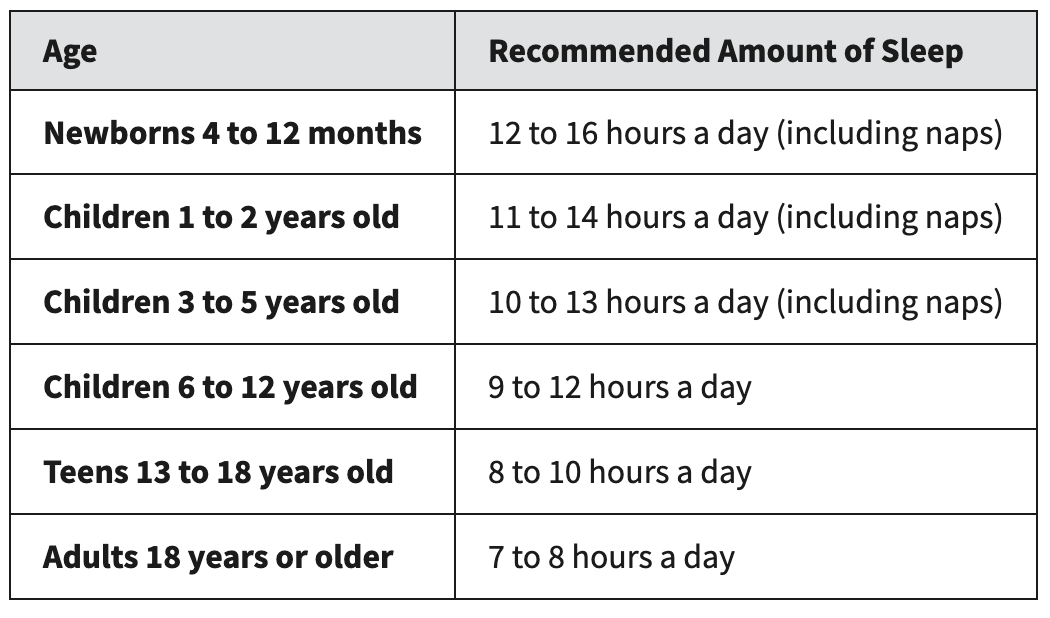
Note: Unfortunately, many medications that aid in sleep disrupt the amount of time you spend in specific stages of sleep, which means that they might not allow you to get the full benefits of sleep for your immune system.
Humidity doesn’t directly strengthen your immune system, but it can make a big difference in how you feel:
Can loosen mucus, making it easier for you to clear it from your body.
May enhance the immune system compared to dry air, though more research is needed to confirm the mechanism.
Can make it harder for viral particles to spread from one person to another.
The opposite is also true: drier air has been shown to exacerbate respiratory symptoms. One important point: if you are using a humidifier, make sure it stays clean.
A nutrient-rich diet matters too, especially one rich in fruits, vegetables, whole grains, lean proteins, and healthy oils. While most nutrition research focuses on conditions like heart disease and stroke, these dietary patterns are also valuable for the immune system.
The clearest is around fiber. Most adults eat less than half of the recommended daily fiber intake. Fiber feeds your “good” gut bacteria, which work to reduce systemic inflammation. There is one important exception—some individuals who have inflammatory bowel disease, like Crohn’s or ulcerative colitis, can have a worsening of their disease if they consume too much fiber.
Homing in on home remedies
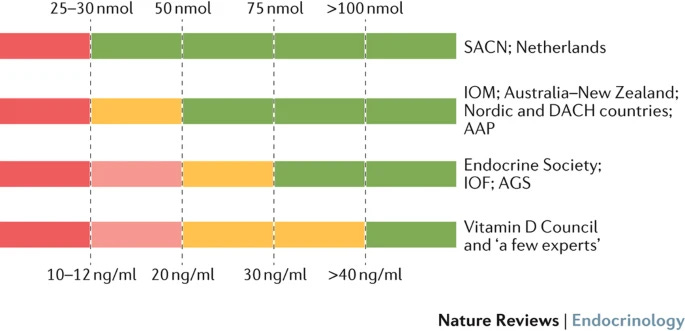
Vitamin D gets a lot of attention. It does help immune cells do their jobs and keeps inflammation from getting out of control. Deficiency can increase the risk of infections, BUT true deficiency in the U.S. is much less common than many have been led to believe.
There’s a really complicated history to the guidance on what Vitamin D levels people need. The latest guidelines from the Endocrine Society broadly align with the Institute of Medicine’s previous work, which found that 20 ng/mL is sufficient to meet the needs of 97.5% of the U.S., though lower values may also achieve this. In a recent meta-analysis of randomized controlled trials, vitamin D supplementation did not have a clear benefit for reducing the risk of respiratory infections compared with placebo.
Zinc is another common remedy. Your body needs zinc to activate certain immune cells, especially T cells. If taken early, zinc may slightly shorten the duration of a cold or reduce symptom severity. But it comes with downsides: nausea, bad taste, and, with nasal sprays, even loss of smell. Zinc does not prevent colds, despite early lab studies that suggested it might.
Vitamin C. A balanced diet can readily obtain the necessary levels to support immune function. There are many misconceptions about megadosing vitamin C for sickness, stemming from a book published in the 1970s and supercharged by claims about its benefits for the common cold. In addition, some animal studies and small but poorly conducted human studies are often cited as proof. But, Vitamin C deficiency is uncommon, and megadosing doesn’t show compelling evidence of preventing colds or accelerating resolution.
Some notes on vitamins:
Taking too much of a vitamin (i.e., megadosing) can be toxic. For Vitamin D, this risk is particularly concerning for children (especially babies), people with certain medical conditions, and those taking certain medications. For Vitamin C, the main risk of megadosing is kidney stones.
They aren’t regulated for safety or efficacy. This means that even if you’re buying the same exact supplement from the same exact company, there is variability in the quality and formulation.
The placebo effect is real. For example, in a randomized control study of multivitamins, the intervention group reported better health despite no apparent differences in health outcomes.
Nasal saline, whether in sprays or neti pots, can be surprisingly helpful when you’re sick. Studies show it can shorten symptom duration and make congestion easier to manage by clearing mucus from the nasal passages. Nasal saline doesn’t prevent infection, but it can make illness more manageable. Just be sure to use distilled or purified water.
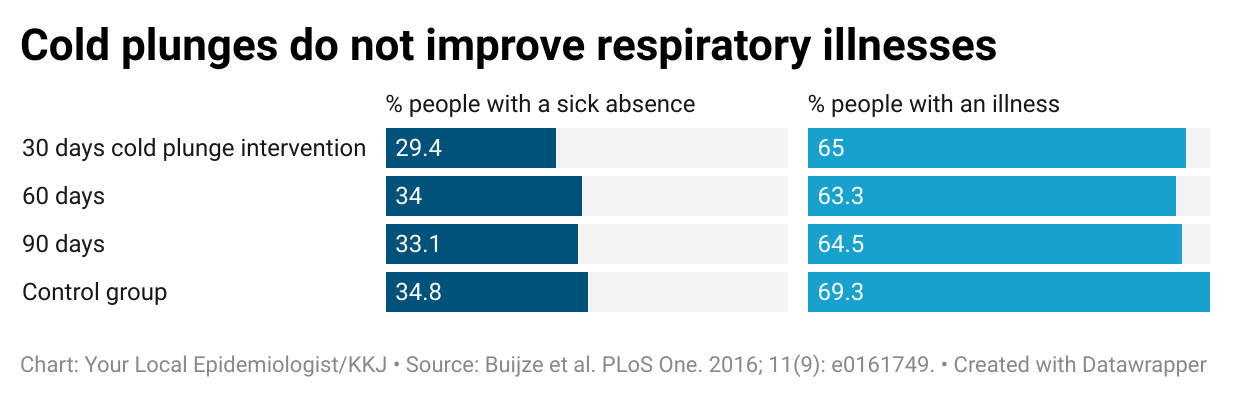
Cold plunges or ice baths are increasingly popular for “boosting” immunity, but there is inconclusive evidence from small, conflicting studies. For example, one study of ten athletes observed a small increase in white blood cell counts after multiple cold plunges in a row (which one could argue may aid immune function), but another study found no effect. One randomized control trial in the Netherlands found cold plunges reduced sickness absences from work by 30%, but not the number of days of feeling crummy.
Bottom line
We have a few tools to help prevent and treat viral illnesses. However, the best tool we have is our immune system. Our body does a great job of keeping that in tip-top shape without fads. Stay healthy out there!
Love, YLE, Ed and Hannah





.jpg)
No comments:
Post a Comment