--------------------------------------------------------
Part II: Research News, 1/4/2026
Here are some short summaries on the latest research on COVID and other Health News from the last few weeks
12/16/25 CIDRAP: Presenteeism among health workers with COVID rose steadily last year, study suggests https://buff.ly/Fc9iiXX
Presenteeism is defined as continuing to attend work during an illness. “Nearly 8% of US health care personnel (HCP) with symptomatic COVID-19 continued to work during their illness, and the practice became increasingly common as the pandemic progressed... Presenteeism varied by job role. HCP with minimal patient contact were more likely to continue working than those whose jobs involved substantial patient contact.”
12/3/25 JAMA: Presenteeism Among Health Care Personnel With COVID-19 https://buff.ly/4QHdebA
12/16/25 Cureus: Combination Therapy With Ensitrelvir and Remdesivir Versus Antiviral Monotherapy in Patients Receiving Anti-CD20 Monoclonal Antibody Therapy: A Retrospective Cohort Study https://buff.ly/0oOVUgF
In 17 patients who had prior anti-CD20 therapy, those who received combination antiviral therapy of ensitrelvir + remdesivir had 14% mortality at one year after COVID infection compared to 78% in those who received monotherapy, despite more severe illness in the combination group.
12/19/25 BioRxiV: An Oral Combination therapy against SARS-CoV-2 based on Synergistic Action of Auranofin and Remdesivir https://buff.ly/EoYHHW9
Auranofin (brand name Ridaura) is an oral gold compound medication that reduces inflammation and is used primarily for treating rheumatoid arthritis (RA). In mice, the combination of Auranofin + Remdesivir cut SARS-CoV-2 viral loads by at least 98%.
12/20/25 Journal of Thrombosis and Thrombolysis: Full-dose heparin anticoagulation as prevention for COVID-19 disease progression in non-critically ill patients: An up-to-date brief meta-analysis https://buff.ly/qK2lgPX
A meta analysis showed that full dose heparin decreased the need for invasive ventilation in COVID patients from 9.5% to 7.9%.
12/24/25 UK Health Security Agency (UKHSA) National influenza and COVID-19 report https://buff.ly/zaTqnNw
The UKHSA reports show increased risk of secondary infections 28 days after the flu and COVID, with an overall higher risk after COVID. COVID and influenza viruses can affect the immune system’s ability to fight other infections long term.
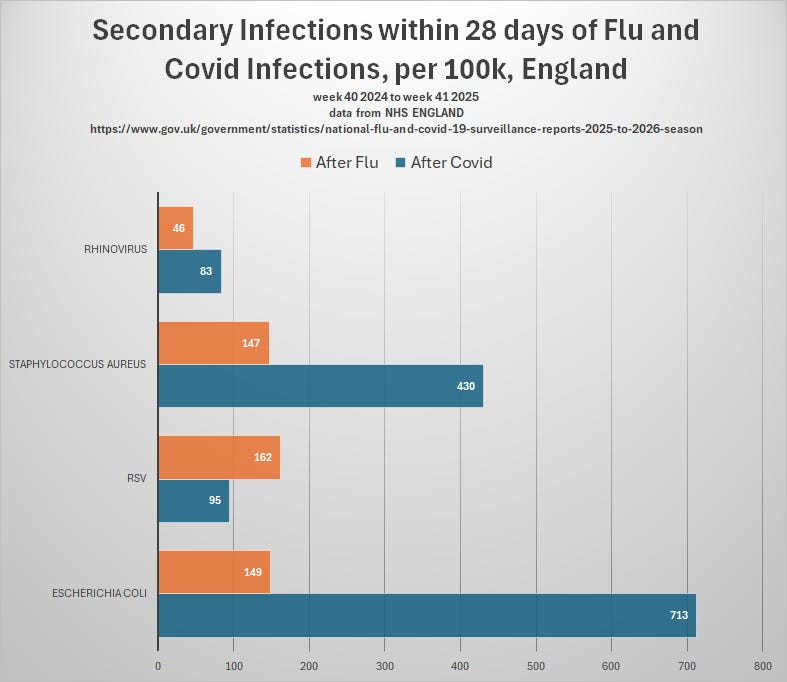
From: https://www.gov.uk/government/statistics/national-flu-and-covid-19-surveillance-reports-2025-to-2026-season
12/26/25 Virulence: Metabolic control of macrophages in coronavirus disease 2019 https://buff.ly/jhDc2Iw
Changes to macrophage metabolism by SARS-CoV-2 leads to inflammation and fibrosis. Four metabolic pathways in macrophages are rewired by COVID infection: Glycolysis, TCA metabolism (accumulation of citrate and succinate in mitochondria) and Itaconate, lipid metabolism (Sphingolipids, cholesterol) and metabolism of amino acids glutamine, aspartate, arginine, tryptophan. “Emerging therapeutic strategies target the pharmacological modulation of macrophage metabolic processes using agents such as 2-DG [glycolytic inhibitor], itaconate derivatives, statins, and metformin.”
Figure 3
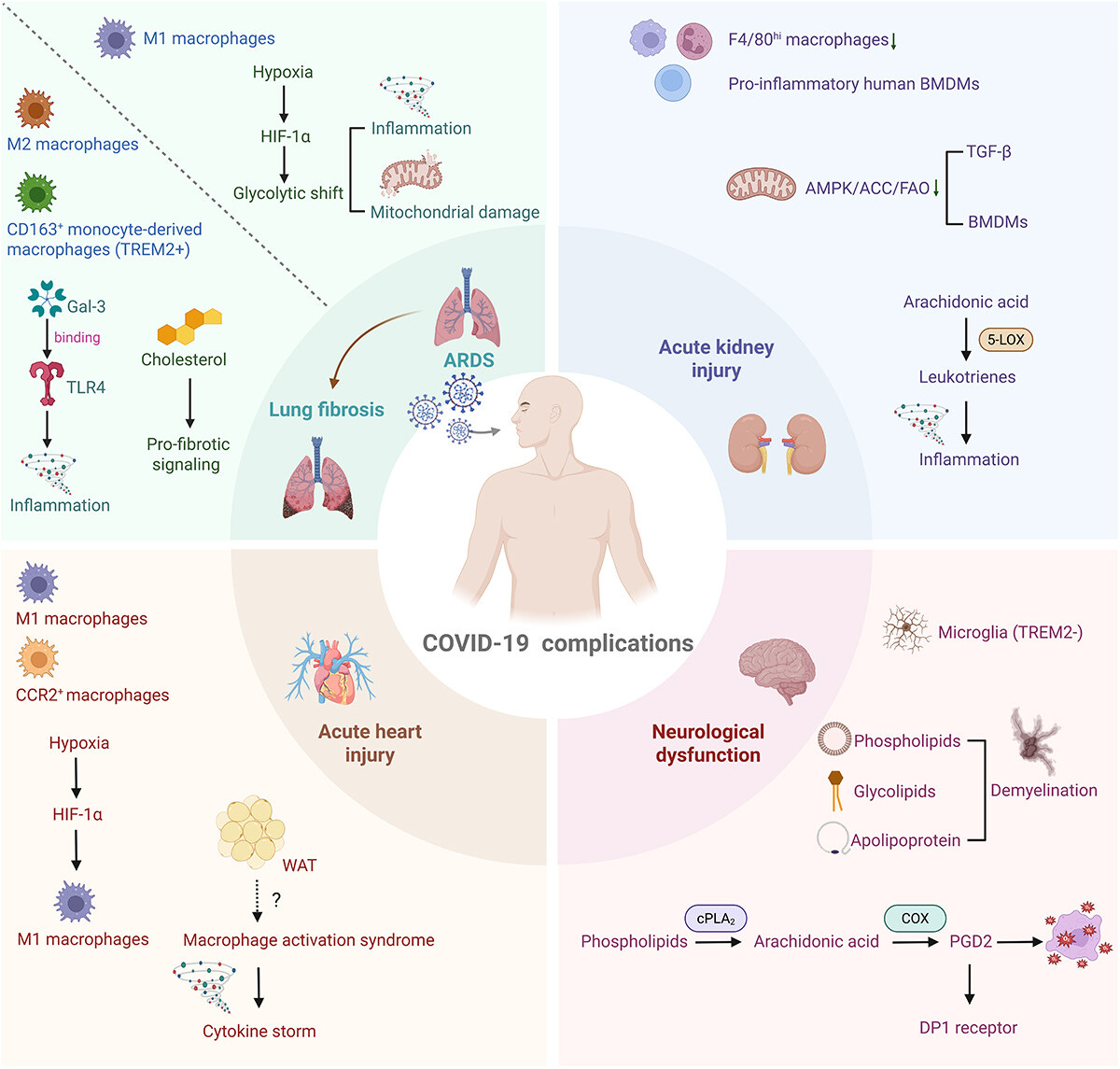
From: https://www.tandfonline.com/doi/full/10.1080/21505594.2025.2609397#d1e568
12/21/25 Nature: Effectiveness of nirmatrelvir/ritonavir and molnupiravir in reducing the risk of short-term and long-term cardiovascular complications of COVID-19: a target trial emulation study https://buff.ly/rxL8PG2
From @atranscendedman.bsky.social:
“Hong Kong researchers studied over 44,000 hospitalized COVID-19 patients and found that those treated with nirmatrelvir/ritonavir had lower risks of both short- and long-term cardiovascular complications than those untreated or on molnupiravir.”
12/16/25 Cell: Systemic and mucosal immune signatures of protection against SARS-CoV-2 transmission in humans https://buff.ly/HptJFA4
Pre-existing antibodies to SARS-CoV-2 and OC43 shape infection susceptibility
Systemic IgG antibodies against SARS-CoV-2 S1 is the best predictor of infection
Mucosal IgA and IgG provide complementary defense at the site of viral entry
Cross-reactive S2 IgM antibodies to seasonal beta coronaviruses show protective potential
12/11/25 Frontiers in Cardiovascular Medicine, Review: Scoping review about pathogenesis, risk factors, and treatment of venous and arterial thrombosis in coronavirus infection https://buff.ly/kU44Lnx
12/29/25 Nature: Computational screening and molecular modeling of probiotic-derived peptides targeting the conserved HR1 domain of SARS-CoV-2 spike protein https://buff.ly/27vuVtl
Using AI, a group from Iran screened probiotic peptides and found that the 2KEG peptide from L. plantarum was predicted to inhibit the SARS-CoV-2 spike protein across 10 variants without toxicity.
12/26/25 Clinical Reviews in Allergy & Immunology: Association between COVID-19 and New-Onset Autoimmune Diseases: Updated Systematic Review and Meta-Analysis of 97 Million Individuals https://buff.ly/bOnzJmG
In a study meta-analysis of 97 million people, “COVID-19 was associated with a 49% increased risk of new-onset autoimmune-related diseases”. The strongest risks in antiphospholipid syndrome (HR = 2·16), ANCA-associated vasculitis (HR = 2·15), mixed connective tissue disease (HR = 2·12), and immune thrombocytopenic purpura (HR = 1·87). Risk increased after severe COVID infection, but was significantly reduced in vaccinated individuals.
12/12/25 Viruses (Turkiye): Long-Term Transcriptomic Reprogramming in Peripheral Blood Mononuclear Cells of Severe COVID-19 Survivors Reveals Pro-Oncogenic Signatures and Cancer-Associated Hub Genes https://buff.ly/N9wTjIx
Researchers in Turkiye analyzed PBMC blood cells of 10 severe COVID-19 survivors, finding that their immune cells still showed genetic signatures linked to cancer development one year later. “This sustained reprogramming… strengthens the hypothesis that COVID-19 is not merely an acute respiratory illness but may also prime a systemic environment for cancer development or recurrence.”
12/15/25 JAMA: Vaccination and Maternal and Perinatal Outcomes Associated With COVID-19 in Pregnancy https://buff.ly/OuyTY4q
A new JAMA study of 20,000 pregnancies shows that COVID vaccination before or during pregnancy led to a reduction of severe maternal COVID infections (62% less hospitalizations, 90% less ICU care needed) and decreased risk of preterm birth.
12/15/25 CIDRAP: Pregnant women vaccinated against COVID-19 less likely to be hospitalized or deliver prematurely, new data show https://buff.ly/nMJPDaL
“The study confirms the safety and benefits for pregnant women at a time when federal officials [wrongly] raise doubts about the safety of immunizations.”
12/23/25 Cell Discovery: Maternal acute SARS-CoV-2 infection impairs preimplantation embryo development and reprograms the early offspring hematopoietic system https://buff.ly/nKbpMNK
During IVF, SARS-CoV-2 infection impaired embryo development and left a lasting imprint on the baby’s bone marrow stem cells.“Neonates exhibited elevated levels of inflammatory cytokines and an increased abundance of monocytes, indicating an activated myelopoiesis response… potentially impacting long-term immune function.”
1/2/26 JAMA: COVID-19 in Pregnancy Linked With Neurodevelopmental Disorders https://buff.ly/g92TXN8
JAMA review of an article published January 2026 (that also came out as a preprint in October 2025) showing that “maternal SARS-CoV-2 infection in pregnancy was associated with increased risk of adverse neurodevelopmental diagnoses [such as speech delays, motor disorders, and autism] by age 3 years, with effects most pronounced after third-trimester exposure and in male offspring.”
1/2026 in print Obstetrics & Gynecology (Green Journal):Neurodevelopmental Outcomes of 3-Year-Old Children Exposed to Maternal Severe Acute Respiratory Syndrome Coronavirus 2 (SARS-CoV-2) Infection in Utero https://buff.ly/k5fIfeM
12/31/25 Signal Transduction and Targeted Therapy: When vaccines reset tumors: SARS-CoV-2 mRNA shots create a transient checkpoint-sensitive state https://buff.ly/xJlCFCx
COVID mRNA vaccination boosts interferon and PD-L1 expression which makes tumors more sensitive to immunotherapy.
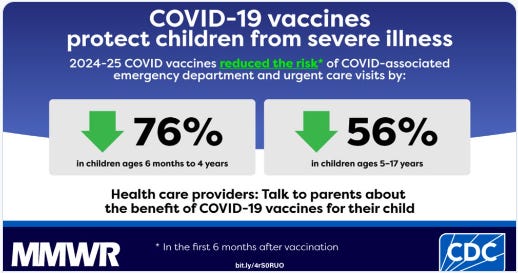
12/11/25 CDC MMWR: Effectiveness of 2024–2025 COVID-19 Vaccines in Children in the United States https://buff.ly/8765Xda
COVID vaccines protect children from severe illness per the CDC with a 76% reduced risk of emergency department and urgent care visits in kids 9 months to 4 years and a 56% reduced risk of ED visits in kids 5 to 17 years.
12/16/25 Metabolites (UCSD): Metabolomics-Based Machine Learning Diagnostics of Post-Acute Sequelae of SARS-CoV-2 Infection https://buff.ly/I1dLVlx
Using plasma metabolic data from open sources, UCSD researchers created a machine-learning model that distinguishes PASC from PASC-similar diseases (ME/CFS, Lyme disease, POTS, irritable bowel syndrome) with 90% accuracy, although it cannot differentiate fibromyalgia (FM) from PASC.
12/24/25 Nature Reviews: COVID-19-associated neurological and psychological manifestations https://buff.ly/GUZhFGH
“Long COVID is estimated to affect between 80 and 400 million people globally, with an incidence of 5–20% in the community and up to 50% among hospitalized patients following acute SARS-CoV-2 infection… Owing to the variability in the clinical presentation, management must be tailored based on a patient’s presenting symptoms.”
Fig. 1: Risk factors and clinical manifestations of neurocognitive and psychiatric manifestations of COVID-19.
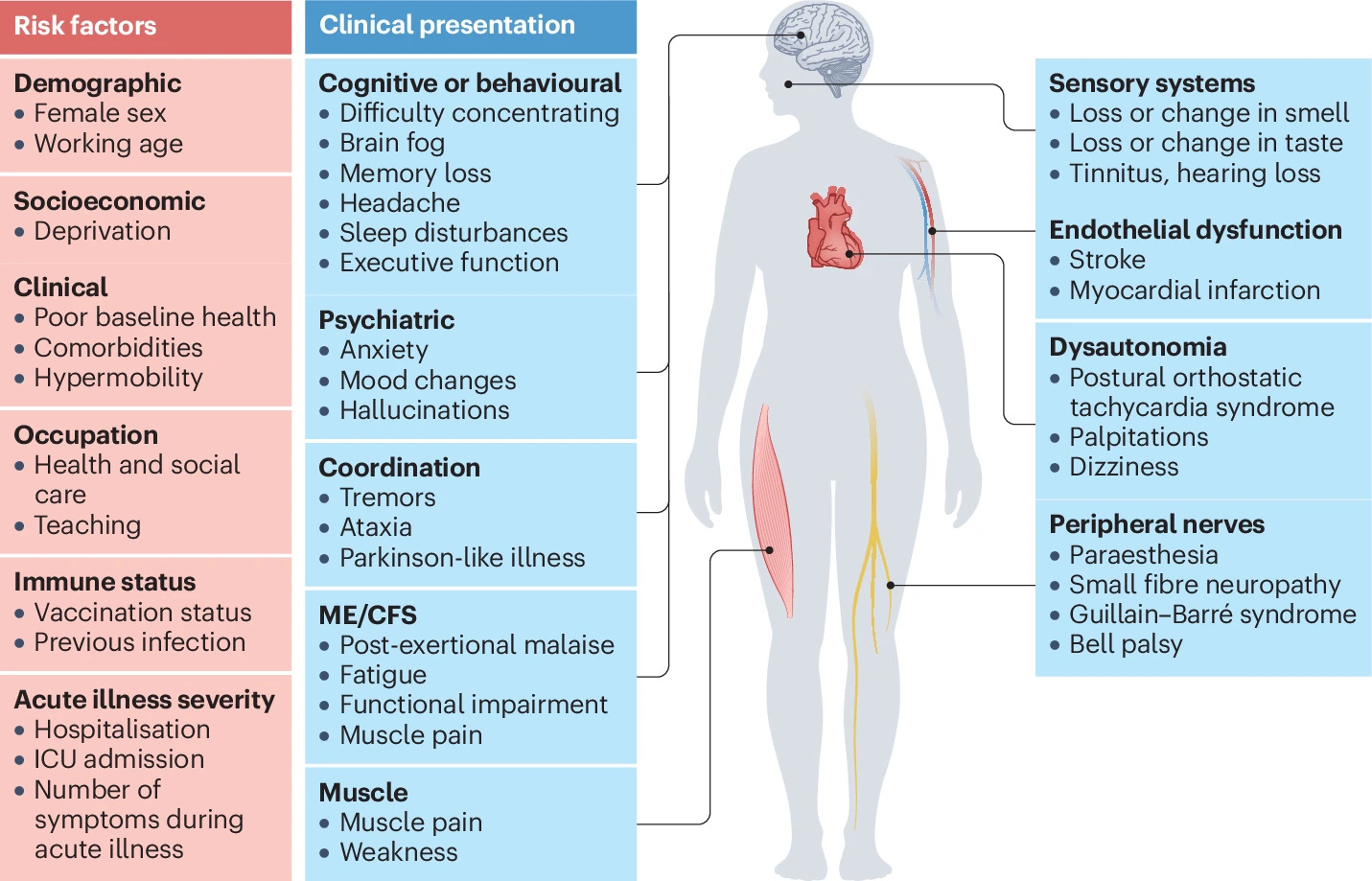
Fig. 2: Proposed pathobiological mechanisms of long COVID.
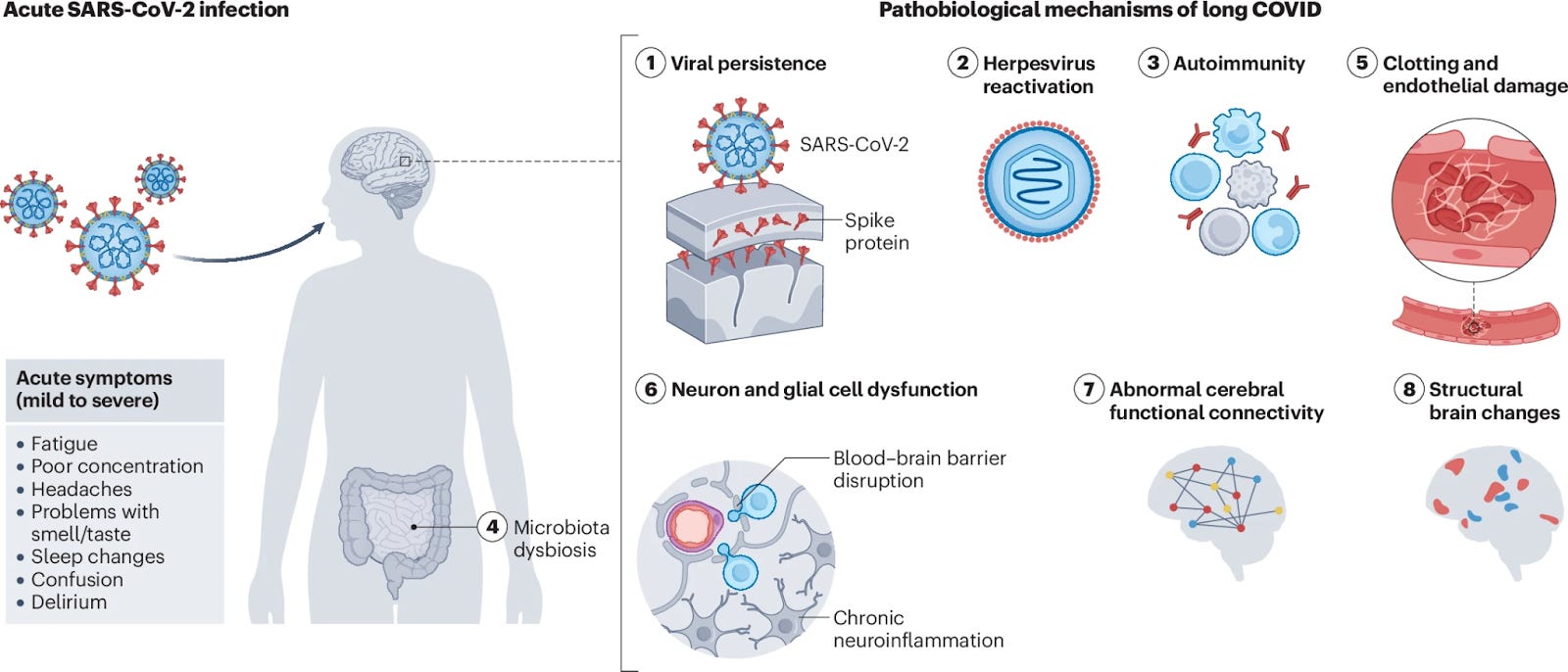
From: COVID-19-associated neurological and psychological manifestations
12/30/25 BioRxiV: Post-translational modifications within fibrinaloid microclot complexes distinguish Pre-COVID-19 Postural Orthostatic Tachycardia Syndrome (POTS), Long COVID, and Long COVID-POTS and reveal disease-specific molecular pathways https://buff.ly/yaagiX6
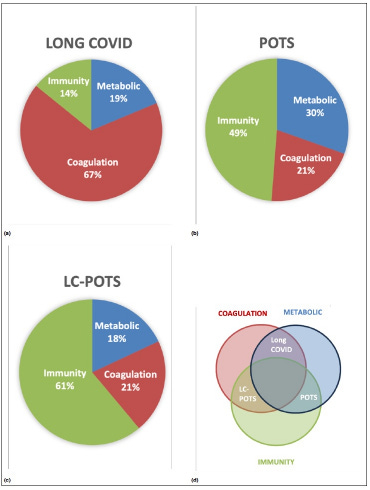
Hidden biochemical changes (post-translational modifications) inside fibrinaloid microclots can distinguish between Pre-COVID POTS, Long COVID, and Long COVID-POTS. “Long COVID, POTS, and LC-POTS are biochemically distinct diseases.
Their differences are encoded in post-translational modifications inside fibrinaloid microclot complexes; not in protein abundance.”- Resia Pretorius
Figure 4: a-c) Pie charts illustrate the relative contribution of dysregulated peptides and proteins to three functional categories (metabolic, coagulation, and immunity) within each disease group.
12/19/25 Preprint (Barcelona): Long COVID and Reduced Thrombosis in
Treated Patients: An Observational Study in the Metropolitan Area of Barcelona https://buff.ly/bjssa1h
An observational study from Barcelona found that regular antihistamine use was associated with lower rates of thrombotic events (stroke, heart attack, pulmonary embolism, and retinal vessel thrombosis) compared with non-users (1.6% vs 3.3%), despite an overall 28% rise in thrombotic events from 2021 to 2024. Among people not taking antihistamines, Long COVID risk increased with each reinfection, while no Long COVID cases were observed after two or three infections in antihistamine users. Although the study was small and observational, the findings suggest long-term antihistamine use may reduce both thrombotic risk and possibly Long COVID risk.
1/2/26 Nature Immunology: A role for chronic inflammation in Long COVID https://buff.ly/D5qQ9B7
“Our study shows that people with Long COVID have sustained upregulation of chronic inflammatory pathways [including IL-6, JAK-STAT and IFN-gamma] compared with people who recovered from SARS-CoV-2 infection. These data provide insight into the pathogenesis of Long COVID and define potential new therapeutic targets.”
1/2/26 eClinical Medicine: Identifying subtypes of Long COVID: a systematic review https://buff.ly/OOz3bQg
Data from 2.43 million people across 20 countries “identified four major approaches for categorizing Long COVID patients and their symptoms. Symptom co-occurrence and organ system were the most commonly used subtypes used in categorization. Fatigue and olfactory–gustatory dysfunction emerged as recurrent core symptoms across multiple subtypes of Long COVID.”
12/21/25 eBiomedicine: Recommended long COVID outcome measures and their implications for clinical trial design, with a focus on post-exertional malaise https://buff.ly/3l7mZyj
12/18/25 PNAS: MTHFR allele and one-carbon metabolic profile predict severity of COVID-19 https://buff.ly/k3Ht77F
Being both homozygous for the MTHFR C677T mutation and having an aberrant methionine cycle biomarker in plasma predicted both severe acute COVID infection and increased risk of Long COVID.
12/3/25 Frontiers Immunology Review: The origin of autoimmune diseases: is there a role for ancestral HLA-II haplotypes in immune hyperactivity https://buff.ly/oQkutSG
A review from Spain outlines an evolutionary hypothesis that certain ancestral HLA-II haplotypes (DR2-DQ6, DR3-DQ2, DR4-DQ8) once favored for fighting infections may now predispose carriers to autoimmune diseases by boosting immune hyperreactivity. They speculate that hypocortisolism in ME/CFS and Long COVID may be related to autoimmunity directed at the hypothalamic–pituitary–adrenal (HPA) axis and that anti-M3 autoantibodies against cholinergic receptors could result in the loss of parasympathetic tone in POTS.
Figure 1
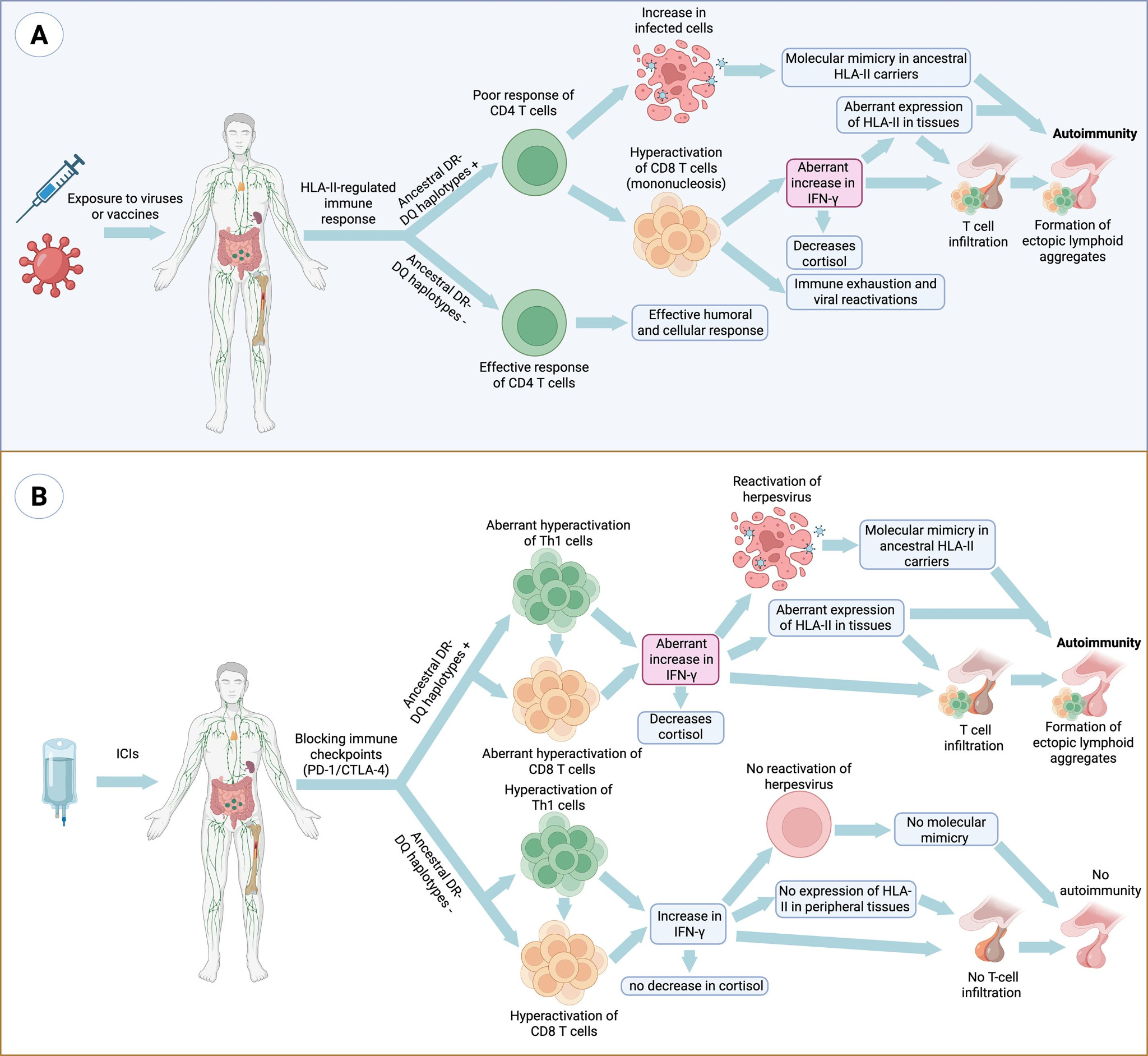
From: https://www.frontiersin.org/journals/immunology/articles/10.3389/fimmu.2025.1710571/full
12/26/25 (Feb 2026) J of Autoimmunity: Pathophysiological effects of long COVID-19 (auto)antibodies on fertility https://buff.ly/8y3L1bL
A group from Strasbourg previously discovered peptides with identical sequences shared by the SARS-CoV-2 spike protein and proteins needed for sperm production. In COVID infection, one of the autoantibodies can affect egg production (oogenesis). In Long COVID, autoantibodies to peptide 2 can affect sperm production. “Injection of peptide antibodies into healthy male mice impaired fertility or delayed delivery time in fertile females” in 78% of cases.
12/27/25 Nature (Preprint): Coupling between neural oscillations and white matter integrity reveals cognitive computational profiles following COVID-19 https://buff.ly/GM5wfao
Using EEG, diffusion brain MRI, and computational cognitive modeling, researchers found that mild COVID can disrupt brain oscillations and white matter integrity. This led to impairments in memory, decision making and attention.
12/23/25 MS and Related Disorders: Neurological Sequela of COVID-19 in Adults with Multiple Sclerosis https://buff.ly/T86q965
People with Multiple Sclerosis (MS) have an increased risk of hospitalization, mortality, Long COVID, and severe COVID infections as compared to healthy adults. They also have higher risks of acute neuropsychiatric complications associated with COVID infection and chronic neuropsychiatric conditions like cognitive impairment and depression following a COVID-19 infection.
12/13/25 Svetlana Blitshteyn: Long COVID: a long road ahead https://buff.ly/qbmKPBM
12/18/25 Pathogens: Babesia and Bartonella Species DNA in Blood and Enrichment Blood Cultures from People with Chronic Fatigue and Concurrent Neurological Symptoms https://buff.ly/rTyGir9
North Carolina State University researchers studied 50 people with ME/CFS and neurological symptoms and found that 46% had Babesia or Bartonella, or both, in blood cultures that were PCR tested on days 7, 14 and 21.
12/26/25 J of Medical Virology: Chronic Reactivation of Persistent Human Herpesviruses EBV, HHV‐6 and VZV and Heightened Anti‐dUTPase IgG Antibodies Are a Recurrent Hallmark in Post‐Infectious ME/CFS and is Associated With Fatigue https://buff.ly/im6bGKp
Ohio State researchers found that ME/CFS patients had a significant increase in EBV, HHV-6 and VZV antibodies representing chronic viral reactivation. These antibodies were linked to more severe fatigue and pain. Co-expression of antibodies to multiple herpesviruses was found in 72.5% of ME/CFS patients vs. 31% of controls.
12/18/25 Whitney Dafoe has had very severe ME/CFS for many years. After 11 years, he can now tolerate eating again and he is able to speak again after 12 years of being silent. He explains this in a video post on Twitter.
12/16/25 Cell: Mapping the complexity of ME/CFS: Evidence for abnormal energy metabolism, altered immune profile, and vascular dysfunction https://buff.ly/lZBVjMq
Comparing 61 ME/CFS patients to 61 age- and sex-matched healthy controls showed immune cell energy stress, including elevated AMP/ADP and a reduced ATP/ADP ratio. ME/CFS patients had fewer mature T cells, NK cells, and dendritic cells, along with circulating proteins linked to vascular dysfunction and altered inflammation, pointing to widespread multisystem disruption.
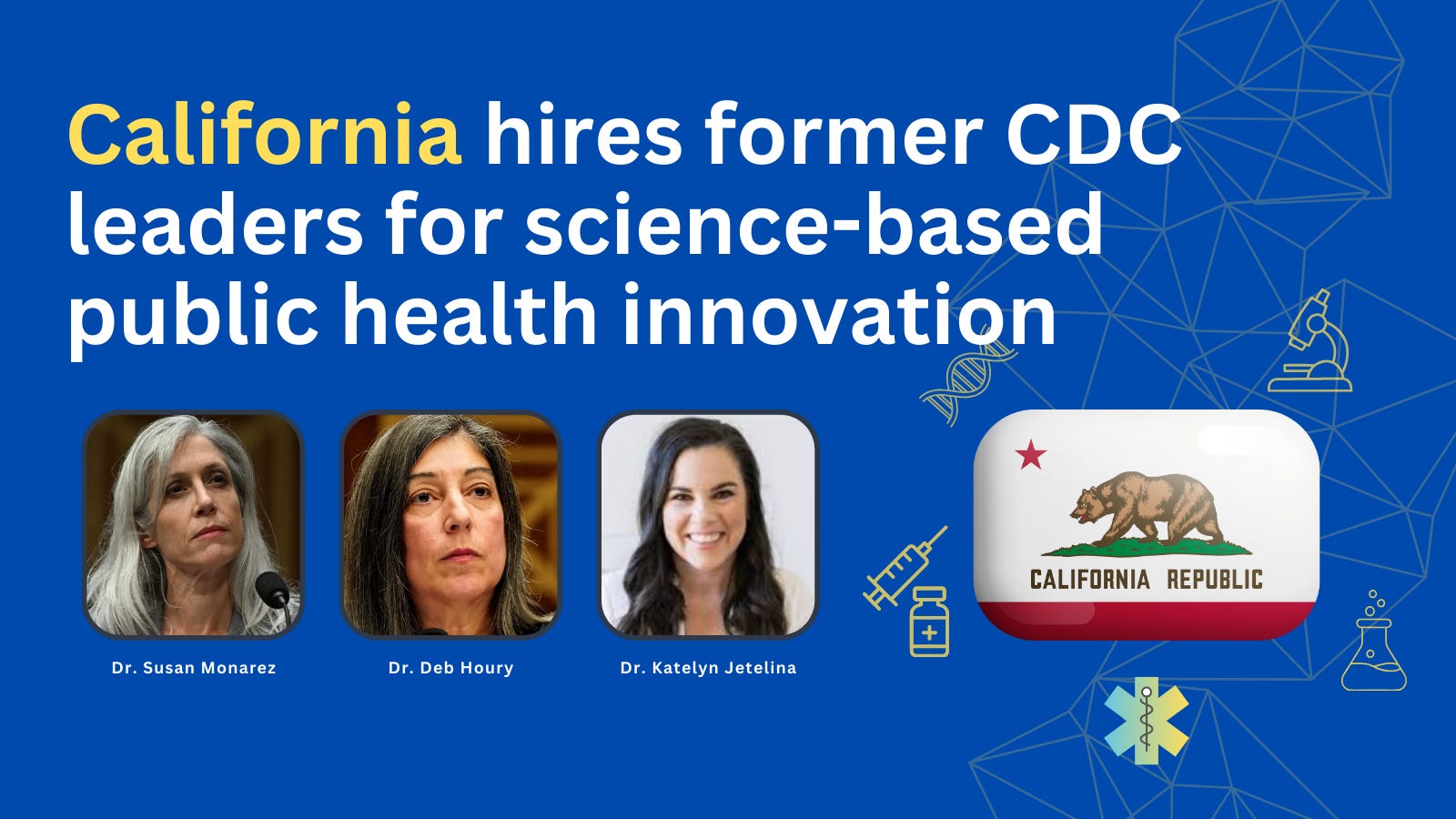
12/15/25 California Governor Newsom announces top former CDC officials to lead public health innovation, collaboration https://buff.ly/6YGBLde
12/20/25 Lancet: 2025: an Annus Horribilis for Health in the USA https://buff.ly/2rtEH6P
12/24/25 CNN: American Academy of Pediatrics sue Trump administration to halt a nearly $12 million cut in federal grants https://buff.ly/WN3PjBA
“The American Academy of Pediatrics [AAP] argues that the US Department of Health and Human Services last week ended seven grants in retaliation for the academy speaking out against the administration’s actions that the group feels threaten children’s health, including advocating for evidence-based vaccine policy.”
Universal Hepatitis B vaccine at birth
12/16/25 HHS.gov: CDC Adopts “Individual-Based Decision-Making” for Hepatitis B Immunization for Infants Born to Women Who Test Negative for the Hepatitis B Virus https://buff.ly/JqINjb3
HHS has cancelled universal Hepatitis B vaccination for newborns despite robust data showing its importance.
12/18/25 CIDRAP: CDC awards $1.6 million for hepatitis B vaccine study by controversial Danish researchers https://buff.ly/G0xxunU
“The US Centers for Disease Control and Prevention (CDC) has awarded an unsolicited $1.6 million grant for vaccine research to Danish researchers whose studies have been challenged by mainstream scientists but championed by anti-vaccine activists, including Health and Human Services (HHS) Secretary Robert F. Kennedy Jr.”
12/18/25 Dr. Titanji: How Unethical Research Seeds Medical Mistrust https://buff.ly/u6AAkNu
“Randomizing newborns to no hepatitis B vaccine at birth in order to evaluate “overall health effects” of an intervention whose primary benefit is already known is indefensible. When benefit is established, withholding an intervention is no longer neutral experimentation, it becomes premeditated harm.”
12/18/25 NBC: Michigan sticks with hepatitis B vaccine guidance for all babies https://buff.ly/7OkZhJs
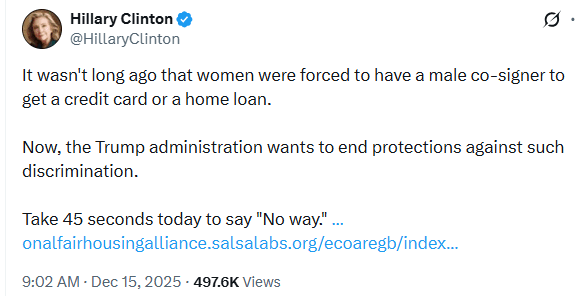
Link: https://nationalfairhousingalliance.salsalabs.org/ecoaregb/index.html
12/15/25 Doximity Op Ed by Jonathan Nissanoff MD: I Started Taking Insurers to Small Claims Court https://buff.ly/yJdtKFA
“Yet the law is clear: Insurers must pay “reasonable and customary” rates and adhere to Affordable Care Act-mandated out-of-network payment standards. The problem isn’t the law — it’s enforcement.”
12/23/25 NY Times: How Did DOGE Disrupt So Much While Saving So Little? https://buff.ly/Gi8TaIp
12/9/25 AGA Gastroenterology: An Exosome-Based Liquid Biopsy for the Detection of Early-Onset Colorectal Cancer: The ENCODER Multicenter Study https://buff.ly/xi4fYNY
Blood test panel of 6 cell-free and exosome-based circulating biomarkers can identify colon cancer in adults age 20 to 35 with 98.5% accuracy.
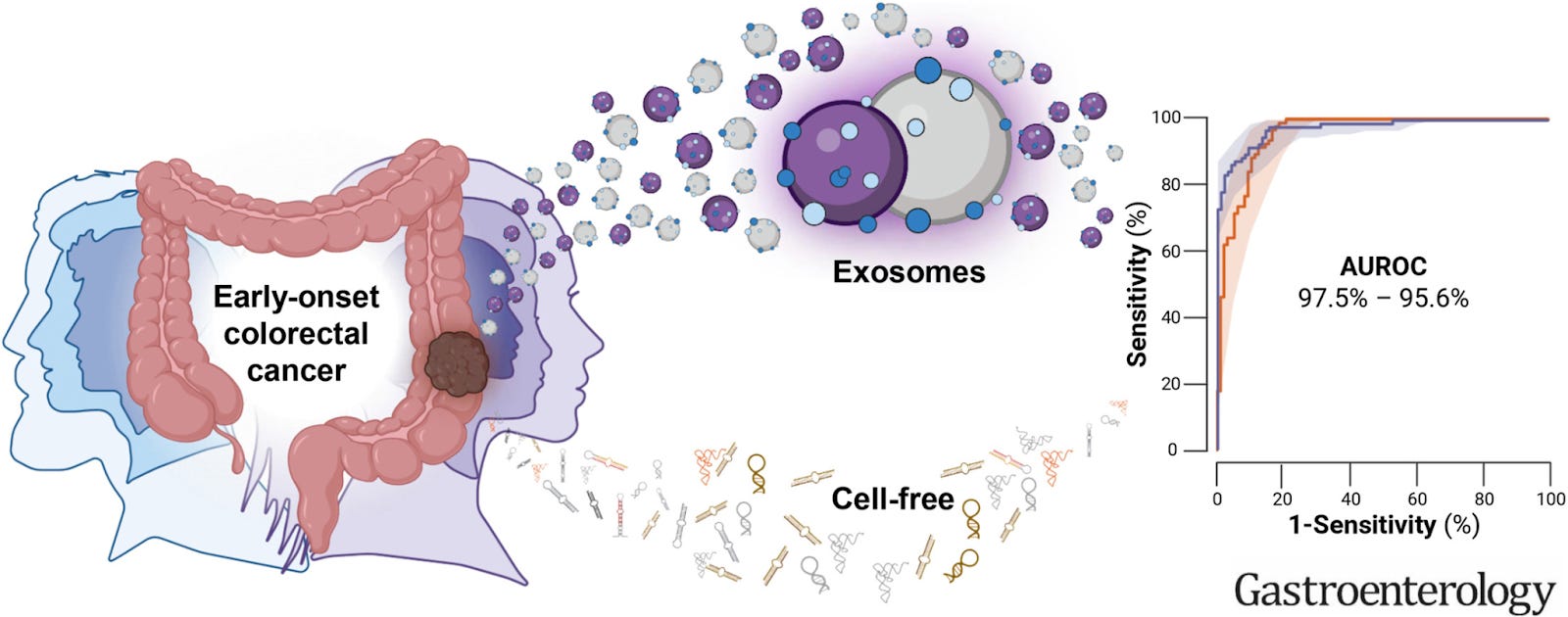
From: https://www.gastrojournal.org/article/S0016-5085(25)05897-4/abstract
12/19/25 Nature Aging: Repurposing glucagon-like peptide-1 receptor agonists for the treatment of neurodegenerative disorders https://buff.ly/8jn8ZV8
GLP-1 drugs used for diabetes may lower the risk of developing dementia by at least 28% in a new study reviewing data from >800,000 people.
12/23/25 UPI: 1/4 of American families overwhelmed by medical expenses https://buff.ly/2tMIKV4
“Nearly 27% of U.S. residents faced high medical expenses or skipped needed health care because they couldn’t afford it... Additionally, more than half (53%) of people who died during that period racked up overwhelming medical bills.”
12/22/25 JCI Insight: A platelet transcriptomic signature of thromboinflammation predicts cardiovascular risk https://buff.ly/FdIvCE8
NYU researchers identified a reproducible 42-gene thromboinflammatory platelet signature (TIPS) that correlates with monocyte–platelet aggregates across cohorts. TIPS was elevated in COVID-19 and myocardial infarction, predicted future cardiovascular events after lower-extremity revascularization, and was reduced by ticagrelor—but not aspirin.
12/18/25 Science: A cellular basis for heightened gut sensitivity in females https://buff.ly/PBi3IEn
UCSF scientists “identified an estrogen-responsive paracrine pathway in which two enteroendocrine cell types, peptide YY (PYY)–expressing L cells and serotonergic EC cells, communicate to increase gut sensitivity in females.”
12/17/25 Nature Neuroscience (MGH): Phosphorylated tau exhibits antimicrobial activity capable of neutralizing Herpes Simplex Virus 1 infectivity in human neurons https://buff.ly/XRr0eO8
12/16/25 Cell: Physical activity decreases cancer burden by alleviating immunosenescence related inflammation and improving overall immunity https://buff.ly/nF7r9xu
Systemic inflammation increases with age and is dose-dependently associated with higher risks of eight inflammation-related cancers and all-cancer mortality. Aerobic exercise reduces cancer by decreasing immunosenescence including a reduction in Mki67+ immune cells and promotes anti-inflammatory factors.
12/12/25 Science: Athlete-derived extracellular vesicles protect against spinal cord injury via inhibition of neuronal ferroptosis https://buff.ly/xXLOBnN
Plasma extracellular vesicles from human athletes given to mice improved spinal cord injury recovery by suppressing ferroptosis via the RNF216 protein.
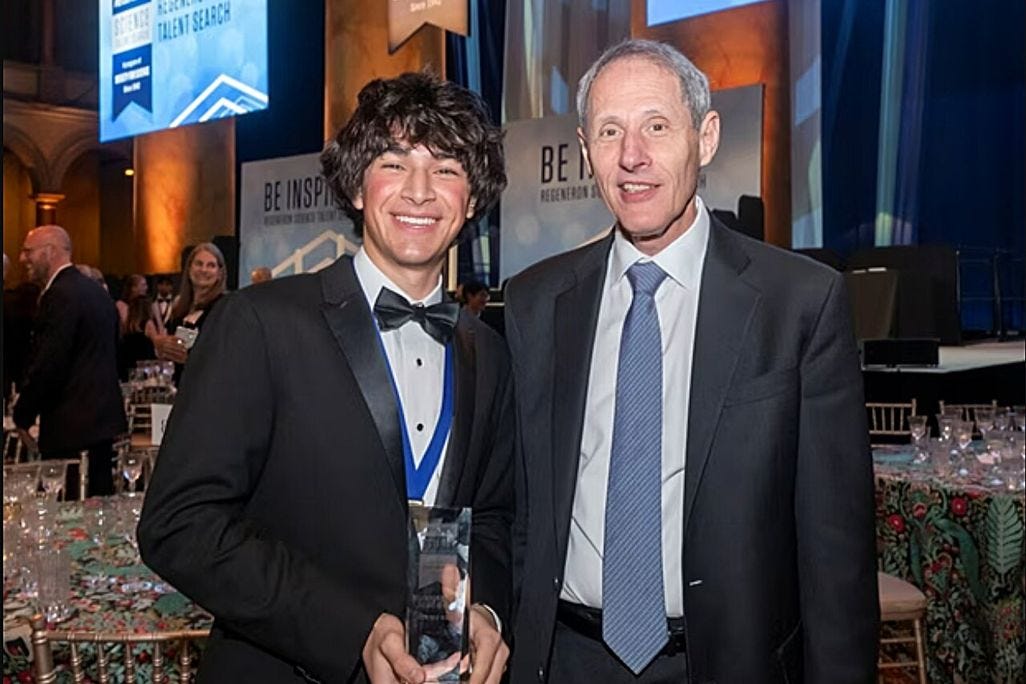
4/15/25 Smithsonian Magazine: High School Student Discovers 1.5 Million Potential New Astronomical Objects by Developing an A.I. Algorithm https://buff.ly/RCL1dMS
18-year-old Matteo Paz won $250,000 for training a machine learning AI model to analyze understudied data from NASA’s retired NEOWISE telescope. Amazing!
Have a great week,
Ruth Ann Crystal MD





.jpg)
No comments:
Post a Comment