Tuesday, March 31, 2026

What Happened to NATO?!

I thought NATO was all about mutual aid and defense. Just now I saw headlines on TV saying that Spain is closing its air space, and Italy is closing its bases, to American involvement in Iran. 

I never thought I'd see the day when we would get more cooperation from the Gulf States than from our NATO allies.  

Are they infected with sudden Trump Derangement Syndrome, are they afraid of offending Islam, or is it something else?

We sure could use Winston Churchill just about now.

-------------------------------------- 

NATO Nations Defy Trump, Refuse To Help With Iran War

Newsweek 3-31-26

"Several of the United States' closest allies in Europe have curbed U.S. military access to their airspace or bases on their territory, a sign of further rupture that European officials have sought to play down despite obvious anger from the White House.

"The limits on access for U.S. jets and weapons heading for the Middle East to strike Iran come after European nations were caught off guard by the start of U.S.-Israeli operations on February 28, then quickly distanced themselves from the aerial bombardment now well into its fifth week with no visible end in sight.

"Thousands of specialized U.S. Army paratroopers started to arrive in the region in recent days, further fueling concerns that the U.S. could escalate the conflict by invading Iranian soil even as President Donald Trump insists the U.S. is in talks with Tehran.

"Trump on Tuesday accused France of closing its airspace to aircraft carrying weapons for the war to Israel, just hours after it emerged that Italy's government had refused permission for U.S. bombers bound for the Middle East to land at one of its bases.

"Thousands of specialized U.S. Army paratroopers started to arrive in the region in recent days, further fueling concerns that the U.S. could escalate the conflict by invading Iranian soil even as President Donald Trump insists the U.S. is in talks with Tehran.

"Trump on Tuesday accused France of closing its airspace to aircraft carrying weapons for the war to Israel, just hours after it emerged that Italy's government had refused permission for U.S. bombers bound for the Middle East to land at one of its bases.

"Spain has publicly said it has shuttered its airspace to any U.S. military flights linked to the war and blocked U.S. access to two major bases in the south of the country. 

"The U.K., which has long touted a special relationship with the U.S., was forced to greenlight American forces using British bases for operations targeting Iran earlier this month after insisting U.S. personnel could use the facilities only for defense. The British government announced on Tuesday that it would send extra troops and air defense systems to the Middle East.

"All four countries are significant powers in NATO, an alliance Trump has blasted as "cowards" for refusing to be drawn into the more than four weeks of aerial assaults on Iran or operations in the Persian Gulf and Strait of Hormuz.

"Spain's left-wing government has denounced the Iran war as illegal and immoral, while Italian leader Giorgia Meloni—a right-wing Trump ally—has criticized the conflict as "outside the scope of international law."

"Trump's ire is clear. Nations that have resisted becoming embroiled in the war should "build up some delayed courage" and deploy forces to the Strait of Hormuz, he said on Tuesday." 

Your Local Epidemiologist: The Dose, 3-31-26

Here's another informative issue of The Dose by Your Local Epidemiologist, Katelyn Jetelina:

-------------------`----------------------------------------------------- 

A new covid variant called Cicada, ticks and a new Lyme vaccine, common cold, and good news.  The Dose (March 31)

Katelyn Jetelina, Mar 31, 2026

Good morning!

Spring is here, and so is a shift in what’s circulating. Flu season is officially behind us, tick season is just getting started, and a new Covid-19 variant is making the rounds in the news and on social media (but has not yet been felt in hospitals). And with Lyme disease season upon us, the news of a long-awaited vaccine couldn’t be more timely, though there are some real caveats worth understanding.

Here’s what’s going on and, more importantly, what it means for you.


Disease “weather” report: what’s spreading right now?

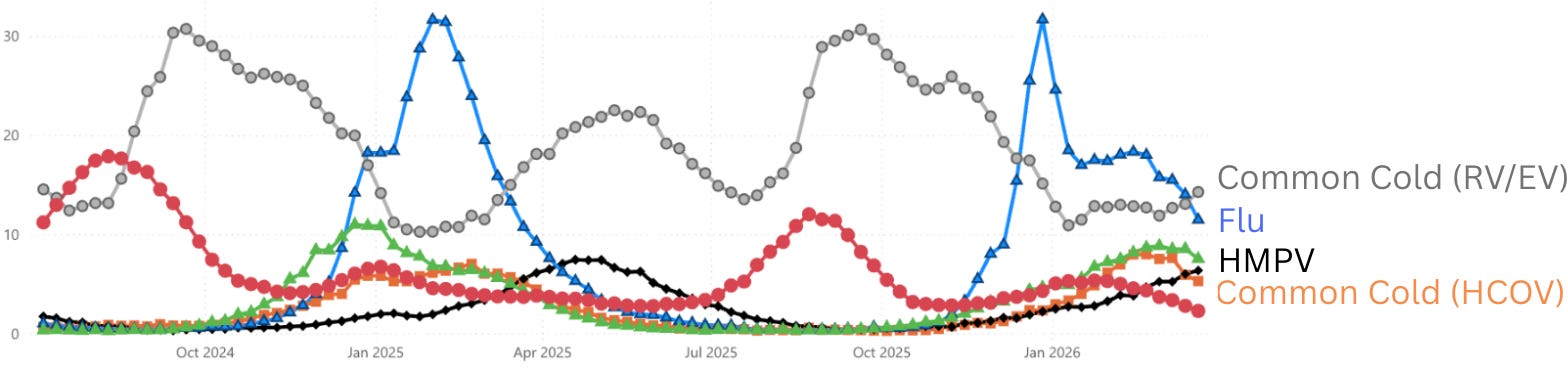
Good riddance, flu season. We are officially out, as rates have now fallen below the “epidemic threshold.” Some states are still high, like New Mexico, but the trend is the same. The other main fall/winter viruses, including RSV and Covid-19 are all decreasing, too.

Odds are that if you get sick in the next month or two, it will be the common cold (the gray line below). This will continue to increase until May/June.

Percent of positive tests for respiratory viruses. Source: NREVSS; Annotated by Your Local Epidemiologist

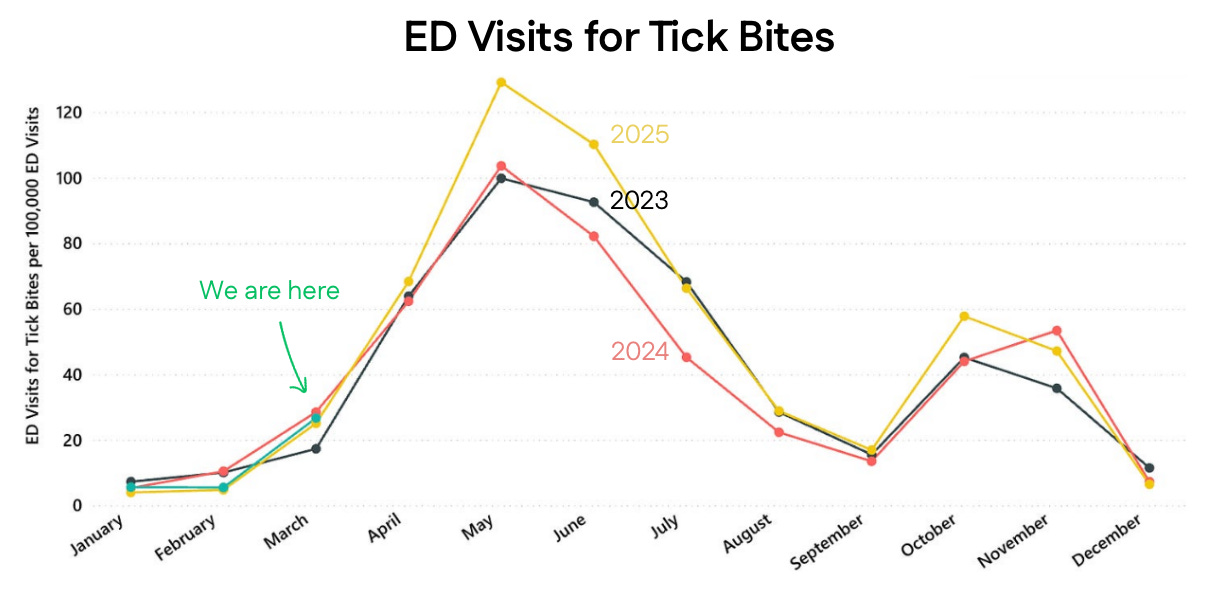
Enter tick season. Emergency department visits for tick bites are low but climbing, which is normal for this time of year. Expect two waves: one peaking in May and another in mid-October. By year’s end, more than 500,000 people will likely be diagnosed and treated for Lyme disease.

Source: CDC Tick Bite Data Tracker; Annotated by Your Local Epidemiologist.

Ticks thrive in warm, lush spring environments and can carry pathogens responsible for over a dozen diseases. Lyme is the most well-known. It can cause flu-like symptoms and, if untreated, serious complications including neurological and cardiac issues.

Not all ticks carry disease. Risk depends on the species, geography, and duration of a tick’s attachment. Currently, tick-borne illnesses are most concentrated in the Northeast, with emergency department (ED) visits at 13 per 100,000 people.

What this means for you: You can take several steps to protect yourself from ticks, including applying DEET or picaridin, treating clothing and gear with products containing 0.5% permethrin, and conducting thorough tick checks after engaging in outdoor activities. Here is a YLE deep dive on tick threats.


A new Covid-19 variant is getting attention. What’s going on?

Covid-19 continues to mutate, and the latest variant attracting attention is BA.3.2 (nicknamed “Cicada”), a descendant of Omicron that has been circulating globally for some time.

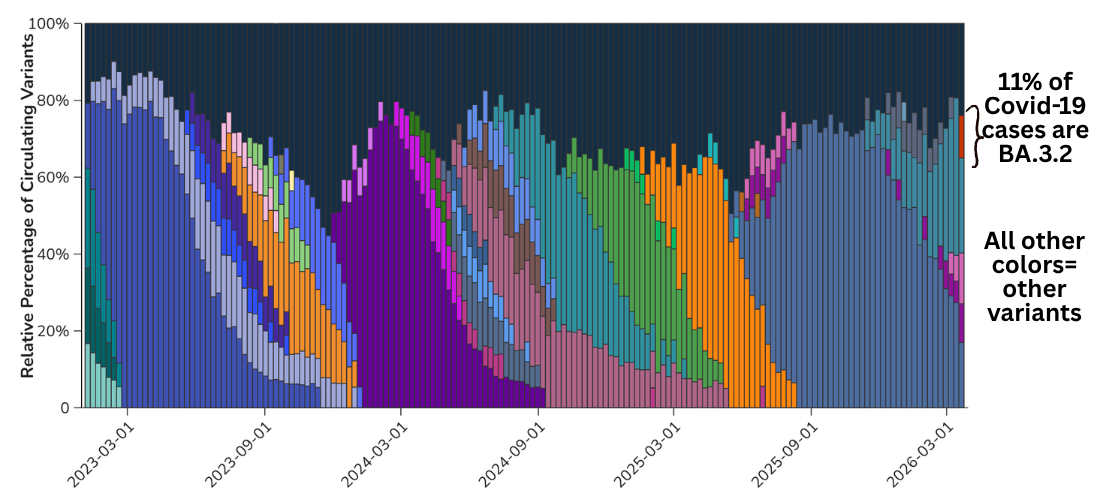
BA.3.2 now accounts for 11% of U.S. cases, but it’s too early to tell how quickly it’s growing. What is clear is that it has yet to trigger a surge. Wastewater levels, emergency department visits, and hospitalizations all remain low. Historically, a variant doesn’t drive a significant new wave until it reaches ~50% of cases.

% of circulating variants for Covid-19. Source: CDC; Annotated by Your Local Epidemiologist.

What’s drawing attention is the spike protein, which has 75 mutations compared with the strains included in last fall’s Covid-19 vaccines. The spike protein acts like a key that unlocks our cells, and when that key changes enough, existing antibodies struggle to recognize and block it. Lab studies confirm this is happening, but antibodies are just one layer of defense. The immune system has other tools that protect against serious illness, and current immunity is expected to hold up.

One thing researchers are actively tracking: early signals suggest BA.3.2 may be infecting kids at higher rates than previous variants. It’s hard to know whether this is real or just random chance, but if it is real, it’s likely due to a combination of many factors. For example, younger kids might not have seen as many Covid-19 variants or had as many coronavirus infections as adults, so they might be less immune to it.

Q: Could this cause a spring/summer wave? A: We have very little data on how fast this is growing, so time will tell. My guess is this will cause a spring/summer wave, but not a nothing burger or a tsunami.

Q: Should people over 65 get a spring Covid-19 shot? A: If it’s been at least three months since your last dose, a spring shot is a reasonable call. Timing it around May or June tends to align well with how Covid-19 seasons typically play out.

Q: Is a second shot within a year a booster? Or is it only a booster if the formulation is different? A: The term gets thrown around loosely. Generally, a booster means a repeat dose of the same vaccine, not necessarily a new formulation. The strains for the next updated Covid-19 vaccine haven’t been selected yet, so there’s no new version available right now. If a pharmacist tells you there’s no booster available, they may be thinking specifically of an updated formulation. A repeat dose of the current vaccine is still an option worth asking about.

Q: Could BA.3.2 spark the next pandemic? A: No. In fact, researchers have argued that another coronavirus pandemic is now less likely, not more, precisely because Covid-19 and the vaccines that followed built widespread, robust immunity across the global population.


A Lyme disease vaccine may finally be on the horizon

Ticks spread Lyme disease, one of the most common and debilitating infections in the country, and for the first time in over two decades, a vaccine to prevent it may finally be on the way. The only vaccine we had before, LYMErix, was pulled from the market in 2002. Not because it was unsafe (the FDA found no real problems) but because rumors about arthritis side effects, amplified by bad press and lawsuits, scared people.

Now Pfizer and French vaccine company Valneva have announced their new vaccine candidate worked in more than 70% of cases in a large late-stage trial of 9,400 people aged five and older.

How does the Lyme disease vaccine work?

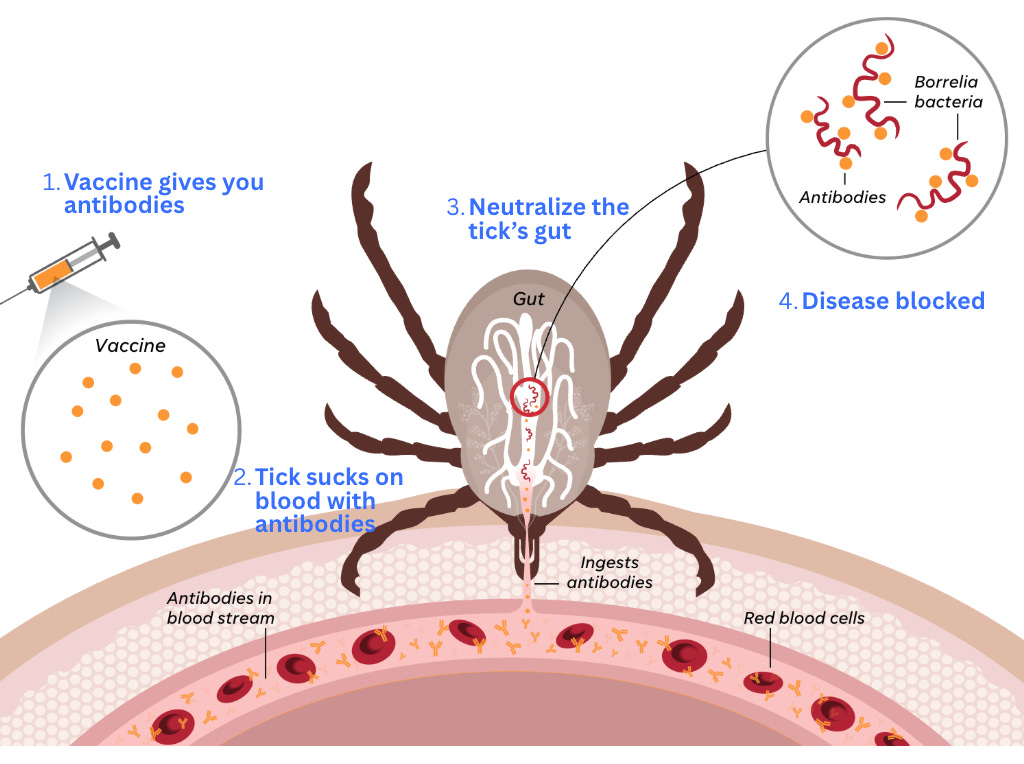
The vaccine works differently from most other vaccines in a very cool way. Instead of just protecting you, it actually works inside the tick:

  1. The vaccine trains your body to make antibodies against a protein (called OspA) found on Lyme-causing bacteria.

  2. When a tick bites you, it drinks your blood along with those antibodies.

  3. The antibodies neutralize the bacteria in the tick’s gut, stopping it from ever reaching its salivary glands and getting into you.

Graphic from Janet Loehrke at USA TODAY. Annotated by Your Local Epidemiologist.

But there are a few things worth understanding

  • The trial hit a statistical snag. The trial had fewer Lyme disease cases than expected, making the results too uncertain to be conclusive. Researchers had planned two ways to measure the vaccine’s effectiveness before the study began: one starting 28 days after the final dose, which fell just short of the required confidence threshold, and one starting the day after the final dose, which cleared it. Pfizer cited both results in deciding to seek regulatory approval.

  • The regulatory path is murky. The manufacturer will seek FDA approval, and if granted, the vaccine will go to ACIP for a policy recommendation. The problem: ACIP currently has no members. What happens next is genuinely unclear.

  • The bigger question is whether people will actually use it. The vaccine requires four doses over about a year, plus what looks like an annual booster before tick season. That’s a real commitment. Lyme disease is far better known today than it was in 2002, which gives people more reason to seek protection. But wanting a vaccine and completing every dose are two very different things.


Good news

  • Big Tech’s Big Tobacco moment. Last week, a Los Angeles court found Meta and YouTube negligent in the design of their platforms, ruling that features like infinite scroll and autoplay deliberately built addiction into the apps, and that executives knew it and failed to protect young users. The decision could set a precedent for more than 1,500 similar pending cases.

  • TB rates are falling after years of post-pandemic rise. New CDC data show that last year, 10,260 TB cases were reported, representing a 2% decline in the national rate compared with the year before. Cases fell across 26 states and Washington, D.C.

  • Birthday celebration! Remember that infant botulism outbreak? Amy Mazziotti, mother of Hank, who was hospitalized for 12 days for botulism after drinking ByHeart baby formula, just celebrated Hank’s first birthday. She received a letter from the public health response team that helped her. Each year, this public health team mails roughly 200 cards to babies who recovered from botulism. Program assistant Robin Hinks decorates them with drawings, like frogs in party hats and penguins with balloons. A small, loving, above-and-beyond act. Read more about this from Matt over at YLE CA.


Bottom line

The seasonal transition brings real shifts in disease risk, and a little awareness goes a long way. Have a wonderful week!

Love, YLE


Your Local Epidemiologist (YLE) is founded and operated by Dr. Katelyn Jetelina, MPH PhD—an epidemiologist, wife, and mom of two little girls. YLE reaches over 425,000 people in over 132 countries with one goal: “Translate” the ever-evolving public health science so that people will be well-equipped to make evidence-based decisions.

Monday, March 30, 2026

The Bravest Comeback: Gary Woodland

Yesterday I was rooting for Gary Woodland to win the Texas Children's Houston Open, as I've always liked him, and because I knew this would be his first victory since his 2023 brain surgery.

What I didn't know until yesterday was that he is still suffering from overwhelming PTSD as a result of that surgery. To play a competitive game like golf while fighting fear, anxiety, and the feeling you're about to die is something I doubt too many people can do.

He ended up winning the tournament yesterday with everyone cheering for him. The will and guts it has taken him to deal with these obstacles in such a major way is incredibly inspiring.

---------------------------------------------------------------- 

Gary Woodland wins 2026 Houston Open following emotional PTSD revelation
By Cameron Jourdan, Golfweek 3-29-26

"Gary Woodland was on an island. This time, it was one worth being stranded on.

"He strolled down the fairway of Memorial Park, his caddie Brennan Little flanking him nearby, but the stage was Woodland's. His playing partners, Min Woo Lee and Nicolai Hojgaard, walked about 50 yards behind, raising their arms and encouraging the crowd’s chants that began to rain down.

“Gary, Gary, Gary,” the Houstonites chanted, growing louder as Woodland summited the 18th green and looked to close out one of the most impressive victories in the history of the sport.

"The 41-year-old, who three years ago had surgery to remove a brain lesion and revealed earlier this month he struggles with PTSD as a side effect of that, won the Texas Children’s Houston Open on Sunday. Last year, he finished runner-up at Memorial Park, his best finish since returning from surgery. He did one better this year, as as the crowd chanted his name when the final putt dropped, the emotion poured out of Woodland in the form of tears, deep breaths and a realization that he can overcome anything. 

"Obviously coming out with what I'm battling a couple weeks ago definitely freed me up a little bit," Woodland said. "It took a lot off my plate. It allowed me to focus my energy where I need to and that's on me and taking care of myself so I can chase my dreams and I can -- like I said, when I said what I said and came out with it, it was like if it gives me enough energy for one better shot a round or if it gives me five more minutes that I can spend with my kids when I'm home, then it's doing that. It's helped me. I wasn't in a place to do it a long time ago, a year ago, I can tell you, but we're getting better."

"Woodland’s march to victory, his first win since capturing the U.S. Open at Pebble Beach in 2019, was years in the making. It started slowly, as he returned to the sport following brain surgery at the 2024 Sony Open. Then he reunited with coach Randy Smith, who at one point called him soft and told him he needed to start swinging harder and playing with the tenacity that helped him win a major championship.

"Then came the emotional interview 20 days ago at the Players Championship, when Woodland revealed on Golf Channel he deals with PTSD and how it has affected him on the golf course. That revelation helped ease stress on Woodland: why was he trying to hide what he was going through when he couldn't control what was affecting his day-to-day life? Woodland said it felt like 1,000 pounds was lifted off his shoulders.

"On Sunday evening, he gained some weight back, but this time it was from hauling around his latest trophy.

"I've known my game's trending in the right direction for a long time," Woodland said. "I just haven't seen any results. I saw some signs last week, I really did. I don't know what I finished, 14th, I think, but I played a lot better than that. I just haven't had any confidence, but I haven't had any energy to do it, too.

"It's been tough. There's been -- the start of this year, those four weeks I played, I was in a dark place. Luckily, I had a week or two off there and kind of reset a little bit. Then I decided to come out with this and kind of got some confidence last week. It's kind of just continuing that, down that road. I'm definitely in a better place than I was a month ago."

"Woodland began the day with a one-shot lead. By the time he made the turn, he led by six shots over Hojgaard. Woodland birdied four of his final five holes, including Nos. 7-9, the only player to accomplish the feat all week.

"On the back nine, he led by as many as seven shots. Woodland stood on the tee at the 18th hole with a four-shot lead and ended up winning by five, finishing at 21-under 259 for the week.

"Even better, the win gets him into the Masters in two week’s time at Augusta National. 

"Another reason for Woodland's resurgence was a change in iron shafts this week. He went back to the KBS C-Taper 130 X, the shafts he used when he won the U.S. Open in 2019. It's a stiff shaft for faster swing speeds, and the change proved pivotal.

"When Smith and Woodland partnered up again a couple years ago, Smith told Woodland he needed to stop swinging softly at the ball and get back to what he was doing best, trying to pulverize the golf ball. His old shafts didn't allow him to do that with control. This week, Woodland ranked seventh in Strokes Gained: Approach, but he was first in putting, gaining 8.325 strokes with the flat stick.

"He's more than a golf coach to me. He's always been that way," Woodland said of Smith. "Obviously I got out here with him in 2009 as a rookie. I won for the first time with him in 2011. But when I got -- when I came back from brain surgery and I was in a tough spot, it was my wife's idea. She pulled me aside and said, I've left you alone for 16 years with your profession, I've never said a word, but you need to call Randy back.

"And I needed him for more than golf. He stepped up and he's helped me get to this point right here."

"Often times in golf, players get stranded or often get lost and never find their way back. Woodland was himself on an island, though something out of his control put him there.

"He not only found his way back, but he put together one of the most inspiring performances in recent PGA Tour memory.

"I've talked to some veterans that told me you can't do this on your own, you've got to talk," Woodland said. "And it was just time. My therapist, my wife more than anybody keep telling me I've got to take care of myself before I can help people. That's hard, I want to help people. I've realized after the first four weeks when I played how hard it was on me, that I had to take care of myself because I was getting off. That interview was the first step in that."

Dr Ruth Report 3-29-26

Here's the latest informative newsletter from Dr Ruth Ann Crystal. I'm always impressed by the amount of detail and the helpful information in each issue.

-------------------------------------------------------- 

Dr. Ruth Report, 3/29/2026

Respiratory Illness Summary

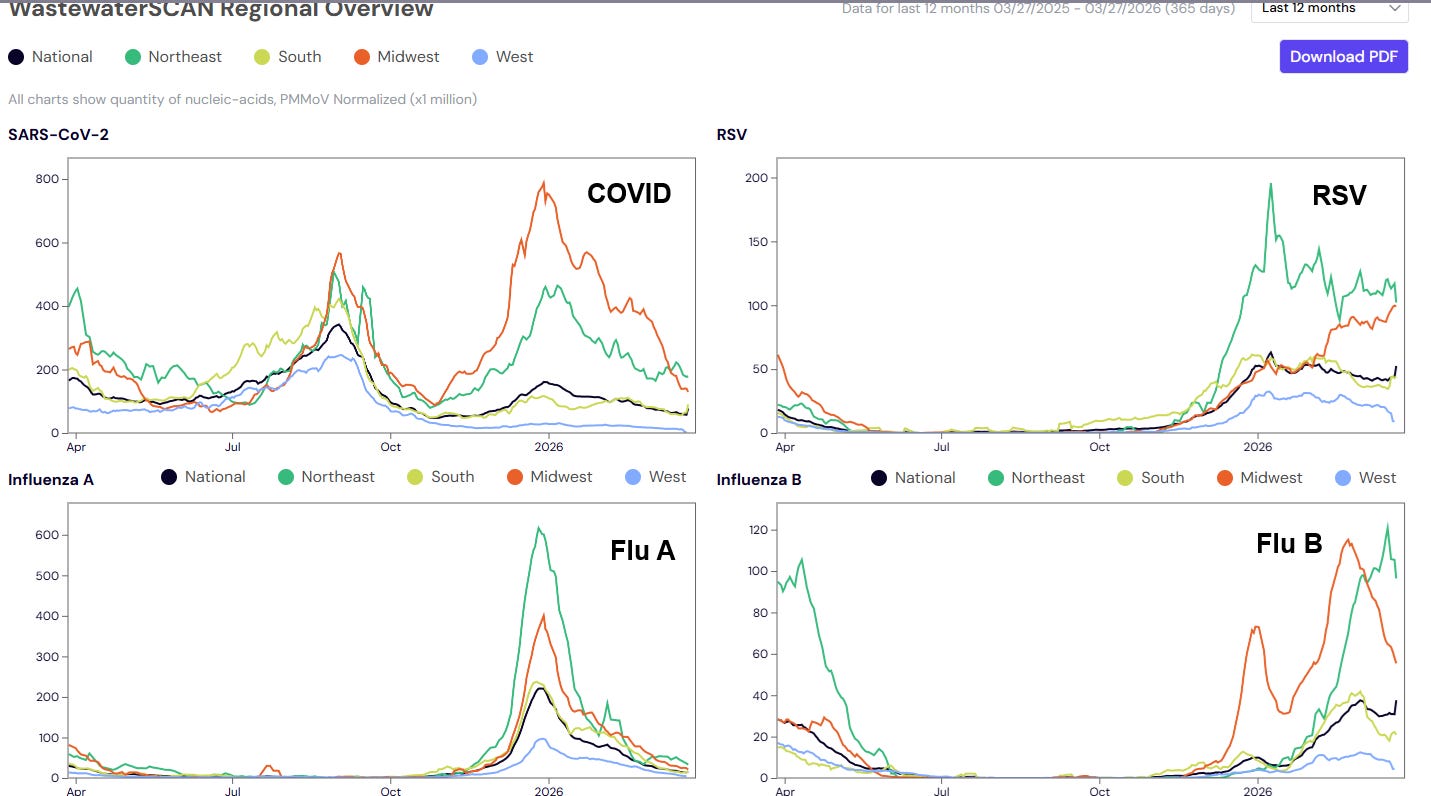
COVID levels continue to decrease, RSV is still high in some places, and Flu B is high in the Northeast, but overall influenza has now decreased across most of the country.

From: https://data.wastewaterscan.org/

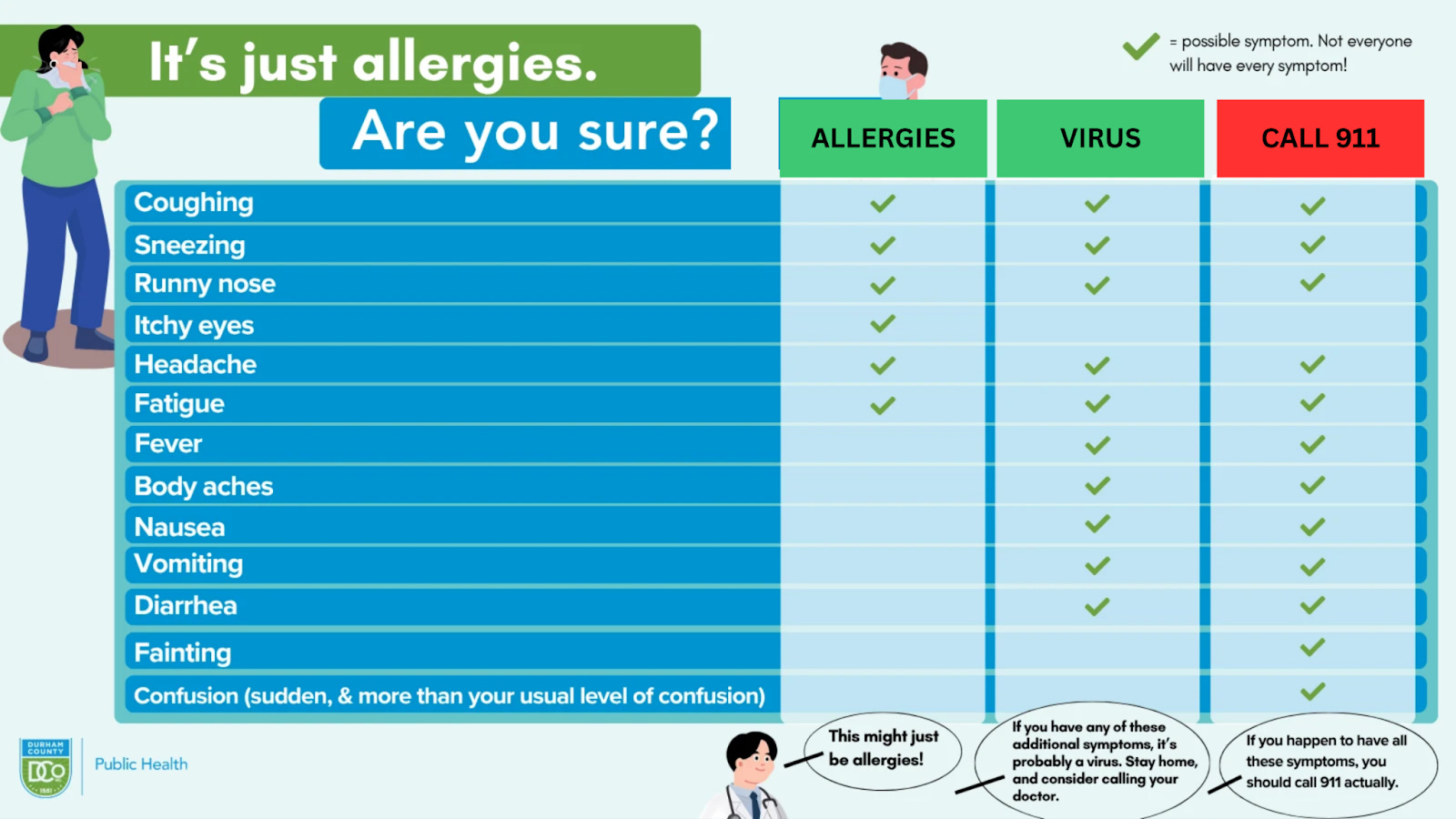
The Durham County Department of Health had a good infographic this week regarding allergies vs. respiratory infections. If you have itchy eyes with that sneezing, it is probably allergies. But, if you have a fever or body aches with sneezing or a cough, it may be a viral infection.

RSV

RSV activity started later than expected in most regions of the United States, though illness is not more severe compared with recent seasons. This unusual timing means that higher levels of RSV activity may continue into April in many regions. Emergency department visits and hospitalizations for RSV are highest among infants and children less than 4 years old.” Babies can receive monoclonal antibodies to help protect them from RSV.

COVID

COVID levels in wastewater are currently HIGH in the Northeastern states, moderate across the Midwest and South, and are low in the West.

COVID Variants

BA.3.2

Interest in the BA.3.2 variant has increased this week following the release of a new MMWR report on the worldwide surveillance of COVID variant BA.3.2. The BA.3.2 variant was first identified in South Africa at the end of 2024. It is an unusual variant because it has over 70 new mutations relative to JN.1, and its descendants, which have been circulating since 2023.

BA.3.2, also known as “Cicada”, has been reported in 23 countries on 4 continents in 2026. The concern is that if it gains more mutations, it could lead to a large COVID wave. But at this point, other COVID variants that are more immune evasive have been causing bigger increases in COVID than BA.3.2.

Ryan Hisner posted this week that BA.3.2 may infect children more often. He reviewed information from European countries that post age related data (Ireland, Spain, France, the Netherlands, and Luxembourg) in this thread which showed that BA.3.2 was responsible for more COVID infections in children. He posted, “Children are less likely to have been vaccinated or infected with pre-Omicron variants, so you would expect their immune response to vary from adults’, primarily by being more Omicron-specific. I don’t understand why that would translate to greater vulnerability to BA.3.2, but there it is.”

Hisner continued, “There’s not much BA.3.2 in the US yet, but the numbers are still pretty striking. Ages 0-18 are more than 5 times as common in BA.3.2 sequences as in non-BA.3.2 sequences.”

Acute COVID infections, General COVID info

Epithelial cells line organs such as the lungs and endothelial cells line blood vessels in the body. Australian researchers used a human lung barrier model of co-cultured human lung epithelial and endothelial cells and found that IL-1β and TNF are major drivers of the endothelial injury and clotting problems seen in acute COVID-19. This work adds to the idea that inflammation spilling over from infected airway cells, not direct viral invasion, may damage blood vessels in severe COVID infection.

A new preprint from India shows that the SARS-CoV-2 PLpro enzyme can directly weaken epithelial barriers in both Drosophila fly and mammalian models. PLpro-associated breakdown of epithelial barriers can trigger stress, inflammation, and cell death, suggesting PLpro is a key driver of COVID-related tissue injury beyond viral replication.

In Brazil and Mexico, a 64 patient study found that SARS-CoV-2 non-spike proteins, especially the SARS-CoV-2 envelope protein, may hijack mucosal epithelial cells pushing them into a less mature, damaged state before obvious pathology appears. Calponin 2 (CNN2) emerged as a possible driver of that process, pointing to a potential target for treatments.

A preprint from China suggests that the coronavirus envelope E protein (CoV-E) may disrupt iron sensing inside cells through the TAp73-FDXR axis, leading to iron buildup that could help coronaviruses to replicate. The authors developed a new molecule, DPTP-FC, which alleviates iron accumulation and tissue damage caused by several coronaviruses including SARS-CoV-2.

Pregnancy

Babies under 6 months cannot be vaccinated against COVID, but maternal mRNA vaccination during pregnancy offers early protection. In a large University of Oslo study of 146,031 infants in Norway (2020–2023), babies exposed to maternal COVID mRNA vaccination were about half as likely to be hospitalized for COVID in the first 2 months of life. Protection declined to 24% by months 3 to 5 and disappeared after 6 months, with no increased risk of other infections. COVID vaccination in pregnancy helps protect both mother and baby.

Share

Antiviral treatments

After a successful Phase 3 trial, the COVID antiviral medication Ensitrelvir has now been approved in Japan, not just for COVID treatment, but also for post-exposure prevention of COVID. If broader regulators agree, this could give exposed high-risk patients a new oral option beyond vaccination alone. “Ensitrelvir is currently under review by the U.S. Food and Drug Administration (FDA) for the prevention of COVID‑19 following exposure, with a Prescription Drug User Fee Act (PDUFA) target action date of June 16, 2026. Ensitrelvir is also under regulatory review with the European Medicines Agency for COVID-19 post-exposure prophylaxis and treatment.”

In a New England cohort of 19,413 adults with COVID infection, Paxlovid did not reduce overall Long COVID risk. However, Paxlovid use was associated with a 37% reduction in gastrointestinal PASC and a 17% reduction in Long COVID risk among non-hospitalized adults aged 65–75, but an increased risk of eye and ear-related symptoms. These findings suggest that Paxlovid’s impact on Long COVID varies by organ system and patient age rather than providing uniform protection.

Share

Long COVID

Dr. Elisa Perego, an archaeologist and research fellow at University College London, coined the term “Long COVID” in 2020. She has now written a narrative review on Long COVID synthesizing current definitions, epidemiology, and mechanisms of this complex, multisystem condition that affects approximately 400 million people worldwide. The review highlights overlapping drivers of Long COVID including viral persistence, immune dysregulation, microbiome dysbiosis, endothelial dysfunction, and autoimmunity, which together can impact multiple organs and lead to prolonged symptoms. The paper emphasizes that Long COVID is not a single disease, but a heterogeneous syndrome requiring multidisciplinary approaches to diagnosis and care.

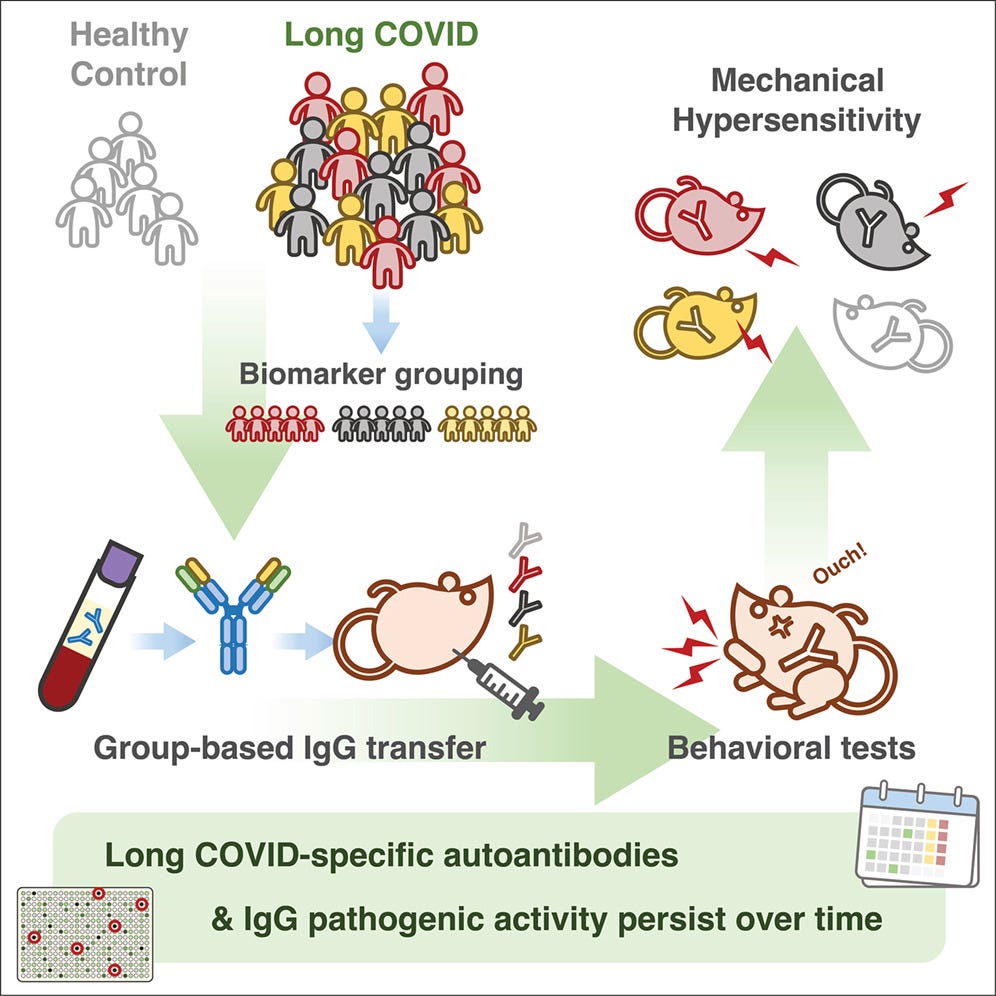
Researchers in the Netherlands studied IgG from 34 patients with Long COVID and identified three subgroups based on GFAP, NFL, and interferon-β levels in their blood. When transferred into mice, these antibodies induced pain behaviors, showing a direct pathogenic effect. Autoantibody patterns were subgroup-specific and persisted for up to two years, with IgG retaining pain-inducing activity over time.

From: https://www.cell.com/cell-reports-medicine/fulltext/S2666-3791(26)00110-2

“Microtesla Magnetic Therapy (MMT) is a low-amplitude radiofrequency magnetic field intervention that has demonstrated anti-inflammatory and neuroprotective effects in preclinical models.” A small randomized trial of 30 people with Long COVID brain fog found that at-home microtesla magnetic therapy (MMT) was feasible, appeared safe, and showed sustained clinically meaningful improvements across multiple cognitive domains and mood at 8 weeks. This was a pilot study and larger randomized trials are needed to confirm that MMT can help people with Long COVID cognitive and mood issues.

Mount Sinai researchers and collaborators analyzed data from 4,244 Visible app users with complex illnesses like Long COVID and ME/CFS and found that higher morning heart rate and lower heart rate variability (HRV) predicted worse fatigue, brain fog, and crashes later that day. Smartphone and wearable data appear to show real-world utility for symptom prediction in complex chronic illnesses.

Researchers in Pavia, Italy studied autonomic function in 37 post-acute COVID patients (<120 days since infection), 36 long-term COVID patients (≥120 days), and 50 matched healthy controls. Both COVID groups showed signs of autonomic dysfunction, including lower heart rate variability and reduced baroreflex sensitivity, with slightly greater abnormalities earlier after infection, even in patients without orthostatic symptoms. The findings suggest that autonomic dysfunction can persist after SARS-CoV-2 infection even when typical orthostatic symptoms are not present.

UCSF and Yale researchers characterized autoantibody profiles in 111 post-COVID participants with neurological symptoms or cognitive impairment and found no single shared autoantibody signature across the group. Individual patients showed distinct and heterogeneous autoantibody patterns, indicating that neurological Long COVID and brain fog are unlikely to stem from a uniform antibody-mediated mechanism.

Researchers used a protein microarray to measure IgA antibodies in saliva in post-COVID patients with depression, healthy controls, and non-COVID depressed patients. 65 IgA autoantibodies targeting human proteins were identified exclusively in the post-COVID depression group, with several of the recognized antigens linked to neurological function. The results suggest that post-COVID depression may involve a distinct mucosal autoimmune response in each patient, with salivary IgA profiles as potential non-invasive biomarkers, though the study size is small and findings are preliminary.

Share

Measles

As of March 26, 2026, 1,575 confirmed measles cases were reported in the United States in 2026, with 5% (78 of 1,575 cases) noted to be hospitalized.

The South Carolina Department of Public Health reported no new cases of measles in the state since Tuesday, keeping the total number of measles cases in South Carolina at 997 since the outbreak started in October 2025.

In Utah, 486 people have been diagnosed with measles in this outbreak, with 107 new cases reported in the last 3 weeks.

Polio

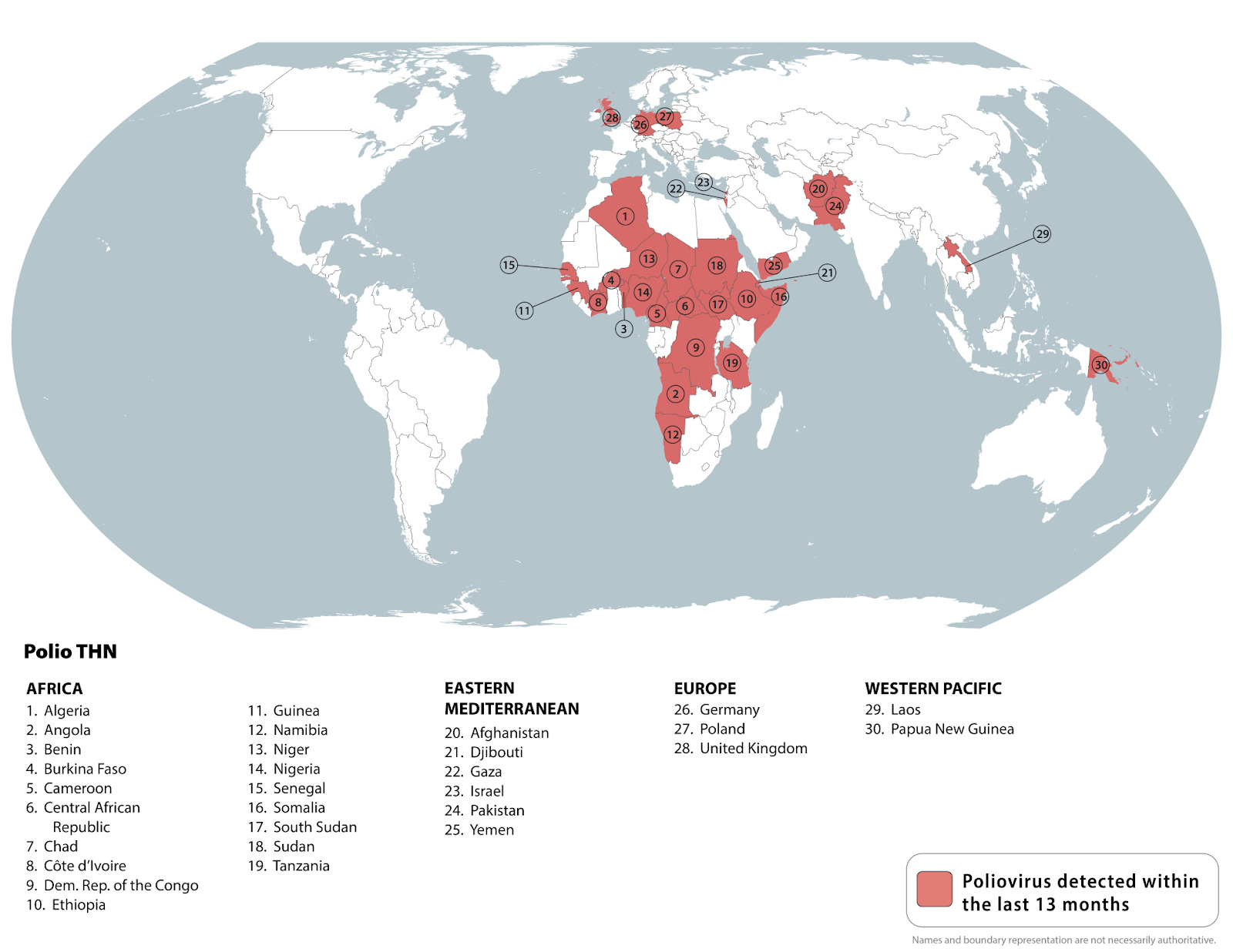
The CDC has issued Level 2 precautions for polio in Germany, Poland, and the United Kingdom after recent cases there. Travelers should be up to date on polio vaccination, and adults who completed the polio routine vaccination series may receive a single lifetime polio booster before travel. These polio precautions also exist for many countries in Africa, Pakistan and Israel.

Polio has been detected in these countries over the last 13 months:

From:https://wwwnc.cdc.gov/travel/notices/level2/global-polio#xd_co_f=MDVmY2Q4YzItNWUxOC00NjQ1LWIxZDgtODg5NTA5YWFmNzU1~

Government Health News

A new article in the BMJ shows that international maternal mortality is linked to changes in United States presidential parties. Researchers analyzed World Bank data from 150 countries (1985–2023) and found that switches from Democratic to Republican U.S. administrations correlate with a 10.5% rise in maternal deaths in countries with above-average reliance on US family planning aid, equaling to about 45 additional maternal deaths per 100,000 live births. Family planning aid averages 48% higher under Democratic administrations, and the mortality gap narrows when the Global Gag Rule (GGR) is not in force.

Share

Other news

I am excited to announce that our new website is live at VivaBiome.com. We’d love for you to take a look and let us know what you think. If you happen to spot any bugs or have feedback on how we can improve your experience, please feel free to drop us a note at info@vivabiome.com.

From: https://vivabiome.com/

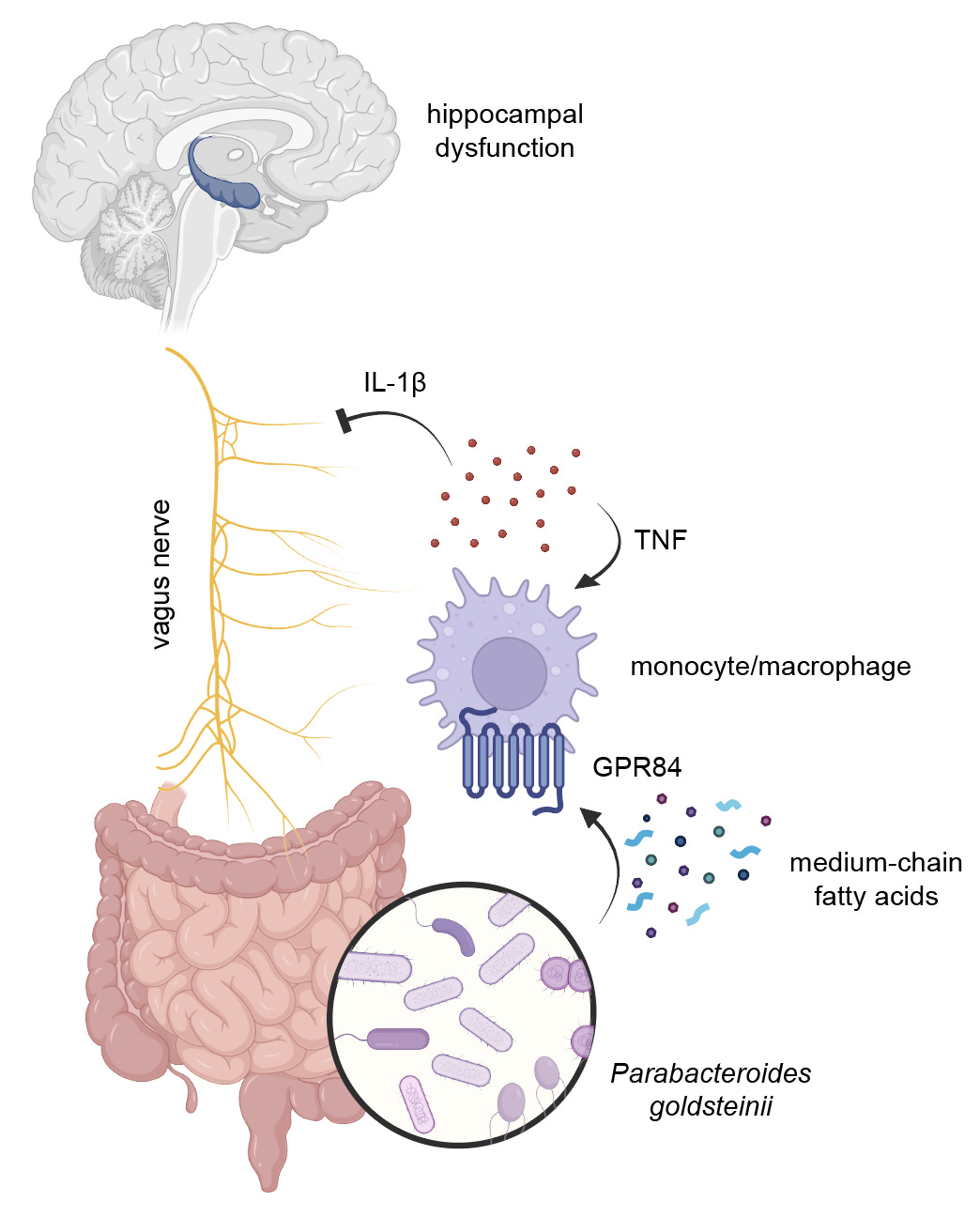
A group from the Arc Institute posted about their new article in Nature showing how “the gut can drive age-associated memory loss.” Aging is associated with lower gut microbial diversity which has been linked with frailty. The Thaiss and Levy labs found that certain bacteria in the gut microbiome of older mice, particularly P. goldsteinii, make medium-chain fatty acids (MCFAs) which negatively affect memory and are associated with cognitive decline. Lowering the MCFAs in the mice using bacteriophages improved memory. Vagus nerve stimulation with the gut hormone CCK or with GLP-1 receptor agonists also reversed age-related memory deficits.

From: https://arcinstitute.org/news/gut-drives-memory-loss

CNBC reports that the average price of menstrual products like tampons and sanitary pads has skyrocketed by almost 40% over the last several years due to inflation and tariffs.

An interesting article from October 2025 shows that an antibody called 04_A06 broadly neutralizes HIV and may be used in the future for treating and preventing HIV infection.

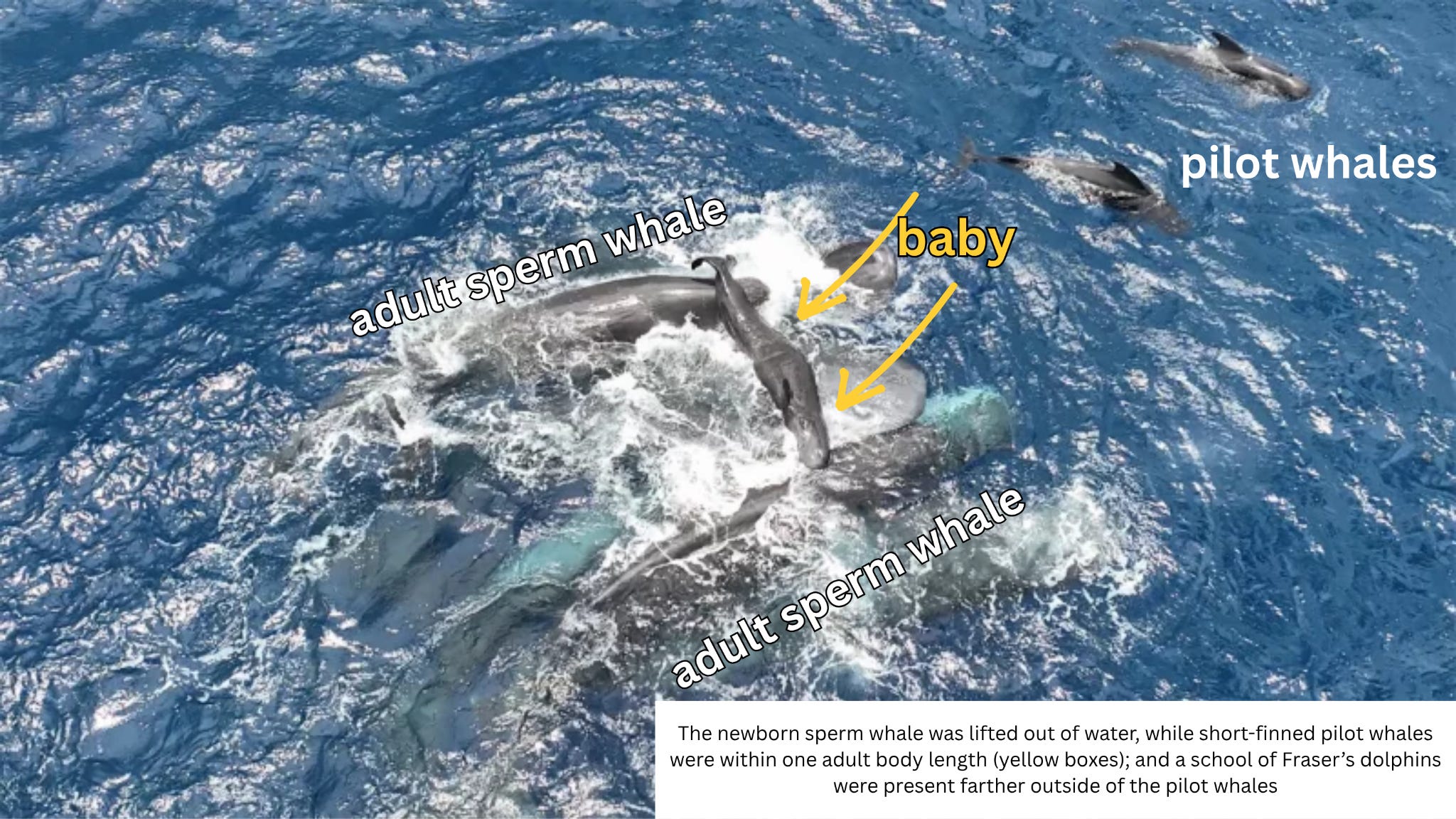
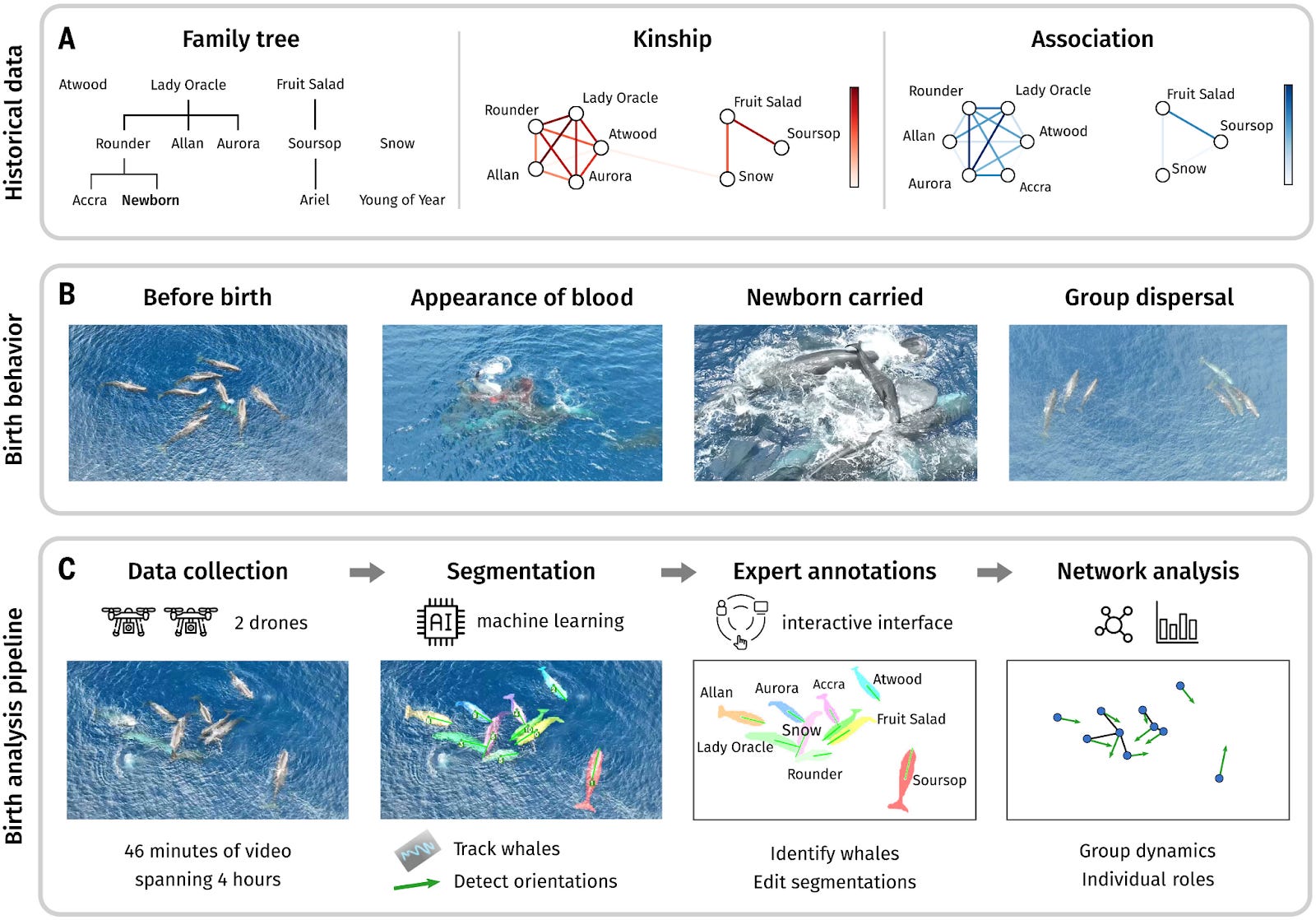
Project CETI researchers documented the first detailed video and audio recording of a sperm whale birth, publishing their findings about social behavior and whale communication in Science and in Nature magazines. Eleven female sperm whales from two different pods formed a protective circle and took turns lifting the newborn calf to the surface so that it could breathe. Onlookers included nearby pilot whales and Fraser’s dolphins. The event highlights a high level of social coordination, complex communication, and caregiving behaviors in sperm whale societies.

Photo from Project CETI

From: https://www.science.org/doi/10.1126/science.ady9280

Have a good week,

Ruth Ann Crystal MD

Sunday, March 29, 2026

Serious Israel Derangement Syndrome

This is from United With Israel 3-27-26. As usual, Bernie Sanders is NOT united with Israel at this crucial time. He "has filed new resolutions targeting weapons transfers to Israel – setting up another dangerous effort to weaken Israel."  

Hopefully our spineless Senate will stand up for Israel and stand up against terrorism, because weakening Israel also weakens the United States.

---------------------------------------------------

ACT NOW: Demand a NO Vote on Blocking Arms to Israel

"While Israel is fighting terror on multiple fronts, some in Washington want to tie its hands.

"Israel is facing grave threats across the region, and now the Senate could be asked to block critical U.S. arms sales that help the American ally defend its people.

"Reports published in recent days say Sen. Bernie Sanders has filed new resolutions targeting weapons transfers to Israel – setting up another dangerous effort to weaken Israel.

"Israel is in the midst of an expanding regional war.

"Blocking arms sales would not bring peace closer. Rather, it would weaken Israel at the very moment it needs to deter Iran, confront Hezbollah, and defend its citizens from terrorist threats. The message to Israel’s enemies would be unmistakable: Pressure works, America is wavering, and the Jewish state can be isolated in its hour of need.

"That would be a grave mistake. Reports today also underscore the broader regional danger, including ongoing Iranian attacks and escalating conflict tied to Iran’s terror network.

"American support for Israel is not charity. It is a moral obligation and a strategic necessity.

"These arms sales help a democratic ally fight shared enemies, and they also support American jobs because the weapons are made in the United States.

"We cannot let political posturing in Washington undermine Israel’s security and embolden the terror axis."

Friday, March 27, 2026

Melanie Phillips 3-27-26: "Finish the job, Mr. President!"

Here's the great Melanie Phillips with yet another excellent common sense column I agree with. Too bad our NATO "allies" don't read it and learn something from it.

------------------------------------------------------------------ 

Finish the job, Mr. President!
In the new reality of warfare, winning can be losing and losing can be winning
Melanie Phillips, Mar 27, 2026 

"As the clock ticks away toward US President Donald Trump’s latest “negotiate or I unleash hell” deadline, the Iranian regime thinks that it’s winning.

"In the West, the serried ranks of “experts” also think that America and Israel are heading either for a deepening quagmire or a humiliating retreat. It’s not possible to predict how the war against Iran will end — or even what the next day will bring.

"But on the face of it, Tehran’s claim that it has the upper hand — echoed by Western commentators who said before the war even started that it would be a disaster, have kept saying that it is a disaster and predict that it will undoubtedly end in disaster — is demonstrably absurd.

"On every available metric of war, the regime is clearly losing.

"Its air defenses are all but obliterated, its navy is largely sunk, its stocks of missiles and launchers have been decimated, its senior ranks are being progressively eliminated, and its nuclear programme has been further damaged.

"In these respects, the United States and Israel have had so far a spectacularly successful war.

"Yet despite all this, not only is the regime not yet defeated but it still presents fearsome challenges. It has turned the Strait of Hormuz into a lethal weapon by choking off most of its normal shipping channels. Israel and the United Arab Emirates are still being bombarded by missiles every day, causing damage, injury and death.

"Washington is reportedly chewing over the likely costs to its own forces if it tries to seize Kharg Island to gain control over Iran’s oil production or free the Straits of Hormuz. Trump is likely weighing up the damage to his own political future from a domestically unpopular war that may start drawing American blood.

"The stakes are enormous. If the Iranian regime isn’t totally defanged but survives to recover and re-arm, it will not only continue to menace the region. Such an outcome will also advertise that the leader of the free world is a paper tiger.

"That will hugely embolden China, Russia and North Korea. Israeli defence expert professor Dan Schueftan says that if America doesn’t prevail in this war, it will be the beginning of the end for the West.

“These processes don’t happen overnight,” he told the Israeli commentator Haviv Rettig Gur. “But if the United States is incapable of dealing with the Iranian challenge, the ability of the Chinese to change the world order will be much stronger than before.”

"So why can’t the West see this? Why do so many Americans and Brits view Trump and Israeli Prime Minister Benjamin Netanyahu as their greatest threat rather than Iran, the world’s No. 1 terrorist state, exporter of violence and cultural destabilisation to the West, and crucial hinge of the world’s axis of evil powers?

"Partly, this is because the Trump administration has never properly made the case for war to the American public, while governments in Britain and Europe are actively hostile.

"Partly it’s because of the belief that whenever the West ventures into the Middle East cauldron, the outcome is disastrous.

"While the wars in Iraq and Afghanistan ended in a debacle, however, the obdurate refusal by the West to take commensurate action against Iran has resulted in a conflict that is now infinitely more difficult and damaging than it would otherwise have been had the threat from Tehran been countered earlier.

"Richard Williams, a former commander of Britain’s SAS commando force in Iraq and Afghanistan, wrote in Britain’s Mail that he witnessed Iran’s Islamic Revolutionary Guard Corps up close as they and Iranian proxies killed hundreds of British and American soldiers.

"Saying that this gave him an understanding of the “utter evil that is the Iranian regime,” he wrote: “We have let the regime fester and grow since the revolution in 1979 as a result of the cowardice and indecision of our political leaders.”

"By doing everything it could to avoid war with Iran, the West made this terrifying and now desperate war inevitable. The catastrophic 2015 nuclear deal brokered by former President Barack Obama allowed Iran to cheat and make steady progress over the years towards building nuclear weapons.

"Some 440 kilograms of enriched uranium — enough to make 11 nuclear bombs in two weeks — is reportedly still in Tehran’s hands.

"Sanctions were also nearly useless because the regime simply bypassed them and sold its oil to China.

"It did not use this revenue to look after the basic needs of the Iranian people. It used it instead to construct missile cities below ground — some buried deep inside mountains, apparently out of reach even of America’s most powerful bombs, and from where the regime continues to fire missiles at Israel and its neighbors in the Gulf.

"The death and destruction being inflicted as a result — not least upon the oppressed Iranian people — is the real disaster. This should be laid at the door of a West that has sung the siren song of appeasement for decades.

"It’s done so largely because it subscribes to the dogma that war is pointless, and all conflicts can and should be settled by negotiation and compromise. No longer valuing its own historic identity, which it has dismembered through multiculturalism and victim culture, it has become suicidally defeatist, believing there is nothing to fight or die for.

"The reason Israel survives and thrives as it does is because it is never defeatist and believes there is everything to fight or die for.

"Saudi Arabia and the UAE also understand the mortal threat posed to them by the Tehran regime. That’s why they are urgently pressing Trump to finish it off rather than declare a totally false victory and walk away.

"Trump is incredulous that the regime won’t accept that it has lost the war. This may be merely Trumpian rhetoric designed to humiliate Tehran. More ominously, it may be that he’s trying to reshape reality to what he wants it to be, but isn’t.

"But on another level, he’s applying the wrong metric. It may well be that in terms of conventional warfare, the regime can’t possibly win. But fanatical Islamists like this think in completely different terms. To them, mere survival is victory.

"Iran’s foreign minister, Abbas Aragchi, gloated this week: “No nation in history has stood for nearly a month against the greatest nuclear-armed power on earth and stopped them from achieving a single goal. This is a point of pride for all of humanity.”

"The West simply doesn’t understand religious fanaticism. It doesn’t understand that for the Islamists of Tehran, who believe that causing an apocalypse will bring the Shia messiah to earth, “martyrdom” — their mass deaths — is accordingly to be embraced with ecstasy.

"The West also fails to grasp something Israel has been forced to accept for decades. The Iranian regime may be outgunned by America’s superior military might, but it can outfox it through its use of “asymmetric warfare,” which refuses to recognise the conventions of war laid down by the international community.

"This means that while the West takes care not to target civilians or hit the essential civilian infrastructure of electricity or water supplies, the Iranians will not only target all such enemy lifelines but will unhesitatingly sacrifice all their own people, too.

"Accordingly, they think that the more missiles they continue to fire, the more they’ll demonstrate defiantly that they hold all the cards and so America must “negotiate” on the terms they have laid down.

"The only acceptable response to that is to redouble the effort to defeat them utterly and completely.

"Let’s hope Trump has come to the same conclusion."

Jewish News Syndicate

Thursday, March 26, 2026

More on The "Cicada" COVID Variant BA.3.2

The news about the Cicada variant is the  most COVID reporting I've seen in a while.  On this Boston25 Instagram site, the typical reaction includes "Don't care" and "Here we go again", proving that too many people have learned nothing from the last 6 years.  

I'd rather be prepared than be stupid.

------------------------------------------------------------ 

From the Today show, 3-26-26 

A New, Highly Mutated COVID Variant Called 'Cicada' Is Spreading in the US. Know These Symptoms.  The heavily mutated new BA.3.2 COVID-19 variant, aka "cicada," is spreading in at least 25 U.S. states, the CDC said. What to know about its spread and symptoms.

BA.3.2, a heavily mutated new COVID-19 variant which may be better able to escape immunity from vaccines or prior infection, is now spreading in the United States.

Although COVID cases are currently low nationally, the BA.3.2 strain is gaining traction across the globe. BA.3.2, aka "cicada," emerged over a year ago and slowly simmered until last fall, when it started ramping up in several countries, including the U.S.

As of February, BA.3.2 has been detected in at least 25 states, the U.S. Centers for Disease Control and Prevention said.

Perhaps more concerning is the variant's slew of genetic changes in its spike protein, which set it apart from other variants circulating, Andrew Pekosz, Ph.D., a virologist at the Johns Hopkins Bloomberg School of Public Health, tells TODAY.com.

“It has a lot of mutations that may cause it to look different to your immune system,” Pekosz says.

These have the potential to reduce protection from a prior COVID infection or vaccination, according to a new study published in the CDC's latest Morbidity and Mortality Weekly Report.

As a result, the “hyper-mutated” strain is being closely tracked by public health officials. In December 2025, the World Health Organization classified BA.3.2 as a “variant under monitoring."

BA.3.2 was nicknamed “cicada” by T. Ryan Gregory, Ph.D., a professor of evolutionary biology at the University of Guelph who's coined other variant names like “stratus” and “pirola.”

Like its namesake insect, BA.3.2 also spent its first years “underground” before re-emerging as a potential major variant, Gregory tells TODAY.com.

Here's what to know about BA.3.2, where it's spreading, potential symptoms and the effectiveness of vaccines against it.

What Is the New COVID Variant, BA.3.2?

BA.3.2 was first identified in November 2024 in South Africa. It's a descendent of BA.3, an omicron subvariant that emerged in 2022 and briefly circulated with BA.1 and BA.2, the CDC said.

Its ancestor BA.3 fizzled out, but never disappeared, says Pekosz. Two years and dozens of mutations later, BA.3.2 emerged.

Since 2024, BA.3.2 has moved slowly and quietly, overshadowed by dominant variants like Nimbus and XFG — which all descend from BA.2. Last September, BA.3.2 started taking off.

"It was under the radar, replicating, until it started to spread more from person to person," says Pekosz.

BA.3.2 has 75 mutations in its spike protein — that’s a lot, says Pekosz — which set it apart from JN.1 and LP.8.1, the strains targeted by current COVID-19 vaccines.

According to the CDC, BA.3.2 represents a new lineage that's “genetically distinct” from the family of variants we’ve seen in recent years. “We think it might be able to evade a lot of the immunity already in the population,” says Pekosz.

In laboratory studies, BA.3.2 effectively escaped COVID-19 antibodies due to its spike protein changes, the CDC said.

"What's interesting, however, is some of these mutations may actually make the virus bind less well to our cells. So yes, our immune system may not recognize it, but it also doesn't recognize us as well," Dr. Dana Mazo, an infectious diseases physician at NYU Langone Health, tells TODAY.com.

Why is BA.3.2 resurfacing now? That’s unclear, Mazo says.

Does the New COVID Variant Cause More Severe Illness?

Is BA.3.2 making people sicker?

"There’s no evidence that BA.3.2 is causing more severe disease or hospitalizations in countries where it’s more widespread," Dr. Adolfo García-Sastre, director of the global health and emerging pathogens institute at Mt. Sinai, tells TODAY.com.

Pekosz adds: “It looks scary on paper, but it hasn’t really made a big impact in terms of disease in most places yet.”

Where Is BA.3.2 Spreading?

As of Feb. 11, 2026, BA.3.2 has spread to at least 23 countries, per data from the CDC and the Global Initiative on Sharing All Influenza Data (GISAID) database. It's driving about 30% of cases in Denmark, Germany and the Netherlands, per the CDC.

BA.3.2 was first detected in the U.S. in June 2025 in a traveler returning from the Netherlands at the San Francisco International Airport, the CDC said. Since then, it's been detected in international travelers, COVID patients and wastewater samples.

BA.3.2 is spreading in at least 25 states, per the CDC:

  • California
  • Connecticut
  • Florida
  • Hawaii
  • Idaho
  • Louisiana
  • Maine
  • Maryland
  • Massachusetts
  • Michigan
  • Missouri
  • Nevada
  • New Hampshire
  • New Jersey
  • New York
  • Ohio
  • Pennsylvania
  • Rhode Island
  • South Carolina
  • Texas
  • Utah
  • Vermont
  • Virginia
  • Wyoming

Currently, BA.3.2 is not fueling enough cases to be added to the CDC’s variant proportion tracker.

However, the latest data from WastewaterSCAN, a Stanford University-run program that tracks diseases, show BA.3.2 has been detected in 3.7% of sewage samples nationwide, a spokesperson tells TODAY.com.

“There are still a lot of unknown questions about how prevalent it is in the U.S., because surveillance has been reduced a lot,” García-Sastre says.

Will BA.3.2 Cause a Surge in the U.S.?

Although BA.3.2 detections are going up, it's still circulating at a relatively low level in many countries, including the U.S. "It's increasing, but it hasn't really caused a huge surge of infections anywhere," Pekosz adds.

Cicada hasn't overtaken the current dominant variants, XFG (stratus), NB.1.8.1 (nimbus) and their descendants, Gregory adds.

"BA.3.2 has not shown a sustained growth advantage over other any other co-circulating variant," the WHO said.

"If it had really special advantages, we'd probably have seen it take off and dominate globally relatively quickly. We didn't see that, but it's not going away, so it's something to keep an eye on," says Pekosz.

Even if BA.3.2 can evade existing immunity, there will likely still be some “cross-reactivity," so it won't be a complete stranger to our immune systems, the experts say.

COVID-19 can be unpredictable, so only time will tell. “It may evolve to be bit better at spreading or causing disease, but we just don’t know,” says Pekosz.

However, it's unlikely that BA.3.2 will cause a wave as large or severe as the ones seen very early in the pandemic, he adds.

Symptoms of the New COVID Variant BA.3.2

The symptoms of BA.3.2 are similar to those caused by other recent variants, the experts note.

According to the CDC, common COVID-19 symptoms in 2026 include:

  • Cough
  • Fever or chills
  • Sore throat
  • Congestion
  • Shortness of breath
  • Loss of smell or taste
  • Fatigue
  • Headache
  • Gastrointestinal symptoms

Symptoms can vary depending on the person, but usually go away on their own with supportive care.

"The new variant is still sensitive to COVID antiviral drugs that we have been developing, so at least those will work," says García-Sastre.

Do Vaccines Protect Against the New COVID Variant?

BA.3.2 has drawn attention partly because the changes in its spike protein have may affect how well the vaccine protects against infection, highlighting the need for possible reformulation, the experts note.

The 2025-2026 COVID vaccines, which target the JN.1 lineage, are effective at protecting against severe disease from current strains.

In lab studies, these vaccines were less effective against BA.3.2, but more research is needed, the CDC said.

"It's not completely clear how effective the current vaccine will be, but it likely still has some effectiveness," García-Sastre says.

According to the WHO, current COVID vaccines "are expected to continue providing protection against severe disease."

Vaccines are typically reformulated in the summer and can protect against multiple strains. "One beauty of this vaccine is that we can update it every year," says Mazo.

In the meantime, you can still protect yourself and others by testing if you have symptoms, staying home when sick and wearing a mask in high-risk (crowded, indoor) settings.

If you haven't been vaccinated or infected with COVID in the last six to 12 months, it may be worth talking to your doctor about whether a booster is right for you, says García-Sastre.

Vaccination is particularly important for people at higher risk of severe disease from COVID-19, which include adults over 65 and individuals with weakened immune systems or underlying conditions.

"Vaccination is still going to help limit cases," says Pekosz.