--------------------------------------------------------
Dr. Ruth Report, 3/29/2026
Respiratory Illness Summary
COVID levels continue to decrease, RSV is still high in some places, and Flu B is high in the Northeast, but overall influenza has now decreased across most of the country.
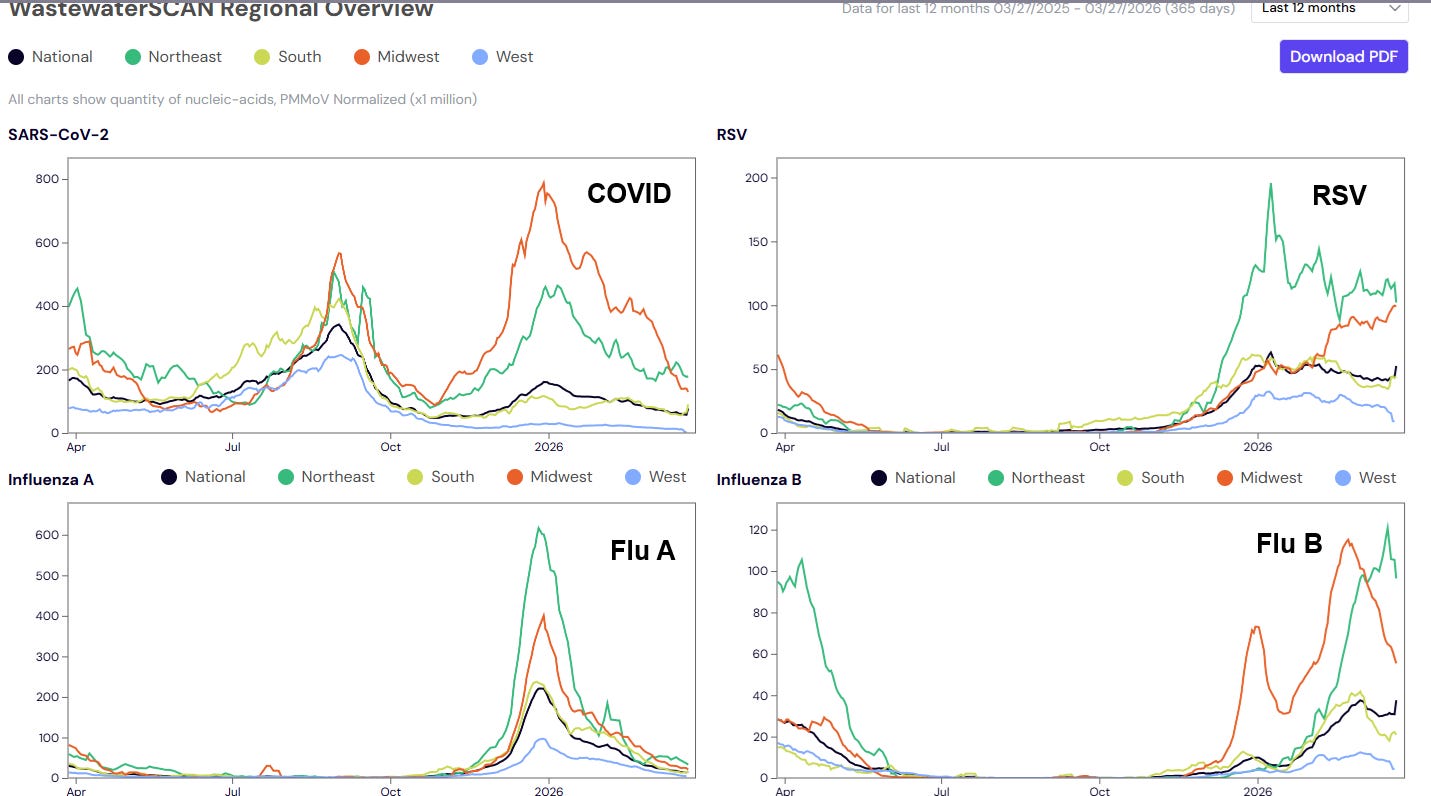
From: https://data.wastewaterscan.org/
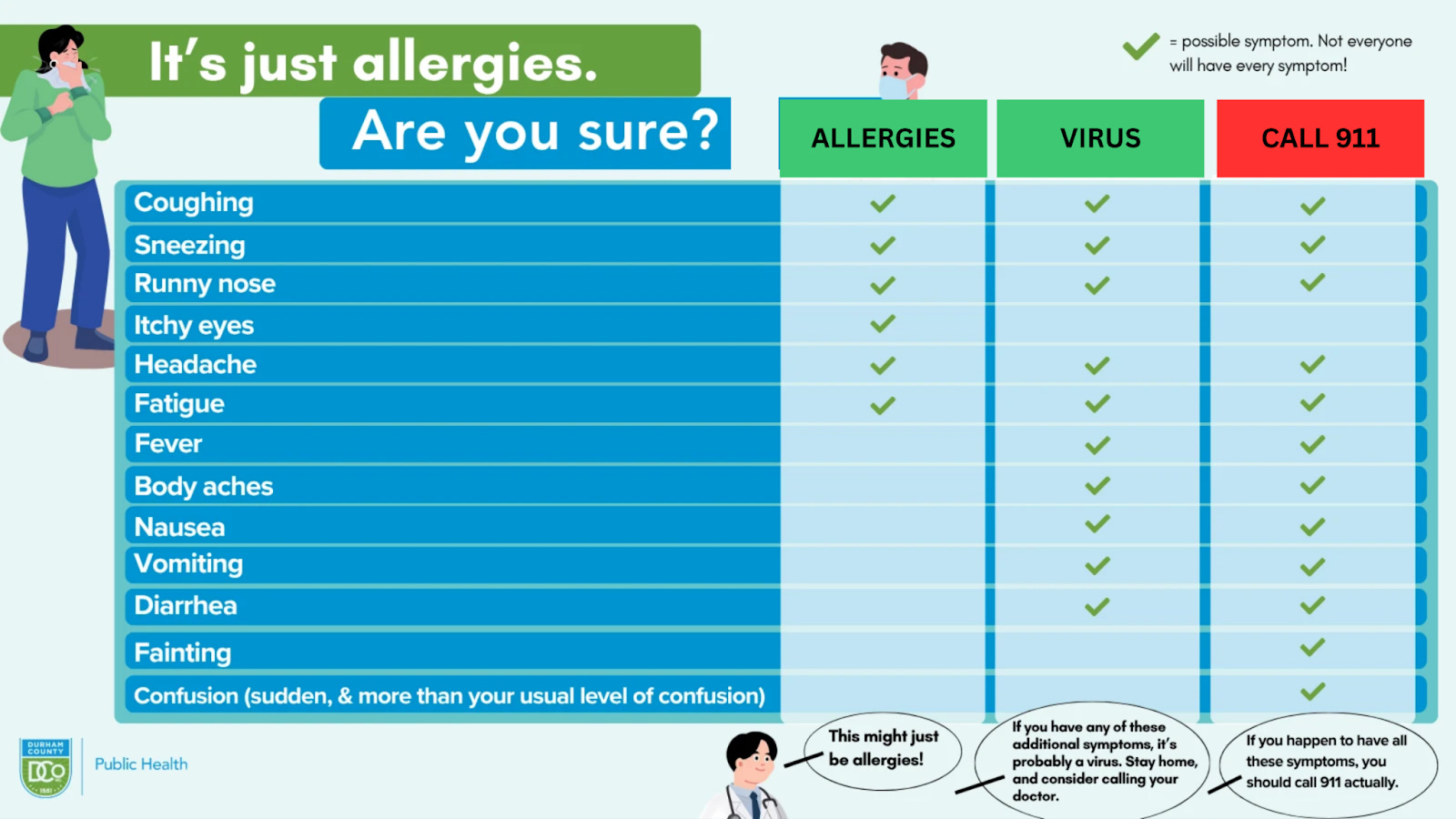
The Durham County Department of Health had a good infographic this week regarding allergies vs. respiratory infections. If you have itchy eyes with that sneezing, it is probably allergies. But, if you have a fever or body aches with sneezing or a cough, it may be a viral infection.
“RSV activity started later than expected in most regions of the United States, though illness is not more severe compared with recent seasons. This unusual timing means that higher levels of RSV activity may continue into April in many regions. Emergency department visits and hospitalizations for RSV are highest among infants and children less than 4 years old.” Babies can receive monoclonal antibodies to help protect them from RSV.
COVID levels in wastewater are currently HIGH in the Northeastern states, moderate across the Midwest and South, and are low in the West.
BA.3.2
Interest in the BA.3.2 variant has increased this week following the release of a new MMWR report on the worldwide surveillance of COVID variant BA.3.2. The BA.3.2 variant was first identified in South Africa at the end of 2024. It is an unusual variant because it has over 70 new mutations relative to JN.1, and its descendants, which have been circulating since 2023.
BA.3.2, also known as “Cicada”, has been reported in 23 countries on 4 continents in 2026. The concern is that if it gains more mutations, it could lead to a large COVID wave. But at this point, other COVID variants that are more immune evasive have been causing bigger increases in COVID than BA.3.2.
Ryan Hisner posted this week that BA.3.2 may infect children more often. He reviewed information from European countries that post age related data (Ireland, Spain, France, the Netherlands, and Luxembourg) in this thread which showed that BA.3.2 was responsible for more COVID infections in children. He posted, “Children are less likely to have been vaccinated or infected with pre-Omicron variants, so you would expect their immune response to vary from adults’, primarily by being more Omicron-specific. I don’t understand why that would translate to greater vulnerability to BA.3.2, but there it is.”
Hisner continued, “There’s not much BA.3.2 in the US yet, but the numbers are still pretty striking. Ages 0-18 are more than 5 times as common in BA.3.2 sequences as in non-BA.3.2 sequences.”
Epithelial cells line organs such as the lungs and endothelial cells line blood vessels in the body. Australian researchers used a human lung barrier model of co-cultured human lung epithelial and endothelial cells and found that IL-1β and TNF are major drivers of the endothelial injury and clotting problems seen in acute COVID-19. This work adds to the idea that inflammation spilling over from infected airway cells, not direct viral invasion, may damage blood vessels in severe COVID infection.
A new preprint from India shows that the SARS-CoV-2 PLpro enzyme can directly weaken epithelial barriers in both Drosophila fly and mammalian models. PLpro-associated breakdown of epithelial barriers can trigger stress, inflammation, and cell death, suggesting PLpro is a key driver of COVID-related tissue injury beyond viral replication.
In Brazil and Mexico, a 64 patient study found that SARS-CoV-2 non-spike proteins, especially the SARS-CoV-2 envelope protein, may hijack mucosal epithelial cells pushing them into a less mature, damaged state before obvious pathology appears. Calponin 2 (CNN2) emerged as a possible driver of that process, pointing to a potential target for treatments.
A preprint from China suggests that the coronavirus envelope E protein (CoV-E) may disrupt iron sensing inside cells through the TAp73-FDXR axis, leading to iron buildup that could help coronaviruses to replicate. The authors developed a new molecule, DPTP-FC, which alleviates iron accumulation and tissue damage caused by several coronaviruses including SARS-CoV-2.
Babies under 6 months cannot be vaccinated against COVID, but maternal mRNA vaccination during pregnancy offers early protection. In a large University of Oslo study of 146,031 infants in Norway (2020–2023), babies exposed to maternal COVID mRNA vaccination were about half as likely to be hospitalized for COVID in the first 2 months of life. Protection declined to 24% by months 3 to 5 and disappeared after 6 months, with no increased risk of other infections. COVID vaccination in pregnancy helps protect both mother and baby.
After a successful Phase 3 trial, the COVID antiviral medication Ensitrelvir has now been approved in Japan, not just for COVID treatment, but also for post-exposure prevention of COVID. If broader regulators agree, this could give exposed high-risk patients a new oral option beyond vaccination alone. “Ensitrelvir is currently under review by the U.S. Food and Drug Administration (FDA) for the prevention of COVID‑19 following exposure, with a Prescription Drug User Fee Act (PDUFA) target action date of June 16, 2026. Ensitrelvir is also under regulatory review with the European Medicines Agency for COVID-19 post-exposure prophylaxis and treatment.”
In a New England cohort of 19,413 adults with COVID infection, Paxlovid did not reduce overall Long COVID risk. However, Paxlovid use was associated with a 37% reduction in gastrointestinal PASC and a 17% reduction in Long COVID risk among non-hospitalized adults aged 65–75, but an increased risk of eye and ear-related symptoms. These findings suggest that Paxlovid’s impact on Long COVID varies by organ system and patient age rather than providing uniform protection.
Dr. Elisa Perego, an archaeologist and research fellow at University College London, coined the term “Long COVID” in 2020. She has now written a narrative review on Long COVID synthesizing current definitions, epidemiology, and mechanisms of this complex, multisystem condition that affects approximately 400 million people worldwide. The review highlights overlapping drivers of Long COVID including viral persistence, immune dysregulation, microbiome dysbiosis, endothelial dysfunction, and autoimmunity, which together can impact multiple organs and lead to prolonged symptoms. The paper emphasizes that Long COVID is not a single disease, but a heterogeneous syndrome requiring multidisciplinary approaches to diagnosis and care.
Researchers in the Netherlands studied IgG from 34 patients with Long COVID and identified three subgroups based on GFAP, NFL, and interferon-β levels in their blood. When transferred into mice, these antibodies induced pain behaviors, showing a direct pathogenic effect. Autoantibody patterns were subgroup-specific and persisted for up to two years, with IgG retaining pain-inducing activity over time.
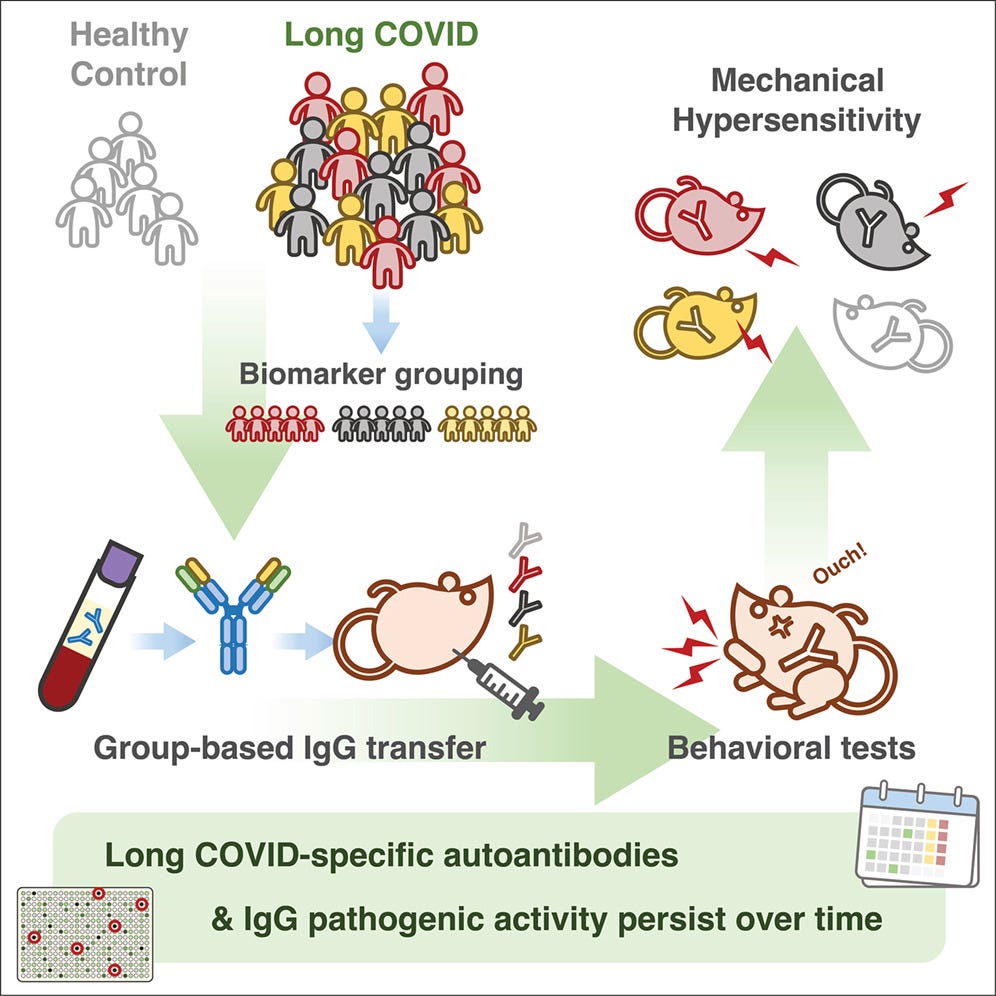
From: https://www.cell.com/cell-reports-medicine/fulltext/S2666-3791(26)00110-2
“Microtesla Magnetic Therapy (MMT) is a low-amplitude radiofrequency magnetic field intervention that has demonstrated anti-inflammatory and neuroprotective effects in preclinical models.” A small randomized trial of 30 people with Long COVID brain fog found that at-home microtesla magnetic therapy (MMT) was feasible, appeared safe, and showed sustained clinically meaningful improvements across multiple cognitive domains and mood at 8 weeks. This was a pilot study and larger randomized trials are needed to confirm that MMT can help people with Long COVID cognitive and mood issues.
Mount Sinai researchers and collaborators analyzed data from 4,244 Visible app users with complex illnesses like Long COVID and ME/CFS and found that higher morning heart rate and lower heart rate variability (HRV) predicted worse fatigue, brain fog, and crashes later that day. Smartphone and wearable data appear to show real-world utility for symptom prediction in complex chronic illnesses.
Researchers in Pavia, Italy studied autonomic function in 37 post-acute COVID patients (<120 days since infection), 36 long-term COVID patients (≥120 days), and 50 matched healthy controls. Both COVID groups showed signs of autonomic dysfunction, including lower heart rate variability and reduced baroreflex sensitivity, with slightly greater abnormalities earlier after infection, even in patients without orthostatic symptoms. The findings suggest that autonomic dysfunction can persist after SARS-CoV-2 infection even when typical orthostatic symptoms are not present.
UCSF and Yale researchers characterized autoantibody profiles in 111 post-COVID participants with neurological symptoms or cognitive impairment and found no single shared autoantibody signature across the group. Individual patients showed distinct and heterogeneous autoantibody patterns, indicating that neurological Long COVID and brain fog are unlikely to stem from a uniform antibody-mediated mechanism.
Researchers used a protein microarray to measure IgA antibodies in saliva in post-COVID patients with depression, healthy controls, and non-COVID depressed patients. 65 IgA autoantibodies targeting human proteins were identified exclusively in the post-COVID depression group, with several of the recognized antigens linked to neurological function. The results suggest that post-COVID depression may involve a distinct mucosal autoimmune response in each patient, with salivary IgA profiles as potential non-invasive biomarkers, though the study size is small and findings are preliminary.
As of March 26, 2026, 1,575 confirmed measles cases were reported in the United States in 2026, with 5% (78 of 1,575 cases) noted to be hospitalized.
The South Carolina Department of Public Health reported no new cases of measles in the state since Tuesday, keeping the total number of measles cases in South Carolina at 997 since the outbreak started in October 2025.
In Utah, 486 people have been diagnosed with measles in this outbreak, with 107 new cases reported in the last 3 weeks.
The CDC has issued Level 2 precautions for polio in Germany, Poland, and the United Kingdom after recent cases there. Travelers should be up to date on polio vaccination, and adults who completed the polio routine vaccination series may receive a single lifetime polio booster before travel. These polio precautions also exist for many countries in Africa, Pakistan and Israel.
Polio has been detected in these countries over the last 13 months:
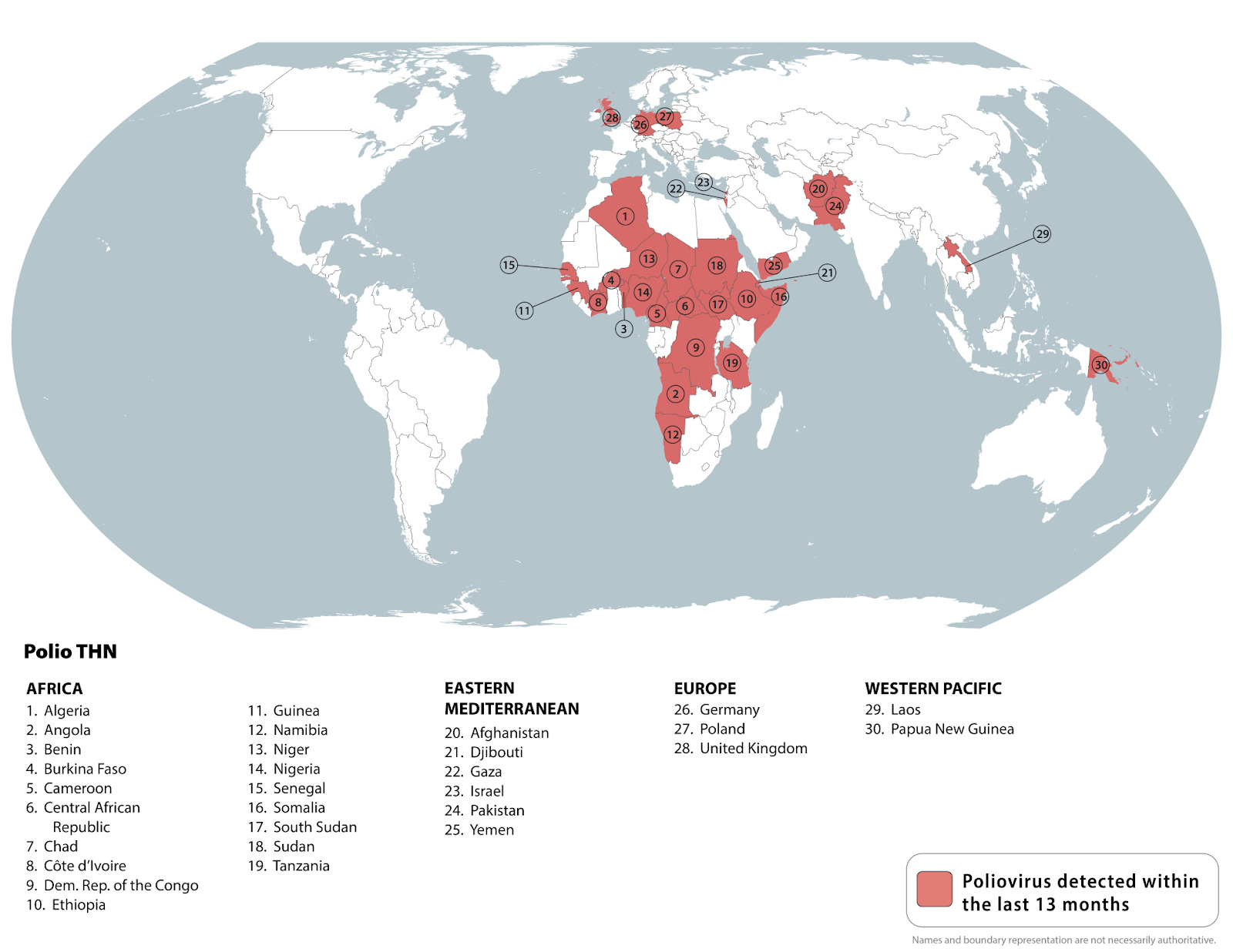
From:https://wwwnc.cdc.gov/travel/notices/level2/global-polio#xd_co_f=MDVmY2Q4YzItNWUxOC00NjQ1LWIxZDgtODg5NTA5YWFmNzU1~
A new article in the BMJ shows that international maternal mortality is linked to changes in United States presidential parties. Researchers analyzed World Bank data from 150 countries (1985–2023) and found that switches from Democratic to Republican U.S. administrations correlate with a 10.5% rise in maternal deaths in countries with above-average reliance on US family planning aid, equaling to about 45 additional maternal deaths per 100,000 live births. Family planning aid averages 48% higher under Democratic administrations, and the mortality gap narrows when the Global Gag Rule (GGR) is not in force.
I am excited to announce that our new website is live at VivaBiome.com. We’d love for you to take a look and let us know what you think. If you happen to spot any bugs or have feedback on how we can improve your experience, please feel free to drop us a note at info@vivabiome.com.
From: https://vivabiome.com/
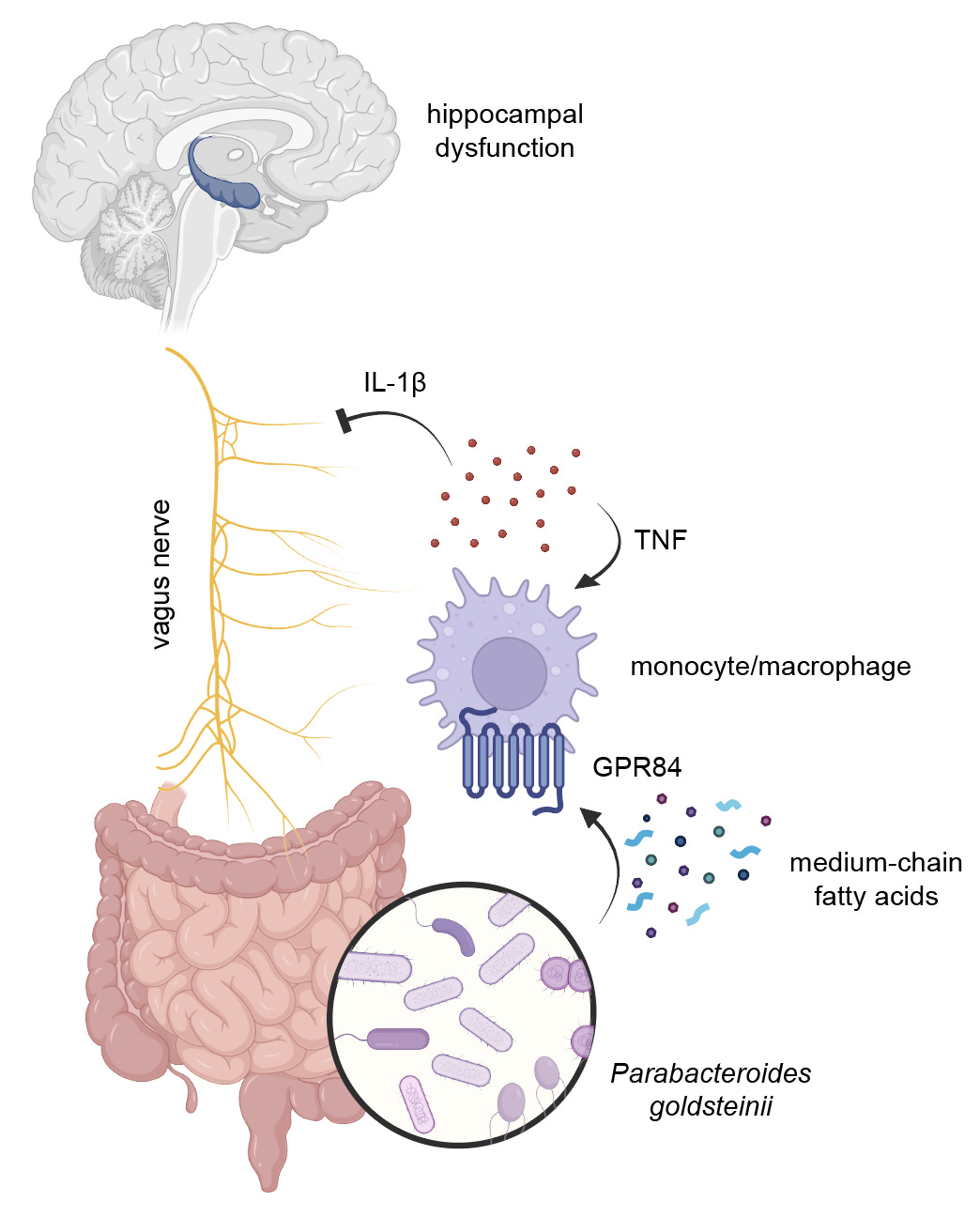
A group from the Arc Institute posted about their new article in Nature showing how “the gut can drive age-associated memory loss.” Aging is associated with lower gut microbial diversity which has been linked with frailty. The Thaiss and Levy labs found that certain bacteria in the gut microbiome of older mice, particularly P. goldsteinii, make medium-chain fatty acids (MCFAs) which negatively affect memory and are associated with cognitive decline. Lowering the MCFAs in the mice using bacteriophages improved memory. Vagus nerve stimulation with the gut hormone CCK or with GLP-1 receptor agonists also reversed age-related memory deficits.
From: https://arcinstitute.org/news/gut-drives-memory-loss
CNBC reports that the average price of menstrual products like tampons and sanitary pads has skyrocketed by almost 40% over the last several years due to inflation and tariffs.
An interesting article from October 2025 shows that an antibody called 04_A06 broadly neutralizes HIV and may be used in the future for treating and preventing HIV infection.
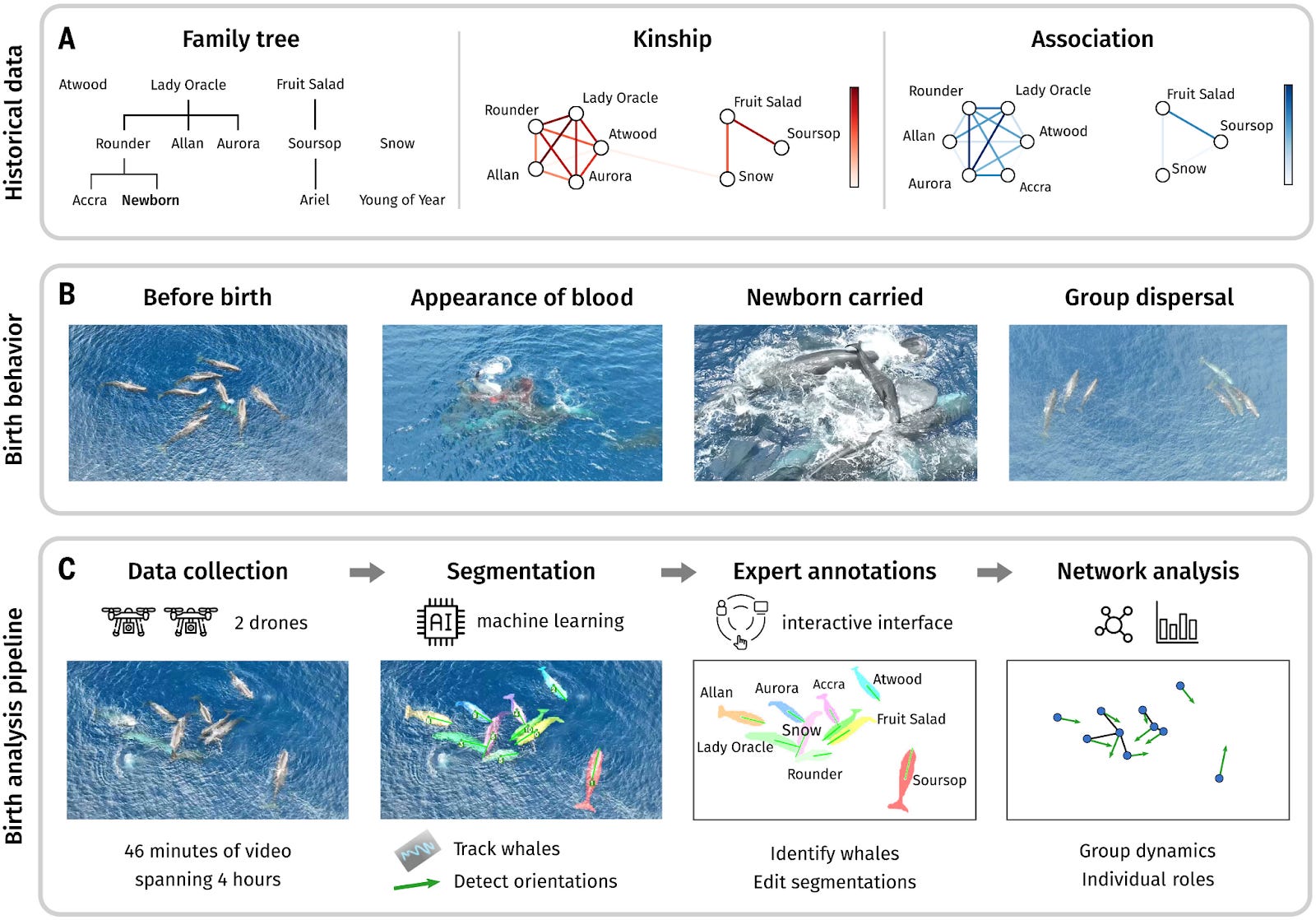
Project CETI researchers documented the first detailed video and audio recording of a sperm whale birth, publishing their findings about social behavior and whale communication in Science and in Nature magazines. Eleven female sperm whales from two different pods formed a protective circle and took turns lifting the newborn calf to the surface so that it could breathe. Onlookers included nearby pilot whales and Fraser’s dolphins. The event highlights a high level of social coordination, complex communication, and caregiving behaviors in sperm whale societies.
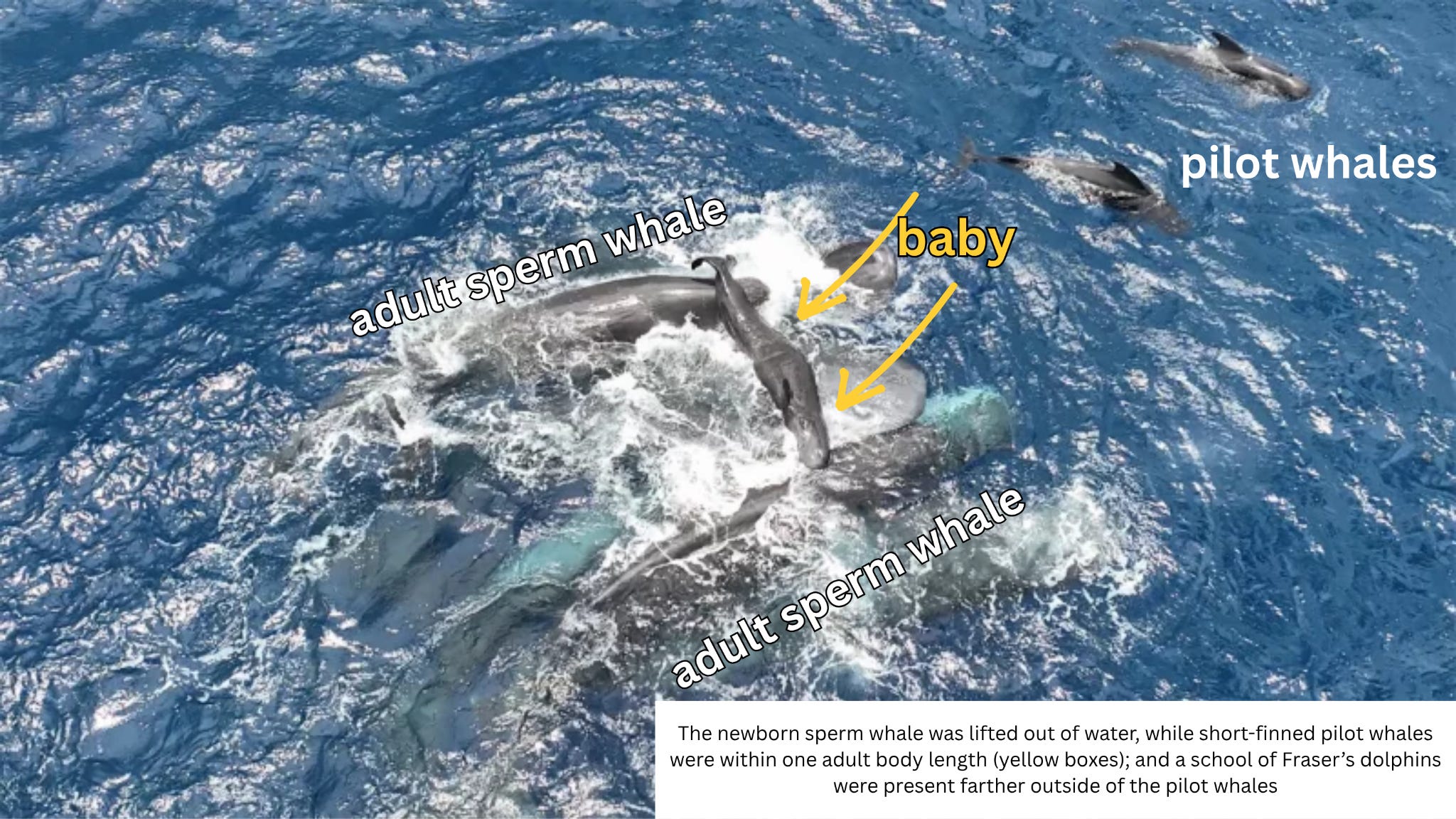
Photo from Project CETI
From: https://www.science.org/doi/10.1126/science.ady9280
Have a good week,
Ruth Ann Crystal MD





.jpg)
No comments:
Post a Comment