------------------------------------------------------------
COVID levels are decreasing across the United States as this wave slowly comes to its end. RSV is still high in most places, with especially high levels in the Northeast and Midwest. Influenza A has decreased nationally, but Flu B is still high particularly in the Northeast and Midwest.
In California, RSV activity remains elevated and the state has extended recommendations for monoclonal antibody protection (nirsevimab and clesrovimab) for eligible infants through April 30, 2026, with continued insurance coverage. Seasonal flu is still circulating in the state. Flu vaccination, testing, and early treatment are recommended to prevent severe disease. COVID activity is currently very low statewide.
Regional wastewater levels for COVID, RSV, Flu A, Flu B.
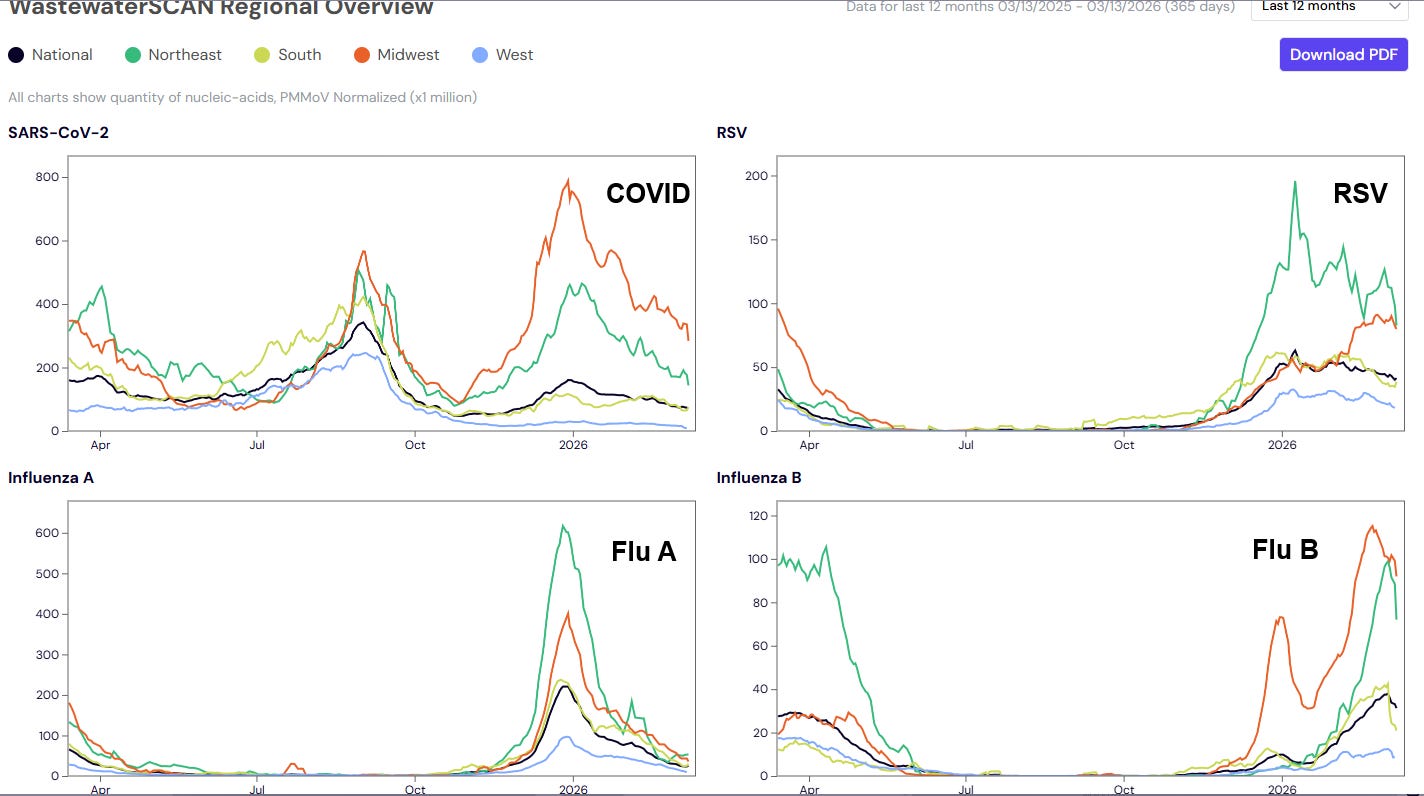
From: https://data.wastewaterscan.org/
Spring flowers mean that pollen counts are increasing in many places across the country with the warmest climates seeing the highest pollen levels now.
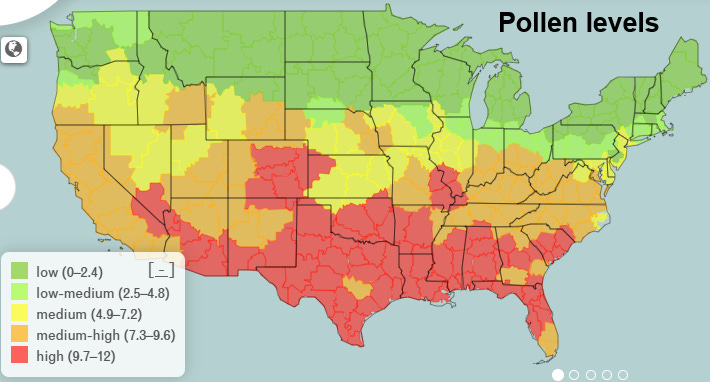
From: Pollen.com
This week’s unusual weather might change this, of course, as we expect an arctic blast to dump snow on the East coast and a heat wave on the West coast of the US, with damaging winds and potential tornadoes in the South/Midwest.
Expected Precipitation over the next 7 days
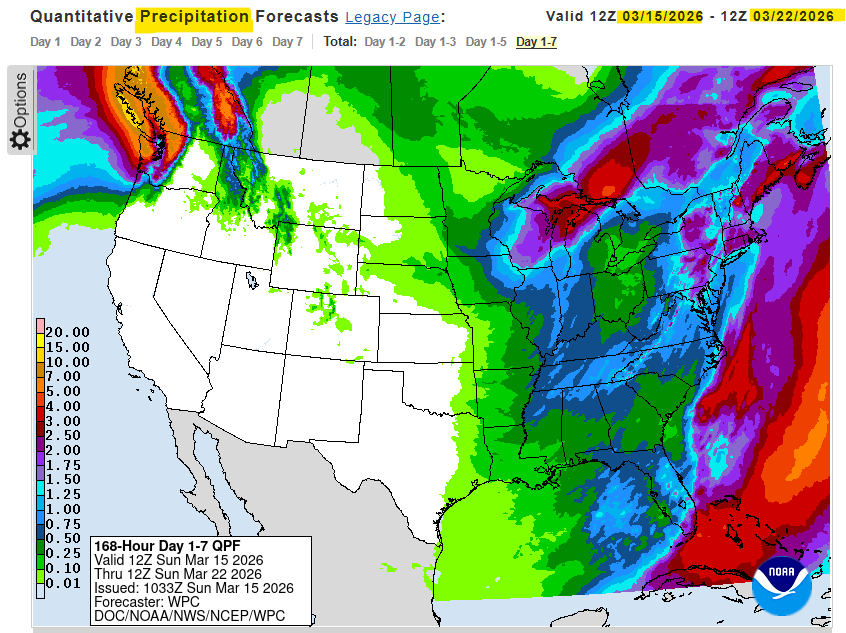
From: https://www.wpc.ncep.noaa.gov/#
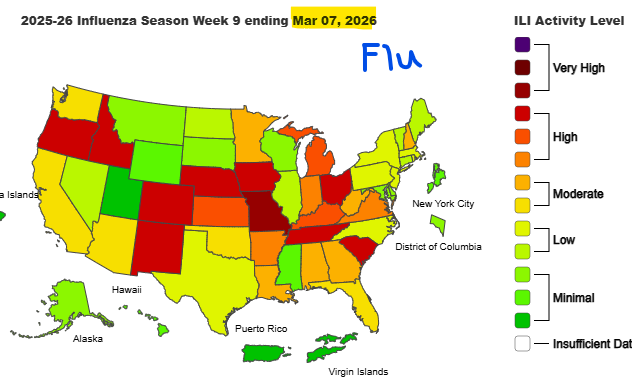
The flu season is finally starting to wind down after a fairly long plateau. Most cases are from Influenza B at this time. Children younger than 18 years have had the second highest hospitalization rate for that age group since the 2010-2011 season.
COVID in wastewater is more moderate now, as the long winter wave starts to resolve. The midwest and northeast are still most affected.
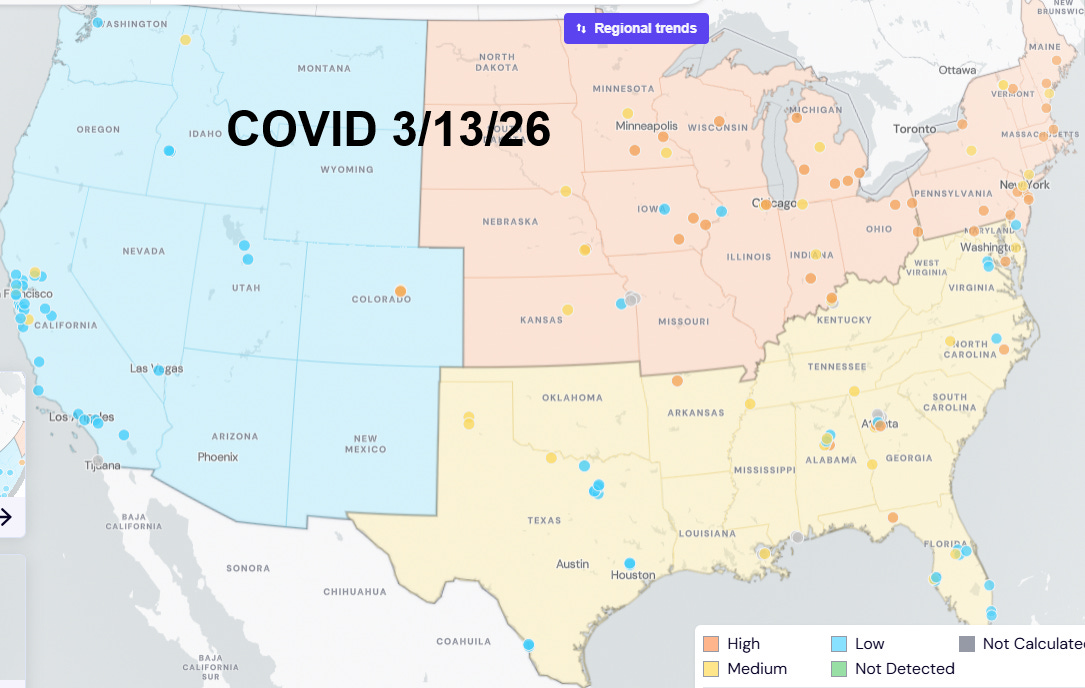
From: https://data.wastewaterscan.org/
Using medical records from more than 76 million adults, University of Virginia researchers show that “severe COVID-19 is associated with an increased subsequent lung cancer risk” in humans. Across several mouse models, the group also showed that prior viral pneumonia from COVID or influenza can turn on genes leading to a pro-cancer lung environment. However, blocking CXCR2 which recruits neutrophils plus PD-L1 blockade medications in mice enhanced T cell function and suppressed post-viral tumor growth.
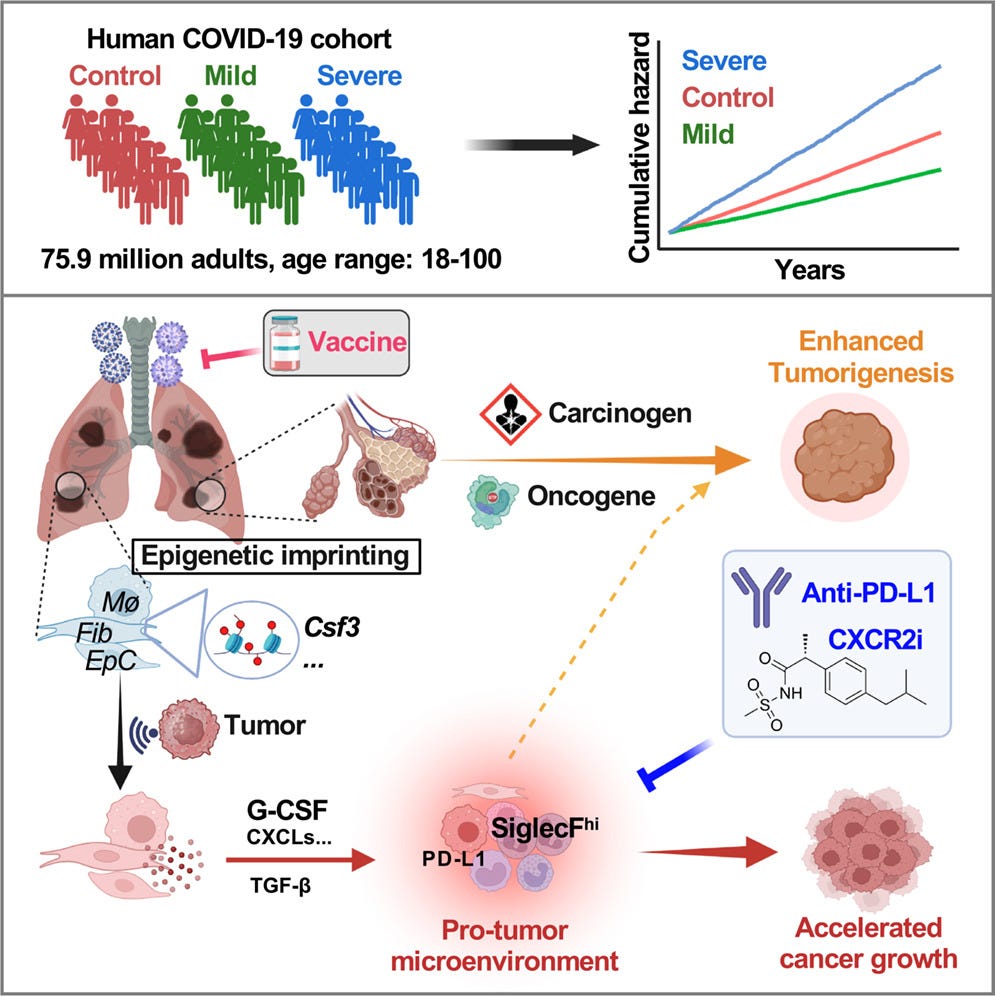
From: https://www.cell.com/cell/abstract/S0092-8674(26)00220-5
Duke and Fred Hutchinson researchers followed 259 adults recovering from COVID infection and found that people who cleared SARS-CoV-2 within 21 days mounted a more coordinated immune response: their antibodies, T cells, and immune effector functions all worked together as a system. Longer viral shedding was linked to a less synchronized defense, which suggests immune coordination may help determine how long viral material lingers after infection.
The Sick Times featured an article on how many Long COVID clinics, including the University of North Carolina clinic, are closing and are leaving thousands of complex patients without specialized care.
Today, March 15, is Long COVID Awareness Day and tonight, landmarks from around the world will be lit up teal to bring attention to Long COVID. It has been 6 years since the beginning of the COVID pandemic.

From: https://www.longcfoundation.org/lit-for-long-covid
This week RTHM and the Patient-Led Research Collaborative released their new Long COVID Treatment Guide with helpful information on medications, supplements and OTC drugs, lifestyle strategies like pacing, and procedures such as the Stellate Ganglion Block to help treat Long COVID symptoms.
In a small proof-of-concept study, UCSF tested AER002, a monoclonal antibody (mAb) against SARS-CoV-2, in 36 Long COVID patients randomized 2:1 to treatment versus placebo. The drug was safe and well-tolerated, but showed no significant improvement over placebo in physical health, quality of life, cognition, or biomarkers at 90 days. A post-hoc signal did emerge showing that participants with lower baseline SARS-CoV-2 antibodies and higher drug exposure were more likely to report improvement. The trial suggests that clearing lingering SARS-2 virus may require different approaches such as using multiple doses of mAbs, the use of different mAbs, or combination therapy with several antivirals may be key. Another study by Dr. Nancy Klimas, using one dose of a mAb Sipavibart, with the possibility of a second dose 6 months later, has started enrollment. It will be very interesting to see those results, although I believe that controlling SARS-CoV-2 viral persistence in Long COVID may require longer courses of combination antivirals, similar to the multidrug regimens used to treat HIV.
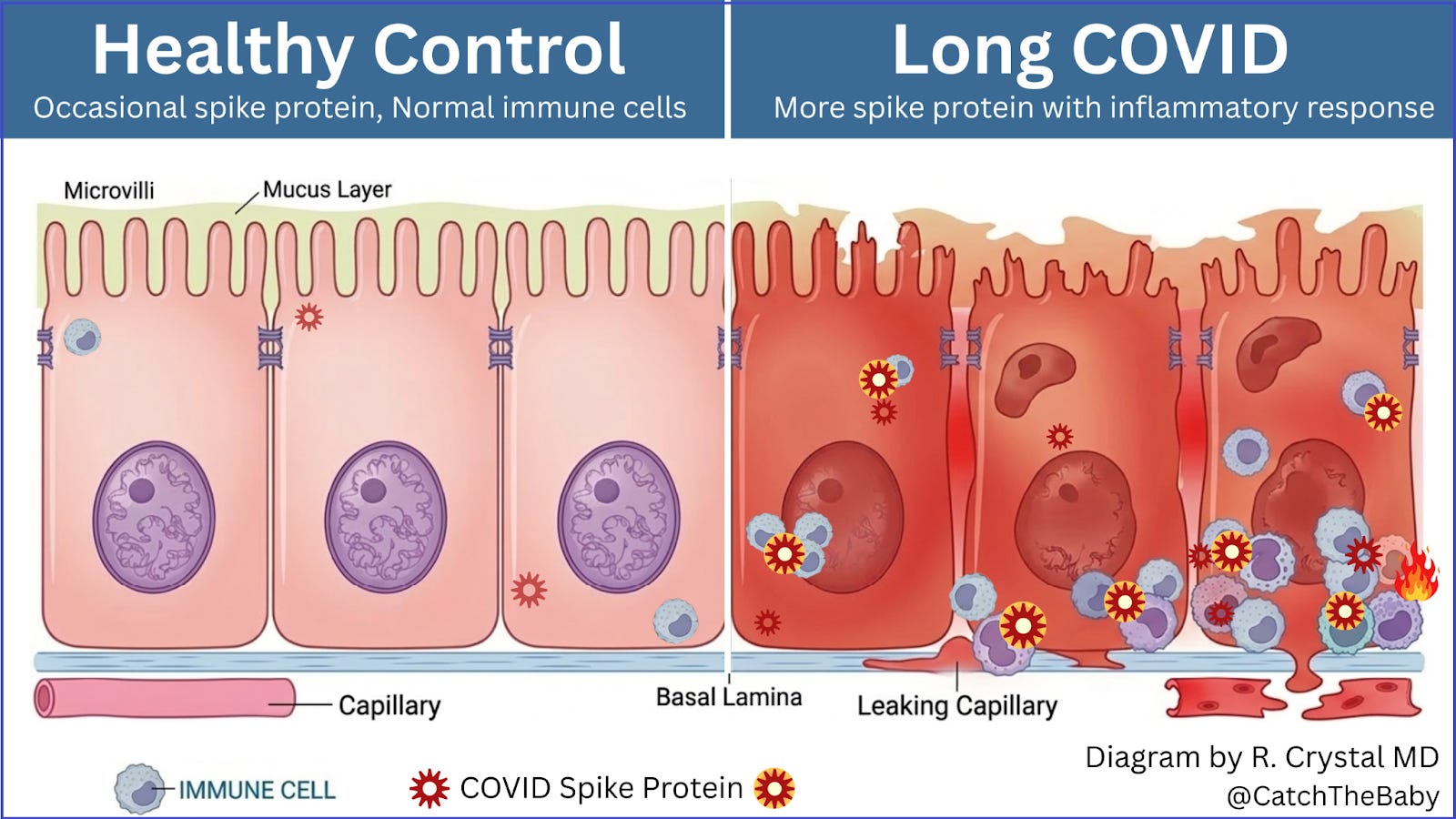
A preprint from the J. Craig Venter Institute and Mount Sinai found SARS-CoV-2 spike protein persisting in gut tissue of both Long COVID patients and healthy controls, but with a key difference: in Long COVID patients, more spike protein was noted and the spike-positive areas showed abnormal immune cell accumulation and overactive inflammation, while the same areas around spike protein in the tissues of healthy controls were immunologically quiet (inert). The findings support viral persistence as a driver of Long COVID and suggest that treatments targeting residual spike protein in tissues may be essential.
When China lifted its zero-COVID policy in late 2022, virtually the entire population was infected with Omicron simultaneously, creating a rare natural experiment. Shandong University researchers analyzed immune cell data from 40,537 patients and found that CD8 T cells remained 10% below pre-COVID baseline at 20 months, while patients with cardiovascular disease fared far worse, with T lymphocytes still 73% below baseline at 20 months. The authors concluded that their findings “redefine SARS-CoV-2 infection as a condition of long-lasting immune compromise.“
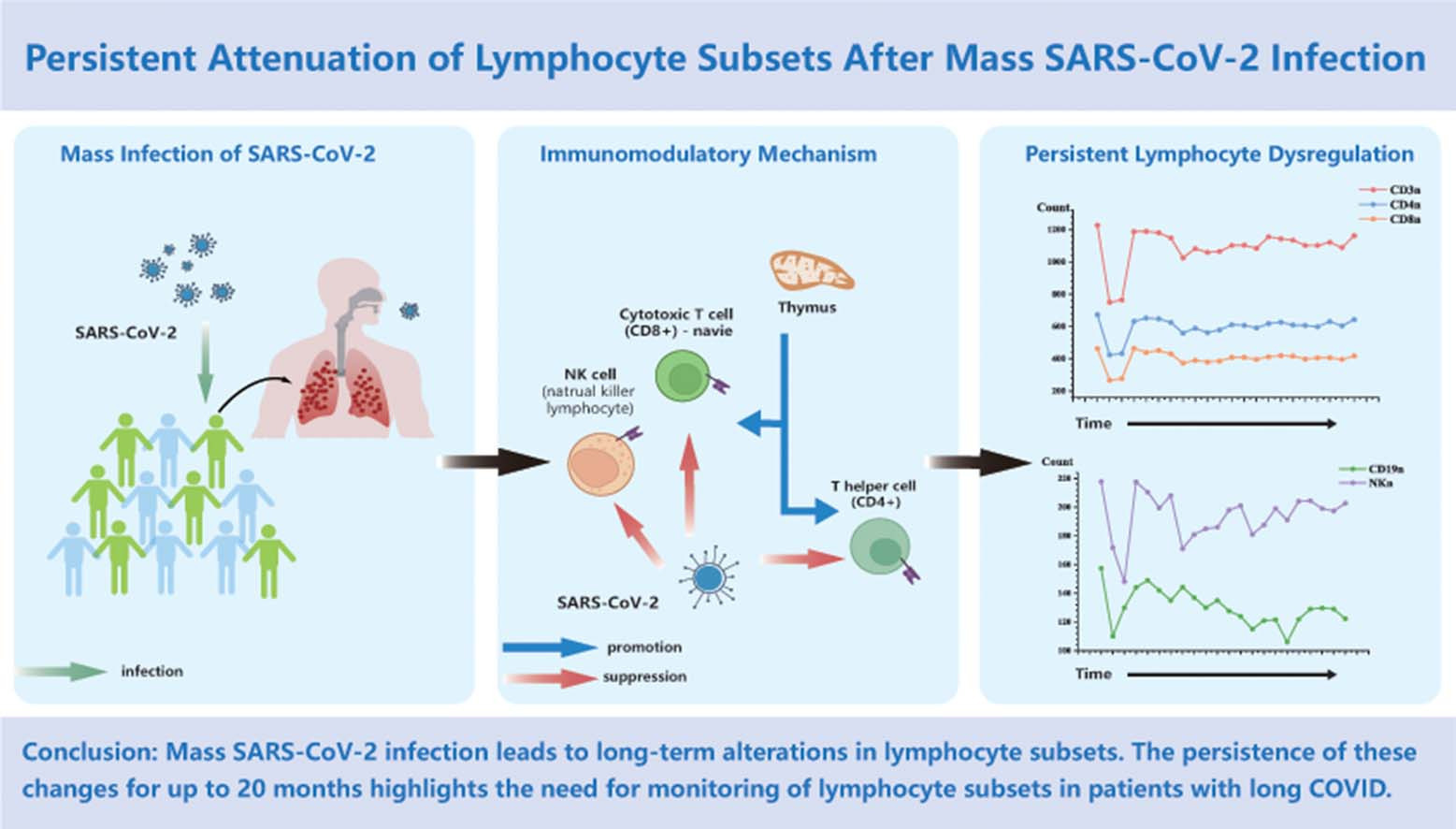
From: https://www.sciencedirect.com/science/article/pii/S1201971225005090#fig0006
Researchers at the Medical University of Innsbruck retrospectively examined 840 Long COVID patients and found two overlapping problems: microclots (microaggregates) large enough to block small blood vessels in 40% of patients, and the reactivation of Epstein-Barr virus (EBV). Chart review showed that platelet-inhibiting drugs (blood thinners) produced clinical improvement in a large number of patients and that outcomes were even better when EBV was simultaneously treated with antivirals like valacyclovir.
A University of Alberta review found that Long COVID patients have significantly lower plasma taurine levels than fully recovered individuals. Taurine, an amino acid with anti-inflammatory and antioxidant properties, is naturally elevated during COVID recovery. In other medical conditions with symptoms that overlap with Long COVID, taurine improved blood sugar, lipid profiles, blood pressure, and exercise capacity, though it had no effect on cognition. A daily dose of 3,000 mg appears optimal, though caution should be used since taurine may interact with antidepressants, antiseizure drugs, blood thinners, and statins. Taurine has not yet been tested in Long COVID patients- this review extrapolates possible benefits from other diseases with similar symptoms.
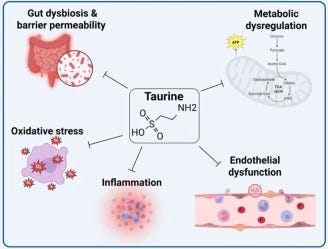
From: https://link.springer.com/article/10.1186/s12879-026-13009-y
The University of Pittsburgh and collaborators used ultra high resolution 7T MRI to scan 179 adults across four US and UK medical centers, comparing 52 who had been hospitalized for severe COVID against 127 who had not. Previously hospitalized COVID patients showed smaller hippocampal volumes, lower plasma GFAP levels, and worse scores on memory and cognitive tests 19 months after discharge. White matter lesion burden was similar between the two groups, but in hospitalized patients those lesions correlated more strongly with poor cognition and elevated tau and amyloid biomarkers. The findings point to long lasting, measurable brain changes in people who had severe COVID infection.
Analyzing EHR data from 650,173 COVID-19 cases from U.S. military treatment facilities, researchers found that 42.8% (278,278 service members) developed post-COVID-19 syndrome. The most common symptoms were pulmonary (22.4%), neurological (14.6%), and fatigue (13.5%). Notably, cognitive symptoms affected only 3.7% of patients but persisted the longest of any symptom, raising particular concern for military readiness. Females, warrant officers, and Air Force personnel were disproportionately affected, and comorbidities such as obesity and anxiety significantly increased symptom odds.
A CDC analysis found about 6.6% of adults have Long COVID across 48 states, with higher rates in states that had more infections, more severe illness, and more chronic disease. States with higher COVID vaccination rates had lower Long COVID prevalence, suggesting vaccines can reduce population-level risk.
As of March 12, 2026, 1,362 confirmed measles cases were reported in the United States in 2026, with 5% (65 of 1362 cases) reported as hospitalized per the CDC.
As of March 13, 2026, the South Carolina Department of Public Health is reporting 996 cases of measles centered around Spartanburg County, SC.
As of March 10, 405 Utahns have been diagnosed with measles in this outbreak, with 98 of those cases reported in the last 3 weeks.
In Minnesota, increased ICE presence has led many undocumented immigrants to avoid going to hospitals and clinics for medical care out of fear of detention. In response, volunteer physicians, nurses, and community groups have organized informal networks to provide medical care through home visits, underground clinics, and trusted community sites. Similar underground clinics were organized in Los Angeles where a community health organization made home medical visits to roughly 2,000 immigrant families after appointment cancellations exceeded 30%.
An Illinois judge blocked the Trump administration from rescinding $600 million in public health funds from California, Colorado, Illinois, and Minnesota.

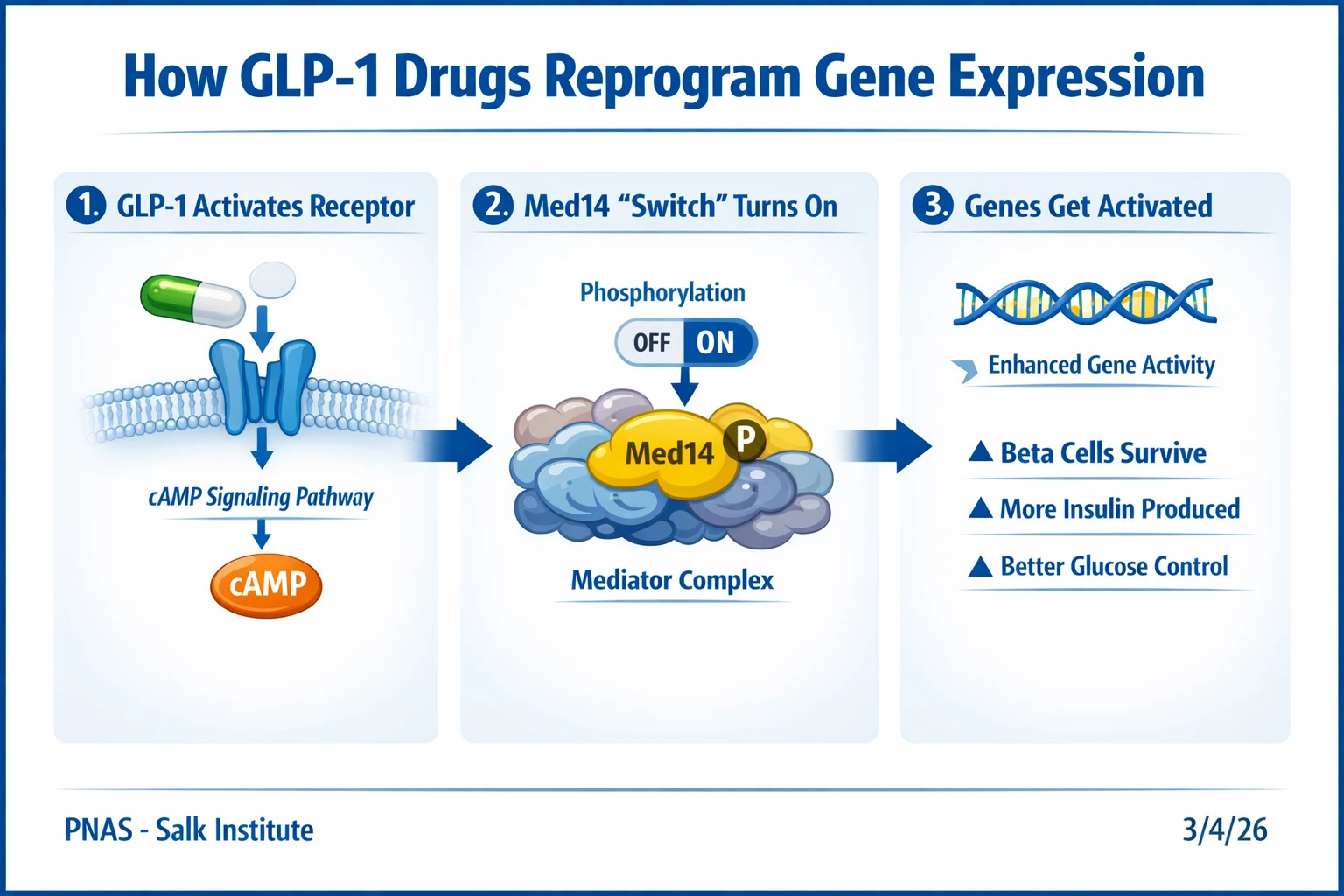
How do GLP-1 drugs work? Researchers at the Salk Institute in La Jolla, California used mouse pancreatic islets and beta cell models to investigate how GLP-1 receptor agonists alter gene expression. They discovered that GLP-1 drugs activate the phosphorylation of the Med14 protein in pancreatic beta cells, activating gene programs that help the cells to survive longer, produce insulin, and better handle stress.
A new study shows that almost all adults over age 40 have some sort of rotator cuff abnormality on MRI. In a population-based study of 602 Finnish adults (ages 41 to 76) who underwent bilateral shoulder MRI, 98.7% had at least one rotator cuff abnormality: 25% tendinopathy, 62% partial-thickness tears, and 11% full-thickness tears. Critically, rotator cuff abnormalities were present in 96% of asymptomatic shoulders and 98% of symptomatic shoulders, with no significant difference after adjusting for relevant confounders. The authors concluded that these findings represent normal age-related changes rather than disease, and that routine MRI imaging should not guide diagnosis or treatment of atraumatic shoulder pain.
Antibiotic effects on the gut microbiome last longer than most people realize. A new study from Sweden of 14,979 adults shows that oral clindamycin, fluoroquinolones, and flucloxacillin altered 10-15% of gut bacterial species for up to 8 years after use. Penicillins and nitrofurantoin had a more limited impact.
With over 10,000 Americans on liver transplant waitlists and many too sick for surgery, MIT engineers developed an injectable alternative: liver cells (hepatocytes) mixed with hydrogel microspheres that self-assemble into “mini livers” inside the body and connect to nearby blood vessels. In mice, the cells remained viable and secreted key liver enzymes and proteins into the blood for eight weeks after injection. Immunosuppression is still required, but researchers are working toward a solution.
AI assistant bots are everywhere. But did you know that the Chipotle bot can help you with coding? Here is what happened when someone asked the Chipotle bot about python script:

Have a good week,
Ruth Ann Crystal MD





.jpg)
No comments:
Post a Comment