Also, after Dr. Ruth's sign-off, continue to scroll down at the link for lots more notes, charts, graphs, and references!
----------------------------------------------------------------
COVID, Flu & Health News, 3/1/26
By Ruth Ann Crystal MD, Mar 02, 2026
Regarding winter respiratory illnesses:
Flu A has decreased, but Flu B is increasing in most parts of the country.
RSV is HIGH in wastewater across most of the nation and is causing emergency department visits and hospitalizations for infants and children 4 years and younger.
COVID is decreasing nationally, but remains elevated in some parts of the midwest and northeast.
Regional wastewater levels for COVID, RSV, Flu A, Flu B on 2/27/26:
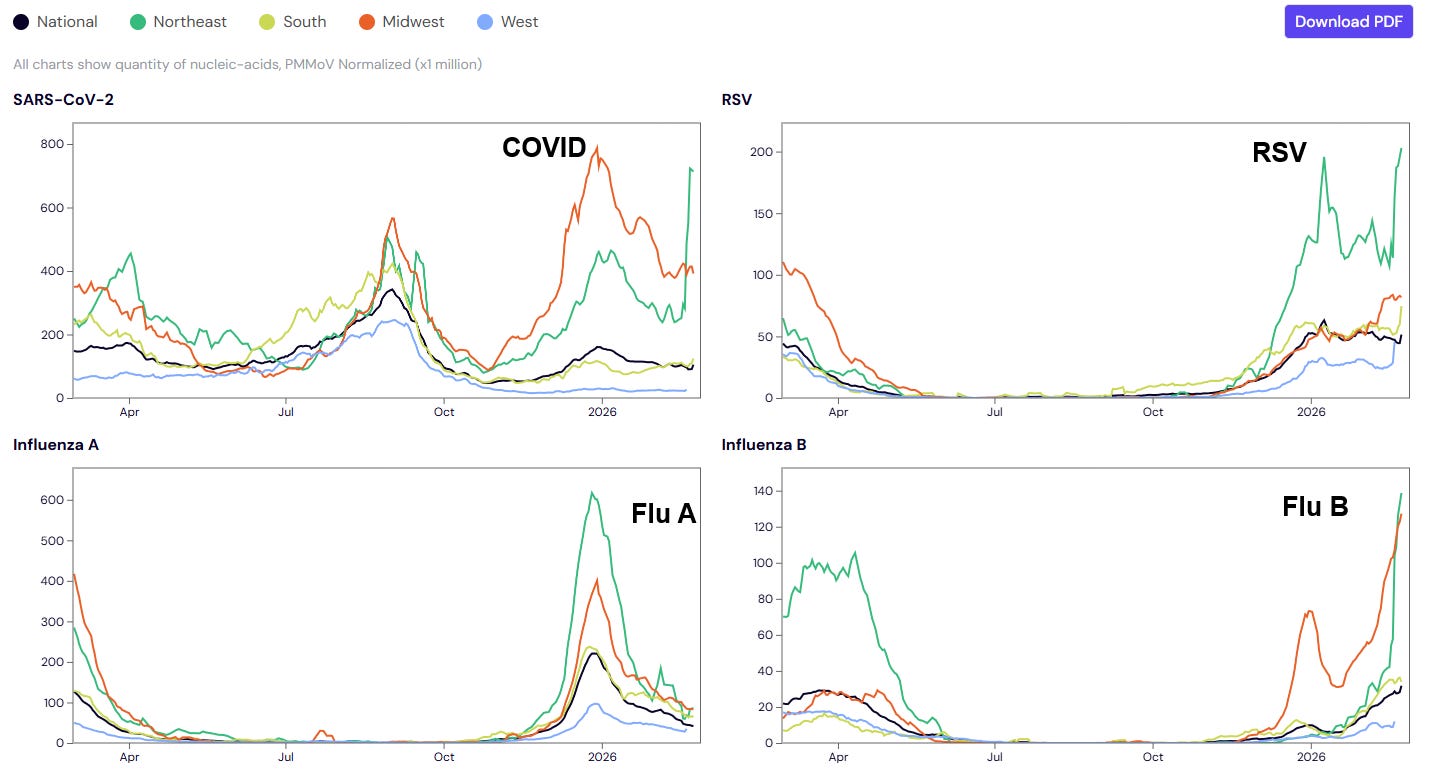
Influenza A is declining, while influenza B is increasing across most regions. Children as a group have HIGH Flu severity at this point in the season, with adult and older adult age groups classified as having moderate Flu severity.
There were 8 more pediatric influenza deaths reported this week, bringing the 2025 to 2026 season total to 79. About 90% of children’s flu deaths occurred in kids who were not fully vaccinated.
Influenza-like illness Outpatient Visits through 2/21/26:
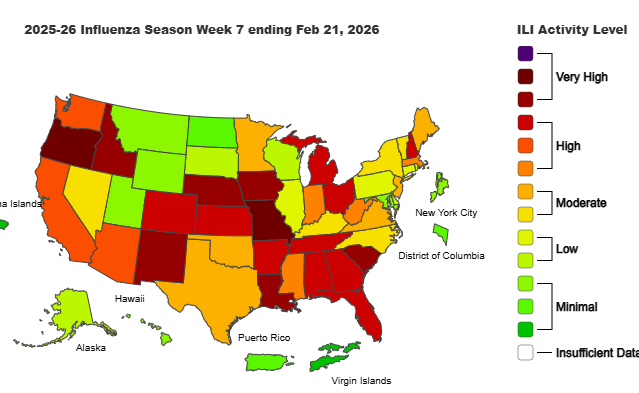
In California, Influenza test positivity is high, but hospital admission rates are currently low.
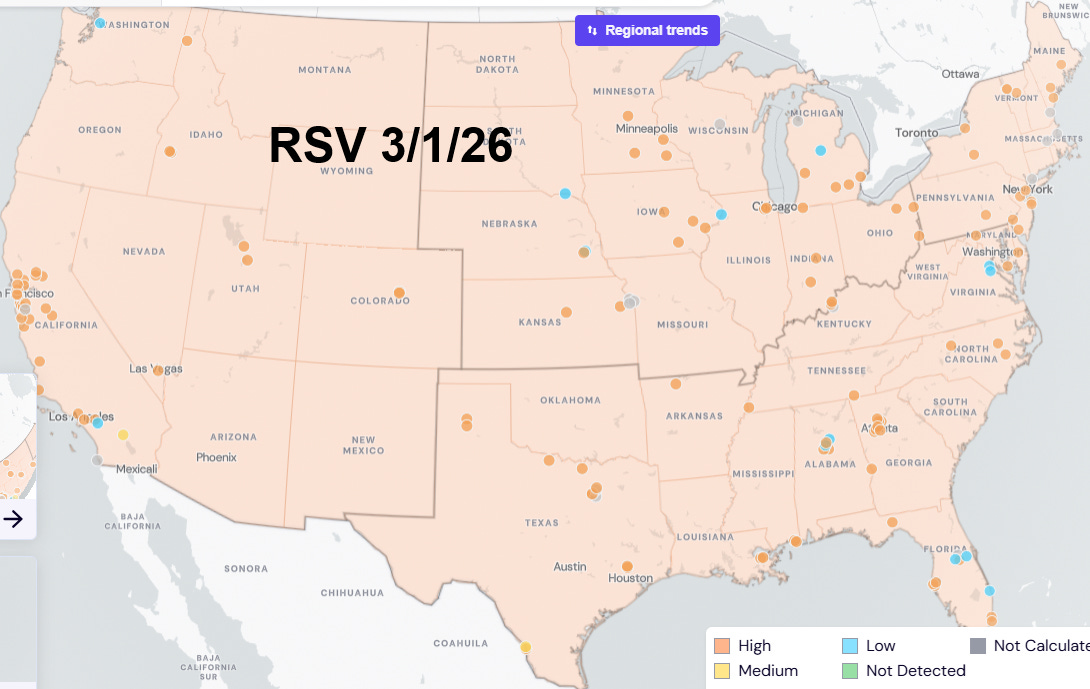
RSV is HIGH in wastewater across most of the nation causing significant emergency department visits and hospitalizations for infants and children 4 years and younger.
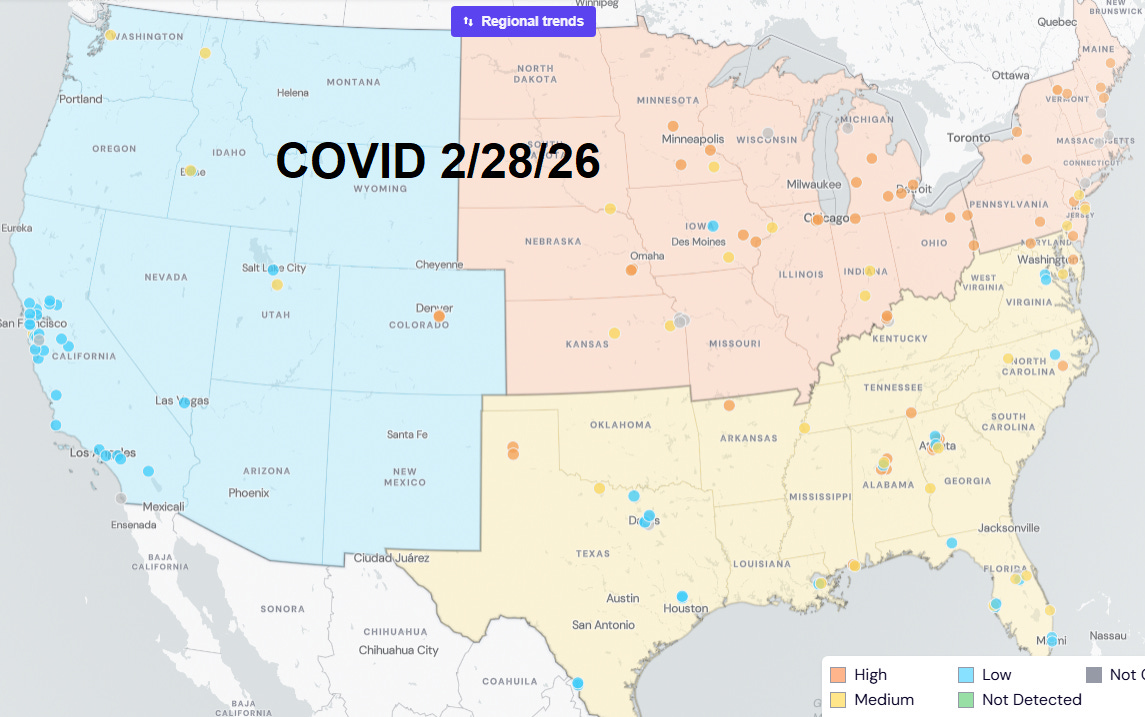
As of 2/28/26, WastewaterSCAN reports HIGH levels of COVID especially in the Midwest and Northeast, although some places are starting to decline. COVID levels in wastewater are LOW in California.
As of a week earlier on 2/21/26, the CDC reported VERY HIGH levels of COVID in wastewater in Illinois, Mississippi, South Dakota and West Virginia.
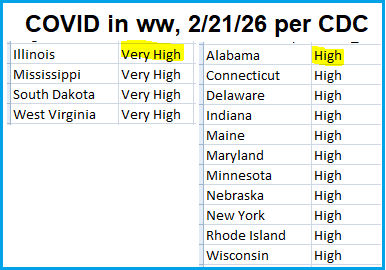
From: https://www.cdc.gov/nwss/rv/COVID19-national-data.html
According to the CDC data through 2/24/26, COVID levels are trending upwards in Maryland and South Carolina, with increases probably starting in Kentucky, Virginia, North Carolina and Georgia as well.
At this time, there are no new COVID variants of note with the exception of BA.3.2 which has not gained momentum.
Extracellular Vesicles
Almost all cells release extracellular vesicles that carry proteins, lipids, and nucleic acids to communicate with other cells. In a study from Italy, researchers found that extracellular vesicles marked by CD169 and HLA-DR were elevated during acute SARS-CoV-2 infection (n = 48) and remained high in people with Long COVID (n = 25). These persistent signals suggest ongoing immune activation and position extracellular vesicles as potential biomarkers of disease severity and long term sequelae.
In a U.S. trial of 103 patients hospitalized with severe COVID respiratory failure, stem cell-derived extracellular vesicles from bone marrow mesenchymal stem cells (BM-MSCs) were tested for safety. Stem cell extracellular vesicle therapy was safe and well tolerated, with signals suggesting potential clinical improvement that will be tested in larger studies.
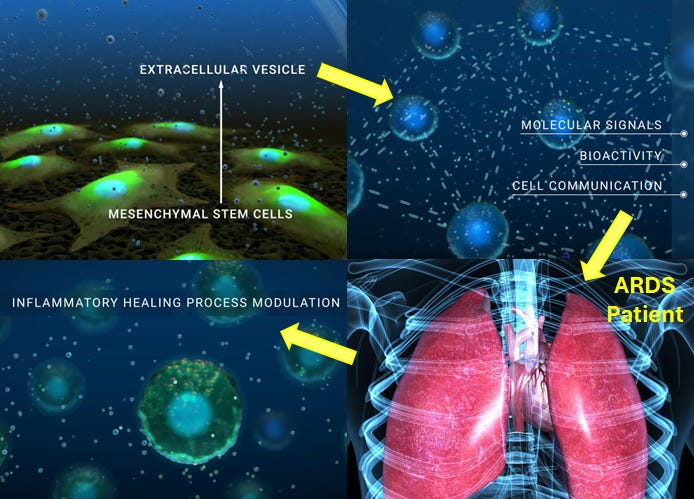
From: https://www.researchsquare.com/article/rs-8890163/v1
In a large U.S. real-world study including over 3 million adults at Penn State, researchers found that COVID infection significantly increased risks of kidney disease with 2.3x acute kidney injury, 1.4x chronic kidney disease, and 4.7x more end-stage renal disease compared with influenza. The findings suggest kidney monitoring after COVID infection may be important even in working-age adults.
Patients with both severe and non-severe COVID infections are at higher risk for both new-onset obstructive sleep apnea (OSA) for up to 4.5 years. “The association between non-hospitalized COVID-19 patients and new-onset OSA was stronger in women than in men, Hispanic versus non-Hispanic patients, and those with major underlying illnesses. Vaccinated and unvaccinated hospitalized and nonhospitalized patients were at similar risk for new-onset OSA.”
A pilot quality improvement study tested multilevel mitigation strategies with a COVID-19 risk-reduction toolkit for adults with cancer. The toolkit was found to be practical and acceptable for this vulnerable group.
In a prospective trial in China, pregnant individuals infected with SARS-CoV-2 in the first trimester of pregnancy were found to have a higher risk of birth defects (9.2%) compared to uninfected people (4.7%). Heart defects were seen most commonly. The findings underscore the importance of infection prevention during early pregnancy.
Two new articles show that children may have long term subtle heart effects after COVID. An Italian study of 67 children who had COVID and recovered showed that some kids had subclinical cardiac dysfunction and impaired regulatory T-cell (Treg) immune responses months later, even if their initial COVID infection was mild or asymptomatic. The findings highlight that silent heart effects and immune dysregulation may be under-recognized sequelae in pediatric post-COVID populations.
A systematic review evaluated cardiovascular outcomes from 19 studies comprising a total of 4,778 children with MIS-C after COVID infection. Most children showed improvement over time, but a subset had persistent cardiac abnormalities lasting up to 24 months seen on advanced scans. The review highlights the need for ongoing cardiac follow-up after MIS-C.
A meta-analysis of 19 studies found that outpatients treated with nirmatrelvir/ritonavir (Paxlovid) had a 15% lower risk of Long COVID. Benefits were seen for heart, lung, brain, and metabolic symptoms, though not all symptom types were reduced. Other studies have shown that Metformin taken during COVID infection decreases SARS-CoV-2 viral load and also reduces Long COVID by 40 to 60%.
New research suggests SARS-CoV-2 may persist in the gastrointestinal tract long after acute COVID and that this persistent viral presence is associated with chronic inflammation and gut microbiota imbalance, which may contribute to Long COVID symptoms. A new review highlights how disrupted gut microbial composition can weaken antiviral defenses and promote ongoing tissue inflammation. It also discusses links between persistent gut infection and conditions like irritable bowel syndrome and inflammatory bowel disease as potential Long COVID features.
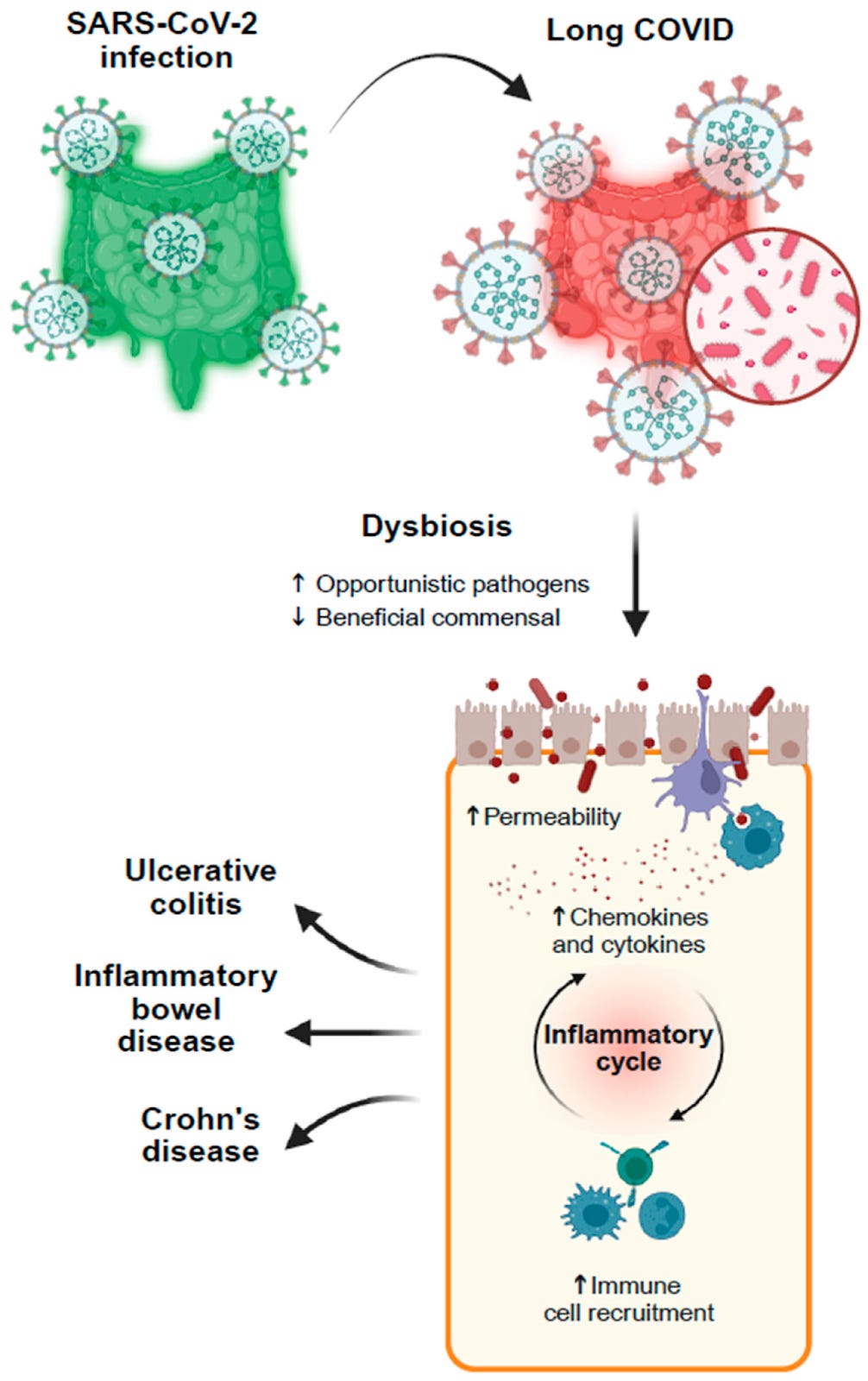
From: http://mdpi.com/1999-4915/18/2/247
In a study of 949 healthy blood donors (pre-pandemic and pandemic-era) and 212 patients hospitalized for severe COVID-19, IL-32 was elevated and remained high for at least a year in both severe COVID cases and also across the general population. Elevated IL-32 levels paralleled an increase in antibodies against SARS-CoV-2 even in people who felt healthy. In hospitalized patients, persistent IL-32 elevation did not correlate with IL-6, ICU admission, or mortality, but instead tracked with clinical signs of hyperinflammation such as steroid use. Persistent IL-32 elevation was also seen in people with Long COVID symptoms. SARS-CoV-2 may leave a lasting population imprint through a low grade inflammatory state marked by elevated IL-32.
This week, the Boston Globe featured an article on 28 year-old Samantha Crausman who has been largely bedbound for 4 years after COVID left her with severe Long COVID and ME/CFS. Her physician father and nurse mother search for answers while detailing the daily toll of chronic symptoms and uncertainty. The article also underscored the need for research, validation, and sustained clinical support for Long COVID patients.
As someone with a daughter who also has Long COVID, ME/CFS-type, I unfortunately know too well the personal and medical challenges families face when navigating a condition with limited treatment options. Part of the reason why I summarize the latest research articles on COVID and Long COVID each week is that I hope that the information may trigger new ideas for treatments from readers.
The RECOVER-TLC trial will be testing 4 treatments for Long COVID: GLP-1 RAs, LDN, Baricitinib, and Stellate Ganglion Block (SGB). Please submit any feedback that you may have regarding the SGB protocol for Long COVID here.
The NIH has also launched a randomized clinical trial called RECOVER-AUTONOMIC which will test treatments for postural orthostatic tachycardia syndrome (POTS) in people with Long COVID and will include trials of IVIG, Ivabradine and coordinated care.
Jon Douglas recently shared two places to find research articles on COVID and Long COVID:
LitCOVID from the NIH
his own Long COVID article aggregator: https://github.com/JonDouglas/lc-research.
Why do post-COVID (Long COVID) patients often have neurological symptoms such as brain fog, fatigue and mood changes, while respiratory complications are more common after Influenza? A new Tulane study in mice shows that while both SARS-CoV-2 and influenza can leave lasting lung damage, SARS-CoV-2 can lead to persistent brain inflammation and small blood vessel injury in the nervous system, even long after the virus was no longer detectable.
Using human induced pluripotent stem cell-derived (iPSC) neural models, researchers from Bangkok found that SARS-CoV-2 preferentially infected astrocytes rather than neurons. Astrocytes expressing viral entry factors, including CD147 (BSG gene), showed the highest susceptibility to infection. These findings help explain how SARS-CoV-2 may contribute to neurological symptoms through selective disruption of brain support cells.
A new review explores how SARS-CoV-2 infection may disrupt Golgi apparatus structure, leading to Golgi fragmentation in cells. The authors propose that this may contribute to neurodegenerative pathways similar to those seen in Alzheimer’s disease. The paper offers a detailed mechanistic hypothesis linking viral infection, cellular stress, and long-term neurological risk.
In a single-patient case report from the Dysautonomia Clinic, a person with treatment-refractory POTS for 8 years experienced marked symptom improvement after starting semaglutide, a GLP-1 receptor agonist typically used for diabetes and weight management. The authors describe autonomic symptom relief and improved daily function with semaglutide, though mechanisms remain unclear and may relate to metabolic or neurovascular effects of GLP-1 modulation. This observation is preliminary and hypothesis-generating, highlighting the need for controlled studies to assess semaglutide’s role in POTS.
“The H5N1 bird flu virus that devastated South American elephant seal populations has been confirmed in seals at California’s Año Nuevo State Park, researchers from UC Davis and UC Santa Cruz announced Wednesday.”
As of February 26, 2026, 1,136 confirmed measles cases were reported in the United States in 2026. A total of 6 measles cases were reported among international visitors to the United States and the rest were from outbreaks.
As of Feb. 27, 2026, the South Carolina Department of Public Health is reporting a total of 985 cases of measles centered around Spartanburg County.
As of Feb 24, 2026, the Utah Department of Public Health reports that 319 Utahns have been diagnosed with measles in this outbreak, with 62 cases reported to public health in the last 3 weeks.
US Measles cases in the last 2 weeks (Feb 6 to Feb 20, 2026):
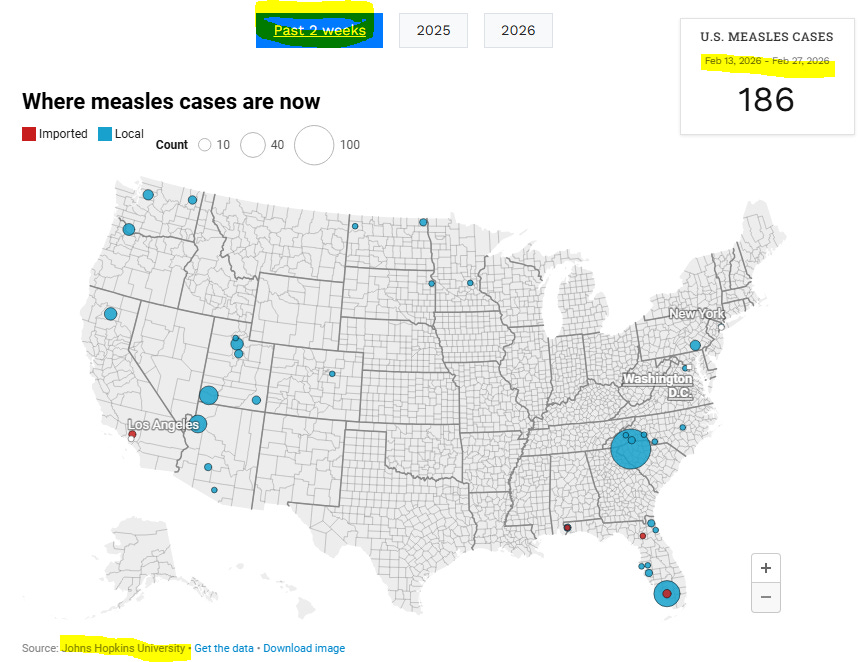
From: https://publichealth.jhu.edu/ivac/resources/us-measles-tracker
“A new non–peer-reviewed study estimates that measles outbreaks in the United States cost more than $244 million in 2025 alone and warns that even modest declines in childhood measles, mumps, and rubella (MMR) vaccination could trigger billions of dollars in additional losses over the next five years. MMR vaccine coverage among US kindergarteners has fallen steadily since the 2019–20 school year, alongside a national resurgence of measles.” If measles vaccination rates continue to drop just 1% annually for the next five years, the cost to the United States could reach $1.5 billion a year, according to the Yale School of Public Health.
Autoimmune diseases are known to be associated with specific HLA II genotypes- Celiac disease (HLA-DQ2/DQ8), Rheumatoid Arthritis (HLA-DRB1), Type I diabetes (HLA-DQB1*03:02 (DQ8)), and others. In a new study, UCSF researchers analyzed autoantibody profiles in 741 healthy individuals and found that autoantibody repertoires varied according to HLA class II genotype. In fact, they found that autoantibody panels in the blood of healthy people could predict their HLA type with at least 90% accuracy.
In a study involving 822,438 participants, researchers at the University of Bonn showed that tiny traces of Epstein–Barr virus DNA detectable in blood genomic data reflect differences in viral load. Host genetic factors, particularly HLA variants, strongly influenced lifelong viral control. These genetic patterns were also linked to increased risk of Multiple Sclerosis, Rheumatoid Arthritis, and Type I Diabetes.
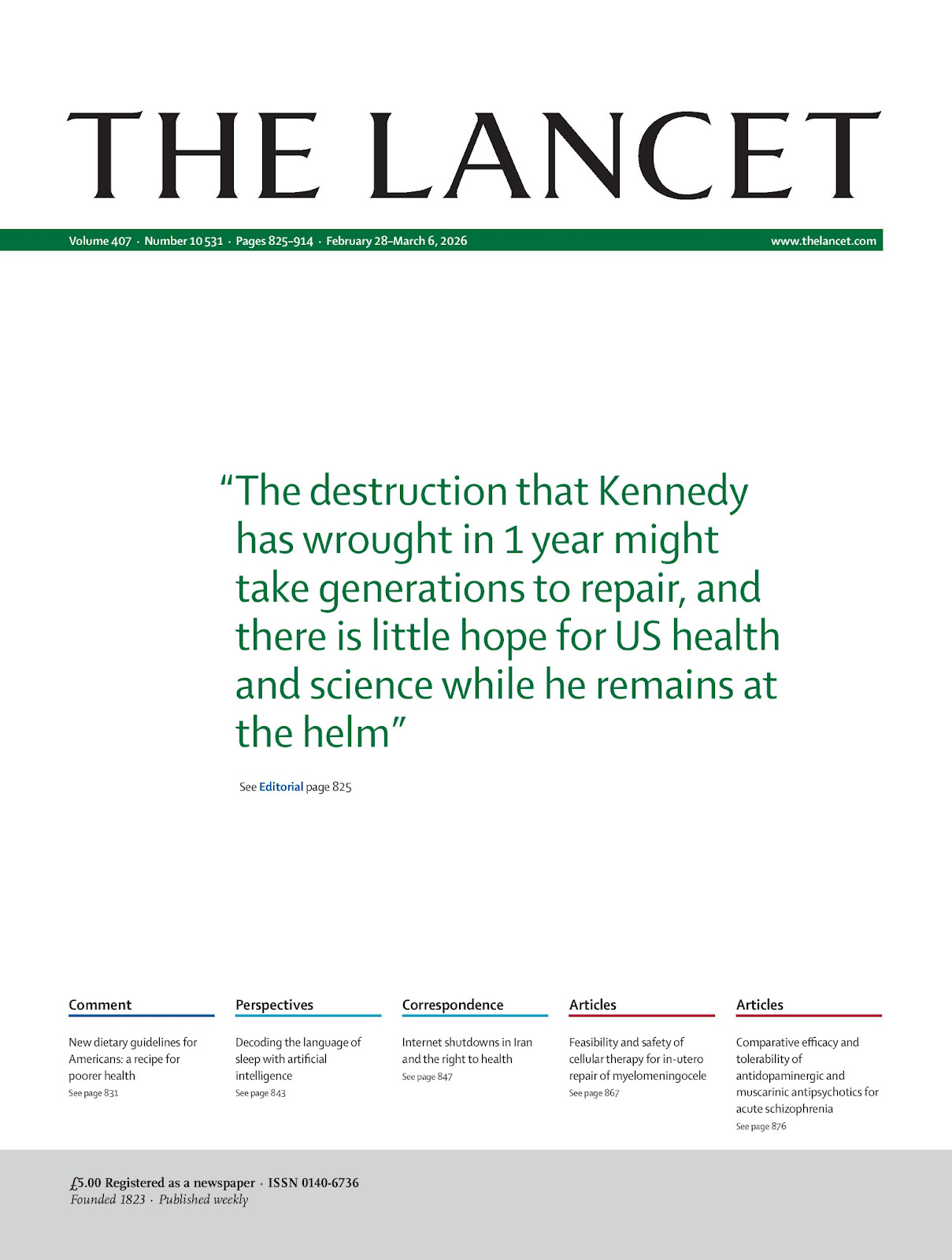
This week, the Lancet featured this quote on its front cover:
“The destruction that Kennedy has wrought in 1 year might take generations to repair, and there is little hope for US health and science while he remains at the helm.”
and featured an article entitled Robert F Kennedy Jr: 1 year of failure.
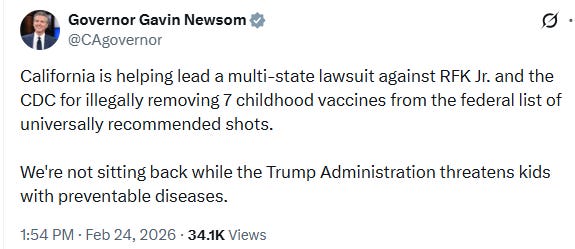
From: 2/24/26 https://x.com/CAgovernor/status/2026415448091394165
Here are some more headlines from this week:
NY Times: 15 States Sue the Trump Administration Over Vaccine Schedule Revisions
Trump administration to withhold $259M in Minnesota Medicaid funds, citing fraud
Cervical cancer rates higher in states with low HPV vaccination rates
Guinea-Bissau officials stop ethically flawed CDC-funded Hepatitis B vaccine trial
ACOG Withdraws From ACIP, Citing Scientific Integrity Concerns
A nasal spray that works against diverse respiratory threats
Giving mice a nasal spray vaccination with 3 liposomal adjuvants- TLR4, TLR7/8, and ovalbumin- revved up both the innate and adaptive immune systems to protect the mice against a variety of insults including viral infections (SARS-CoV-2, SARS, SCH014 coronavirus), bacteria (Staphylococcus aureus, Acinetobacter baumannii), and allergens. The nasal spray provided broad, durable and non-specific protection in mice for at least 3 months. Congrats to the Pulendran lab at Stanford on this work!
In an open-label pilot study at Johns Hopkins involving 20 adults with post-treatment Lyme disease, two supervised psilocybin sessions were safe and well tolerated. Participants showed sustained improvements in fatigue, pain, sleep, mood, and overall quality of life that lasted up to six months. Although uncontrolled and preliminary, the results suggest psilocybin-assisted therapy may warrant further study for chronic infection-associated syndromes.
Women often experience longer-lasting pain than men and are more likely to have chronic pain. A new study shows that in male mice and humans, androgens signal monocytes to make more IL-10 which then shuts down pain faster in sensory nerves.
For IVF, an embryologist manually searches follicular fluid under the microscope to find eggs. A company called AutoIVF has made a microfluidic device called FIND-Chip that automates the isolation of eggs from follicular fluid in IVF. In a clinical study involving 582 patients from four IVF centers, in >50% of cases, FIND-Chip recovered mature oocytes (eggs) that would have been inadvertently thrown out.
A new study of 460,000 teens in the Kaiser Permanente Health System found that those teenagers who used cannabis were more likely to develop serious mental illnesses such as bipolar disorder, psychosis, depression, and anxiety by their mid-20s, with younger users at especially high risk. The findings suggest that early cannabis use may be more harmful to developing brains than many teens expect.
A study in Nature Medicine evaluated ChatGPT Health, a consumer-facing AI health triage tool that launched to millions of users in January 2026. The AI did reasonably well in moderate cases, but struggled at the extremes. “Among gold-standard emergencies, the system under-triaged 52% of cases, directing patients with diabetic ketoacidosis and impending respiratory failure to 24-48-hour evaluation rather than the emergency department.”
A new AI approach described in Lancet Digital Medicine uses sleep physiology data as a rich source of information to predict future health outcomes, effectively “decoding” sleep patterns to infer disease risk.
In 2019, 9-year-old Kade Lovell was supposed to run a 5K, but a volunteer accidentally sent him onto the 10K course instead. He ran the full 10K (6.2 miles) in 48 minutes and 17 seconds, crossing the finish line first and beating the second-place finisher (a 40-year-old man) by nearly a minute.

From CNN
Have a great week,
Ruth Ann Crystal MD





.jpg)
No comments:
Post a Comment