------------------------------------------
COVID & Health News, 8/3/25
"JP Weiland forecasts that the Summer 2025 COVID wave in America will peak mid-September at about 500,000 to 600,000 cases per day which would be a smaller summer wave than past years.
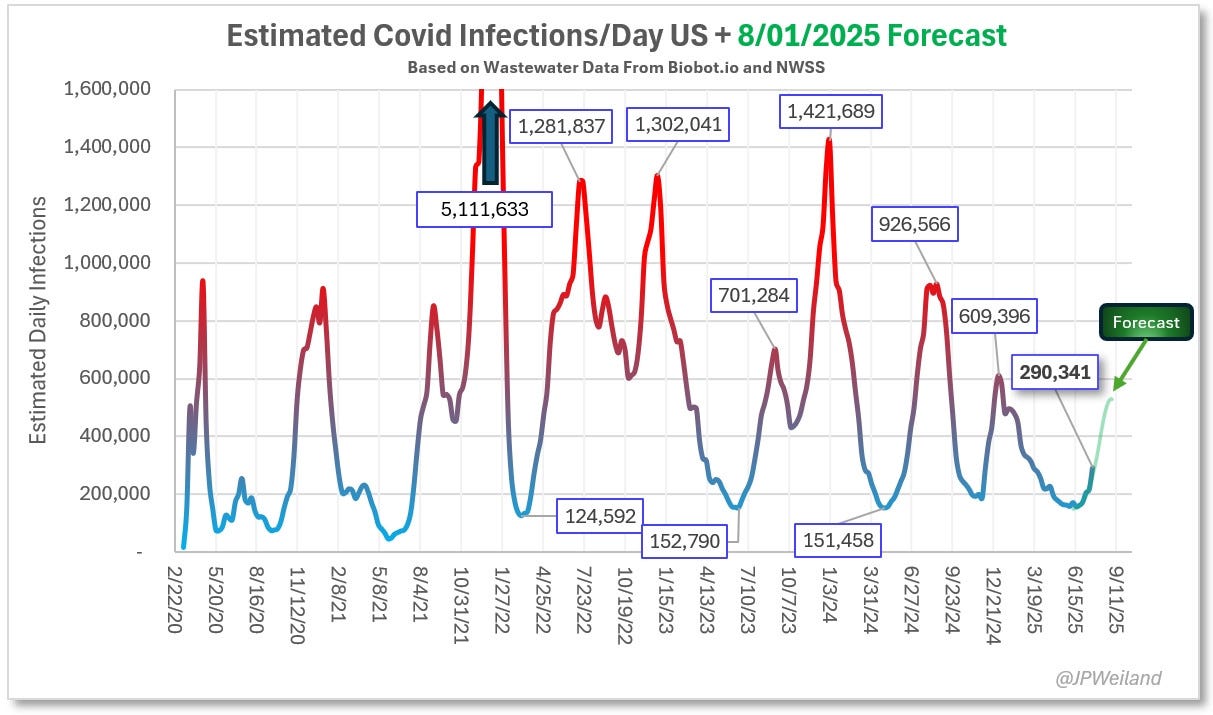
From JP Weiland
"He predicts that right now, there are about 290,000 new COVID cases per day in the United States with about 1 in 280 infectious.
"Mike Hoerger’s calculations are a bit higher. He states that we are already at 406,000 new COVID cases per day and that 1 in 95 people are infectious now across America. Per the CDC, SARS-2 in wastewater is VERY HIGH in Texas, Hawaii, and Alaska. Using the CDC data, Mike Hoerger predicts that in California 1 in 63 people are currently infectious with COVID and in Hawaii 1 in 43 people are currently infected. His PMC19 site updates on Mondays.
"Emergency department visits for children ages 0 to 11 years-old for COVID have increased in the US overall, with very large increases in Florida and Hawaii. ED visits are an early indicator of a COVID wave.
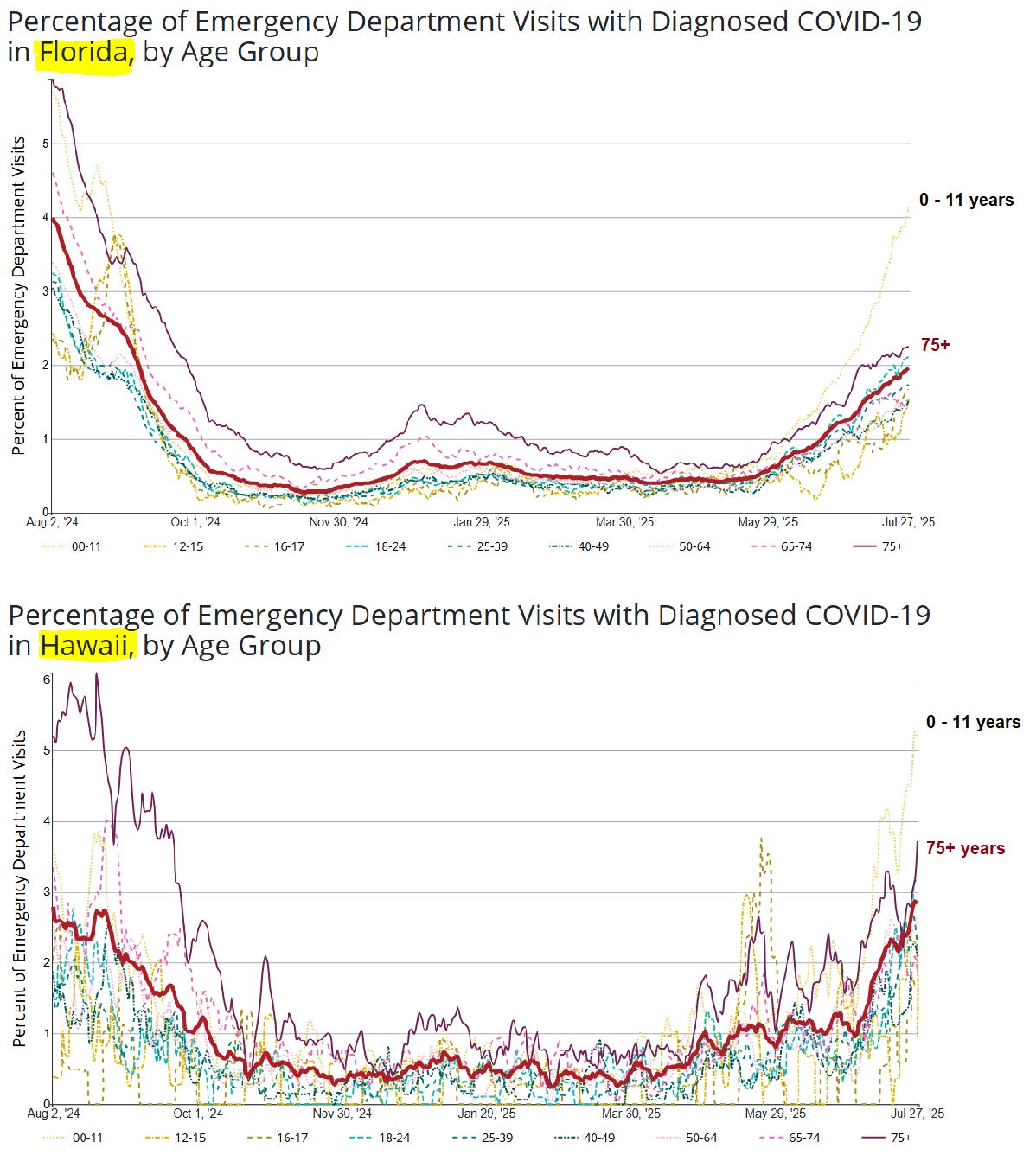
From: https://covid.cdc.gov/covid-data-tracker/#ed-visits_separated_by_age_group
"In California, SARS-CoV-2 in wastewater is highest in Oceanside San Francisco at 418 PMMoV, San Rafael is at 418 PMMoV, Palo Alto at 276 PMMoV, San Jose at 234 PMMoV, and Sacramento is at 217 PMMoV.
"A strange finding is that Palo Alto also has very high levels of Influenza A now that are not H5, H3, or H1 subtypes. I don’t know why that is, but if you live near Palo Alto and are feeling sick, you may want to do a home rapid antigen test for COVID, Flu A and Flu B.
"Palo Alto, CA Influenza A levels in July are at somewhat similar levels to their winter wave:
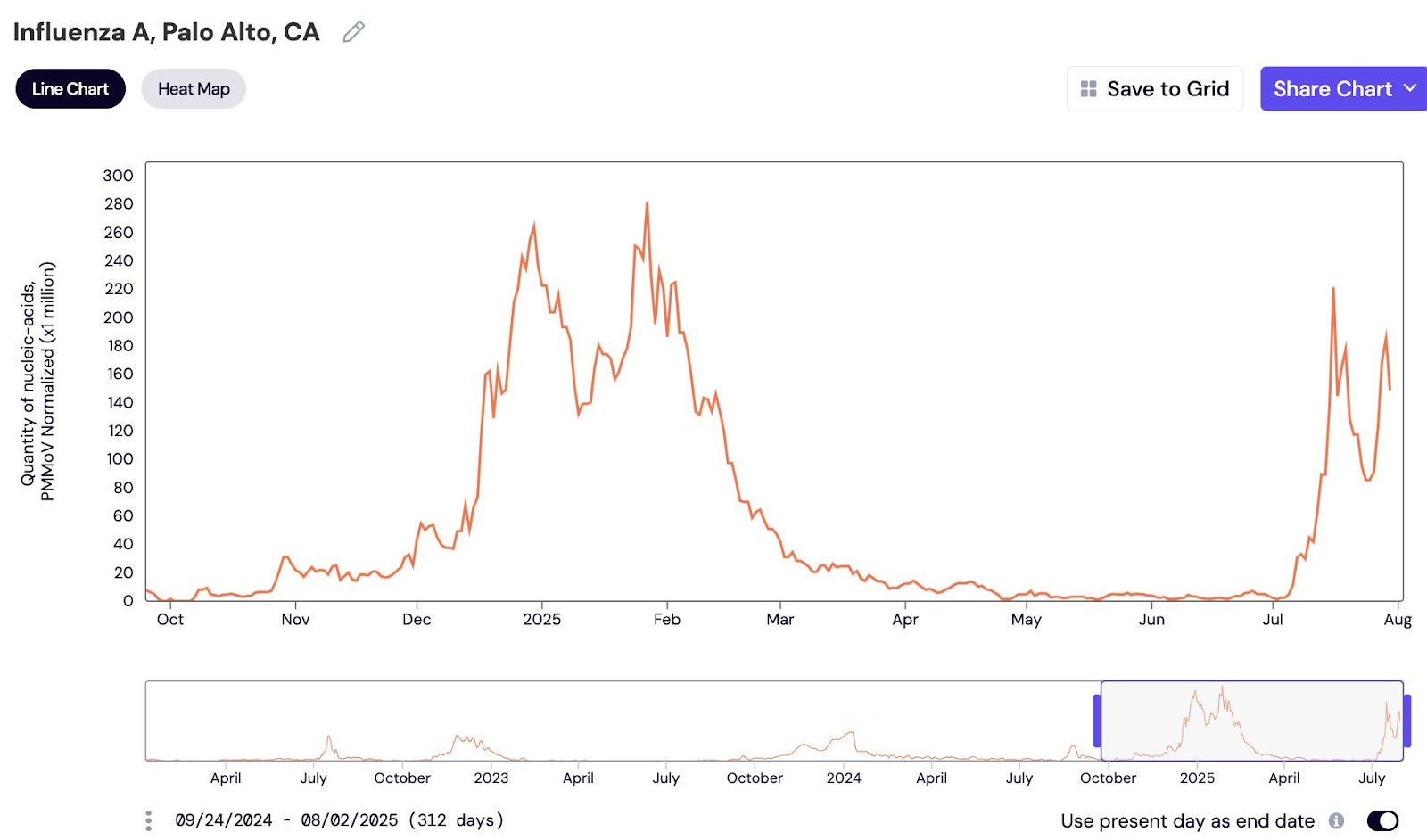
From: https://data.wastewaterscan.org/
Variants
"The U.S. COVID variant tracker has not been updated since June 21, but variant XFG is the most common in the US now followed by NB.1.8.1.
"Ryan Hisner noted this week that variant BA.3.2 has now been found on four continents. It is not expected to cause a wave in its current state, but there is potential for it to gain new mutations that could make it more concerning. For now, it is too soon to know which way it will go, but it is being watched.
Acute COVID infections, General COVID info
"A new study in mice shows that SARS-CoV-2 and influenza infections can awaken dormant breast cancer cells in the lungs, triggering rapid metastatic tumor growth within two weeks of infection. The study links IL-6 inflammation to cancer reactivation. Human data from UK Biobank and Flatiron Health confirms that breast cancer survivors infected with COVID had significantly higher risks of lung metastasis and cancer-related death. These findings reveal a link between respiratory infections and reactivation of metastatic cancer.
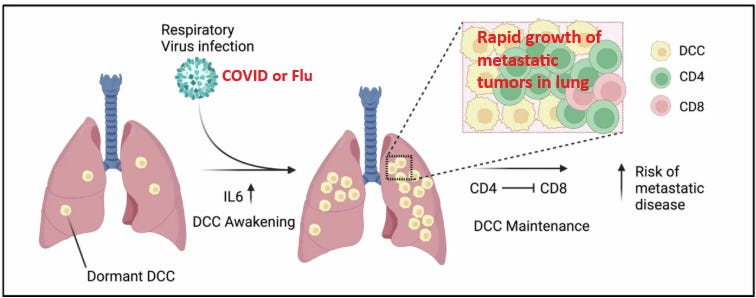
From: https://www.nature.com/articles/s41586-025-09332-0/figures/17
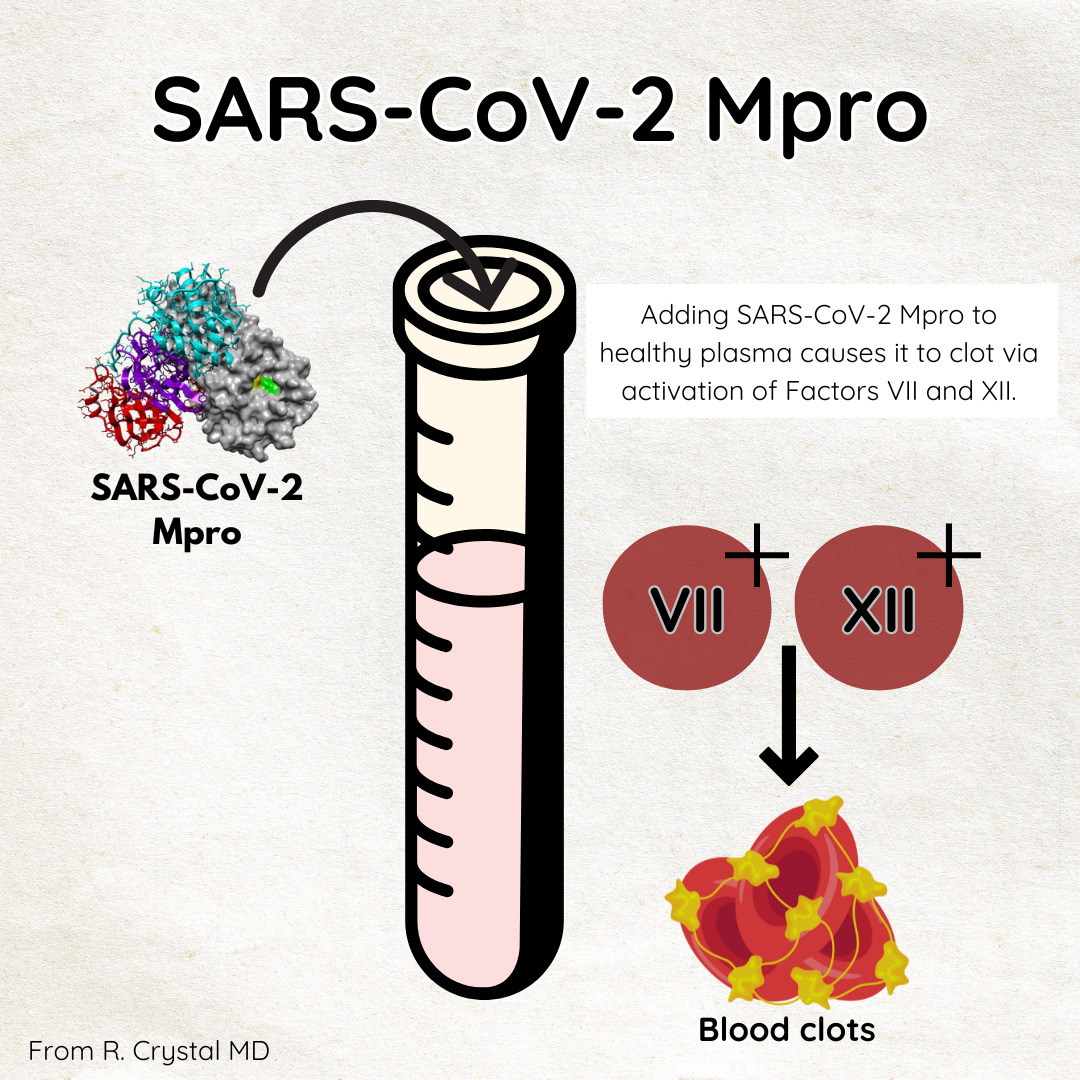
"Researchers in Italy found that adding the SARS-CoV-2’s main protease (Mpro) to plasma from healthy donors triggered blood clots in vitro by activating coagulation factors VII and XII. This previously unknown mechanism suggests that Mpro may play a direct role in the pro-clotting state seen in acute COVID and possibly in Long COVID as well.
"In a Hong Kong cohort of 13,800 hospitalized patients, those who experienced SARS-CoV-2 rebound after initial recovery had a significantly higher risk of death or rehospitalization. The findings suggest that viral rebound may be an indicator of persistent infection and poor long-term outcomes.
Social and Advocacy
"An analysis of 3,787 U.S. adults in the NIH RECOVER cohort found that social factors such as low income, housing instability, and lack of social support were strongly linked to higher risk of Long COVID. These associations persisted even after adjusting for comorbidities and access to care, underscoring the role of social determinants in post-COVID outcomes.
Pregnancy
"A study from the Gladstone Institutes and UCSF found that pregnancy and lactation shape immune responses to COVID vaccines and infections in different ways. Lactating individuals showed stronger mucosal and IgA antibody responses to boosters which may help to protect breastfeeding infants, while pregnant individuals made “more stem-like SARS-CoV-2–specific CD4+ T cells.” The findings could help tailor vaccine strategies during and after pregnancy.
Pediatrics
"In a study led by Dr. Lael Yonker, 12 children with MIS-C who received the gut barrier-protecting drug larazotide alongside standard treatment cleared viral spike antigen more quickly and recovered faster. Larazotide improved intestinal integrity, reduced inflammation, and enhanced immune regulation. Dr. Yonkers said, “Our findings suggest that larazotide is safe and quickly resolves symptoms in children with MIS-C. We are now running a clinical trial [in children and adults 7 to ≤50 years of age] to test whether larazotide may also be a useful therapy to treat patients with Long COVID.”
Vaccines
"A nationwide cohort study of 1 million adults from Denmark shows that the JN.1 mRNA COVID vaccines continue to be safe.
Long COVID
"A neuroimaging study of 44 Long COVID patients (15 bedridden) and 14 controls found significant volume loss and impaired white matter integrity in brainstem and cerebellar regions in Long COVID patients, particularly the superior and middle cerebellar peduncles near the 4th ventricle. These structural changes correlated with motor dysfunction, autonomic symptoms, and cerebrospinal fluid (CSF) flow disruption. The authors propose a “Broken Bridge Syndrome” linking impaired brainstem-cerebellar signaling to post-viral neuroinflammation and dysautonomia in Long COVID.
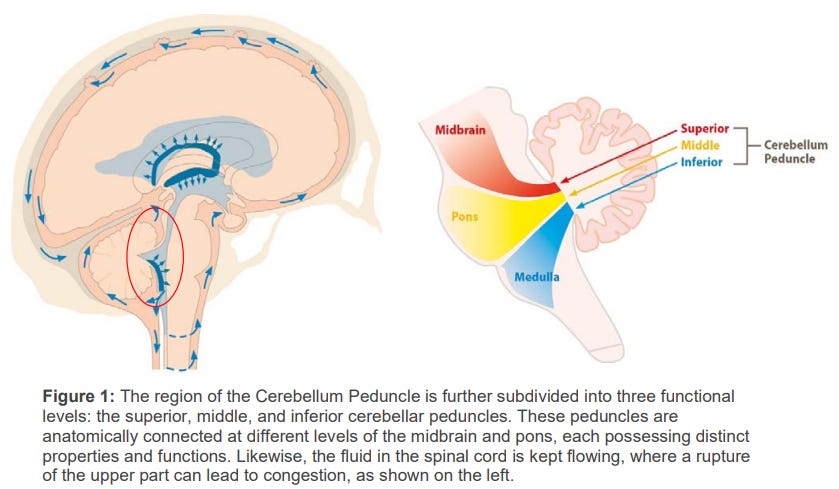
From: https://www.medrxiv.org/content/10.1101/2025.04.08.25325108v1.full.pdf
"How does a transient viral infection like COVID lead to long lasting neurologic symptoms? In humans and in animal models, SARS-CoV-2 can damage peripheral sensory nerves in the nose, leaving behind debris that can then trigger inflammation in brain microglia for weeks to months after infection, which can then lead to post-viral neurological symptoms like cognitive dysfunction (brain fog). The peripheral neuron-to-microglia axis offers a potential explanation for persistent inflammation seen in conditions like Long COVID and ME/CFS.
"Armenian researchers followed COVID-19 survivors for three years and found that those who experienced olfactory hallucinations during acute illness had more persistent memory, attention, and smell problems. The study highlights olfactory hallucinations as a possible predictor of long-term neurological effects from COVID.
"The NIH posted a funding opportunity for research studies using RECOVER’s data and specimens to understand Long COVID pathophysiology, biomarkers and therapeutic targets.
"Extracellular vesicles (EVs) are tiny bubble-like structures released by cells that carry proteins, RNA, and other molecules to nearby or distant cells. SARS-CoV-2 viral persistence is one of the mechanisms thought to be causing Long COVID, yet until now it has been hard to find the COVID virus in the blood of people with Long COVID. A new study shows that we may be able to detect SARS-CoV-2 viral persistence by looking at the EVs carrying SARS-CoV-2 proteins in the blood.
"The study found that 12 of 14 Long COVID patients had a SARS-CoV-2-related viral peptide called Pp1ab in serum extracellular vesicles (EVs) in their blood in at least one sample at one of four time points tested, but COVID recovered patients and uninfected controls did not. “Pp1ab [peptide] is encoded by the ORF1ab gene and plays a crucial role in [SARS-CoV-2] viral RNA transcription and replication.” The Pp1ab viral protein persisted in EVs months after acute infection and may serve as a blood-based biomarker for Long COVID.
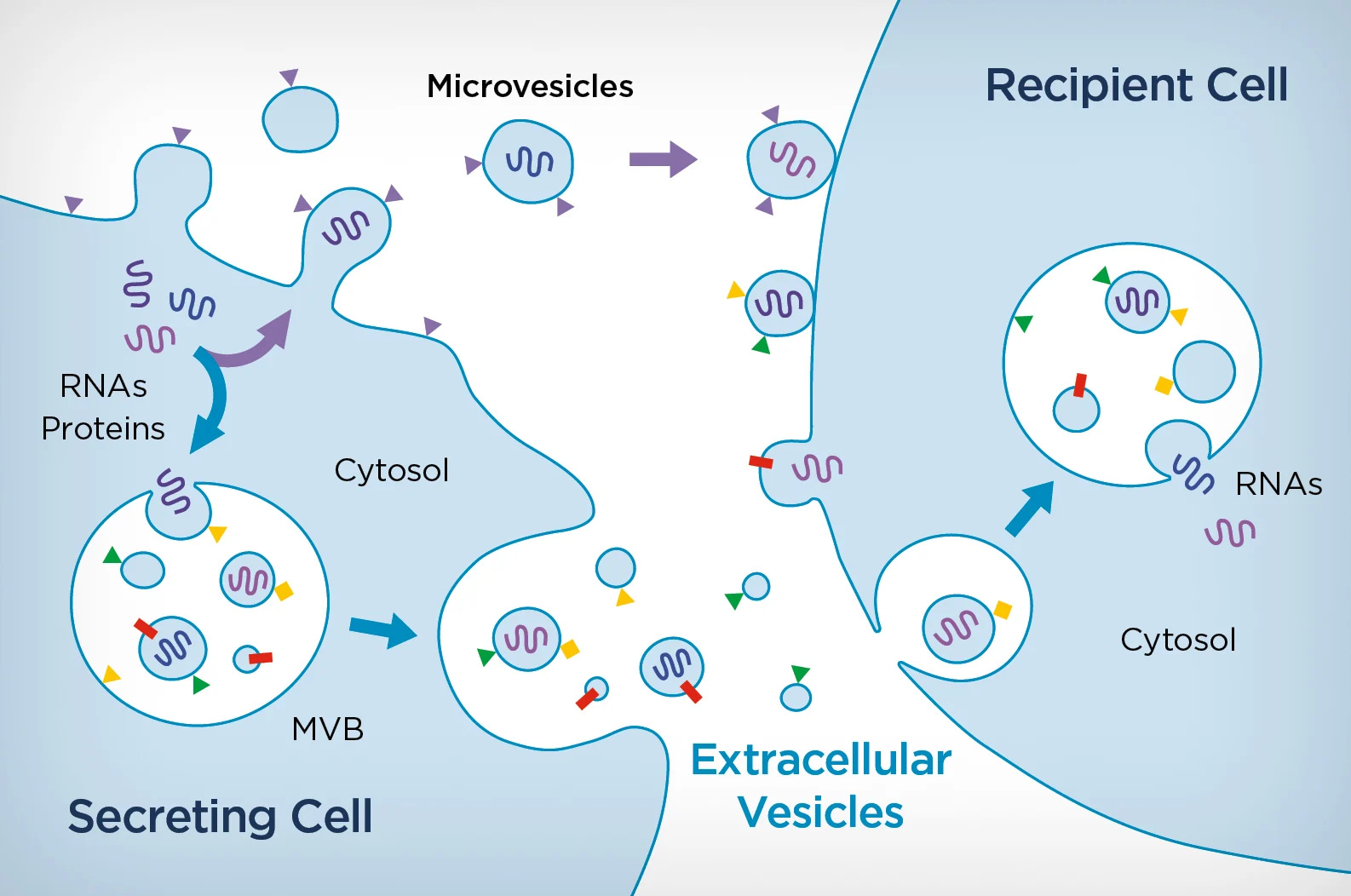
Extracellular Vesicles can carry proteins and RNA to other cells: https://www.beckman.com/resources/sample-type/extracellular-vesicles/into-the-world-of-evs
"Researchers in Cleveland studied 178 adults and found that women with Long COVID had higher levels of inflammation, gut barrier dysfunction, and arterial stiffness than men. These biological differences may contribute to an increased risk of long-term cardiovascular complications in women after COVID infection.
"Dr. Jason Goldman, an Infectious Disease doctor from Seattle, presented at the RECOVER Pacific Northwest Townhall on July 28, 2025. He summarized studies from the UK, Hong Kong, Taiwan and South Korea showing an increased risk of new-onset autoimmune diseases like Type I Diabetes and Rheumatoid Arthritis after COVID infection, stating that autoimmune disease is a feature of Long COVID.
"In a randomized, double-blind, sham-controlled pilot clinical trial, Toronto researchers tested home-based photobiomodulation (PBM) in 43 adults with Long COVID cognitive dysfunction. After 8 weeks, PBM users under age 45 had improvement in cognitive scores (p=0.028).
H5N1
"Experts recommend three urgent steps to reduce H5N1 spillover risk: 1) improve surveillance in wild and domestic birds, and other species like humans, 2) improve indoor air quality, and 3) ramp up vaccine development for both animals and humans. Taking action now could prevent a future pandemic.
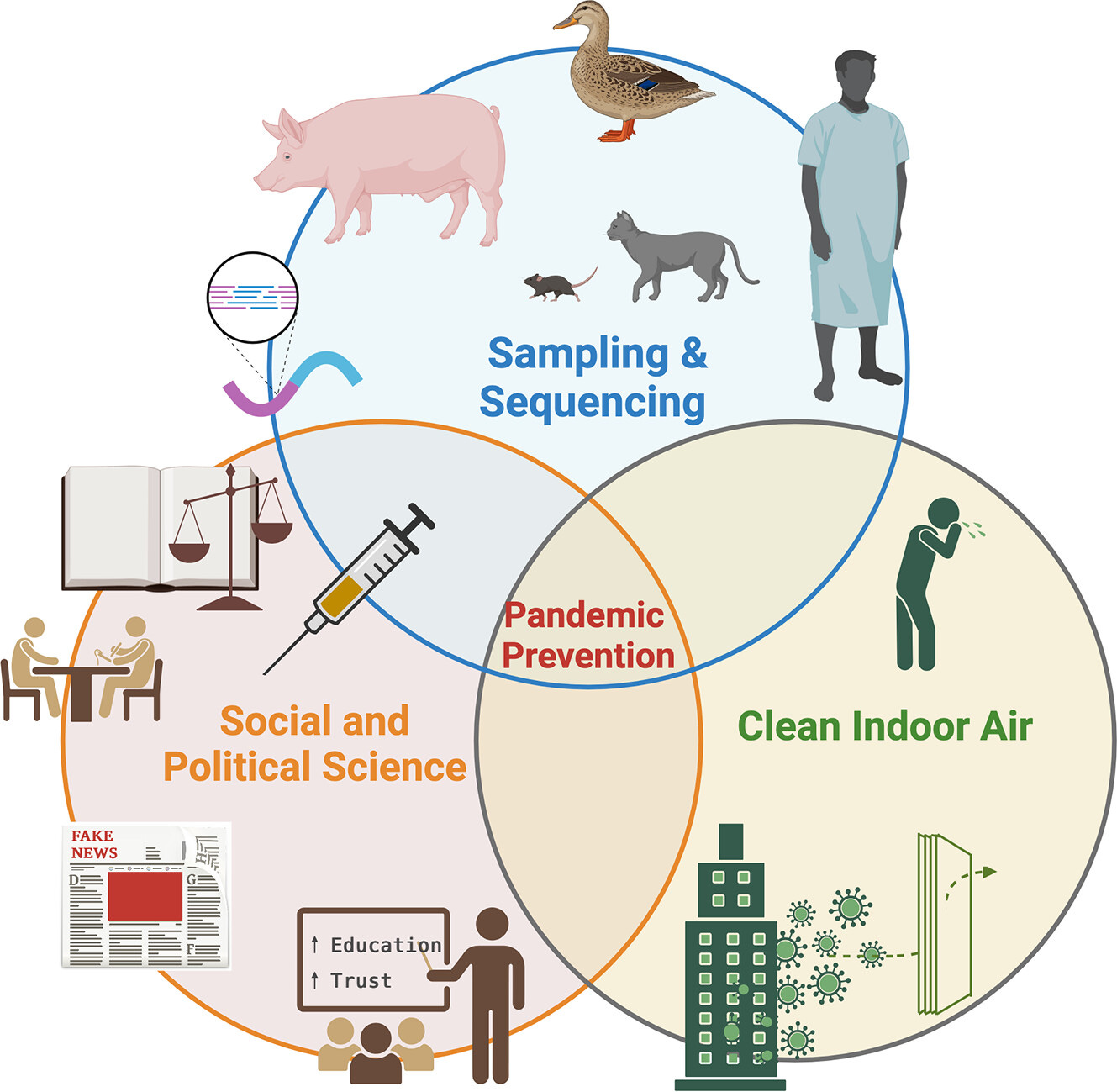
From: https://www.pnas.org/doi/10.1073/pnas.2503565122
Measles
"As of July 29, 2025, a total of 1,333 confirmed measles cases were reported by 40 U.S. jurisdictions, 13% of cases were hospitalized (169 of 1333), and there have been 3 confirmed deaths. “In the first half of 2025 alone, the U.S. has had more measles cases, outbreaks, affected states, and deaths than in any year since 1992” per KFF.
Other news
"Nationwide following the Dobbs decision, a significant number of OB/GYN doctors have stopped practicing obstetrics. A new article in JAMA shows that after Dobbs and Idaho’s automatic trigger laws, Idaho lost a net 94 of the 268 OBGYN physicians practicing obstetrics (114 of 268 OBs stopped practicing, left the state, or retired and 20 new OB/GYNs moved to Idaho at that time). The drop raises concerns about access to maternity care and maternal health risks.
"ProPublica reported last week that after Texas banned most abortions in 2022, Emergency Room visits for early miscarriage rose 25% and blood transfusions surged 54% during first-trimester miscarriage ER visits, indicating more women experienced severe bleeding. Doctors appear more hesitant to perform timely miscarriage care like dilation and curettage due to fear of prosecution.
"In a groundbreaking Phase I trial, a new mRNA HIV vaccine triggered strong immune responses with 80% of participants developing antibodies to HIV and most producing HIV-specific B cells too. This early study showed favorable immunogenicity and safety. Larger trials are needed to see if this can translate into real-world protection against HIV infection.
"Watching sick avatars in virtual reality causes people’s brains to activate immune cells, as if they were facing real infection. This study shows that the brain can jump-start immunity just by anticipating illness nearby.
"Nature magazine reports that a U.S. Senate committee voted to reject the Trump administration’s plan to cut the NIH 2026 budget by 40% and instead recommended increasing NIH funding by $400 million (1% of its budget). However, the Senate budget bill has a long road ahead before being signed into law.
"Microplastics researcher Tracey Woodruff shared tips to reduce microplastic exposure, including avoiding ultra-processed foods, not microwaving plastics, and using HEPA vacuums. Microplastics have been linked to reproductive issues, inflammation, and chronic diseases, but small lifestyle changes like switching to glass containers, using cast iron pans, and choosing fragrance-free products can help lower risk.
"While kayaking on the Kananaskis River in Alberta, two Canadian university students rescued a wild foal trapped in fast-moving water. After lifting the baby horse into their boat, giving him a life vest, and paddling to safety, they contacted a nearby community who helped to reunite the foal with his mother and the wild herd.

Photo by Anna Gleig
"Have a great week,
"Ruth Ann Crystal MD"





.jpg)
No comments:
Post a Comment