What's the obsession with illegal alien criminals? Why don't they "fight like hell" for the release of the Americans held by Hamas instead, or for the victims of illegals? Since when did illegal aliens become the Dems' constituents?
You know about Trump Derangement Syndrome (TDS)? I think that what I call Illegal Alien Attachment Disorder (IAAD) must be related. These officials need help desperately. And so do the American people who didn't vote for these bleeding heart liberals.
"When COVID-19 first emerged, the U.S., under President Donald Trump, made an urgent bet on vaccines — and it paid off handsomely.
"A new study
shows that the nationwide vaccination effort quickly proved not just
lifesaving but economically sound, saving more in medical and
productivity costs than it spent. Even younger adults, typically at
lower risk, benefited cost-wise when broader societal impacts were
included.
A Bold Start to the COVID-19 Vaccine Effort
"Five years ago, as COVID-19 rapidly spread across the globe,
volunteers stepped up to join the first clinical trial of a vaccine
designed to fight the new virus.
"Within a year, more than 66 million American adults had received at least one dose of a COVID-19 vaccine, free of charge.
A Strategy That Paid Off
"Now, new research highlights just how valuable that
early national investment was. A study led by University of Michigan
researchers, published in the journal Vaccine, found that the U.S. vaccine rollout paid for itself within the first year.
"The reason? Vaccination significantly reduced the number of people
who became seriously ill or died from COVID-19. As a result, the country
ended up saving more money than it spent on the vaccine effort.
Analyzing Medical and Economic Savings
"The analysis looked beyond just hospital bills. It factored in the
costs of testing and treatment, care for long COVID and rare vaccine
side effects, and lost productivity, such as missed work due to illness
or death.
"Even without counting lost
productivity, the national COVID-19 vaccine effort saved money for most
adult age groups purely by avoiding medical costs, the study concludes.
Overall, among all adults over age 40, the nation saved more in avoided
medical costs than it spent on the vaccine effort.
"Even among adults aged 18 to 39, who are less
likely to get seriously ill from COVID-19, the vaccination effort cost
slightly more than the total medical costs avoided, but was still
cost-effective by national standards. When lost productivity is
included, vaccinating these younger adults was cost-saving.
“All in all, we can safely say that this was a prudent investment for
the American people, using a really conservative analysis,” said Lisa
Prosser, Ph.D., first author of the new study and professor at the U-M
Medical School and School of Public Health. “From a broader societal
economic perspective, and from the perspective of medical care costs,
the federal government’s decision to accelerate vaccine testing, buy
large quantities of vaccine, and support the cost of vaccination in many
settings was wise.”
Savings Likely Underestimated
"Prosser and senior author David Hutton, Ph.D. of the U-M SPH worked
to develop and test the model, which is based on research findings by
many other teams that have studied aspects of COVID-19.
"The model
includes everything from the cost of the vaccine itself, to home or lab
tests for the virus, to the likelihood of suffering any level of COVD-19
illness or vaccine reaction, to the typical cost of receiving care at
any level of illness, to the number of days of work lost for different
levels of illness. The researchers included post-COVID conditions, also
called Long COVID or PASC for Post-Acute Sequelae of COVID-19.
"For instance, it does not include the lost productivity of people who
took time off work to care for a sick adult family member, patients’
out-of-pocket costs for treatment, or transportation to get to medical
care. Nor does It include the cost of the basic laboratory science
funded by the federal government over two decades that laid the
groundwork for the two mRNA vaccines made by Pfizer and Moderna.
Looking Forward: Future Models and Vaccines
"Prosser, Hutton and their colleagues have done
additional economic modeling of waves of vaccination after 2021 in
collaboration with CDC. They hope to create a model for the updated
version of the vaccines that are expected to roll out this coming fall,
but this will depend on CDC funding and data.
"Prosser notes that as of his winter, widespread vaccination and
improved treatment have decreased the death toll from COVID-19, and the
number of cases severe enough to need emergency or hospital care.
"Still, between 800 and 1,000 people have died of COVID-19 every week
of 2025 for which full data are available, and about 1% of all emergency
department visits in recent months have been for illness diagnosed as
COVID-19.
"She notes that the current CDC recommendation is for everyone over
the age of 6 months to get at least one dose of one of the three updated
vaccines that became available in September 2023 and are now updated
annually. So far, about 30 million have done so, including about 30% of
people age 65 and older, who are at the highest risk of severe COVID-19
if they become infected.
"For people who are age 65 and
older, or immunocompromised because of a health condition or treatment,
the CDC recommends a second dose of the current vaccine six months after
the first.
"That means that people who got the updated vaccine soon after it came out in September should now go get a second dose."
-----------
Reference: “The cost-effectiveness of vaccination against COVID-19
illness during the initial year of vaccination” by Lisa A. Prosser,
Janamarie Perroud, Grace S. Chung, Acham Gebremariam, Cara B. Janusz,
Kerra Mercon, Angela M. Rose, Anton L.V. Avanceña, Ellen Kim DeLuca and
David W. Hutton, 21 January 2025, Vaccine. DOI: 10.1016/j.vaccine.2025.126725
In addition to Prosser and Hutton, the study’s authors are Janamarie
Perroud, Grace S. Chung, Acham Gebremariam, Cara
B. Janusz, Kerra Mercon, Angela M. Rose, Anton L.V. Avanceña
and Ellen Kim DeLuca. All the authors are or were formerly affiliated
with the U-M School of Public Health or the Susan B. Meister Child Health and Evaluation Research Center (CHEAR), which is based in the U-M Medical School’s Department of Pediatrics.
If you're an antivaxxer, fine - don't get yourself or your kids vaccinated, and pay the consequences. But removing the COVID shot as a recommended vaccine for kids will just keep gullible parents from protecting their children.
And the vaccine does not have "profound risk". The only risk comes from being unvaccinated.
What next, removing measles and chicken pox vaccines from the list?
"Health and Human Services Secretary Robert F. Kennedy Jr. is considering removing the COVID-19
vaccine from the federal list of recommended vaccines for children. In
an interview with Fox News, Kennedy said the move would not prohibit
access to the vaccine, but would eliminate it from the Centers for
Disease Control and Prevention’s (CDC) official immunization schedule for children.
“President Trump doesn’t believe that anybody should get mandatory vaccines,” Kennedy said
on Fox News. “The COVID vaccine, the recommendation for children, was
always dubious. Kids had almost no risk for COVID-19. So why are we
giving this to tens of millions of kids when the vaccine itself does
have profound risk?”
"A report that the Conference on Jewish Material Claims
Against Germany published today about aging Holocaust survivors suggests
“sobering insights into the future of this incredible community,” per
the nearly 75-year-old nonprofit, which estimates that it will
distribute about $530 million in compensation this year to Holocaust
survivors worldwide, and $960 million for welfare needs of survivors.
"Some 1,400 (.6%) of the estimated 220,800 survivors in 90 countries
today are centenarians, and half of the survivors live in Israel,
according to the Claims Conference. The median age of survivors is 87,
and 61% are women, per the nonprofit.
"The Claims Conference’s new report, titled Vanishing Witnesses: An
Urgent Analysis of the Declining Population of Holocaust Survivors,
projects that just half of Holocaust survivors worldwide will remain in
six years, with just 30%, or about 66,250, remaining in 2035. By 2040,
just 22,080 survivors will remain, according to the Claims Conference.
"Mortality rates differ, per the nonprofit, with 39% of U.S. survivors
(from 34,600 to 21,100) and 54% of survivors in former Soviet countries
(from 25,500 to 11,800) expected to be lost by 2030. Israel, which has
the most survivors (110,100, as of last October), is projected to lose
43% by 2030, dropping to 62,900.
“This report provides clear urgency to our Holocaust education efforts,”
stated Gideon Taylor, president of the Claims Conference. “Now is the
time to hear first-hand testimonies from survivors, invite them to speak
in our classrooms, places of worship and institutions. It is critical,
not only for our youth but for people of all generations to hear and
learn directly from Holocaust survivors.”
“This report is a stark reminder that our time is almost up, our
survivors are leaving us, and this is the moment to hear their voices,”
Taylor said.
"Greg Schneider, executive vice president of the Claims Conference, told
JNS that “we need to know the data around survivors—where they live,
poverty rates, the type of persecution that they endured—and then to
project that into the future first and foremost so that we can secure
the maximum amount of funding and benefits.”
“Survivors are living longer, and we need to plan for that even as we
are helping it happen. There are 300 agencies around the world that we
fund to provide services, and this data is essential as they plan the
coming years,” Schneider"
Goodbye, respiratory season. Hello, ticks, allergies, and spring
cleaning. Meanwhile, public health gutting continues: the
administration’s top nutrition scientist resigned due to concerns over
censorship, the Covid.gov website underwent a dramatic shift in
direction, and a huge $40 billion cut proposal for Health and Human
Services.
Here’s the context and what it means for you.
It’s spring! Enter tick season
Emergency
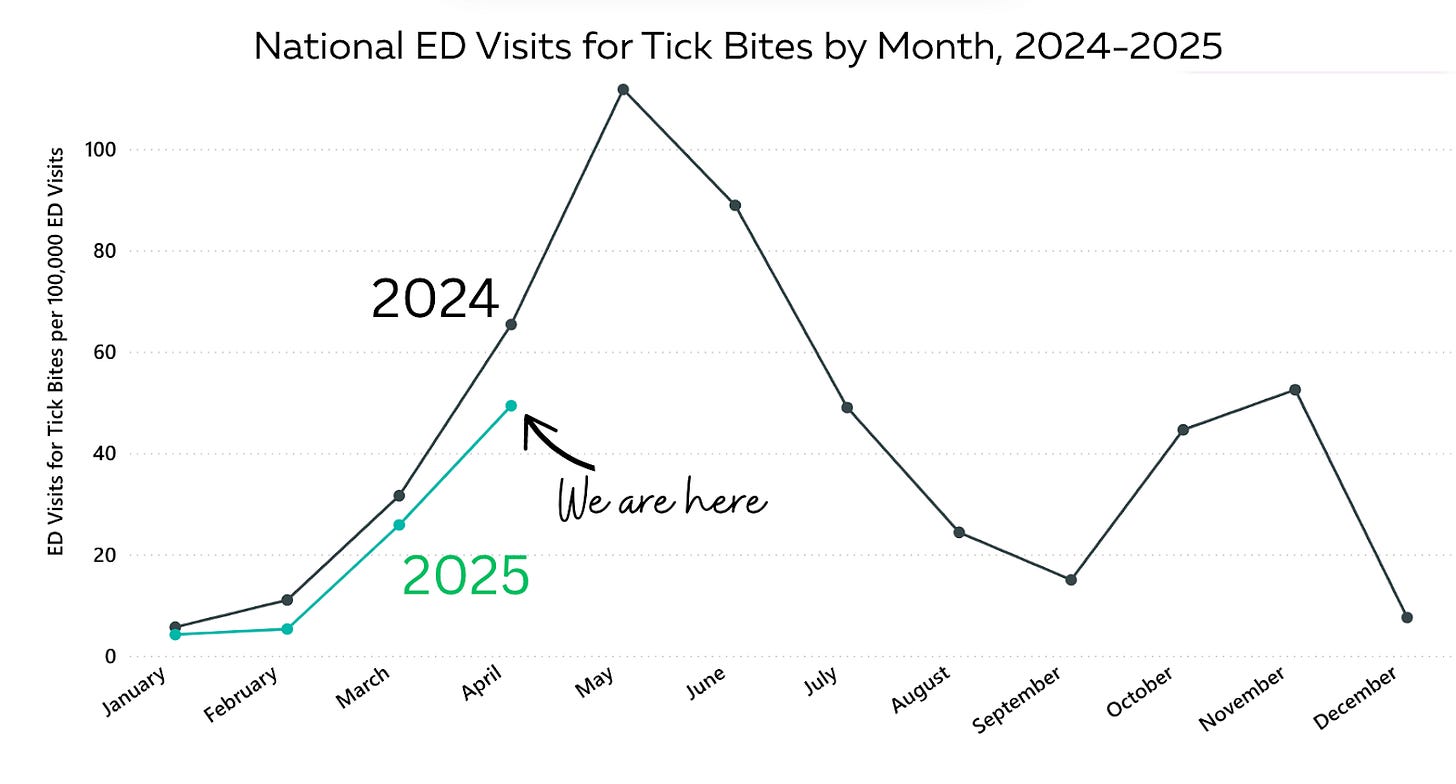
department visits for tick bites are climbing, but remain
middle-of-the-road for now. By year’s end, more than 500,000 people will
likely be diagnosed and treated for Lyme disease.
Source: CDC; Annotated by YLE
Ticks
thrive in warm, lush spring environments and can carry pathogens
responsible for over a dozen diseases—including Lyme disease, which can
cause flu-like symptoms and, if untreated, serious complications like
neurological or cardiac issues.
Not all ticks carry disease. Risk
depends on the species, geography, and the duration of a tick’s
attachment. Currently, tick-borne illnesses are most concentrated in the
Northeast, with emergency department (ED) visits at 115 per 100,000
people.
What does this mean for you? You can take several steps to
protect yourself from ticks, including applying DEET or picaridin,
treating clothing and gear with products containing 0.5% permethrin, and
conducting thorough tick checks after engaging in outdoor activities. Here is a YLE deep dive.
Cue: A rough allergy season
The Asthma and Allergy Foundation of America
(AAFA) says it’s going to be a brutal year. 41% of the U.S. is
currently experiencing medium-high allergy levels—especially in the
South and East. Cities like Atlanta and Houston have already set records
for pollen. Below is a live allergy map for 2025, showing pollen counts across the country that shift over time in your area. (See the link)
Allergy
season is becoming longer—plants are releasing pollen earlier in the
year (about 40 days earlier) and stopping pollination later in the year
(about 2 weeks longer)—due to rising temperatures. It’s also more pollen
because of the increased amount of CO2 in the atmosphere.
What does this mean for you?
You’re getting exposed to more “pollen grains,” and your immune system
may be irritated by them. Dr. Zach Rubin, an allergy doctor, joined us on our podcast America Dissected last week and gave great tips on managing allergies:
Rinse your nose with saline water (just like we brush our teeth)
Go with second-generation antihistamines, like Zyrtec, instead of Benadryl.
Benadryl was made in the 1940s as one of the first antihistamine drugs,
but it has a lot of side effects. Always chat with your doctor for more
information.
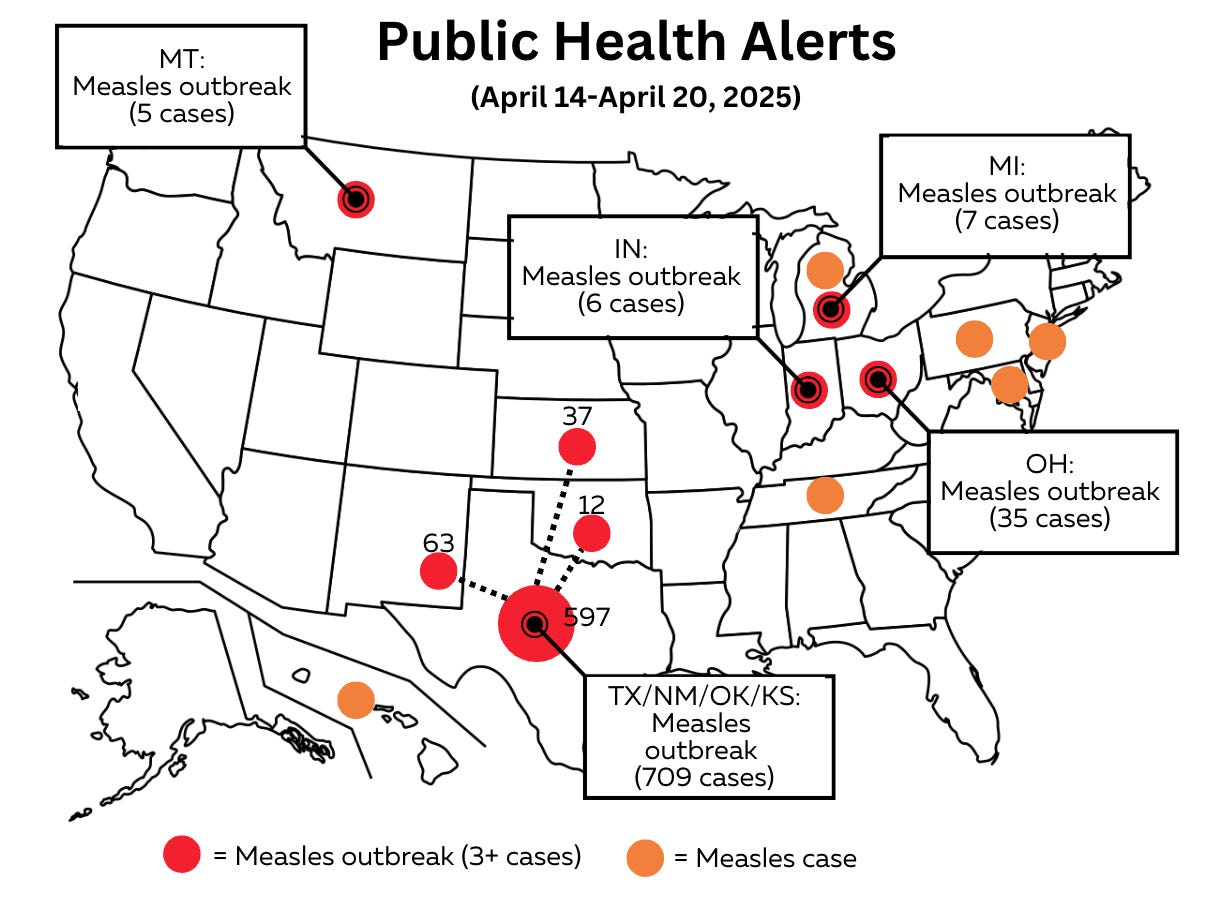
The measles game of whack-a-mole continues.
Measles
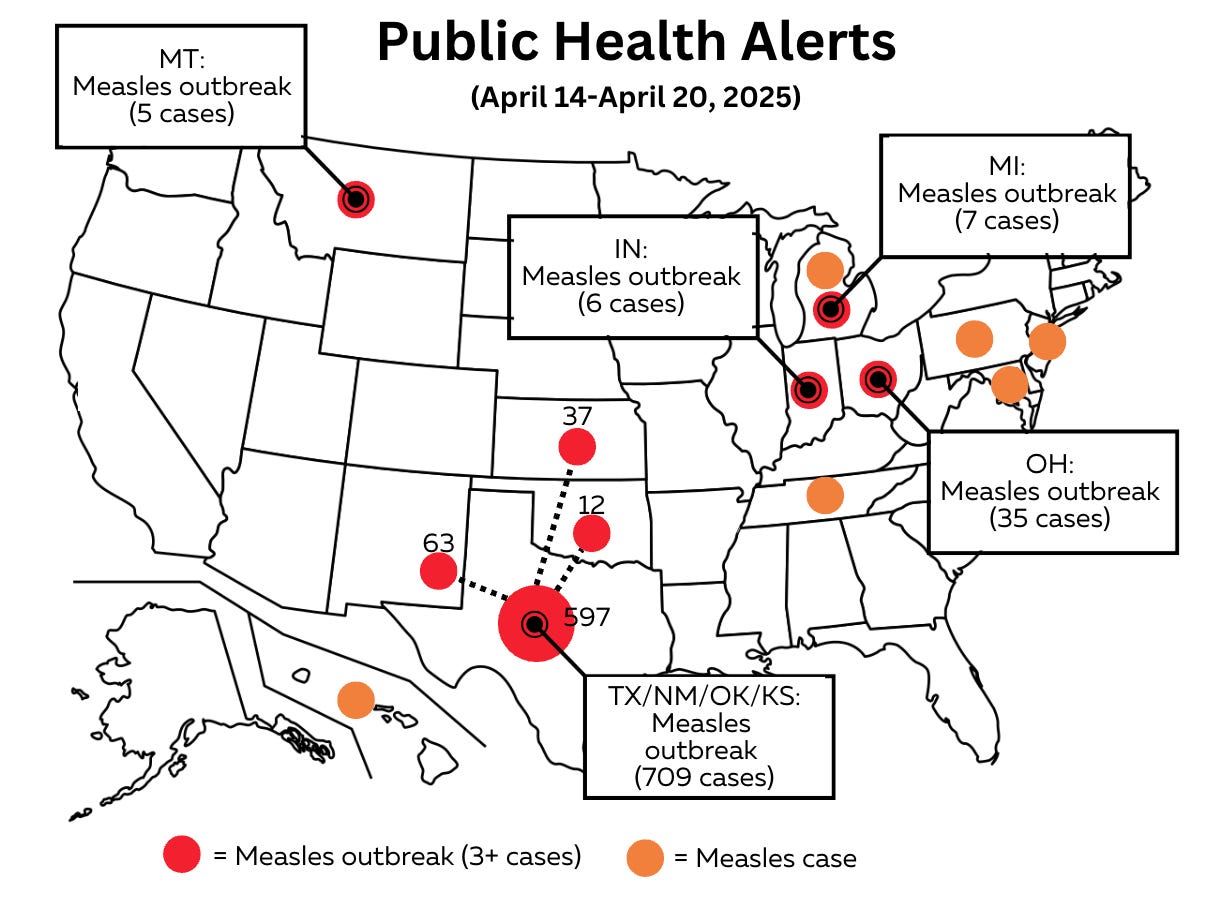
cases are climbing exponentially. The U.S. has 839 cases and 7 active
outbreaks, spanning states like Montana, Indiana, Michigan, Ohio, and
Texas.
The outbreak in Texas, New Mexico, Oklahoma, and Kansas is
growing rapidly. My concern about spreading in urban areas is coming to
fruition. The El Paso outbreak is spreading fast. Within 11 days we
rose from 2 cases to 11, signaling exponential growth. In Lubbock, cases
are also on the rise. In particular, a cluster has been identified in
the Tiny Tots daycare, resulting in 7 cases and 2 hospitalizations thus
far.
This outbreak has also extended into Mexico (the country; not to be confused with New Mexico), with 451 cases reported, primarily in Chihuahua, and Canada,
with 1,045 cases, mainly in Ontario. The Canada outbreak has been
traced back to a large gathering in New Brunswick last fall that was
attended by guests from Mennonite communities.
For those who want a deeper dive, go here for the SITREP (situation report):
Ysph Vmoc Special Report Measles Outbreak Southwest Us 4 19 2025 1300 Hrs Read Only
Other sporadic cases continue to emerge across the country, often linked to international travel (see map above).
What does this mean for you?
Keep up on vaccinations. If you plan to travel with a child under 12
months, be sure it’s not to a high-risk area (either nationally or
internationally).
H5N1 is still quiet. And we don’t know why
Many
of you have asked for an update: H5N1 is currently pretty quiet. Over
1,000 dairy cow herds across 17 states have been infected with H5N1.
However, new infections have slowed considerably—both in cows and
poultry. The most recent human case was in December 2024.
We don’t know why, but there are a few epidemiological guesses:
It began to run out of herds to infect.
Expanded milk testing is allowing faster containment.
It was an oddly active winter, so a spring spike hasn’t appeared.
The virus burned through enough of the migratory fowl.
Unknown unknowns.
I don’t think anything is being hidden, especially on the human side. That would be near impossible to keep under wraps.
What does this mean for you? Bird
flu isn’t something that should be top of mind. The pandemic risk has
decreased for now, although scientists continue to monitor it.
NIH loses a top nutrition scientist—and that’s bad news
In 2019, Dr. Kevin Hall authored arguably the most important study—a
randomized controlled trial, the gold standard—showing that
ultra-processed foods (UPF) lead to weight gain. He then did the next
natural thing: run studies on why. Was it because UPFs are addictive or
something else? A follow-up study of his found that UPF may not be inherently addictive, as indicated by the brain’s dopamine response. Another study,
still in progress, suggests that UPF is problematic due to its high
calorie density and hyperpalatability (heightened taste pleasure).
These
follow-up studies directly contradict RFK Jr.’s narrative—that UPF is
addictive. Hall was initially restricted from publicly sharing the
results. Once he was allowed to comment, the NIH press office edited his
response, downplaying the significance. So, he announced his early
retirement, citing censorship. He has been at NIH for 21 years.
What does this mean for you?
When scientists are muzzled, it hurts the public’s health and doesn’t
move us toward a healthier world and better food system. This also
follows a concerning pattern echoing recent departures like Dr. Peter
Marks (FDA vaccines) and Kevin Griffis (CDC communications).
Spring cleaning: Don't forget your medicine cabinet
Last week was National Clean Out Your Medicine Cabinet Day, and April 26th is National Drug Take Back Day. These are great reminders to clean out your medicine cabinet.
Why is this important?
Errors.
People often take multiple medications, which doctors can frequently
adjust to different doses. It can be confusing for anyone to keep track
of. When a medicine cabinet is cluttered with older and current
medications, it’s easy to make a mistake. Medications have powerful
effects on our bodies, and it can be dangerous to take too little, too
much, or the wrong combinations.
Misuse and abuse.
For example, you don’t want the leftover opioid pain killers prescribed
for your root canal hanging around. These are powerful and addictive
substances, and even a few pills can have devastating effects in the
wrong hands.
Effectiveness. Expired meds lose potency at different rates.
Safety. Curious kids could stumble upon them.
Here is a flush list. Medications not listed on this list can be disposed of in the trash. Our friends, The Nerdy Girls, have put together helpful tips.
Covid.gov website has an unhelpful rebrand, to say the least
The newly redesigned Covid.gov
replaced vaccine and prevention information with a page focused on the
lab leak—with no concrete calls to action for safety improvements. It’s
political theater and a direct jab at scientists, as there isn’t any new
evidence, and certainly doesn’t help the public navigate Covid-19.
With the lab leak theory, I always try to take the 30,000-foot view:
The origin of Covid-19 is an ongoing scientific debate. Scientific
consensus has not settled. We can all agree that the Wuhan market was
an amplification event (i.e., super spreader), but I don’t think we will
ever know how it got there. Disproving the lab leak will be close to
impossible.
The debate is another example of false dichotomies.
In reality, opinions range from “natural spillover” to “lab leak.” I
lean more towards natural spillover, but I’m certainly not 100%. (I’m a
~70% given ongoing evidence.)
I think everyone should recognize where they land on this spectrum and
why. Also recognize that conflicts of interest are present everywhere.
We continue to overlook the larger issue. Underlying all of this is the possibility of a lab leak, and a possibility of a natural spillover, and a possibility of intentional lab leaks. We need to address all of these to ensure a safer future.
Quick government watch: Executive branch proposes HHS cuts
Last
week, a document leaked revealing that the Trump administration plans
significant cuts ($40 billion) to the Health and Human Services, which
includes the elimination of programs focused on maternal health, rural
health, Head Start, and other areas.
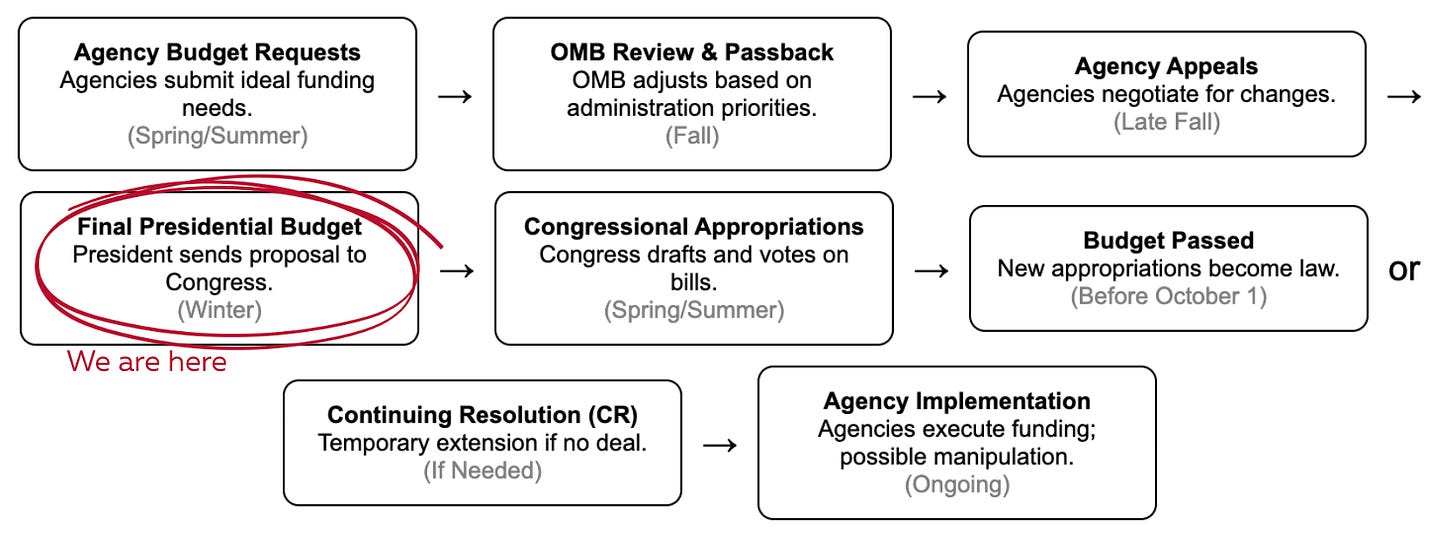
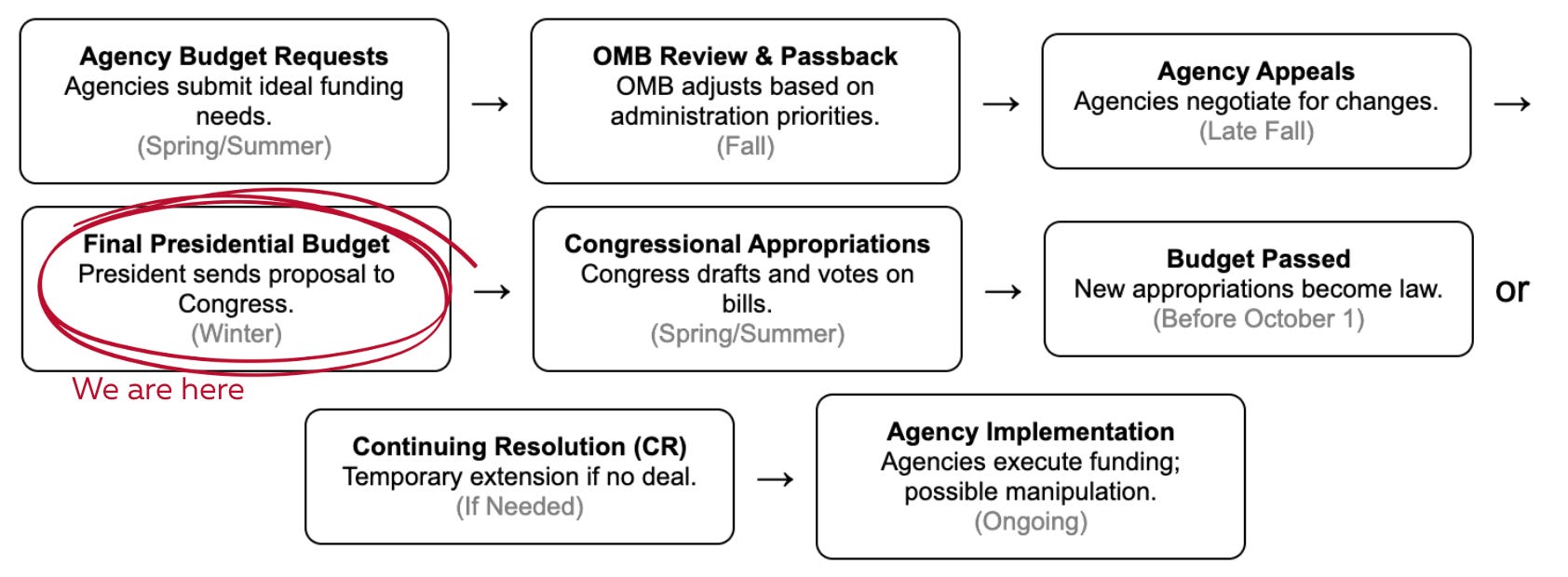
Unlike previous executive
actions, these cuts are moving through the normal budget process—making
them harder to block and more dangerous long term. They are very
dramatic compared to previous budget proposals. Importantly, this is a
recommendation and/or political pressure from the Executive Branch. It’s
not law or a guarantee. The next step is for Congress to draft, debate,
and vote on actual funding bills. Then it’s put into law.
Federal Budget Process and Timeline. Figure by Your Local Epidemiologist
What does this mean for you? This
is the ideal time to reach out to your congressional representatives
about the issues that matter most to you. I’ll host a webinar soon with a
few staffers (from both the Democratic and Republican parties) to
maximize your effectiveness.
Question grab bag
I’m
in a lot of mom groups on Facebook. Do you have recommendations on
whether to respond (and if so, what) to a mom who posts something like,
"Does anyone have a recommendation for pediatricians who allow delayed
or modified vaccine schedules?"
My biggest piece of
advice: Don’t pick arguments about vaccines, especially when people have
already said they are interested in something different. One approach
would be to say something like: “I’m sorry you’re having trouble finding
a pediatrician. For what it’s worth, my child got the routine schedule
and did well, and I’ve had great experiences with his/her pediatrician.”
And provide the contact information.
It’s also okay to add, “All
the pediatricians that I recommend also recommend the routine schedule
because it maximizes protection at the right times. They also listen to
and respect your questions and concerns.”
What a revelation! I remember J. Geils, and I knew Peter Wold had been married to Faye Dunaway (which was almost as improbable as Ric Ocasek marrying super model Paulina) I had just read a different review of this memoir and thought immediately of Zelig; then I read this review's headline at The Forward and now I may have to read the book myself:
"Six years ago, I was talking to Peter Wolf, the former J. Geils Band
lead singer-co-songwriter and longtime solo artist, and I asked: “What
about writing a memoir?”
Wolf was practically a rock ‘n’ roll Zelig, having had this extensive
and varied career, becoming friends with everyone from Mick Jagger and
Keith Richards to Van Morrison and Bob Dylan. There were stories there.
“People keep mentioning it to me,” he said, noting rock memoirs had “become in vogue.”
“I’ve somewhat started to put together a book,” he told me back then.
“It would just be my stories of the people I admire and love and had
the privilege to work with and get to know behind closed doors.
Hopefully, being able to capture the character of not only why the music
was great, but why the artists themselves were so unique and great. I
think the key is to do it without being salacious and to make it
interesting and still true and pure at the same time.”
Wolf has done just that.
The writing process kicked into high gear during the pandemic. And on March 11, that long-gestating book, Waiting on the Moon: Artists, Poets, Drifters, Grifters, and Goddesses, hits the shelves.
“The key theme of this book,” Wolf told me last month, speaking from
his home in Greater Boston, was the Christopher Isherwood sentence: “I
am a camera where the shutter is always open.’”
It’s Wolf as participant and observer. It’s a personal story though,
too, starting with the singer born Peter Blankfield and his Bronx
upbringing, attending art school in Boston, and the beginnings (and end)
of the J. Geils Band. But Wolf shines a lot of the light on others that
entered his life, some that were ephemeral encounters, others more
long-lasting relationships
It is, indeed, a book where many a famous name is dropped, but Wolf,
who turned 79 March 7, can hardly help it: He’s a storyteller with a
heaping helping of fame himself and the same goes for many of, as he
calls them, the “characters.” He’s also got an eye for detail and
nuance.
“I didn’t want to do a typical memoir, something that started in my
childhood and went up,” Wolf said. “I really started out to do a
collection of short stories which the running title was going to be Adventures of a Fan with
no chronological order with the idea that I was privileged to get to
meet these people and most of them, most of the encounters really
happened by accident. It’s not like I sought out certain people.”
Waiting for the Moon does, actually, start from Wolf’s
childhood but it quickly veers off to a place where many of the chapters
are named (or subtitled) for the “characters” and the time-place
continuum has a Slaughterhouse-5 jump-around feeling.
“What I find interesting,” Wolf said, “is a young Jewish boy from the
Bronx encountering these talented, amazing musicians who came from a
totally different culture, who were brought up in the rural plantations
in the agricultural south, the old South that still believed in the Lost
Cause and Jim Crow, somehow being able to bring these two vastly
different worlds together and being able to have a connecting thread.”
Wolf related his ability to act as a conduit between different worlds
to his childhood – and it connects to this very outlet in its 20th
century Yiddish hardcopy days.
“The Forward was a newspaper read by my grandmother and her
friends and it was important to them because they were immigrants to the
new world,” Wolf said. “When my grandparents came to this country from
Eastern Europe — Ukraine and Poland — they needed to adapt to a new
culture. I remember my grandmother not being able to read English.
“I would read things for her and I would read things for her. She had
a lack of schooling because she came over when she was very young.
Through the newspaper, they were able to find a connecting rod and hear
articles about other people’s experiences. It became not just the news,
but a hopeful entry into this new world they were traveling in.
“And I think with these blues artists, when they left the South and
went to Chicago to work in the steel mills, or car places in Detroit, or
the meat packing places to get out of agriculture, they were really in
foreign cities. As they became musicians, and when they started to play
for generally mostly white audiences and coffee houses, it was a totally
different, vastly unknown experience. When I encountered them, I found
that to be very interesting and how a friendship from these two vastly
different experiences were able to be brought because I admired them and
they understood that. I tried to be helpful in acting as sort of a
roadie or tour guide, in any way that I could assist.”
Those famous folks in the book are many and varied. There are the
aforementioned blues guys he befriended early on in Cambridge, Mass.,
like Howlin’ Wolf, John Lee Hooker and Muddy Waters. He bought them
booze, put them up, did whatever was needed. And, of course, there’s
Morrison, Dylan, John Lennon, Sly Stone, Merle Haggard and the Rolling
Stones.
But not everyone who came into Wolf’s world and shared part of his
life came from the music world. Among others: Eleanor Roosevelt, Julia
Child, Andy Warhol, George Cukor, Alfred Hitchcock, Tennessee Williams,
Roger Corman, Steve McQueen. Martin Scorsese, Roman Polanski, Norman
Rockwell, Timothy Leary, Robin Williams, Paul Newman and Carrie Fisher
and David Lynch
Lynch was Wolf’s roommate in the early ‘60s when both were attending
Boston’s School of the Museum of Fine Arts. Wolf was behind on rent;
Lynch had had enough of him and changed the locks. Undaunted, Wolf was
trying to break in the back way to retrieve some belongings. The police
spotted him, nabbed him and, well, it was the time of the Boston
Strangler and the police thought just maybe …
“I was not the Boston Strangler,” Wolf said. “I don’t think the chapter leaves any doubt.” (It does not.)
One of the most amusing rock stories, in retrospect at least, is when
in the summer of 1982, the J. Geils Band was on a summer tour with the
Rolling Stones in Europe. One night, post-show, there was partying on a
coastal beach and in the hotel room. But in the wee hours, no one could
locate Wolf, who did not know how to swim.
Not that he knew it at the time but, Wolf said, “there was all this
pandemonium going on in search for me and people assumed I got carried
away in a riptide. And there I was in some sort of Moroccan cloak that
Keith [Richards] gave me.”
Wolf was four sheets to the wind, but not findable. He was on a
closet floor. “It was basically his [Richards’] son Marlon who closed
the door, not realizing I was passed out in the closet.”
“When I look back at it, it was kind of funny.”
He also discusses his ex-wife Faye Dunaway. “It was a time when these
were two separate [things], the world of rock musicians and the world
of film stars,” Wolf said. “All the film stars wanted to be rockers and
all the rockers envied the film stars. So, when Faye and I were together
it was very rare for a rock and roller and a movie star. I mean
eventually Cher and Gregg Allman — it’s not anything unusual these days
— but back then it was.”
Up to now, Wolf has shared little of his tumultuous relationship with
Dunaway with the public. They were married in 1974 and divorced five
years later.
“As the book was forming,” Wolf said, “it was suggested that this was
something you might want to explore, because — this is a bad analogy —
but like a lot of people are coming to the show and want to hear you do
certain songs and if you leave out those songs, they might feel a little
disappointed.
“With Faye, I didn’t want to do a kiss-and-tell,” said Wolf. “She
actually fell in love with me and because she was an incredible
character to pursue, I developed it more.”
They were both in love; they both had their issues, and while Wolf
delves into the volatility, he is less accusatory than accepting of her
eccentricities and foibles, along with his own. He said that he tried
to treat the story of him and Dunaway the way some of his favorite
writers would have — “writers like Truman Capote and Tennessee Willams
and even Michael Korda who wrote this book about publishing. I really
tried to focus in on all the characters.”
Though musicians in the J. Geils Band pop up here and there, they are
not really named until the J. Geils Band chapter. For instance, Magic
Dick (Richard Salwitz) is “the harmonica player.”
Although Wolf did some 21st century reunion concerts with the Geils
Band — “ill-advised,” he writes — it was over in 1985 when keyboardist
Seth Justman decided he no longer wanted to write with Wolf, but with
his brother Paul. And Wolf was ousted, just after the band hit its
commercial peak. Wolf was shocked and, though he made a Top 10 record
with his solo debut album, Lights Out, he didn’t perform on stage for ten years, until Bruce Springsteen called him up to join him on a song at Boston Garden.
“I tried to give a shortened history of the rise and fall,” Wolf said
of his decision on how to treat the band. “I didn’t really want to
venture too deeply into the details, because when I read other
musician’s memoirs, unless you’re a real fan, those details become
boring to many people. So, I wanted to avoid all that and just tell it
from my point of view what the band meant to me and, unfortunately, when
it kind of fell apart.”
When we spoke, Wolf had just finished doing the Audible version of Waiting on the Moon. “That was quite an experience. To read it is one thing,” he said. “To read it well
becomes the challenging part. It’s like doing a song, you have to find
the right key and the right placement. There are other voices or
characters and the pacing of it is important. As we’re talking right now
it would be too fast for an audiobook because an audiobook has to be at
this tempo” — Wolf slows down — “as opposed to this tempo.”
At one point, Wolf thought about trying to imitate the voices of the
characters in the book. For instance, he astutely described Jagger’s
ability to shift between posh and Cockney accents, depending upon who
he’s talking to.
“There was a moment there I thought I would do that,” Wolf said with a
laugh. Reasoning prevailed: “It seemed to not make sense.”
Though I bet Wolf could do a pretty darn good Jagger."
Can someone please tell RFK Jr. that silence is golden, and give him a tutorial on exactly how devastating COVID was, and still is, for millions of people?
To claim that autism is worse than COVID is one of the biggest lies I've ever heard. And as far as I know, autism hasn't killed people.
With previous remarks, and statements like the following, I have a feeling he won't last long in his job:
"Robert F. Kennedy Jr.,
the U.S. Health and Human Services Secretary, is claiming that the
impact of autism exceeds the impact of COVID-19 on American lives during
a new interview.
"Speaking about autism on The Cats Roundtableradio
show on WABC 770 AM on Sunday, April 20, Kennedy said, “It dwarfs the
COVID epidemic and the impacts on our country because COVID killed old
people. Autism affects children and affects them at the beginning of
their lives, the beginning of their productivity.”
“And it’s absolutely debilitating for them, their families, their
communities and for our county — just the pure economic cost of autism,”
he said.
"He also claimed that autism will eventually cost the economy “$1
trillion dollars a year” by 2035, though he did not cite where he got
the figure.
“These are kids who will never pay taxes. They'll never hold a job.
They'll never play baseball. They'll never write a poem. They'll never
go out on a date. Many of them will never use a toilet unassisted,” he
added."
I was unsurprised to hear the sad news this morning, having seen him on the Vatican balcony yesterday looking so ill and frail. The gifts he gave JD Vance at a brief audience yesterday - rosaries, and Easter eggs for his children - will have even more significance now.
It would be nice if the next Pope is a lot younger and less politically correct than Francis. And hopefully there will be no sacreligious tantrums and disrespectful remarks coming from the obnoxious left in our country.
Here's Dr Ruth Ann Crystal's latest COVID & Health News newsletter, and there's a lot of COVID info this week including a surprising fact about driving & COVID.
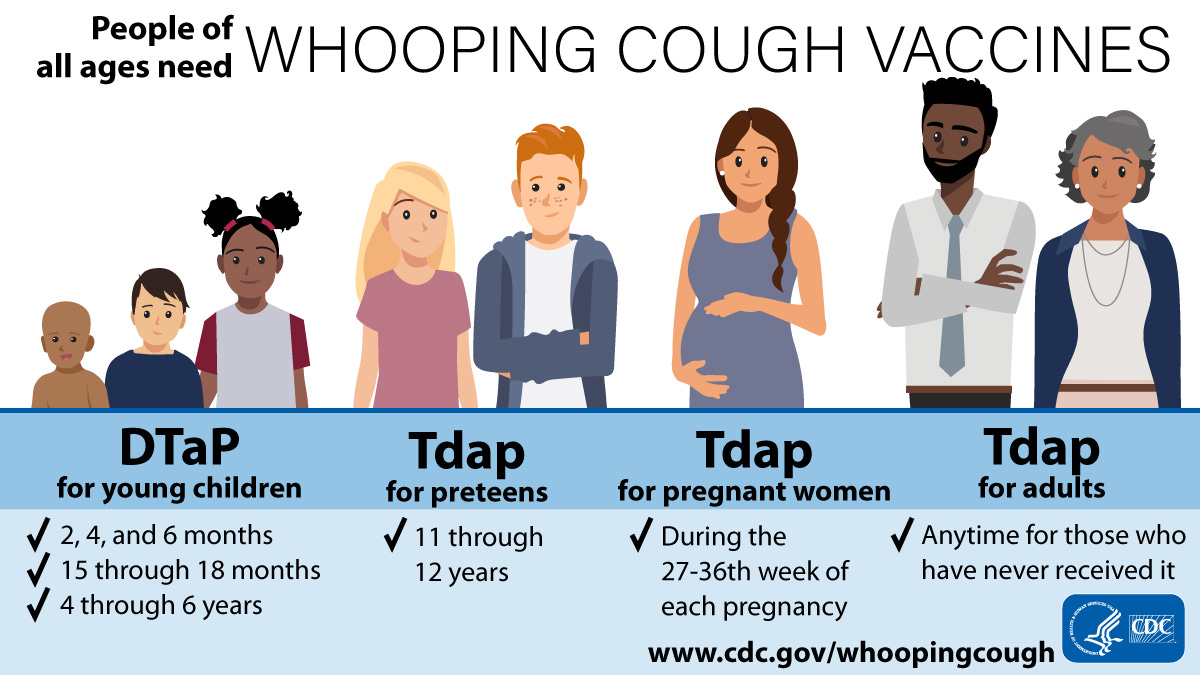
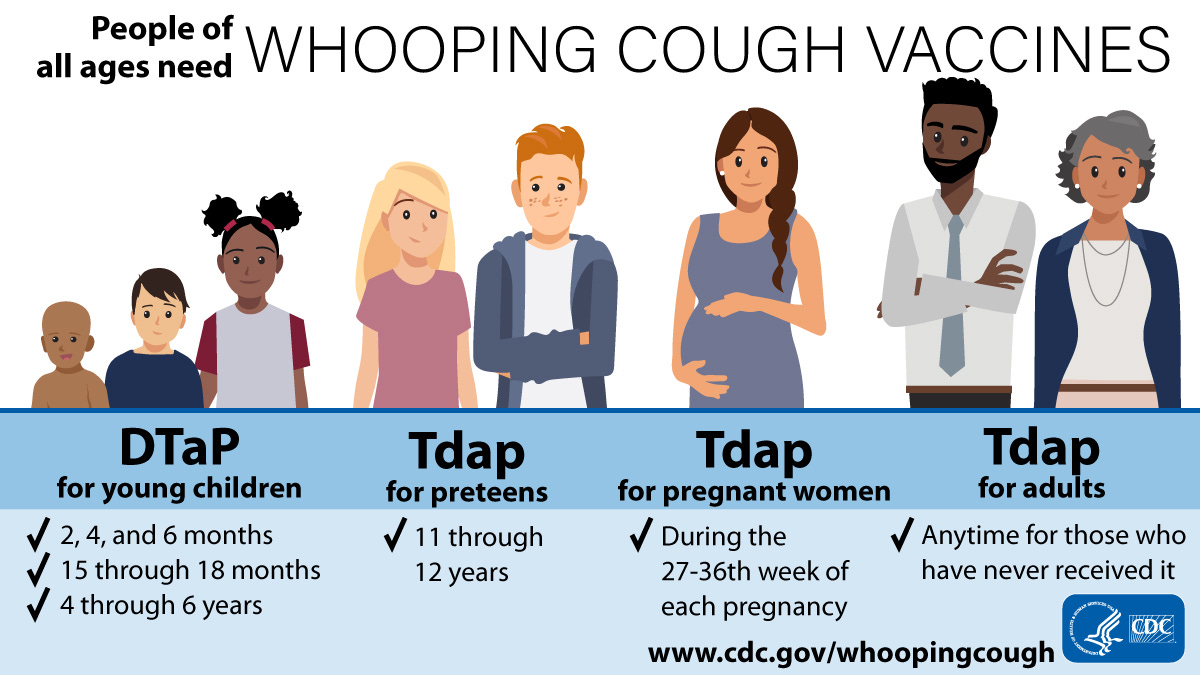
"The CDC reports that respiratory illnesses are decreasing overall, with the exception of Pertussis (Whooping Cough)
which continues to be elevated nationally. Whooping cough is a vaccine
preventable disease that can be especially dangerous for babies under
age 1. It is recommended that pregnant individuals and families get
vaccinated against Pertussis to protect babies.
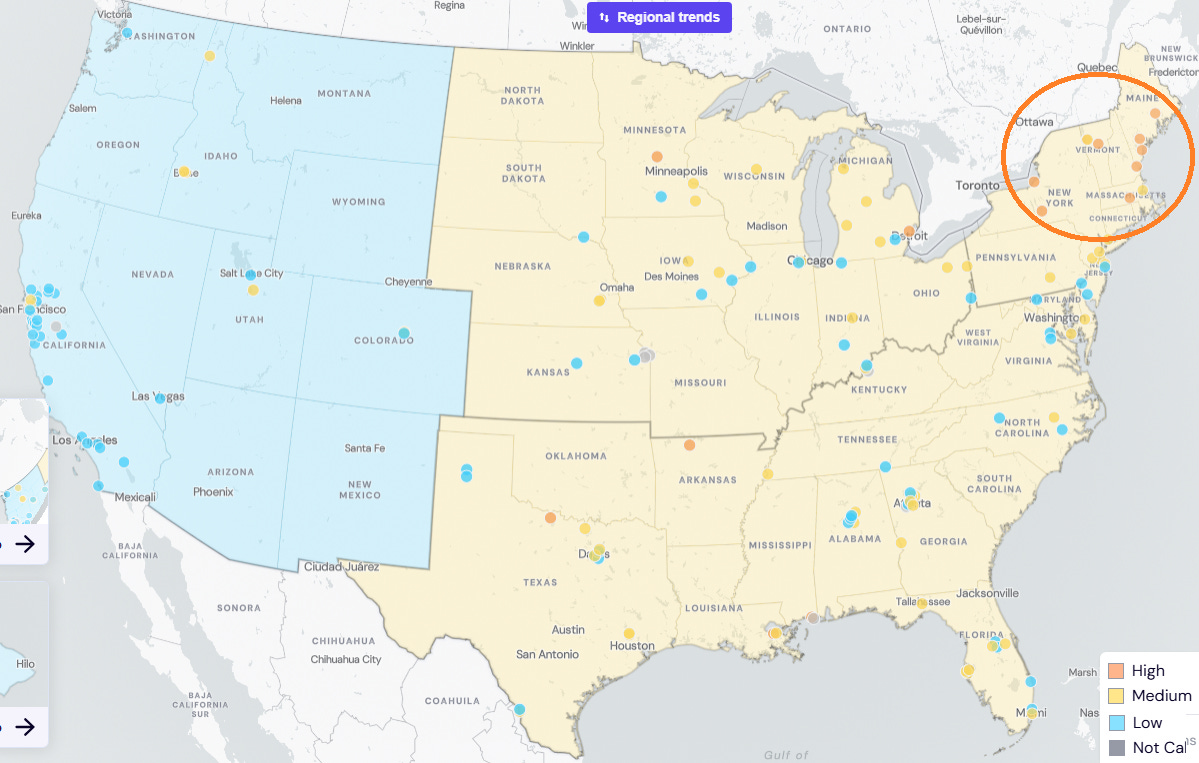
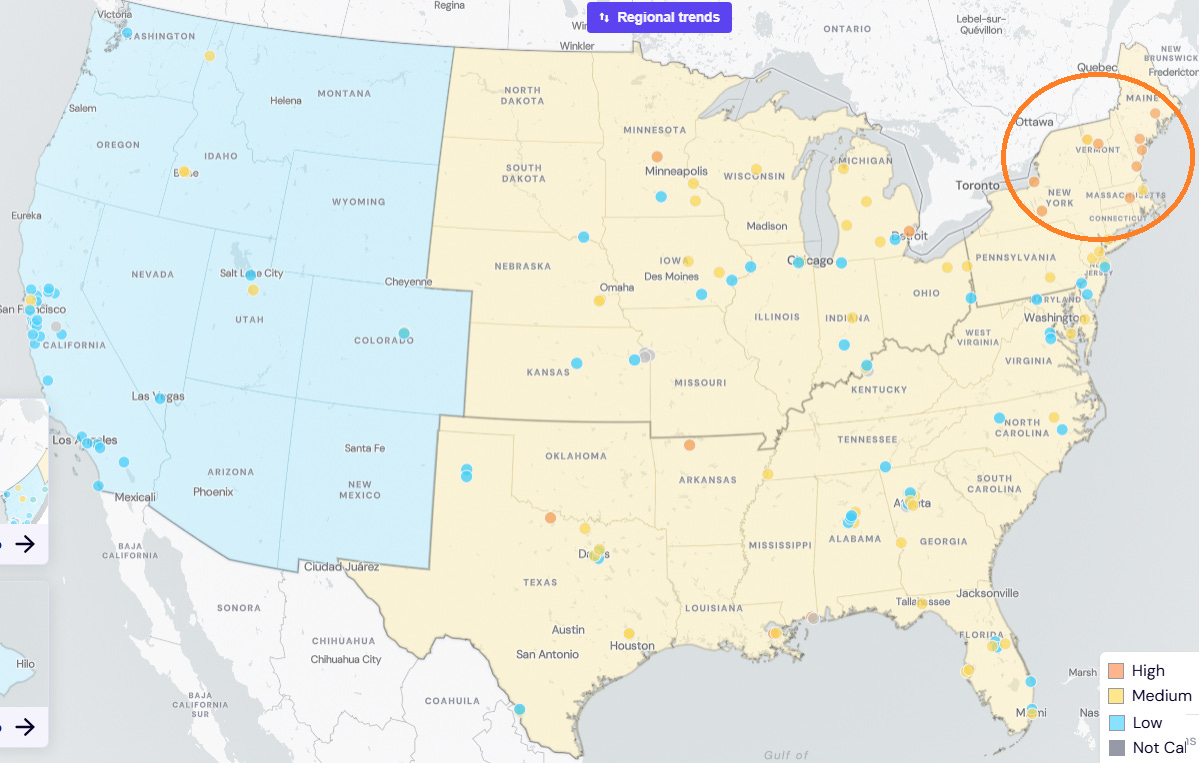
"WastewaterSCAN shows that SARS-CoV-2 levels are low in the West and are medium in the rest of the country. High
levels are seen in some of the Northeastern states including Vermont,
Maine, Massachusetts and New York state. WastewaterSCAN does not provide
COVID wastewater levels for 12 states. California wastewater SARS-CoV-2 levels are low across the state per CDPH with high levels in Novato, Hollister, Woodland and Cambria.
"LP.8.1 is dominant in most places around the world including the United States. The CDC variant tracker will update next week.
"A new variant called BA.3.2
was detected in South Africa and now has been seen in the Netherlands.
In its current state, it is not expected to cause a wave unless it picks
up some new mutations. We will have to follow it for now.
"When a Singapore hospital stopped using full PPE
and only required N95 masks for routine care of COVID patients, they
found no increase in staff infection rates. Over 12 months, the change
saved more than 440,000 gowns, cut 66,000 kg of plastic waste, reduced
the hospital’s carbon footprint by nearly 400 metric tons, and saved
around USD $334,000.
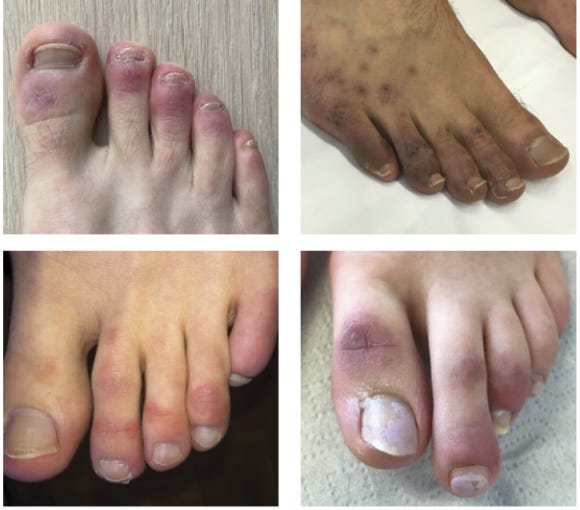
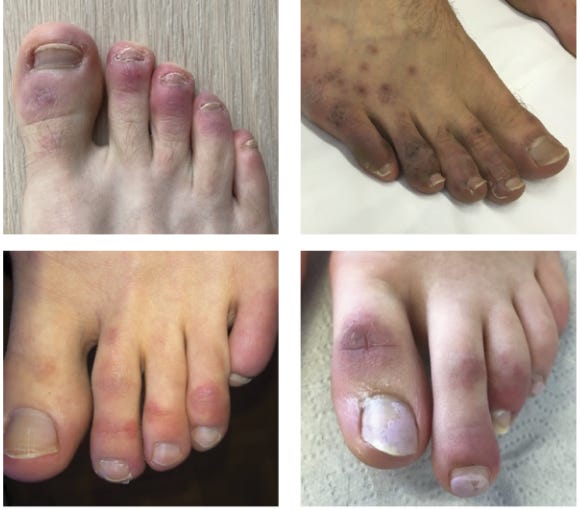
"Remember COVID toes? During the
COVID-19 pandemic, researchers noticed a spike in cases of chilblains-
painful, red skin lesions also called “COVID toes.” A study has found
that people with pandemic chilblains have an unusually strong immune
response to single-stranded RNA viruses like SARS-CoV-2, driven by overactive plasmacytoid dendritic cells (pDCs)
responding to TLR7 signals. These individuals likely cleared the virus
early with innate immunity, before developing antibodies, but the
inflammation triggered chilblains in their toes.
"In a 2-year study of patients who had
COVID-19, researchers found that those with a gut microbiome dominated
by Streptococcus during the acute phase were more likely to have severe
illness and slower recovery, including lung abnormalities and lower
exercise capacity. In contrast, a Blautia-dominated gut microbiome was
linked to milder symptoms, faster viral clearance, and better long-term
cardiopulmonary health. The study introduced the "B/S index" (Blautia + Bifidobacterium to Streptococcus ratio) as a potential marker to predict COVID severity and recovery.
Pediatrics
"Last week, it was reported that young children aged 1 to 6 years old who recovered from mild COVID infection had brain changes on MRI
scans and virus-induced neuroinflammation. This week, two new very
large studies show that COVID infection increases the risks of both cardiovascular and kidney disease
in children. These studies show that there is a need for greater
awareness, monitoring, and follow-up care to manage potential long-term
complications in children and young people after SARS-CoV-2 infection.
"A large U.S. study of nearly 1.2 million children and adolescents found that those who had COVID-19 were at significantly increased risk for a range of cardiovascular problems—including
myocarditis, heart failure, arrhythmias, and blood clots—up to six
months after infection. These risks were seen in both children with and
without congenital heart defects.
"Another large U.S. study of nearly 2 million children found that those who had COVID-19 were at increased risk of developing new or worsening kidney disease,
especially if they had preexisting chronic kidney disease (CKD) or
experienced acute kidney injury (AKI) during infection. Compared to
uninfected peers, these children had significantly higher rates of CKD,
declining kidney function, dialysis, and other serious outcomes up to
two years later.
"A population-based study in southern
Sweden found that adolescents aged 13–16 who screened positive for
Celiac Disease autoantibodies had a significantly higher rate of prior
SARS-CoV-2 infection than those without celiac disease antibodies. No
such association was found for autoimmune thyroid disease or type 1
diabetes. SARS-CoV-2 may play a role in triggering Celiac Disease in genetically or environmentally susceptible adolescents, though further research is needed to understand causality.
"A systematic review of 54 U.S.-based studies found that FDA-authorized COVID treatments, especially oral antivirals like Paxlovid and monoclonal antibodies, are generally safe and are not linked to serious side effects. The exception was tocilizumab, which may increase the risk of neutropenia and infection, and convalescent plasma,
which showed a higher risk of bleeding and infection in patients with
blood cancers. Overall, most adverse effects appeared to be due to
COVID-19 itself rather than the treatments.
"A
group from the NIH evaluated pre-Omicron UCSF LIINC study samples from
people who did not have COVID as compared to COVID-recovered controls
and those with Long COVID. People who had COVID, especially those with
Long COVID, showed signs of persistent immune dysfunction and metabolic imbalances up to four months after infection. Those with Long COVID
had immature, inflamed immune cells, high oxidative stress, low
tryptophan levels, and markers of immune cell exhaustion and senescence,
especially in CD8 T-cells. The researchers also identified changes in gene methylation linked to disrupted metabolism and potentially increased cancer risk,
suggesting that Long COVID may result from long-lasting damage to
immune and metabolic systems, and may benefit from therapies that
restore immune balance and reduce inflammation.
"A large UK study found that people with Post-COVID Condition (PCC or Long COVID) were more likely to show strong and persistent anti-nucleocapsid (anti-N) antibody
responses after SARS-CoV-2 infection, especially if they were
unvaccinated and infected with pre-Omicron variants. However,
vaccination responses (anti-spike antibodies) did not differ between
those with Long COVID and those who recovered fully, suggesting that
altered immune responses to infection, not vaccination, may help explain
Long COVID.
"A large study of electronic health records (EHRs) from over 6 million adults found significant overlap between Long COVID (PASC) and myalgic encephalomyelitis/ chronic fatigue syndrome (ME/CFS),
especially in symptoms like fatigue, brain fog, and shortness of
breath. While both conditions share many characteristics, heart and lung
issues were more common in Long COVID, whereas pain, sleep
disturbances, and immune or neuropsychiatric problems appeared more
often in ME/CFS. These results suggest that some treatment strategies
might work for both illnesses, even though there are also key
differences.
"The 3-year-old girl in Mexico who died from H5N1 avian flu was found to be caused by the D1.1 genotype
which has been associated with severe human infections in the U.S. and
Canada. No poultry outbreaks were reported in the patient's state, but
H5N1 was detected in wild birds. The WHO and global health agencies say
the overall human risk from H5N1 remains low, though it is higher for
people with occupational exposure.
Measles
"As of 4/17/25, there have been 800 reported cases of Measles
this year in the United States with 11% of cases hospitalized (85 of
800) and 3 deaths. Measles have been reported in 24 states.
"This week, Rachel Maddow reported that Dr. Ben Edwards, a Texas alternative medicine doctor that RFK Jr. had tweeted is an “extraordinary healer”, was filmed by the anti-vaccine group Children’s Health Defense as saying that Edwards was actively infected with Measles and was treating patients. This, of course, caused outrage although it may have been a publicity stunt
since he also said that he had the MMR vaccine as a child, but was
infected with the measles anyways. The Children’s Health Defense
reporter said, “That [MMR] doesn’t work then, does it?” If he was truly
susceptible to the measles, he probably would have been infected months
ago given his exposure to many people with the measles.
Other news
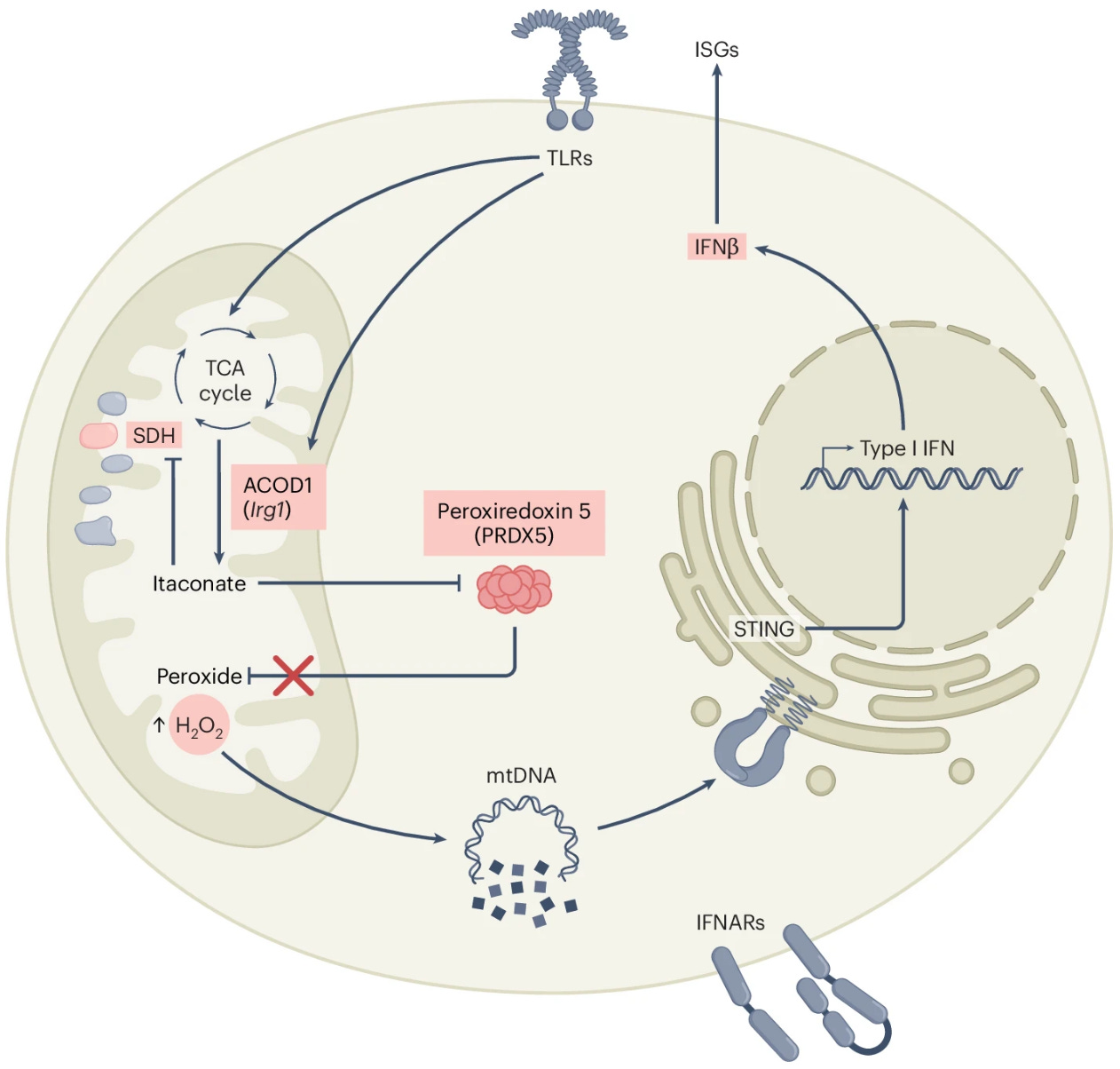
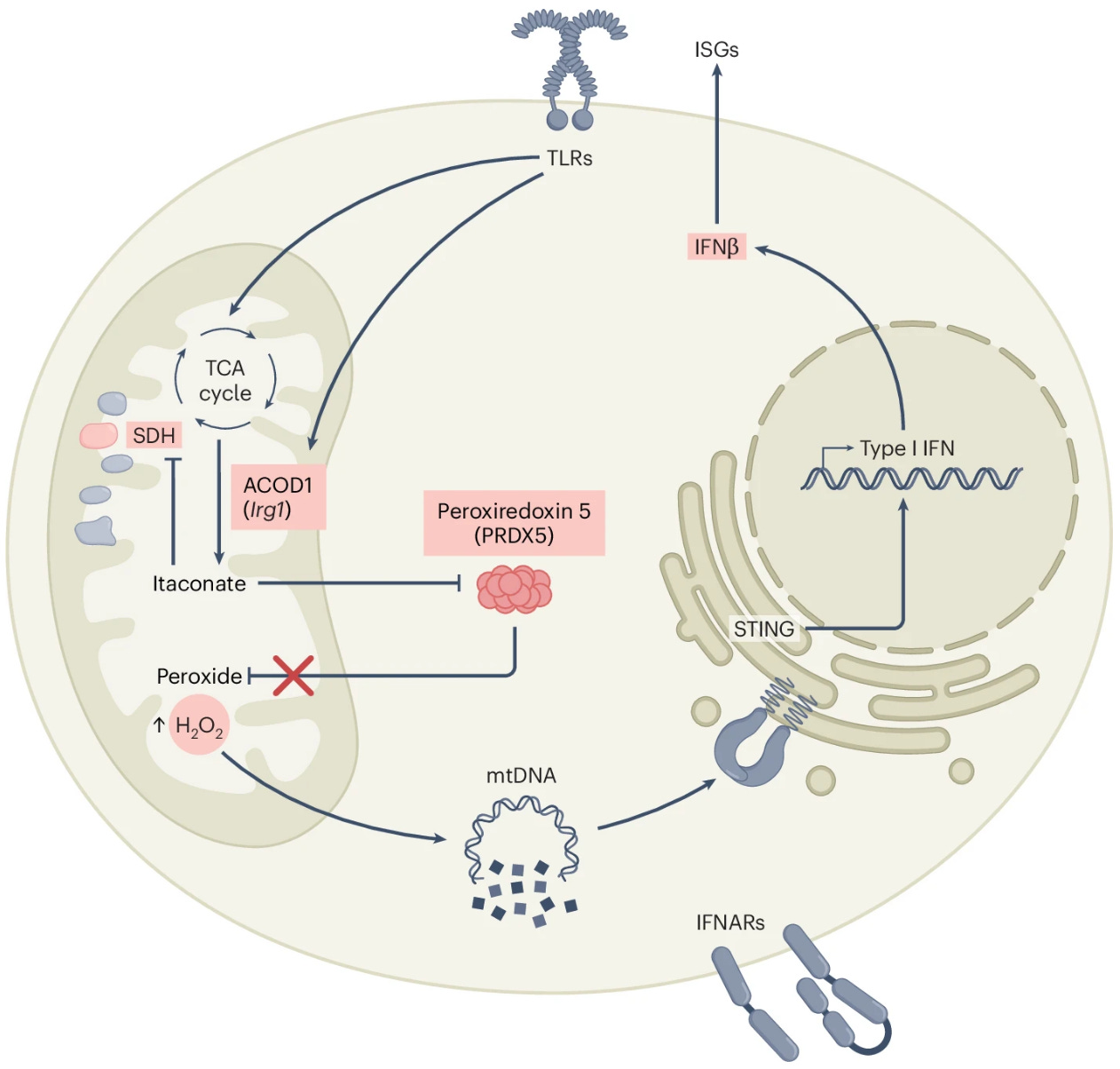
"A new study shows that the immune-regulating molecule itaconate boosts the type I interferon (IFN) response by inhibiting the antioxidant enzyme PRDX5 in macrophages.
This inhibition increases hydrogen peroxide levels, which leads to
mitochondrial DNA leakage and activation of the STING pathway,
ultimately enhancing IFN production. These findings reveal a novel link
between redox signaling and immune activation and suggest that itaconate
could be a promising therapeutic tool for inflammatory diseases.
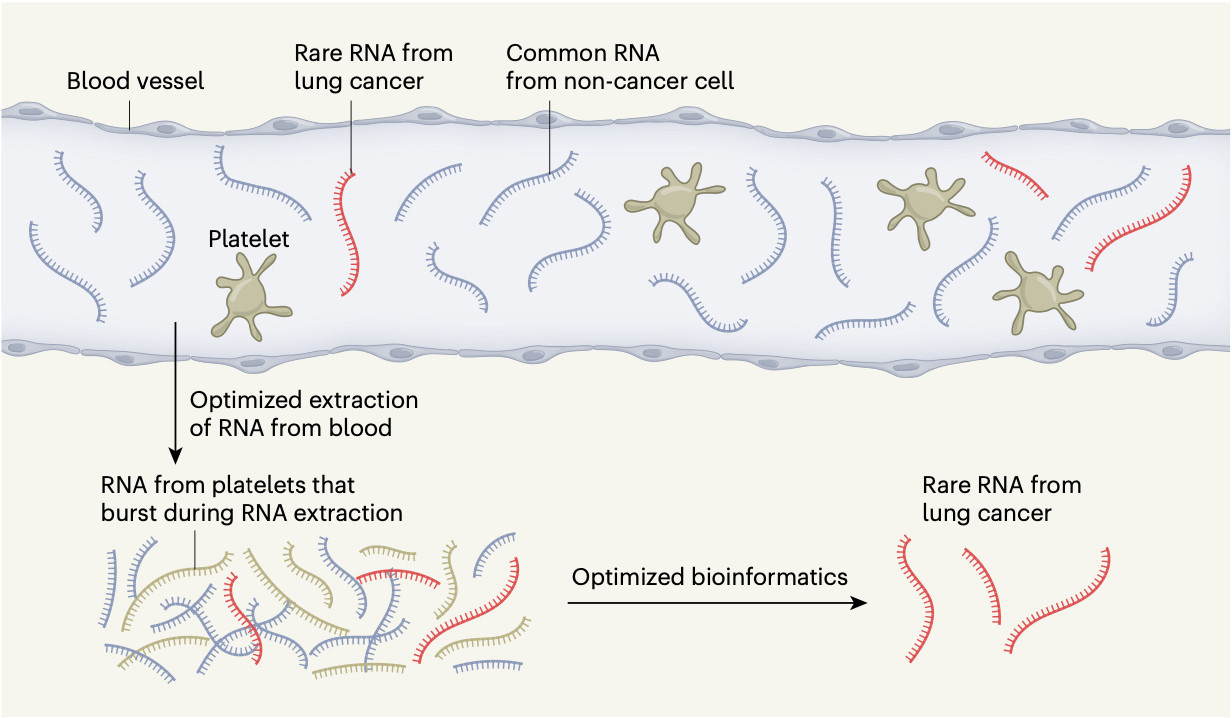
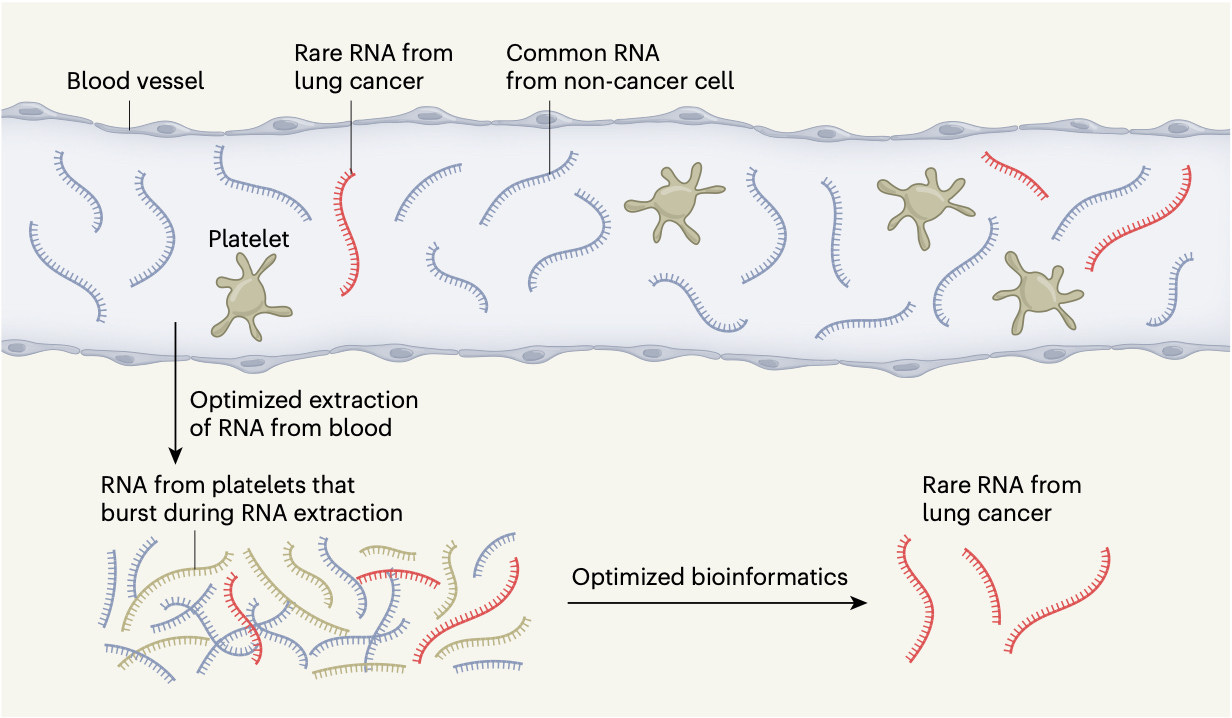
"A new technique called RARE-seq dramatically improves the detection of rare cell-free RNAs
in blood, making it easier to identify cancer and track treatment
response or immune activity after vaccination. By refining every step of
the process—from blood collection to bioinformatics—this method is over
50 times more sensitive than previous tools and may help advance
personalized medicine.
"A 2-year-old boy
who went missing in the remote Arizona wilderness was found safe after
walking 7 miles through rough terrain and mountain lion territory. He
was guided for at least the last mile by a ranch dog named Buford, an Anatolian Pyrenees, who normally guards livestock from coyotes.











.jpg)